A Beginner’s Guide to Dutch Braiding Your Own Hair
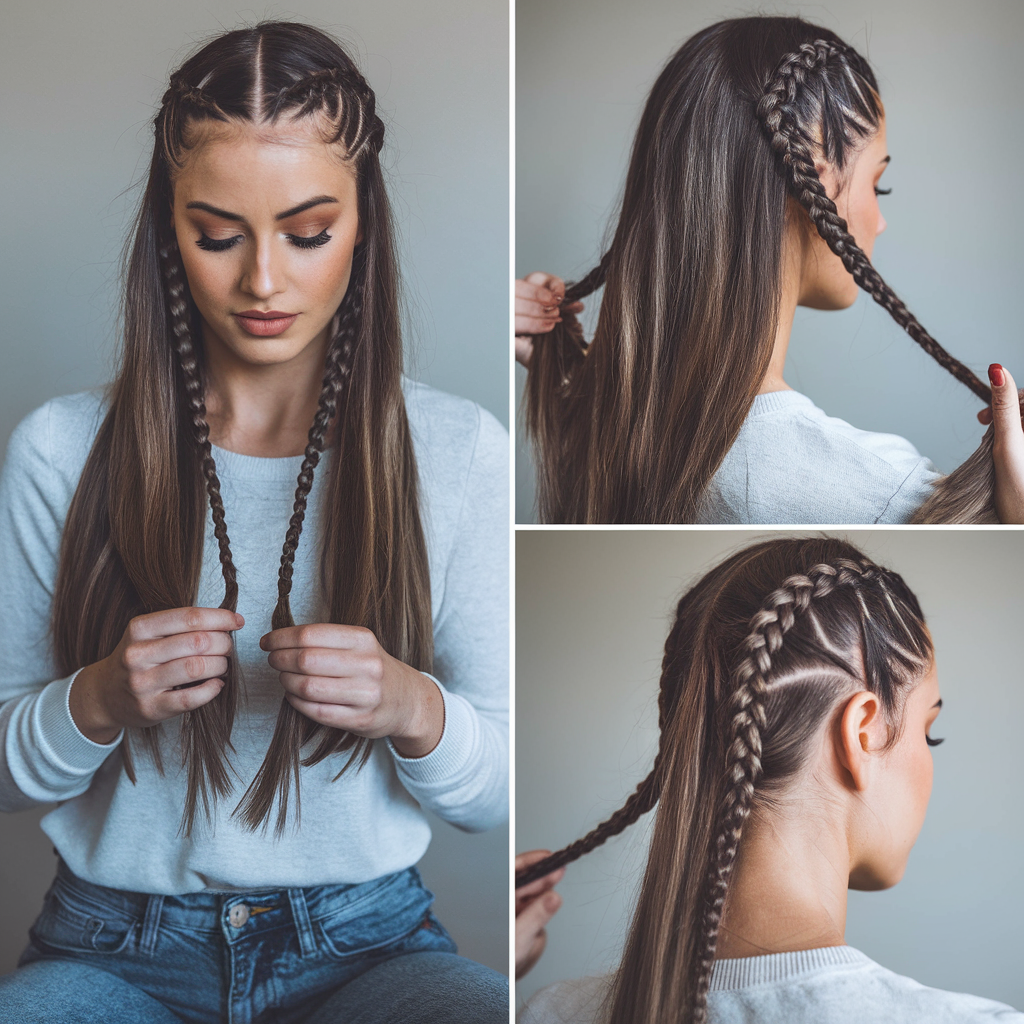
A Dutch braid is such a pretty way to wear your hair. Think of a regular braid, but flipped, so the braid sits on top instead of blending in. The first time you try it, it might feel confusing, but once your hands get used to the motions, it becomes second nature. I remember the first time I tried it—I thought my arms would fall off—but the result was worth it.
A Dutch braid gives your hair a clean, bold shape. It looks textured, neat, and a bit fancy without being too much. Unlike a normal braid where the strands cross over, this braid is done by crossing the hair underneath. That tiny switch makes all the difference.
Before you know it, you’ll be able to braid your hair while watching TV or running late for school or work. And honestly, once you learn it, you’ll want to braid everyone’s hair.
Introduction to Dutch Braiding

Have you ever seen someone with a perfect Dutch braid and thought, “I wish I could do that”? You absolutely can. Dutch braiding isn’t just for weddings, parties, or photoshoots—it works on regular days too. It stays in place, keeps your hair neat, and looks stylish even if you’re just wearing a hoodie.
Let’s dive into where this braid comes from and why it’s still so loved.
A Quick Look at Its Origin

The Dutch braid is sometimes called the reverse French braid. It actually began in parts of Africa. It was common among tribes who used braids as markers of culture, family, and identity. Over time, the style moved into Europe and became popular in the Netherlands. That’s when the name “Dutch braid” stuck.
Amazing how something so old still feels modern today.
Why Dutch Braids Are Worth Learning

Dutch braids are more than “just a style.” Here’s why many people love them:
You get:
- A strong braid that doesn’t fall apart
- A neat look even after moving around
- A style that works on short, medium, or long hair
- Protection for your ends and hair strands
Dutch braids also keep hair off your face, which is great for workouts, school days, or when you don’t feel like dealing with your hair.
Tools You’ll Want Nearby

When you have the right tools, the braid turns out smoother and cleaner.
You’ll need:
Combs and Brushes

- A fine-tooth comb for neat sections
- A paddle brush for detangling
Hair Ties and Clips
- Small clear elastics look cleaner
- Clips help keep loose hair out of the way
Styling Products

- A tiny bit of mousse or gel adds grip
- A light hairspray keeps flyaways down
These are the kind of products that turn a messy braid into a sleek one.
Prepping Your Hair

Good braids always start with good prep.
Step 1: Wash and Condition

Clean hair is easier to separate. A little conditioner makes it soft, but rinse well so it’s not slippery.
Step 2: Detangle and Dry
Use a wide-tooth comb starting from the bottom and moving up.
Let it air-dry, or blow-dry on low heat.
Dry hair holds structure much better.
Sectioning Your Hair

Sectioning might feel slow, but it makes the braid easier.
How to divide your hair:

- Brush everything smooth.
- Use the end of a comb to make a straight part.
- Split that top section into three even pieces.
This is your starting point.
If you’re not using a section right away, clip it aside. Think of it like organizing ingredients before cooking.
A small tip:
If little hairs pop out, smooth them with gel or mousse before you braid.
Time to Start Braiding

Here’s the part most people overthink, but once you do it a few times, you’ll get the rhythm.
Hold one strand in each hand, and one in the middle. Cross the right piece under, not over. Then do the same with the left piece.
Every time you cross a strand under, you grab a bit more hair from the side.
So it becomes:
- Right under → add hair
- Left under → add hair
Repeat until you’re at the nape of your neck.
Keep your hands close to your head. It’s like hugging the braid into place.
Braiding Down the Back

Once you reach the neckline, you just continue the braid like normal.
Three strands.
Right under.
Left under.
Tie it at the end with a small elastic.
A light spray of hairspray helps everything stay put, especially on windy days or busy schedules.
A quick cheat-sheet recap
Dutch braid formula:
Three strands + cross under + add hair = popped-out braid
Best moments to wear it:
- Gym days
- Lazy Sundays
- Parties
- Long work days
- Road trips
Feels like:
A hairstyle that says “effort” even when you did it in three minutes.
Maintaining Tension

Keeping the right tension while braiding is like holding a delicate gift—firm enough so it doesn’t slip, but gentle so it feels good. If you pull too loosely, the braid starts to slide apart. Pull too tight, and your scalp will complain later. Aim for that calm middle ground.
Check your tension as you go. Every few inches, feel the braid. If it looks puffy or loose, tighten slightly. If your scalp feels strained, relax your hands. Think of it like adjusting a backpack strap—you tweak it until it feels just right.
And honestly, your arms might start burning halfway through. It happens to everyone. Take a tiny break. Shake your arms, stretch your fingers, then jump back in. When your hands are relaxed, your braid turns out smoother and more even.
Finishing the Braid

You got through the hard part—now you just need to make sure your braid stays put. Think of this step as sealing a letter after writing something heartfelt. You want it neat, secure, and ready to show off.
Securing the End

You have two easy options:
- Clear elastic bands – These melt into your hair visually and give a clean finish.
- Hairpins tucked under the braid – Perfect if you want a softer or dressier look.
If you want the braid to look fuller, gently pull on the outer loops. Picture fluffing a pillow—little tugs make it look cozy and plush without ruining its shape.
Wrap your hair tie a few times and smooth any frizz. If you’re using pins, make sure they sit inside the braid where they can’t be seen.
Just like that, your braid is set. It might not look perfect the first time, but trust me—after a few tries, your hands will move like second nature.
Tips and Tricks

A few simple tricks make a big difference. When I first started braiding my own hair, I used gel like glue to keep stray pieces from escaping. It worked wonders.
When You Have Layers
Layered hair tries to pop out like kids sneaking out of line.
Try this:
- Use a small bit of mousse or gel before starting.
- Work with smaller pieces at the beginning.
- Pin short pieces if they refuse to listen.
A tighter start helps the short layers stay tucked.
When You Want a Tighter Braid
A snug braid will stay fresh all day.
Try these small adjustments:
- Hold the strands close to your head.
- Pull each section gently before you tuck it under.
- Keep the same level of pull from start to finish.
After a few attempts, you’ll know your perfect tension without thinking.
Styling Variations

Once you get comfortable, try switching things up.
- Add a ribbon through the braid like threading beads
- Make a side Dutch braid when you want a relaxed style
- Join two Dutch braids into one ponytail for a bold look
Sometimes I change the braid direction depending on whether I want soft and casual or sleek and dramatic. Little changes can shift the entire style.
Common Mistakes and How to Fix Them
Everyone makes these when they’re learning—so don’t feel bad.
1. Loose Braids

If your braid looks more like a soft rope than a defined braid, tighten your grip just a little. Not painful tight—just snug enough so it holds its shape.
2. Uneven Sections
Uneven strands make the braid tilt to one side.
Before you start:
- Part your hair cleanly
- Comb through
- Make three equal sections
Check again halfway through. It saves you from restarting at the end.
3. Breakage from Pulling

Hair is strong, but not unbreakable.
Here’s a simple table to help:
| Issue | What Helps |
|---|---|
| Hair snapping at mid-strand | Brush gently before braiding |
| Painful tightness | Soften your grip |
| Flyaways | Light leave-in cream or oil |
Think “firm handshake,” not “death grip.” Your hair will thank you.
Final Thoughts
Braiding your own hair is one of those skills that feels tricky at first but gets easier every time you do it. One day, you’ll start braiding while listening to music, and suddenly it will click.
Don’t worry about looking perfect right away. Enjoy the process. Take breaks. Try new variations. Share your new skill with someone—your sister, your cousin, or even yourself in the mirror.