Damaged Hair, Repaired: A Simple Step-by-Step Recovery Plan
1. Why Our Hair Ends Up So Damaged
Let’s be honest. Most of us have put our hair through a lot. Bleach. Dye. Hot tools. Tight styles. I know I have, and my hair definitely reminded me afterward.
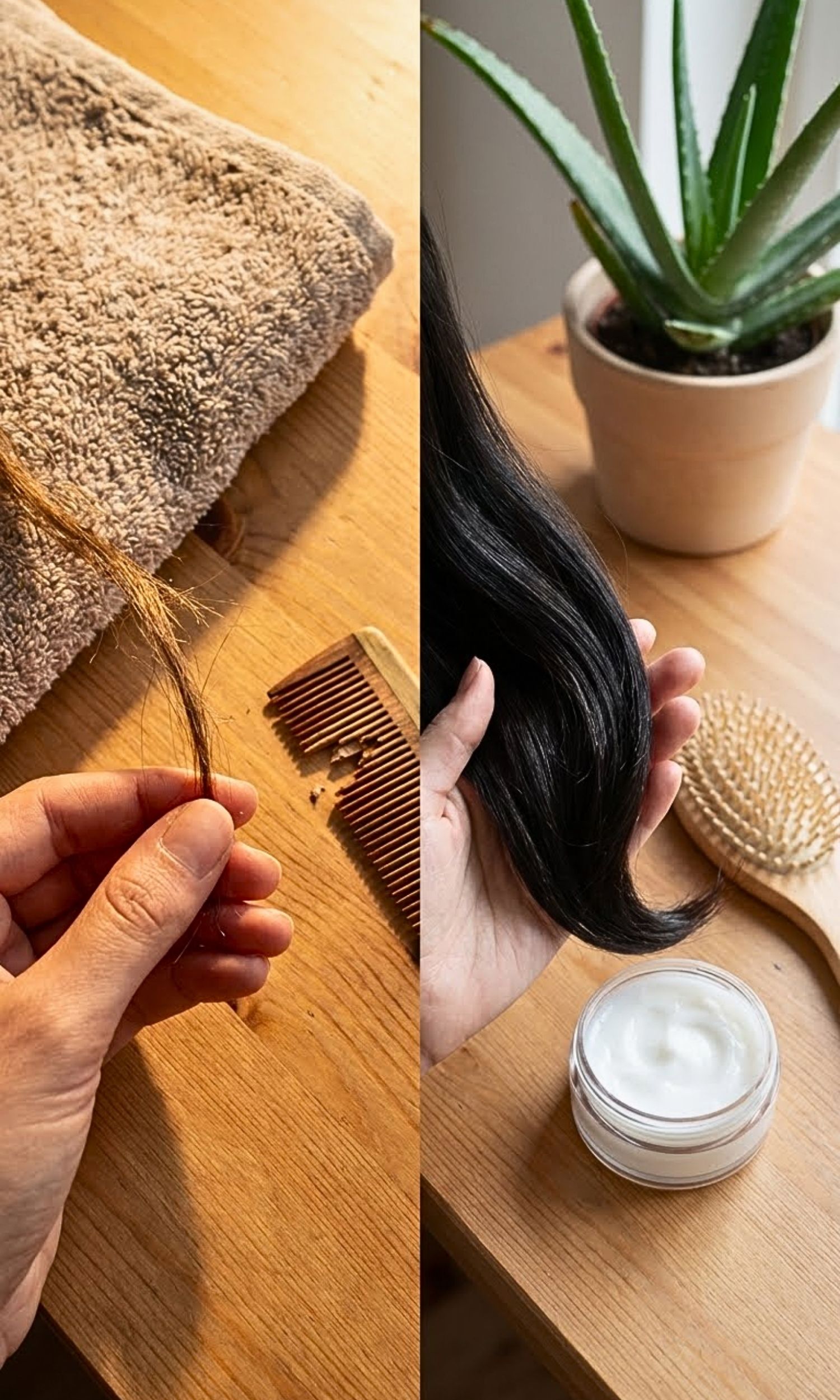
All that stress weakens the hair strand. It makes hair dry, brittle, and harder to manage. Breakage sneaks in fast, and suddenly styling feels like a battle.
Damaged hair also just looks tired. It loses shine and bounce. So if you’ve been staring at your ends wondering what went wrong, you’re not alone.
The good news? Hair can improve. It takes patience and a few smart changes, but it’s worth it when your hair starts feeling like your hair again.
2. How to Tell If Your Hair Is Damaged
Hair damage usually starts quietly. According to research, the first signs are dullness and loss of softness. I noticed it when my hair stopped catching the light.
As damage continues, hair loses strength and stretch. That’s when snapping, split ends, and flyaways show up. Elasticity disappears, and hair breaks instead of bending.
If your hair feels rough, looks flat, or sheds more during brushing, it’s time to step in. Think of it as your hair asking for help.
3. The Main Types of Hair Damage
Hair damage usually comes from four places. Most of us deal with more than one at the same time.
- Mechanical damage: rough brushing, tight styles, towel rubbing
- Chemical damage: bleach, dye, perms, relaxers
- Thermal damage: blow dryers, straighteners, curling irons
- Environmental damage: sun, pollution, wind
Longer hair is often more damaged. It’s older hair. It’s lived more life. And it’s been exposed longer.
4. The Two Rules of Caring for Damaged Hair
There are two things that truly matter.
First, stop adding new damage. That might mean fewer heat tools. Or spacing out color sessions. Or switching to gentler tools.
Second, help repair what’s already there. That means moisture, protein, and patience. No product works overnight, but consistency really does pay off.
Once I slowed down and treated my hair more gently, everything changed. Not fast. But steadily.
5. Choose Your Shampoo Like It Matters (Because It Does)
Some shampoos are just too harsh. They strip hair and leave it dry. I learned this the hard way.
Look for shampoos made for damaged hair. Sulfate-free options are often kinder. They clean without stealing all your moisture.
Always skim the ingredient list. If your hair feels squeaky after washing, that’s usually a bad sign.
6. Upgrade Your Conditioner Game
Conditioner is not optional for damaged hair. It’s survival.
Choose one made for repair. Thick. Nourishing. No shortcuts. Every few washes, swap your conditioner for a hair mask.
Let it sit. A few extra minutes helps hair actually absorb the good stuff. This small habit makes a big difference.
7. Try the “Soak and Smear” Method
This sounds strange, but stylists swear by it. And honestly, it works.
Wash and condition as usual. Gently press out water with a towel. No rubbing.
While hair is still damp, apply a leave-in conditioner. Then seal it with a few drops of oil. Hair feels softer, calmer, and way easier to style.
8. Don’t Ignore Your Scalp
Healthy hair starts at the scalp. I used to forget that completely.
Massaging your scalp boosts blood flow. This helps strengthen roots and deliver nutrients down the hair shaft.
A calm scalp supports new growth too. And fresh, healthy hair is the best long-term fix there is.
9. Be Gentle With Brushes and Towels
Damaged hair breaks easily. Especially when wet.
Use a brush that detangles without pulling. Gentle tools matter more than you think. Overbrushing is one of the fastest ways to cause damage.
Also, stop rubbing hair with a towel. Microfiber turbans are a game changer. Less friction. Less breakage. Less regret.
10. Sleep on Silk (Your Hair Will Thank You)
Cotton pillowcases steal moisture. Silk doesn’t.
Silk creates less friction. That means fewer tangles and less breakage while you sleep. I noticed smoother hair within a week.
You wake up with hair that feels softer, not stressed. Small change. Big payoff.
11. Turn Down the Heat
Hot showers feel amazing. Your hair disagrees.
Lukewarm water is much gentler. It helps hair hold onto moisture instead of losing it down the drain.
Heat styling is also stressful for damaged hair. If you use heat, always protect first. No exceptions.
12. Feed Your Hair From the Inside
Hair is made of protein. When your diet lacks it, hair suffers.
Low protein can make hair weak and dry. In extreme cases, it can slow growth or cause shedding.
Adding more protein helped my hair feel stronger over time. Food really does matter here.
13. Bring Oils Into Your Routine
Natural oils are powerful. Coconut, argan, almond, castor, olive. They all help damaged hair.
Oils seal the cuticle. They trap moisture inside. They also reduce friction between strands.
This makes hair smoother, shinier, and easier to detangle. A little goes a long way.
14. Add Protein Treatments When Damage Is Serious
Moisture helps. But sometimes hair needs structure too.
Protein treatments can rebuild weakened areas in the hair strand. Products like molecular repair masks work deep inside the fiber.
Over time, they strengthen hair and reduce breakage. Think of it as internal support for tired strands.
15. The Big Picture
There’s no single miracle fix. I wish there was.
But gentle habits, good products, and patience really work together. Hair can recover. Slowly, but beautifully.
Treat your hair like a friend who’s been through a lot. Be kind. Be consistent. And give it time.