Hair Loss in Women: Expert Answers to Your Biggest Questions
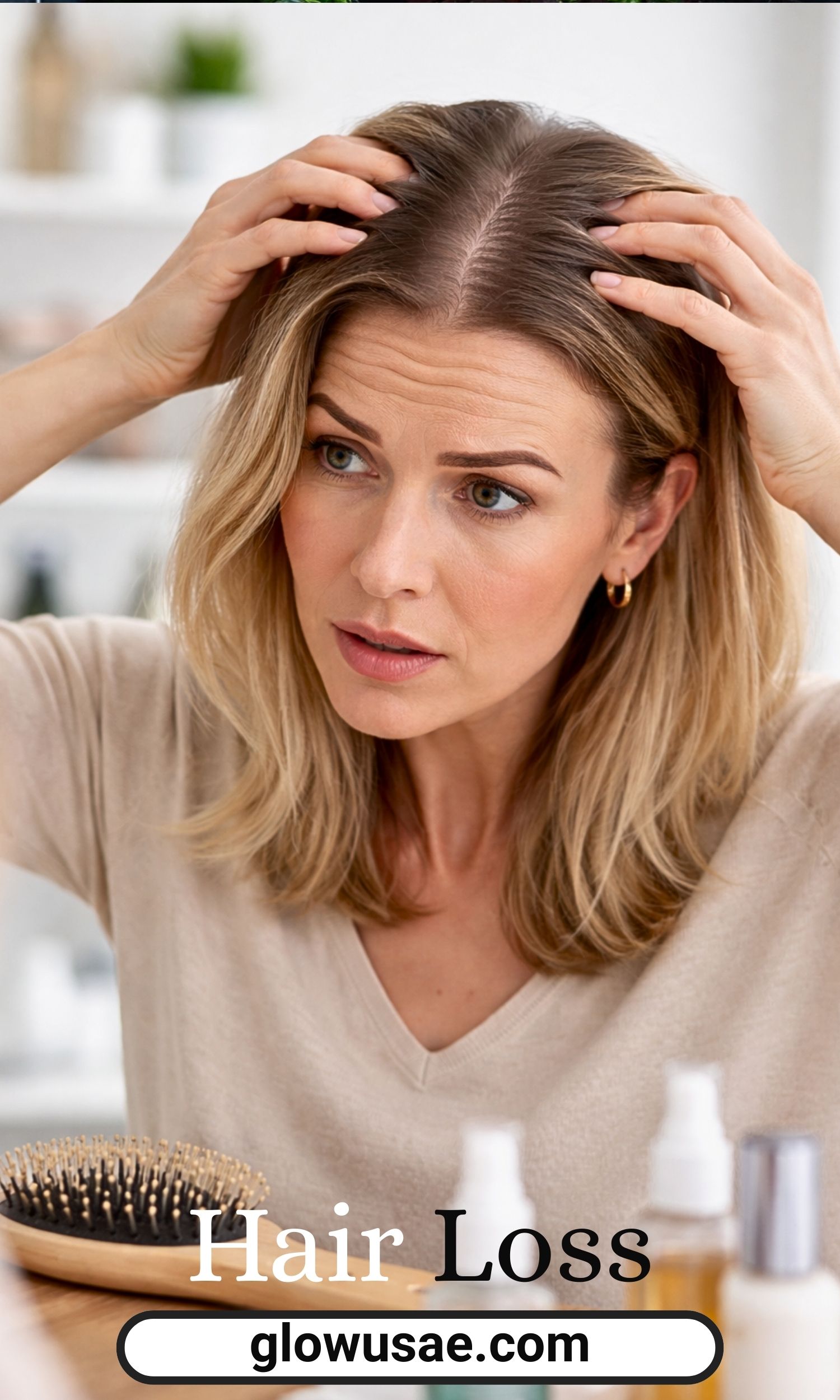
Hair loss happens to all of us. A few strands on your brush or in the shower? Totally normal. But when it starts to feel like too much, it can be scary. I’ve been there—staring at the drain, wondering if it’s all in my head, or if something is actually wrong.
We all want thick, healthy hair. It’s tied to how we feel about ourselves. So when hair falls out faster than usual, it’s not just about looks. Sometimes, it’s your body trying to tell you something.
Losing around 100 hairs a day is normal. But if you’re seeing more than that—on your pillow, in your hands, or wrapped around the drain—it’s worth paying attention. Hair loss has many causes. Stress, hormones, illness, diet, and even how we style our hair can all play a role.
Let’s break it down together, calmly and honestly.
1. Hair Loss — Normal or Excessive?
Hair grows in cycles. Think of it like seasons.
There’s a growth phase, a short pause, and a resting phase where hair falls out.
Most of your hair is growing at any time. A small amount is resting. That’s why daily shedding is normal. But when more hair shifts into the resting phase at once, shedding feels sudden and intense.
If your ponytail feels thinner.
If your part looks wider.
If the shedding lasts for months.
That’s when it may be more than normal.
2. Signs of Excessive Hair Loss
Sometimes the signs sneak up on you. Other times, they hit all at once.
You might notice:
- Hair coming out every time you touch it
- Lots of strands on your pillow or clothes
- A shrinking ponytail over time
- More scalp showing than before
These changes don’t mean panic. They mean pause. Your hair is asking for care.
3. Genetics
This one can feel unfair. If hair loss runs in your family, it may show up early—even in your 20s.
Genetic hair loss is stubborn. I won’t sugarcoat it. But it doesn’t mean you’re powerless. Gentle hair care, good nutrition, and scalp health can slow things down and protect what you have.
You’re not fighting genetics. You’re working with your body.
4. Pregnancy and Childbirth
Pregnancy hair can feel magical. Thick. Glossy. Full.
That’s because hormones keep hair in the growth phase.
After birth, hormones drop. Fast. Hair sheds all at once, and it can feel shocking. I remember thinking, How am I not bald yet?
This is normal. It’s temporary. Once hormones settle, hair usually finds its rhythm again.
5. Hormonal Changes
Hormones affect everything—skin, mood, sleep, and yes, hair.
Birth control changes. IVF. Menopause. Postpartum life.
All of these can trigger shedding.
If hair loss lines up with a hormone shift, that’s likely your answer. It doesn’t mean forever. It means your body is adjusting.
6. Underlying Illness
Sometimes hair loss is a clue.
Conditions like thyroid issues, PCOS, and diabetes can disrupt hair growth.
Treating the root cause often helps the hair too. But it takes time. Hair grows slowly. Healing does too.
Patience matters here. Even when it’s hard.
7. Vitamin Deficiencies
Hair needs fuel. When nutrients run low, hair is often the first thing affected.
Common gaps linked to hair loss include:
- Vitamin B12
- Biotin
- Folate
- Riboflavin
A balanced diet or a simple supplement can help. Think of it as feeding the soil so the plant can grow.
8. Lack of Protein
Hair is made of protein. So when protein intake drops, hair weakens.
This is common with:
- Vegan or vegetarian diets
- Weight loss
- Calorie restriction
Hair may feel brittle. Nails may break. Adding protein can make a quiet but real difference.
9. Certain Medications
Some medications list hair loss as a side effect. That doesn’t mean you should stop them.
Your health always comes first.
If you’re worried, talk to a doctor. Never guess. Never stop meds on your own.
Your hair matters—but so does your life.
10. Trauma and Stress
Stress hits the hair hard.
Big life events. Loss. Burnout. Anxiety.
Sudden shedding from stress is called telogen effluvium. It feels dramatic, but it’s usually reversible.
Healing your nervous system helps your hair too. Rest. Support. Talking it out. All of it counts.
11. Poor Scalp Health
Think of your scalp like soil. Poor soil grows weak plants.
Product buildup. Inflammation. Dandruff. Psoriasis.
All can damage follicles over time.
Gentle cleansing and scalp care can bring hair back to life. Healthy scalp. Healthier hair.
12. Over-Styling Hair
Tight ponytails. Slick buns. Heavy extensions.
They look great—but constant pulling adds up.
This can cause traction alopecia. Once follicles are damaged, regrowth is hard.
You don’t have to stop styling. Just give your hair breaks. Looser styles help more than you think.
13. Hair Damage
Bleach. Heat. Chemicals.
They don’t pull hair from the root—but they snap it mid-strand.
The result still looks like thinning hair.
Less heat. Fewer harsh treatments.
Heat protectant. Repair oils. Bond-building treatments.
Small changes. Big payoff.
14. How to Prevent Hair Loss
Some causes need professional help. Hormones. Genetics. Illness.
There’s no shame in that.