No More Breakage: The Ultimate Guide to Strong, Healthy Hair
Our hair really goes through it. Heat tools, color, tight styles, and even rough brushing can leave it tired and weak. I learned this the hard way after one summer of nonstop flat-ironing and beach sun. My ends started snapping like dry twigs. The good news? You can slow breakage and help your hair feel strong again with a few smart habits.
1. What Is Hair Breakage?
Hair breakage is when individual strands snap or split in half. It’s different from hair shedding, which comes from the root. Breakage usually happens when hair is dry, stressed, or handled too roughly.
Think of hair like a thread on an old sweater. Once it weakens, it pulls apart easily. Over time, this can make hair look thin, frizzy, and uneven.
2. How To Spot Hair Breakage
When hair first gets damaged, it loses shine and softness. Later, it loses strength and stretch. That’s when snapping starts.
You may notice:
- Short broken pieces around your crown
- Dry, crunchy ends
- Flyaways that won’t lie flat
- Split ends and dull color
If your hair feels fragile, it’s asking for help.
3. Types Of Hair Breakage
Hair breaks down in four main ways. I like to think of them as four enemies of healthy hair.
| Cause | What It Looks Like | Common Trigger |
|---|---|---|
| Mechanical | Snapping while brushing | Tight styles, rough combing |
| Chemical | Dry, stretchy strands | Bleach, dye, perms |
| Thermal | Burnt or stiff ends | Flat irons, blow dryers |
| Environmental | Dull and weak hair | Sun, wind, pollution |
Longer hair suffers more because it has been through more life.
4. Mechanical Hair Breakage
If you love slick buns or tight ponytails, I get it. They look cute. But too much pulling stresses your roots and strands.
Over time, this tension can cause hair to snap or even stop growing back. Your scalp needs rest, just like your body does.
Try loose styles and soft scrunchies. Your hair will thank you.
5. Chemical Hair Breakage
Bleach and strong dyes can make hair fragile fast. I once went blonde in one weekend. Big mistake. My hair felt like straw for months.
To protect your hair:
- Space out chemical services
- Use gentle color formulas
- Always use heat protectant
- Deep condition often
Less damage now means more length later.
6. Unhealthy Scalp Causing Hair Breakage
A stressed scalp can weaken hair from the root. Product buildup, harsh shampoos, and inflammation all hurt follicles.
If you deal with dandruff or itching, hair may break more easily. A clean, calm scalp grows stronger hair.
Treat your scalp like skin. Be gentle. Keep it fresh and balanced.
7. How To Prevent Hair Breakage
Once hair snaps, it can’t be healed. That part is done. But you can stop more damage from happening.
Start with a trim. I know it hurts to lose length. But removing weak ends stops splitting from traveling upward.
Then look at your habits. Moisture, tools, and daily care matter more than fancy products.
8. Scalp Brushing
A happy scalp grows happy hair. Brushing gently can boost blood flow and help nutrients reach the roots.
It feels like a mini massage. I do it at night and it helps me relax too.
More blood flow means stronger, healthier strands growing in.
9. Limiting Mechanical Damage
Hair is weakest when wet. That’s when most breakage happens.
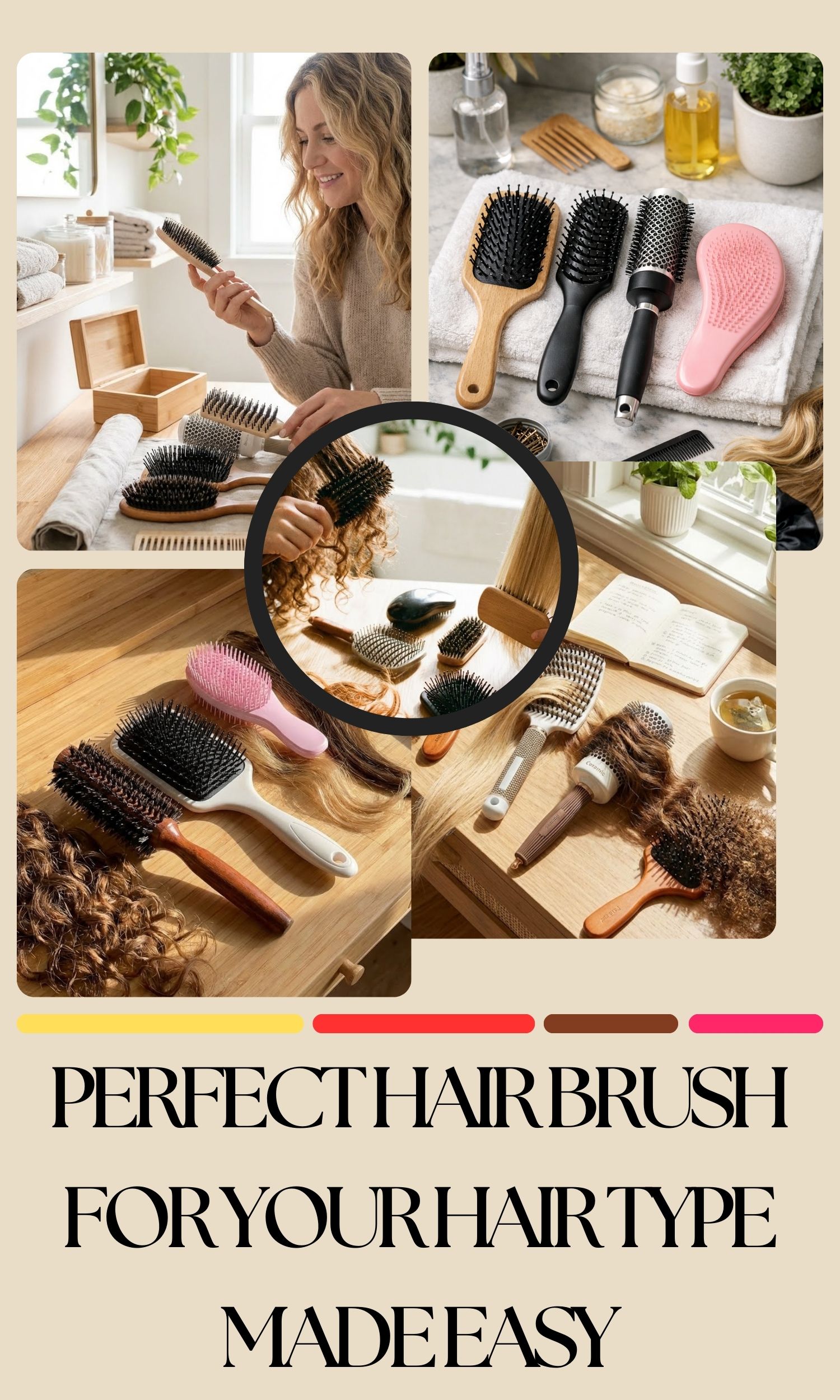
Use gentle tools that glide, not tug. Good brushes make a real difference.
Simple rules:
- Detangle slowly
- Start from the ends
- Never rip through knots
- Avoid brushing soaking wet hair
Healthy hair bends. Damaged hair snaps.
10. Staying Cool
Hot water strips moisture from hair. I switched to lukewarm rinses and saw less frizz fast.
Heat tools can also dry out strands and cause cracks. If you use them, protect your hair first.
A heat spray is like sunscreen for your strands.
11. Eating Better
Hair is made of protein. No protein means weak hair.
When I stopped skipping meals, my hair grew faster and felt thicker. Food really does show in your hair.
Add more:
- Eggs
- Fish
- Beans
- Nuts
- Chicken
Your plate feeds your strands.
12. Using Hair Oils
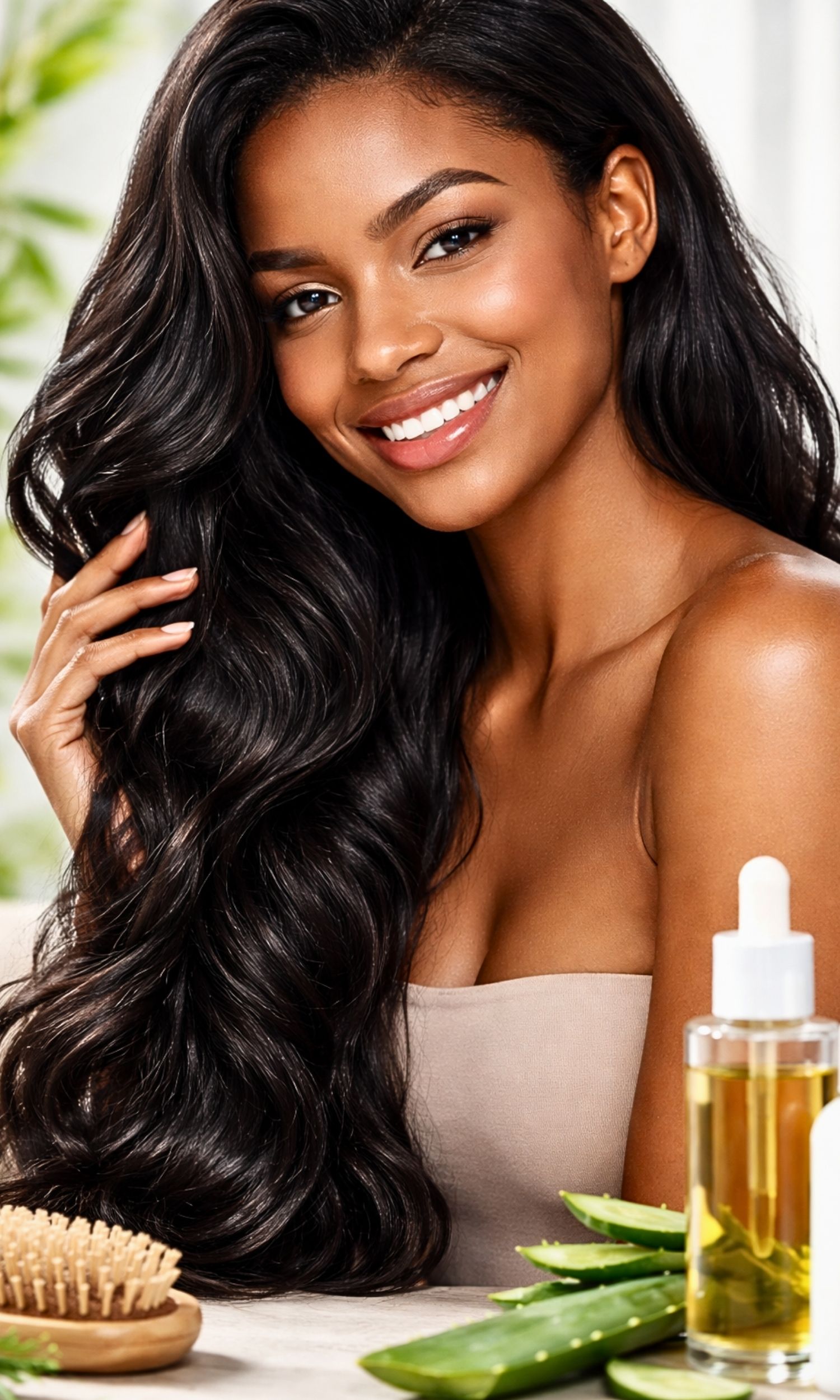
Dry hair tangles and breaks easily. Oils help seal in moisture and smooth the cuticle.
Good choices include:
- Coconut oil
- Argan oil
- Castor oil
- Olive oil
- Almond oil
These oils act like a soft coat around each strand. They reduce friction and stop protein loss.
Think of oil as armor for your hair.
13. Adding Protein
Protein treatments help rebuild weak strands. Some products work deep inside the hair structure.
One example is the K18 Leave-In Molecular Repair Hair Mask. It uses a special peptide to reconnect broken chains inside hair.
With regular use, hair feels stronger, shinier, and less prone to snapping. It’s like glue for damaged strands.
Hair breakage can feel discouraging. I’ve been there, staring at broken ends in the mirror. But small changes add up fast.
Be kind to your hair. Feed it. Protect it. Rest it. Over time, it will grow back stronger and happier—just like you.