Hair Shedding Explained: Causes and 6 Proven Fixes
1. Thinning Hair — Let’s Talk About What’s Really Going On
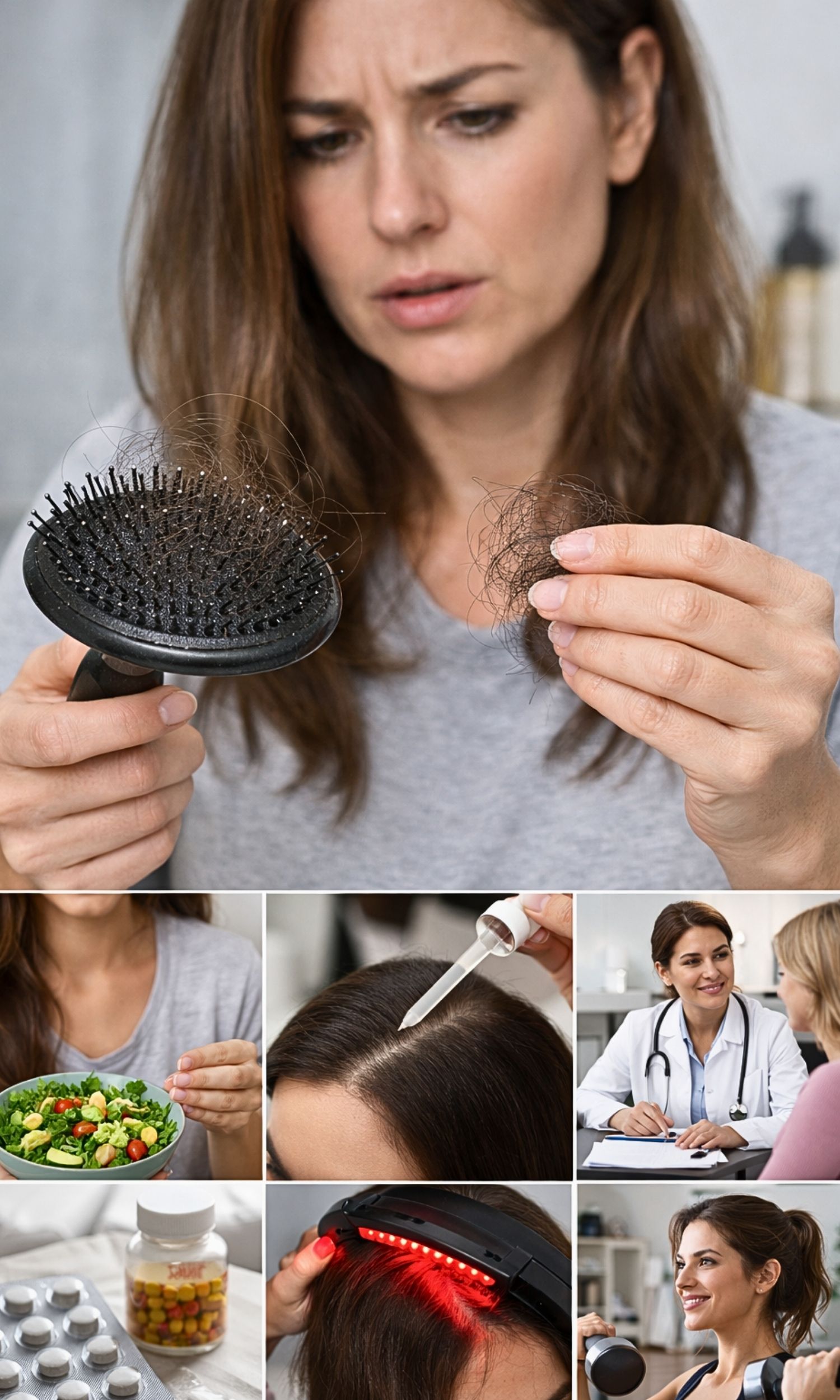
I’ll be honest — the first time I noticed extra hair in the shower drain, I panicked a little. It felt personal, like my body was sending a warning I didn’t understand yet. If you’re seeing more strands than usual, you’re not alone. Hair shedding can spike from weather shifts, stress, diet gaps, or even a small change in routine.
The good news? Not all shedding means hair loss. Let’s walk through what’s normal, what’s not, and what you can do about it — in plain, real-life terms.
2. Why Hair Sheds in the First Place
Think of your hair like a garden. New sprouts grow. Old stems fall away. The cycle keeps the garden fresh. Your scalp works the same way.
Each strand moves through four simple phases:
- growth
- slowdown
- rest
- release
That “new hair every several years” idea isn’t a myth — it’s just a simplified way to describe this cycle.
3. The Four Phases of Hair Growth (Made Simple)
1) Growth Phase (Anagen)
This is the long stretch. Hair grows and grows. For most people, this lasts 3–5 years. Some get lucky and go longer. About 90% of your hair is here right now.
2) Slowdown Phase (Catagen)
This is a short hand-off stage. Growth stops. The strand detaches from its base. It only lasts about 10 days. Very few hairs sit here at once.
3) Rest Phase (Telogen)
This is the pause. The strand stays put but no longer grows. New hair starts forming below it. This stage lasts about 3 months.
4) Shedding Phase (Exogen)
This is the exit. Old hair falls out so new hair can take its place. Washing and brushing make this more visible. It looks dramatic, but it’s often normal.
4. How Much Hair Loss Is Actually Normal?
This part surprises most people. Losing hair each day is expected. Healthy even.
Here’s a quick guide:
| Situation | Normal Range |
|---|---|
| Daily shedding | 50–150 hairs |
| Wash day | Can look like more |
| Brushing long hair | Looks heavier but isn’t |
I’ve seen people count strands and spiral into worry. Try not to do that. If your daily shed sits in that range, your scalp is likely fine.
Watch for patches, a wider part, or sudden heavy loss. That’s different. That needs attention.
5. Ways to Reduce Excess Shedding
None of these are magic tricks. But together, they help your hair stay strong and stick around longer.
5.1 Eat Like Your Hair Matters (Because It Does)
Hair is built from protein and nutrients. When diet slips, hair often shows it last. That delay makes it easy to miss the link.
Try to include:
- lean protein like eggs, fish, chicken
- healthy fats like nuts and avocado
- leafy greens
- fruit rich in vitamin C
- enough daily calories overall
I’ve seen shedding improve just from fixing meals. No fancy products needed.
5.2 Use Hair Supplements If Your Diet Has Gaps
Even careful eaters miss things. A solid hair supplement can help fill holes.
Look for:
- biotin
- zinc
- omega-3
- vitamins A to E
Think of supplements like backup singers. Helpful — but not the main voice. Food still leads.
5.3 Skip Super Tight Hairstyles
Tight ponytails and braids feel neat. But they pull at resting hairs like tugging loose threads.
Over time, that stress can force early shedding. Give your roots some slack.
Better choices:
- loose styles
- soft bands
- rotating part lines
- low tension looks
Your scalp will thank you.
5.4 Be Gentle on Wash Day
I used to scrub like I was cleaning a carpet. Big mistake. Hair hates rough handling when it’s wet.
Do this instead:
- massage, don’t scratch
- use mild shampoo
- avoid hot water
- pat dry, don’t rub
Gentle washing keeps resting hairs from being yanked out early.
5.5 Brush from the Ends Up
This tiny habit change saves a lot of breakage. Start at the tips. Work upward slowly.
Why it works:
- fewer root pulls
- less snapping
- easier detangling
- less pain too
If your brush fills fast, slow down — not harder, just softer.
5.6 Trust Your Gut — You Know Your Hair
No chart knows your hair like you do. If something feels off, it might be.
Pay attention if:
- shedding lasts over 3 months
- loss feels sudden and heavy
- stress or illness came first
- thinning shows in spots
A health pro can check your scalp and history. Sometimes the cause is simple. Sometimes it’s medical. Either way, answers help.