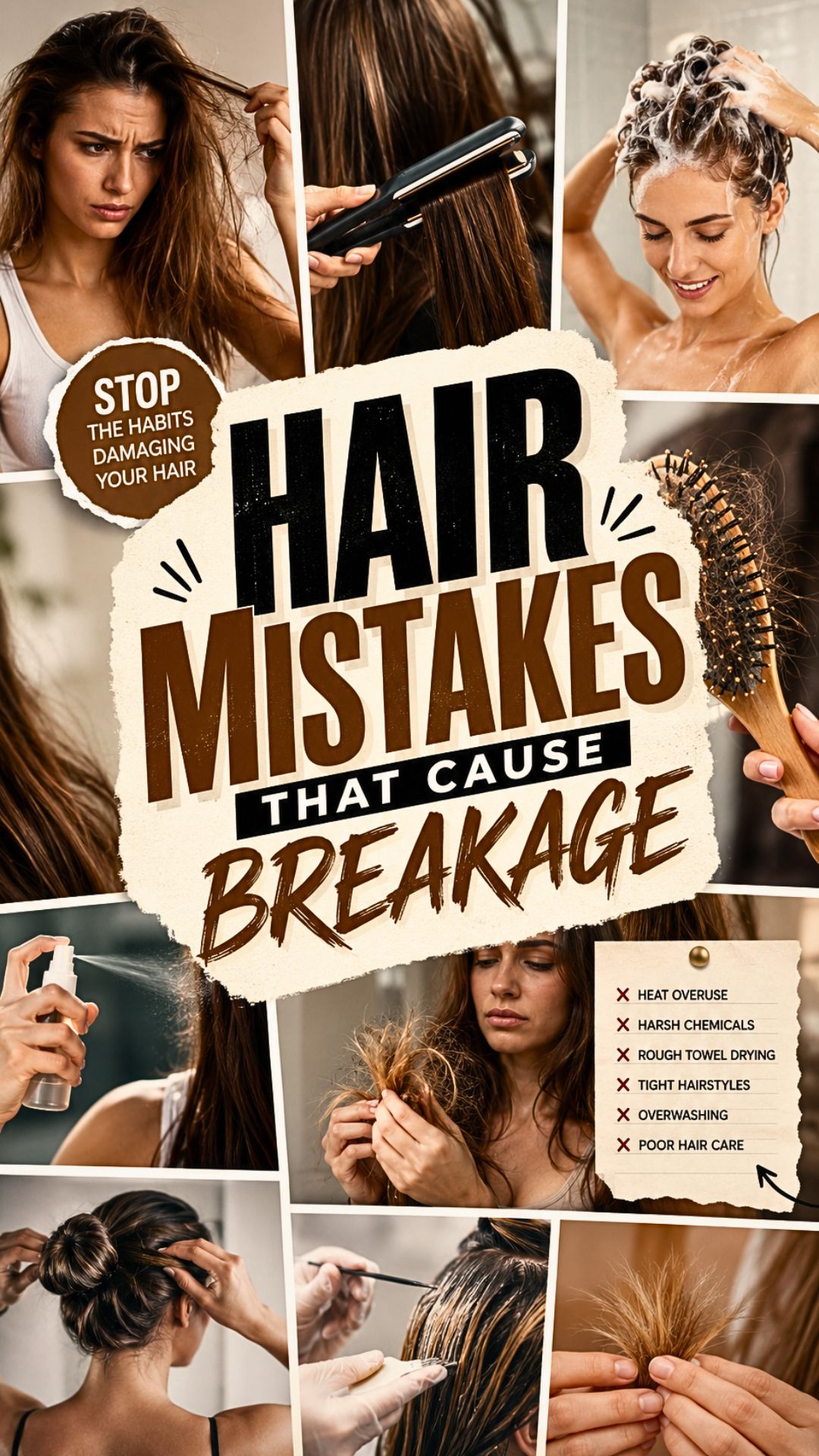
Hair Mistakes That Cause Breakage: 16 Common Habits That Secretly Damage Your Hair
Hair breakage can feel like a mystery. You buy good products, trim your ends, and try to take care of your hair, yet those short broken strands keep showing up. I remember looking in the mirror one morning and wondering why my hair would not grow past a certain length. The answer was not slow growth. The answer was breakage. My hair was growing, but it was snapping before I could enjoy the length.
The truth is that many everyday habits can weaken hair over time. Some of them seem harmless. Others are part of routines we have followed for years. Hair is a lot like a delicate fabric. Treat it gently, and it stays strong. Pull, rub, and stress it every day, and it begins to wear out. Understanding these habits can help you protect your strands and enjoy healthier hair.
Quick Signs Your Hair Is Breaking
- Short pieces sticking out throughout your hair
- Split ends that keep returning
- Hair that feels rough and dry
- Thinning around the hairline
- Hair that never seems to gain length
- Increased shedding after styling
Table: Common Hair Mistakes and Their Effects
| Hair Mistake | How It Causes Breakage | Better Alternative |
|---|---|---|
| Overwashing | Removes natural oils | Wash based on hair type |
| Heat styling daily | Weakens hair proteins | Use heat protection |
| Tight hairstyles | Creates tension on strands | Wear loose styles |
| Rough towel drying | Causes friction | Use microfiber towels |
| Skipping conditioner | Leaves hair dry | Condition every wash |
| Brushing wet hair harshly | Stretches weak strands | Use a wide-tooth comb |
| Chemical overprocessing | Damages hair structure | Space out treatments |
| Sleeping on cotton | Creates friction | Use silk pillowcases |
1. Washing Your Hair Too Often
Many people think clean hair means healthy hair. While cleanliness matters, washing too often can strip away natural oils that protect each strand. These oils act like a shield against dryness and damage. Without them, hair becomes brittle and more likely to snap.
I once washed my hair every day because I thought it looked fresher. Instead, it became dry and dull. Once I reduced my wash days, I noticed less breakage and more shine. The right washing schedule depends on your hair type, but most people do not need to shampoo daily. Giving your scalp time to produce natural oils can make a huge difference in hair strength.
2. Using Heat Styling Tools Every Day
Flat irons, curling wands, and blow dryers can create beautiful styles. The problem starts when heat becomes a daily habit. High temperatures weaken the protein structure of hair, making strands fragile over time.
Think of hair like a ribbon. If you repeatedly expose it to intense heat, it begins to lose its shape and strength. Even expensive styling tools can cause damage if used too often. Try lowering the temperature setting and using heat-free hairstyles when possible. A good heat protectant can also help reduce the stress placed on your hair.
3. Skipping Heat Protectant Products
Many people spend time styling their hair but skip one important step. Heat protectants create a barrier between your hair and hot tools. Without that barrier, heat directly affects the hair shaft.
I used to believe heat protectants were just another marketing product. After consistent use, I noticed my hair felt softer and showed fewer split ends. These products are not magic, but they help reduce damage. Applying a lightweight heat protectant before styling can preserve moisture and make hair more resilient against breakage.
4. Wearing Tight Hairstyles Every Day
High ponytails, tight buns, and slicked-back styles may look polished, but they can place constant tension on the hair. This tension weakens strands and can even affect the hairline.
Imagine bending a wire in the same spot every day. Eventually, it becomes weak and breaks. Hair reacts in a similar way. Tight hairstyles pull on the roots and create stress along the strands. Switching between different styles and choosing looser options can reduce this strain and help maintain stronger hair over time.
5. Brushing Wet Hair Too Aggressively
Wet hair is much more delicate than dry hair. When soaked with water, hair stretches easily and becomes vulnerable to breakage. Pulling a brush through tangled wet strands can cause serious damage.
Many people rush through this step after showering. I did the same thing for years. Once I switched to a wide-tooth comb and started detangling slowly from the ends upward, I noticed fewer broken hairs. Patience matters. Gentle detangling protects the hair structure and prevents unnecessary stress.
6. Drying Hair With a Rough Towel
Rubbing hair aggressively with a towel might seem harmless, but it creates friction that roughens the hair cuticle. This friction can lead to frizz, tangles, and breakage.
Traditional bath towels often have a coarse texture. Instead of rubbing, gently squeeze excess water from your hair. A microfiber towel or soft cotton T-shirt works even better. This simple change can help hair stay smoother and reduce damage after every wash.
7. Ignoring Conditioner
Conditioner does much more than make hair feel soft. It helps replenish moisture, smooth the cuticle, and strengthen strands. Skipping it regularly leaves hair vulnerable to dryness and breakage.
Hair needs balance. Shampoo cleans, but conditioner restores. Think of conditioner as a drink of water for thirsty hair. Even fine hair benefits from lightweight conditioning products. Consistent conditioning helps improve flexibility, which means strands are less likely to snap when handled.
8. Overusing Chemical Treatments
Hair coloring, bleaching, relaxing, and perming can dramatically change your look. They can also weaken the internal structure of hair if done too frequently. Chemical processes alter hair bonds, which can leave strands fragile.
The biggest issue often comes from stacking treatments too close together. Hair needs recovery time. If you enjoy coloring or chemical styling, work with a professional and space treatments appropriately. Giving hair time to recover helps reduce long-term damage and breakage.
9. Sleeping on Cotton Pillowcases
This mistake surprises many people. Cotton pillowcases can create friction as you move during sleep. Night after night, that friction can weaken strands and contribute to breakage.
A silk or satin pillowcase allows hair to glide more easily across the surface. It feels like a small change, but it can have a noticeable effect. Many people wake up with fewer tangles and less frizz after making the switch. Healthy hair care often comes from small habits repeated consistently.
10. Using the Wrong Hair Accessories
Not all hair ties are created equal. Tight elastic bands with metal parts can snag and break strands. Even decorative accessories can cause damage if they pull too hard on the hair.
Choose soft scrunchies or fabric-covered bands whenever possible. These options reduce tension and friction. Think of your hair accessories as tools. The right tool protects your hair, while the wrong one slowly causes wear and tear.
11. Neglecting Regular Trims
Many people avoid trims because they want longer hair. Ironically, avoiding trims can lead to more breakage and shorter-looking hair. Split ends travel upward when left untreated.
A trim does not stop growth, but it removes damaged ends before they worsen. I learned this lesson after months of avoiding the salon. My ends became thin and rough. Regular trims helped restore a healthier appearance and reduced future breakage.
12. Brushing Hair Too Much
Older beauty advice often suggested brushing hair hundreds of times each day. Modern hair care experts know that excessive brushing can cause unnecessary friction and stress.
Hair does not need constant brushing. Gentle detangling is enough. Overbrushing can wear down the cuticle and weaken strands. Use a quality brush and focus on removing tangles rather than repeatedly brushing throughout the day.
13. Not Protecting Hair From the Sun
Most people remember sunscreen for their skin but forget about their hair. Prolonged sun exposure can dry out strands and weaken the protective outer layer.
Hair exposed to strong sunlight often becomes rough and brittle. Wearing a hat or using products with UV protection can help. Think of sun protection as another layer of defense against environmental stress. Healthy hair benefits from protection just as healthy skin does.
14. Following Extreme Diets
Healthy hair starts from within. Restrictive diets that lack protein, vitamins, and minerals can affect hair strength. Hair relies on nutrients to build strong strands.
I have seen people focus heavily on external products while ignoring nutrition. A balanced diet rich in protein, healthy fats, and essential vitamins supports stronger hair growth. When the body lacks nutrients, hair often becomes weaker and more prone to breakage.
Nutrients That Support Strong Hair
- Protein
- Iron
- Zinc
- Vitamin D
- Biotin
- Omega-3 fatty acids
15. Using Harsh Hair Products
Some shampoos and styling products contain ingredients that can leave hair feeling dry and stripped. While not every ingredient affects everyone the same way, harsh formulas may contribute to breakage over time.
Pay attention to how your hair feels after using a product. If it feels tight, rough, or unusually dry, the formula may not be a good fit. Choosing products designed for your hair type helps maintain moisture and support stronger strands.
16. Ignoring Early Signs of Damage
One of the biggest hair mistakes that cause breakage is waiting too long to address problems. Many people notice split ends, dryness, or increased shedding but assume it will improve on its own.
Hair often gives warning signs before serious damage occurs. Paying attention to these signals allows you to adjust your routine early. A few changes today can prevent months of frustration later. Healthy hair is not about perfection. It is about listening to what your hair needs and responding with care.
Final Thoughts
Hair mistakes that cause breakage are often hidden in everyday routines. The good news is that most of them are easy to fix. Small changes, such as using a heat protectant, choosing gentler hairstyles, and conditioning regularly, can make a noticeable difference over time.
Think of your hair as a favorite piece of fabric. The more gently you treat it, the longer it stays beautiful and strong. Hair health is built through daily habits, not overnight miracles. By avoiding these common mistakes and focusing on consistent care, you can reduce breakage, protect your length, and enjoy healthier hair for years to come.