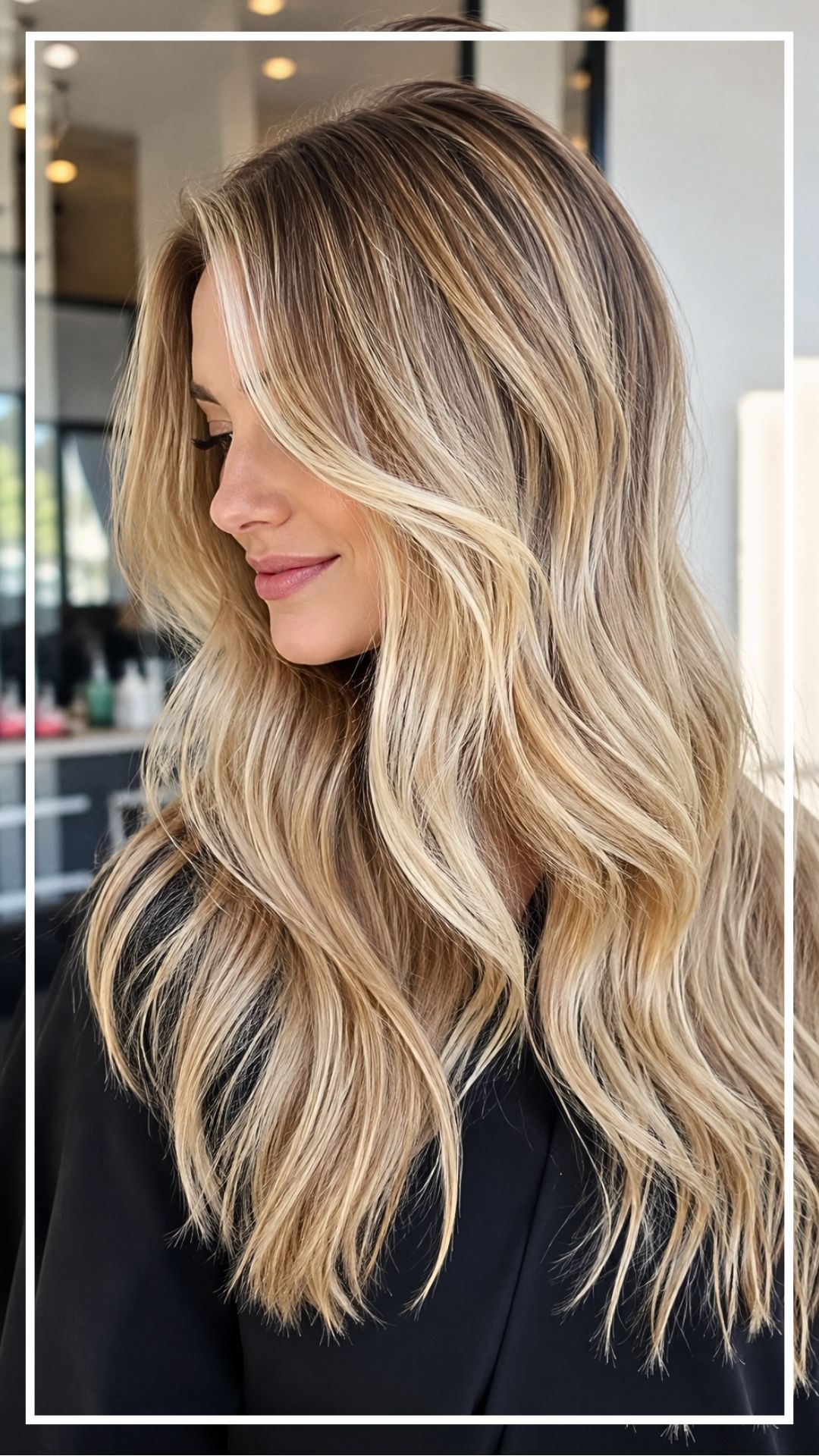
8 Hair Washing Mistakes That Damage Your Hair
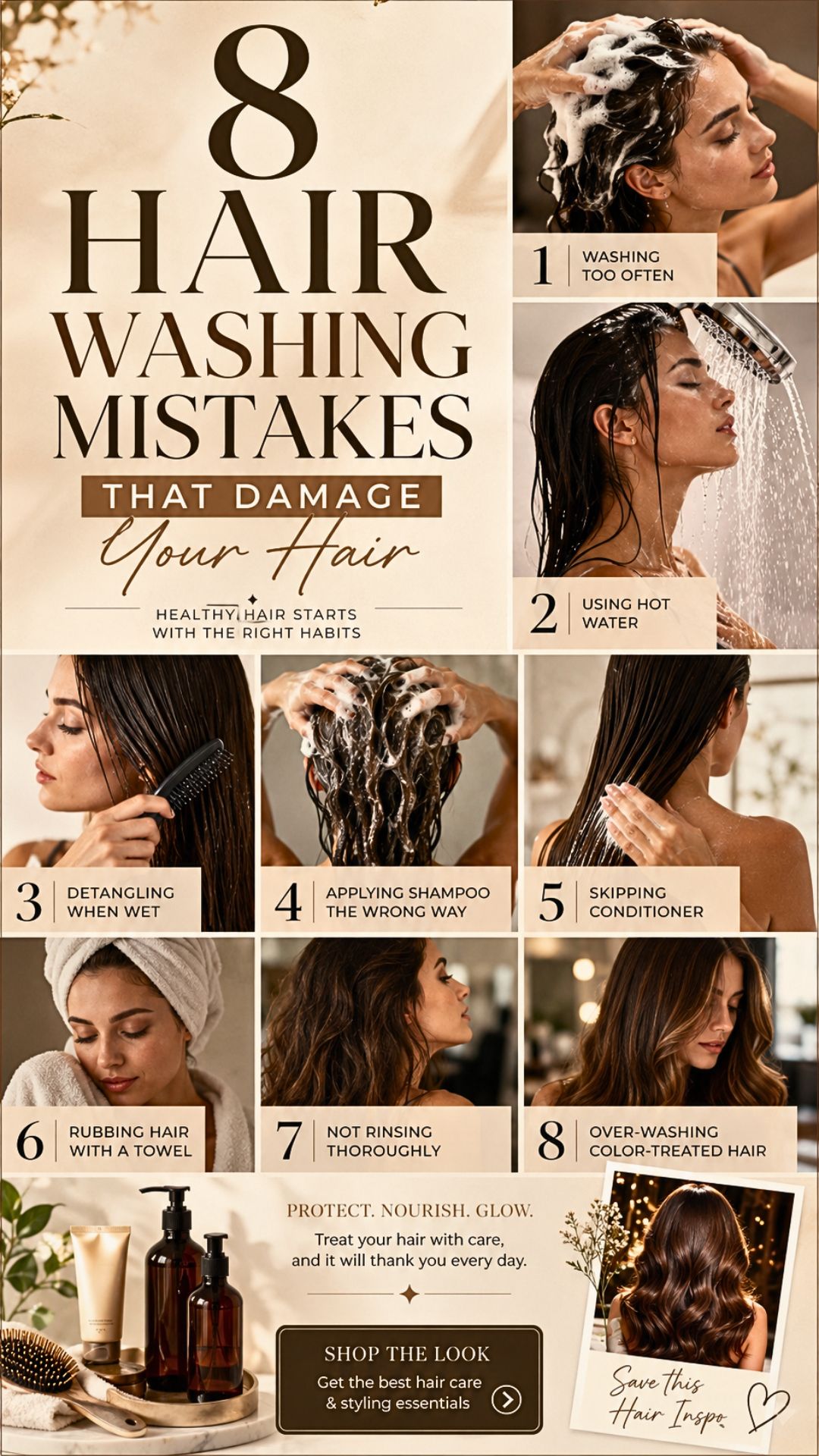
Hair care often feels simple. Wet your hair, add shampoo, rinse, and move on with your day. Yet many people unknowingly make small mistakes during wash day that slowly weaken their hair. Over time, these habits can lead to dryness, breakage, frizz, split ends, and even excess hair fall. The surprising part is that expensive products cannot always fix the damage if the washing routine itself is causing the problem.
I learned this lesson the hard way. For years, I thought buying better shampoo was the answer to every hair problem. My hair looked dull and felt rough no matter what I used. Later, I realized the issue was not the products alone. It was how I washed my hair. Small changes made a huge difference. Hair became softer, stronger, and much easier to manage.
This guide explores 8 Hair Washing Mistakes That Damage Your Hair and explains how to avoid them. If you want healthier hair without spending a fortune, these simple changes can help.
Quick Signs Your Hair Washing Routine Needs Improvement
- Hair feels dry right after washing
- Excessive frizz after drying
- More hair strands in the shower drain
- Scalp feels itchy or tight
- Split ends appear quickly
- Hair loses shine and softness
- Color-treated hair fades fast
- Hair tangles easily
Hair Washing Habits: Good vs Bad
| Bad Habit | Better Alternative |
|---|---|
| Using very hot water | Use lukewarm water |
| Washing daily without need | Wash based on hair type |
| Applying shampoo to hair lengths | Focus on the scalp |
| Scrubbing aggressively | Massage gently |
| Skipping conditioner | Use conditioner on mid-lengths and ends |
| Using too much product | Use a moderate amount |
| Rinsing too quickly | Rinse thoroughly |
| Sleeping with wet hair after washing | Dry hair before bed |
1. Washing Your Hair With Very Hot Water
Hot water feels comforting, especially after a long day. It can seem like the perfect way to relax. However, your hair often disagrees. Very hot water strips away natural oils that protect both the scalp and hair strands. Those oils work like a shield. Without them, hair becomes dry, brittle, and more prone to breakage. Many people notice increased frizz after hot showers without realizing the cause.
Think of your hair like a plant. A little water helps it thrive, but extreme heat can dry it out. The same idea applies here. When hot water repeatedly washes away moisture, hair loses its natural softness and shine. Color-treated hair can suffer even more because heat may cause color to fade faster.
A better option is lukewarm water. It cleans effectively without removing too much moisture. Finish with a cool rinse if possible. This simple habit can help the hair cuticle lie flatter, making hair appear smoother and shinier. Many people see a noticeable improvement after making this one change.
2. Washing Your Hair Too Often
Many people believe that clean hair means washing it every day. While this may work for some individuals with very oily scalps, daily washing is not ideal for everyone. Frequent shampooing can remove the natural oils that keep hair healthy and balanced. As a result, the scalp may become dry and irritated.
Ironically, over-washing can sometimes make the scalp produce even more oil. It is like your scalp trying to replace what was taken away. This can create a cycle where hair feels greasy quickly, leading to even more washing. The problem keeps repeating itself.
The best washing schedule depends on your hair type. Curly, thick, and textured hair often needs fewer washes because natural oils travel more slowly along the strands. Fine or oily hair may require more frequent washing. Learning what your hair needs is more important than following a strict rule. Listening to your scalp can be one of the smartest hair care decisions you make.
3. Using Too Much Shampoo
When hair feels dirty, it is tempting to use a large amount of shampoo. Many people assume more product equals better cleaning. In reality, using too much shampoo can create problems. Excess product may strip the hair of moisture and leave it feeling rough instead of refreshed.
Imagine washing a delicate fabric with a strong cleaner every day. Eventually, the material starts to wear out. Hair behaves in a similar way. A large amount of shampoo can be unnecessarily harsh, especially when used regularly. The result may be dryness, tangles, and dullness.
Most people only need a small amount of shampoo, roughly the size of a coin, depending on hair length and thickness. Focus on the scalp rather than coating every strand. The foam that runs down during rinsing is usually enough to clean the rest of the hair. This approach keeps the scalp fresh while helping the lengths retain moisture.
4. Scrubbing Your Scalp Too Aggressively
A common mistake is treating the scalp like a dirty floor that needs intense scrubbing. While it may feel satisfying, aggressive rubbing can cause irritation and damage. Fingernails can scratch the scalp, creating tiny injuries that may lead to discomfort and inflammation.
The scalp is skin. It deserves the same gentle care you would give your face. Harsh scrubbing can weaken hair roots over time and make the scalp more sensitive. Some people even notice increased shedding after repeatedly using excessive force while washing.
Instead, use your fingertips and gentle circular motions. Think of it as giving your scalp a relaxing massage rather than a deep cleaning attack. This technique helps remove oil and buildup while promoting healthy circulation. It feels better, causes less stress to the scalp, and supports stronger-looking hair over time.
5. Applying Shampoo to the Entire Hair Length
One of the biggest misunderstandings in hair care is thinking that every strand needs direct shampoo application. The truth is that shampoo is mainly designed to clean the scalp, where oil and product buildup collect. The hair lengths usually do not need intense cleansing.
When shampoo is spread from roots to ends every wash, the ends often suffer the most. They are the oldest part of your hair and naturally contain less moisture. Repeated exposure to cleansing agents can leave them dry and fragile. Split ends and breakage often begin here.
A better method is to concentrate shampoo on the scalp. Massage gently and allow the lather to move through the hair while rinsing. This cleans the strands without exposing them to unnecessary cleansing. Many people find their hair feels softer and less tangled after making this adjustment.
6. Skipping Conditioner After Washing
Some people avoid conditioner because they fear it will make their hair greasy. Others simply want to save time. Unfortunately, skipping conditioner can be one of the most damaging habits in a hair care routine. Shampoo cleanses, but conditioner helps restore softness and manageability.
Think of shampoo and conditioner as a team. Shampoo removes dirt and oil. Conditioner helps smooth the hair surface and reduce friction between strands. Without it, hair can become rough, tangled, and more likely to break during brushing.
The key is applying conditioner correctly. Focus on the mid-lengths and ends rather than the scalp. Leave it on for a few minutes before rinsing. This small step can make a huge difference in texture, shine, and overall hair health. Healthy hair often starts with proper moisture balance.
7. Not Rinsing Thoroughly
Hair washing does not end when the shampoo or conditioner is applied. Rinsing is just as important. Many people rush this step, leaving behind product residue on the scalp and hair. Over time, residue can build up and create several problems.
A scalp covered in leftover product may feel itchy or greasy. Hair may appear dull, heavy, and lifeless. Some people even mistake residue buildup for naturally oily hair. In reality, the problem comes from incomplete rinsing rather than excess oil production.
Take a little extra time during rinsing. Run water through the hair carefully and make sure no slippery product remains. Pay special attention to thick areas near the back of the head. Thorough rinsing helps hair feel lighter, cleaner, and more refreshed. It is a simple habit that often gets overlooked.
8. Roughly Drying Hair With a Towel
The damage does not always stop when the shower ends. One of the most common post-wash mistakes is aggressively rubbing hair with a towel. Wet hair is at its weakest state. Rough handling can stretch and break delicate strands, leading to frizz and split ends.
Many people have developed this habit without thinking about it. After all, it seems like the fastest way to remove water. However, the friction created by vigorous rubbing can roughen the hair cuticle. The result is hair that looks less smooth and more difficult to manage.
A gentler approach works much better. Instead of rubbing, softly squeeze excess water from the hair. Use a microfiber towel or a soft cotton T-shirt to blot moisture. This reduces friction and helps preserve the hair’s natural structure. Over time, this simple change can noticeably reduce breakage and frizz.
Final Thoughts
The journey to healthier hair does not always require expensive treatments or trendy products. Often, the biggest improvements come from fixing everyday habits. These 8 Hair Washing Mistakes That Damage Your Hair may seem small, but their effects add up over weeks, months, and years.
Hair is like a treasured piece of fabric. The way you handle it matters just as much as the products you use. Gentle washing, proper rinsing, balanced moisture, and careful drying all work together to protect its strength and beauty. When you treat your hair with patience and care, it usually responds in kind.
If your hair has been feeling dry, weak, or difficult to manage, try changing one or two of these habits first. Small adjustments often create the biggest transformations. Healthy hair is rarely about perfection. It is about consistency, kindness, and understanding what your hair truly needs.