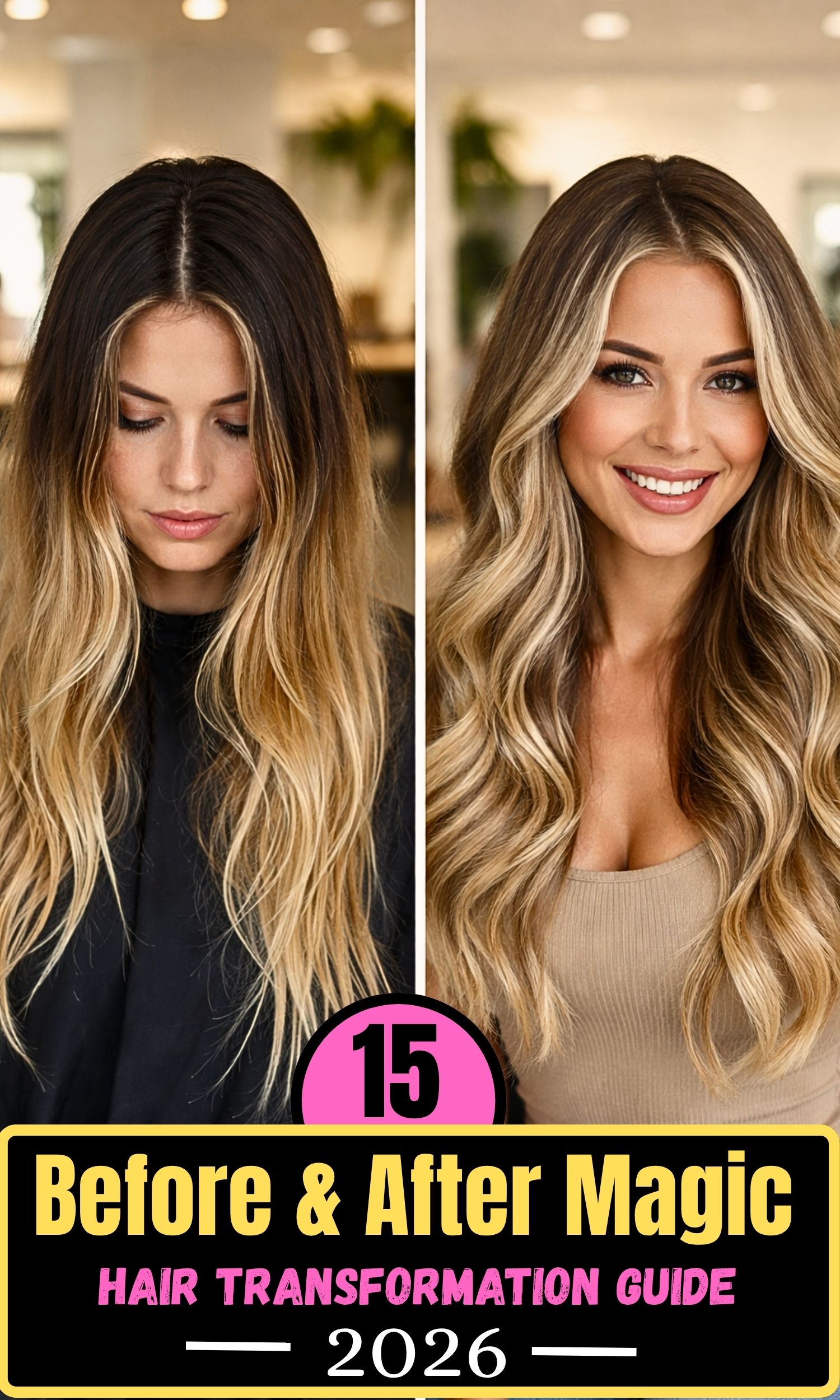
Bleached Hair SOS: The Rehydration Fix

1. Bleach in Content
image via @zenzglobal
Let me be real with you for a second. Bleaching your hair is kind of like pulling an all-nighter—you know it’s bad, but sometimes it feels worth it. I’ve been there, staring at a mirror at 2 a.m., bleach bowl in hand, convincing myself it’ll be fine.
And honestly? The freedom to change your hair on a whim is powerful. A new color can feel like a fresh start, a mood shift, or even a confidence boost. Life is short, and feeling good when you look in the mirror matters.
The good news is this: if you love bleach, you don’t have to give it up completely. With the right prep and aftercare, you can help your hair bounce back. Let’s talk about how to bring dry, bleached hair back from the edge.
2. How Bleaching Actually Damages Hair
Bleach works by opening your hair cuticle and breaking down pigment. Think of it like prying open tiny roof shingles so the color inside can be stripped away. Once those shingles lift, moisture escapes fast.
To reach dark pigment, bleach also breaks down the natural oils that protect your strands. That’s why hair feels rough and fragile after lightening. Push it too far, and the inner core of the hair gets exposed.
That’s when hair snaps, tangles, and refuses to behave. It’s not just dry—it’s thirsty and stressed. And yes, it needs serious care after that.
3. How to Spot Bleach Damage Early
Bleached hair often looks tired before it fully breaks. You might notice dullness, frizz, or ends that won’t stay smooth no matter what you do. It’s like your hair lost its glow overnight.
This happens because bleach strips away the lipid layer that helps hair hold onto moisture. Without it, hair becomes porous, soaking up water fast—and losing it just as quickly. That’s why it feels dry again five minutes after conditioning.
If your hair tangles easily, feels crunchy, or has new flyaways everywhere, those are your warning signs. Catching damage early makes a huge difference.
4. How to Prevent Bleach Damage Going Forward
Chemical overload is real. Bleach, dye, perms—stack them too close together, and hair just gives up. I learned this the hard way after “just one more touch-up.”
Spacing out chemical services helps more than any miracle product. Even small changes, like stretching appointments or choosing gentler formulas, can protect your strands.
You can also lighten smarter. Highlights or balayage put less stress on your full head and still give that bright look. Sometimes less bleach really is more.
5. Can Bleach Damage Be Repaired?
Here’s the honest truth. Once hair breaks, it can’t be fully repaired. That part hurt me to accept too.
But you can stop things from getting worse. Hydration is your best friend here. Moisturized hair bends instead of snapping, and that alone saves length.
By changing how you wash, condition, and handle your hair, you give new growth a fighting chance. Think damage control, not perfection.
6. How to Rehydrate Hair After Bleaching
image via @moniquelorenint
Rehydrating bleached hair isn’t about one product. It’s about habits. Small changes add up fast.
Below are the steps that helped my hair feel soft again—and stay that way.
7. Wash Your Hair Less Often
Freshly bleached hair is extra fragile, especially when wet. Washing too often strips away the little oil your hair has left. I used to overwash and wondered why my ends felt like straw.
Try washing every three to four days instead. On off days, dry shampoo is your secret weapon. A shower cap also helps avoid unnecessary soaking.
Less washing means more moisture stays where it belongs—inside your hair.
8. Use Gentler Shampoo
Not all shampoos are kind to bleached hair. Harsh cleansers can undo your conditioning efforts fast. If your shampoo leaves hair squeaky, it’s probably too strong.
Look for sulfate-free formulas made for dry or damaged hair. These clean without stripping. Your hair should feel calm after washing, not angry.
Reading labels really does help here.
9. Condition Like You Mean It
Bleached hair needs more moisture than before. Think of it as upgrading from a sip of water to a full glass. Lightweight conditioners usually aren’t enough anymore.
Choose rich, hydrating conditioners made for treated hair. Let them sit for a minute or two before rinsing. That pause matters more than you think.
Even changing how you apply—like combing conditioner through—can boost results.
10. Add a Hair Mask to Your Routine
A good hair mask can feel like a reset button. I swear by swapping my conditioner for a mask every other wash. It makes a visible difference.
Look for masks made for bleach damage. Leave them on long enough for hair to actually absorb moisture. Rushing defeats the point.
If you’re choosing favorites:
- Davines NouNou Mask for deep repair
- Aussie 3 Minute Miracle Moist if you’re on a budget
Both hydrate without weighing hair down.
11. Easy DIY Hydration Fixes
Sometimes the best treatments are already in your kitchen. Natural fats and proteins can seriously help dry hair.
Here are a few simple options:
- Coconut oil: Warm two tablespoons, apply to dry hair, wrap it up, and sleep on it. Wash out in the morning.
- Yogurt + olive oil: Mix one cup yogurt with one tablespoon oil. Leave on for 10 minutes for shine.
- Avocado + olive oil: Mash half an avocado with oil. Apply to ends for 30 minutes to soften splits.
Cheap, easy, and surprisingly effective.
12. Don’t Be Afraid of Oils
Oils are lifesavers for bleached hair. They smooth the cuticle and lock moisture in. I avoided them for years—big mistake.
Great options include:
- Coconut oil
- Argan oil
- Almond oil
- Castor oil
- Olive oil
They reduce friction, help detangle, and protect strands from breaking. A few drops go a long way.
13. Handle Your Hair Like It’s Fragile (Because It Is)
Wet hair is at its weakest. Skip rough towel drying and squeeze water out gently with a t-shirt or microfiber towel. Your ends will thank you.
Always detangle with conditioner in your hair. That slip prevents snagging and breakage. Slow and gentle wins here.
At night, switch to a silk pillowcase. Less friction means less breakage and better moisture retention. It’s a small change with big results.
14. Keep Your Color in Check
This isn’t about hydration, but it does affect how healthy hair looks. Brassy blonde can make hair seem dull and dry, even when it’s not.
Using a purple shampoo every other week keeps tones cool and fresh. It also adds shine, which makes hair look healthier overall.
Think of it as the finishing touch. Healthy-looking color makes all your effort worth it.