Before And After Using A Weekly Hair Mask Routine
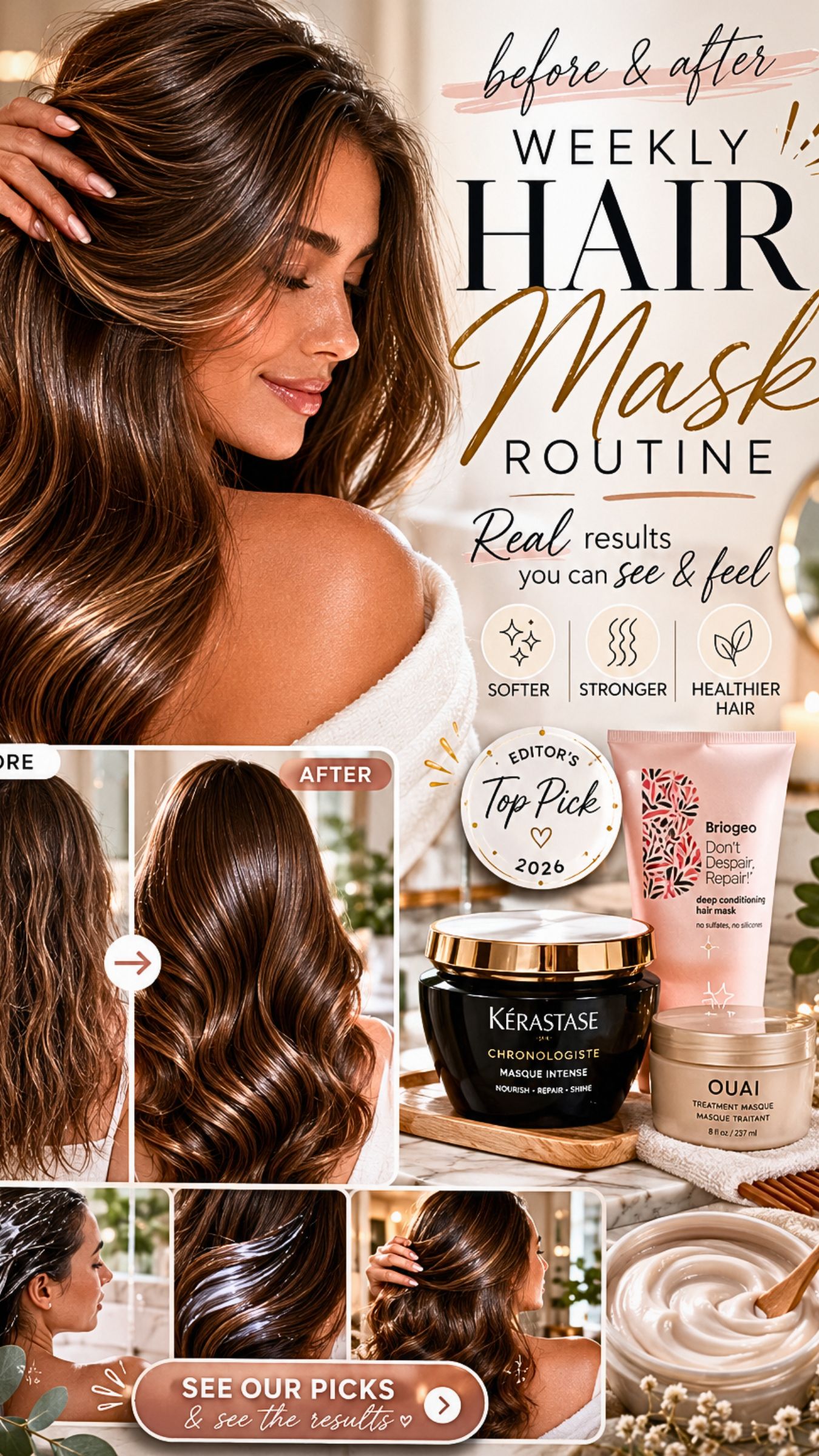
Healthy, shiny hair does not usually happen overnight. It comes from small habits that you stick with week after week. One of the easiest habits to add to your routine is using a Hair Mask once a week. Unlike regular conditioner, a hair mask gives your strands extra moisture and nourishment. It helps dry, damaged, frizzy, or color-treated hair feel softer and look healthier over time.
If you have ever wondered whether a weekly hair mask is worth the extra few minutes, the answer depends on your hair’s needs. Many people notice smoother, shinier hair after the first use, while long-term improvements become more noticeable after several weeks of consistent care. In this guide, you’ll learn what changes to expect before and after using a weekly hair mask routine, how to choose the right product, and how to get the best results at home.
Why a Weekly Hair Mask Can Transform Your Hair
Hair goes through a lot every day. Heat styling, coloring, brushing, pollution, and even sunlight slowly weaken the hair shaft. Over time, hair may become dry, rough, tangled, and more likely to break.
A weekly hair mask works by giving your hair ingredients that regular shampoo and conditioner may not provide in high amounts. These ingredients help coat the hair, reduce dryness, improve softness, and make hair easier to manage.
The key is consistency. One treatment may leave your hair feeling softer, but a weekly routine helps maintain those results and supports healthier-looking hair over time.
Before Using a Weekly Hair Mask Routine
Before adding a hair mask to your routine, your hair may show common signs of damage or dryness.
1. Hair Feels Dry and Rough
One of the biggest signs your hair needs extra care is dryness. Hair may feel rough instead of smooth when you run your fingers through it.
Dry hair often lacks natural oils because of washing too often, heat styling, or weather changes. A weekly hair mask helps replace some of the moisture your strands lose during the week.
2. Frizz Is Hard to Control
If your hair seems to puff up every time humidity rises, dryness may be part of the problem.
Hair masks help smooth the outer layer of the hair, making strands appear more polished. While no product can completely stop humidity, a moisturizing mask can reduce everyday frizz.
3. Hair Looks Dull Instead of Shiny
Healthy hair reflects light evenly. Damaged hair has a rough surface that scatters light, making it appear dull.
Adding a nourishing hair mask can improve the appearance of shine by smoothing the hair cuticle and reducing roughness.
4. Ends Split Easily
Split ends cannot truly be repaired once they form, but a hair mask can temporarily smooth and soften damaged ends.
Using a weekly treatment may also reduce future breakage by helping hair stay moisturized and flexible.
5. Hair Tangles More Often
Dry hair tends to knot easily.
If brushing feels like a struggle every morning, a rich hair mask may improve slip, making detangling easier while reducing unnecessary pulling.
After Following a Weekly Hair Mask Routine
The changes usually happen gradually. Results vary depending on your hair type, the condition of your hair, and the ingredients in the mask.
6. Hair Feels Noticeably Softer
Softness is often the first improvement people notice.
After several weekly treatments, hair usually feels smoother from roots to ends. Brushing also becomes easier because strands glide past each other instead of catching.
7. Hair Looks Shinier
A smoother cuticle reflects more light.
When your hair receives regular moisture and conditioning, it often develops a healthier shine without looking greasy. This makes your natural hair color appear richer and more vibrant.
8. Frizz Becomes Easier to Manage
Many people still experience some frizz, especially in humid weather, but weekly treatments can make hair easier to style.
You may notice fewer flyaways and smoother-looking strands after blow-drying or air-drying.
9. Hair Breaks Less During Styling
Weak hair snaps easily while brushing or styling.
A weekly hair mask helps improve flexibility by keeping strands hydrated. This means your hair is less likely to break from everyday handling.
Remember that reducing breakage also depends on gentle brushing, avoiding excessive heat, and getting regular trims.
10. Styling Takes Less Time
When hair feels healthier, it usually becomes easier to manage.
You may spend less time fighting tangles, smoothing frizz, or trying to add shine with multiple styling products.
A good hair mask simplifies your routine because your hair naturally behaves better.
Choosing the Right Hair Mask for Your Hair Type
Not every hair mask works the same way. Choosing one that matches your hair type helps you get better results.
| Hair Type | Best Hair Mask Ingredients | Benefits |
|---|---|---|
| Dry Hair | Shea butter, argan oil, avocado oil | Deep moisture and softness |
| Fine Hair | Lightweight proteins, panthenol | Hydration without heaviness |
| Curly Hair | Coconut oil, glycerin, aloe vera | Curl definition and moisture |
| Color-Treated Hair | Keratin, amino acids, ceramides | Helps maintain softness and reduces dryness |
| Damaged Hair | Bond-building ingredients and proteins | Improves the appearance of weakened strands |
Recommended Hair Care Products for Better Results
Pairing your weekly hair mask with the right tools can improve your overall routine without making it complicated.
Consider adding:
- A sulfate-free shampoo for gentle cleansing.
- A wide-tooth comb to reduce breakage.
- A microfiber towel to minimize friction.
- A satin pillowcase to reduce overnight tangles.
- A nourishing leave-in conditioner for extra moisture between wash days.
These products work alongside your hair mask instead of replacing it. If you’re building a simple hair care routine, they’re worth considering.
Soft Affiliate Tip: Check the recommended styling tools and nourishing hair masks that match your hair type before starting your weekly routine. Choosing the right products makes it easier to see lasting results.
11. How to Apply a Hair Mask Correctly
Using a Hair Mask the right way can make a noticeable difference in how your hair feels after each treatment. Start by washing your hair with a gentle shampoo to remove dirt, oil, and product buildup. Gently squeeze out extra water so your hair is damp instead of dripping wet. Apply the mask from the middle of your hair to the ends, where damage is usually the greatest. If your scalp is dry, you can apply a small amount near the roots, but avoid using too much if your hair becomes oily easily. Leave the mask on for the time suggested on the label before rinsing thoroughly with lukewarm water.
12. How Often Should You Use a Hair Mask?
Most people get great results by using a hair mask once a week. This schedule provides enough moisture without making hair feel heavy. If your hair is very dry, chemically treated, or frequently exposed to heat styling, you may benefit from using a mask twice a week. On the other hand, if you have very fine or oily hair, once every seven to ten days may be enough. Pay attention to how your hair feels and adjust your routine based on its needs rather than following a strict rule.
13. Ingredients That Make a Difference
Reading the ingredient list can help you choose a better product. Moisturizing ingredients like shea butter, argan oil, coconut oil, aloe vera, and glycerin help soften dry hair. Proteins such as keratin or hydrolyzed wheat protein can temporarily strengthen weak strands. Ceramides help smooth the outer layer of the hair, making it look shinier and easier to manage. Choosing a hair mask with ingredients that match your hair concerns often gives better results than simply buying the most expensive product.
14. Common Mistakes to Avoid
Many people expect instant results from one treatment, but healthy-looking hair comes from consistency. Avoid using too much product because it can weigh hair down. Don’t skip shampooing before applying a mask, as buildup can prevent ingredients from working well. Leaving the mask on much longer than directed usually won’t provide extra benefits. Finally, remember that hair masks improve the appearance and feel of hair, but they cannot permanently repair split ends or severe damage. Regular trims are still important.
15. Small Habits That Help Your Hair Mask Work Better
A weekly hair mask works even better when combined with healthy hair care habits. Use lower heat settings on styling tools whenever possible, and always apply a heat protectant before blow-drying or curling your hair. Brush gently, especially when your hair is wet, and avoid tight hairstyles that pull on your strands. Drinking enough water and eating a balanced diet also support healthy hair growth from within. These simple habits, together with a consistent Hair Mask routine, can help your hair look softer, shinier, and easier to manage over time.