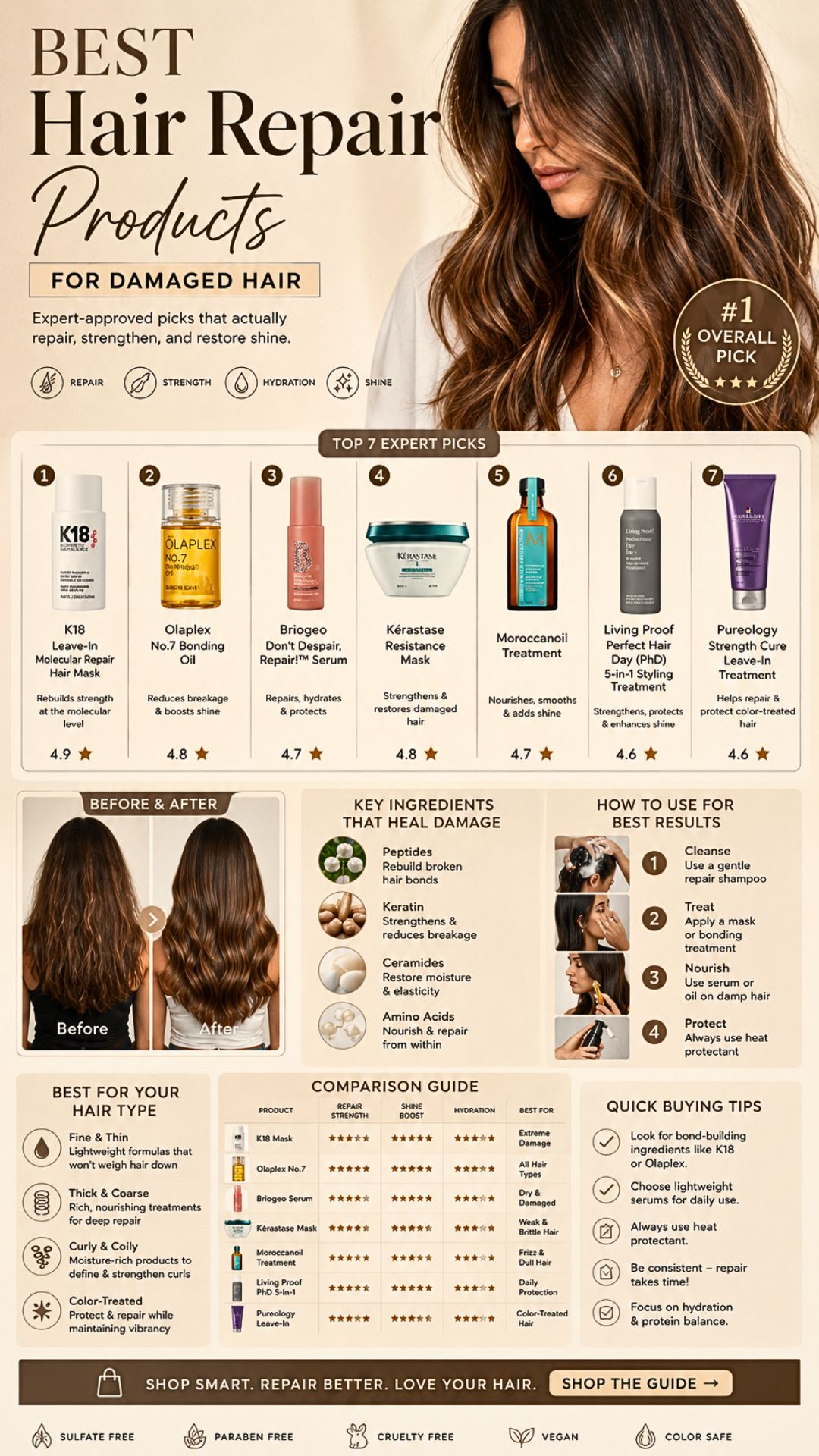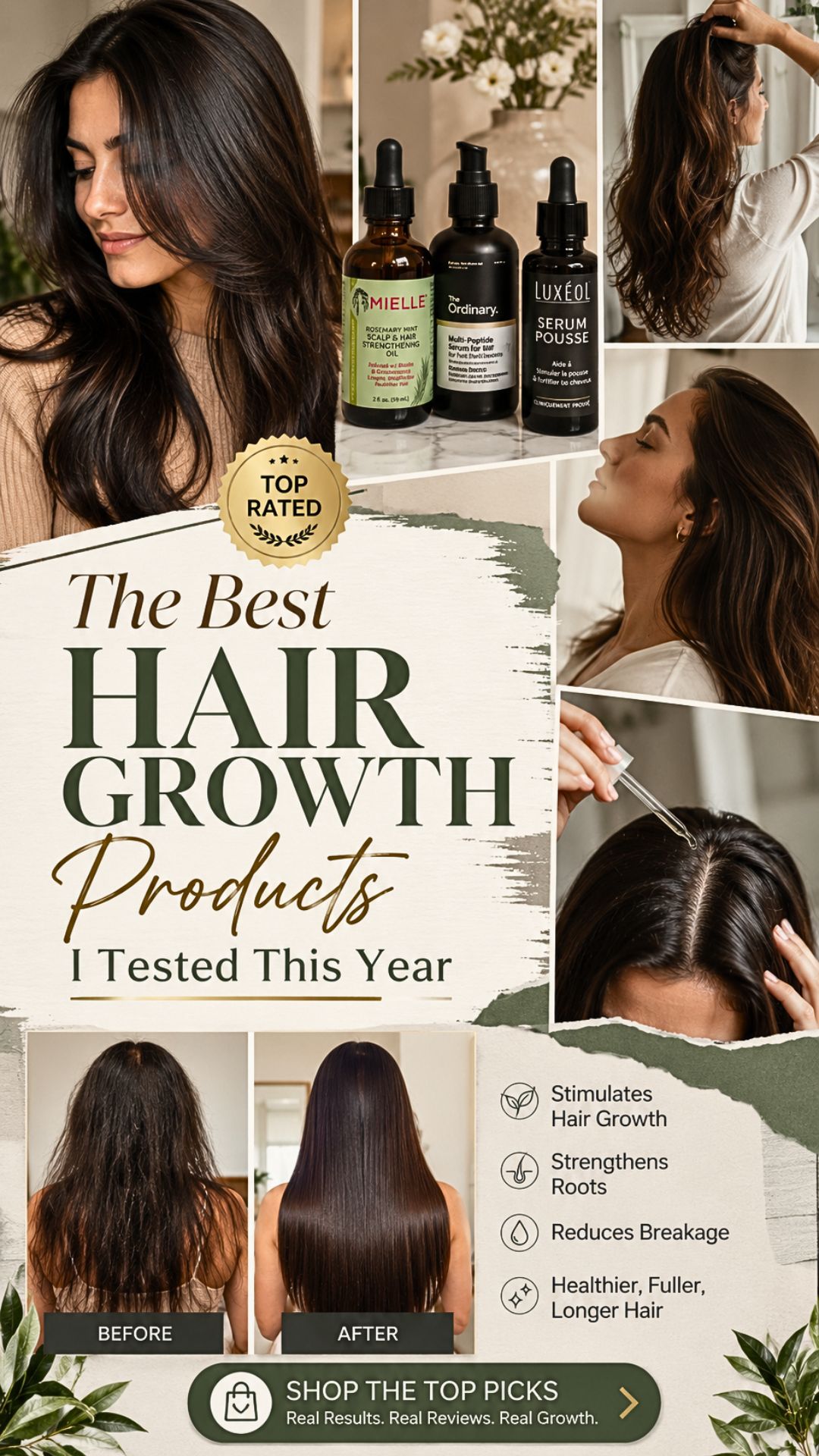
The Ultimate Hair Growth Routine For Stronger Healthier Hair
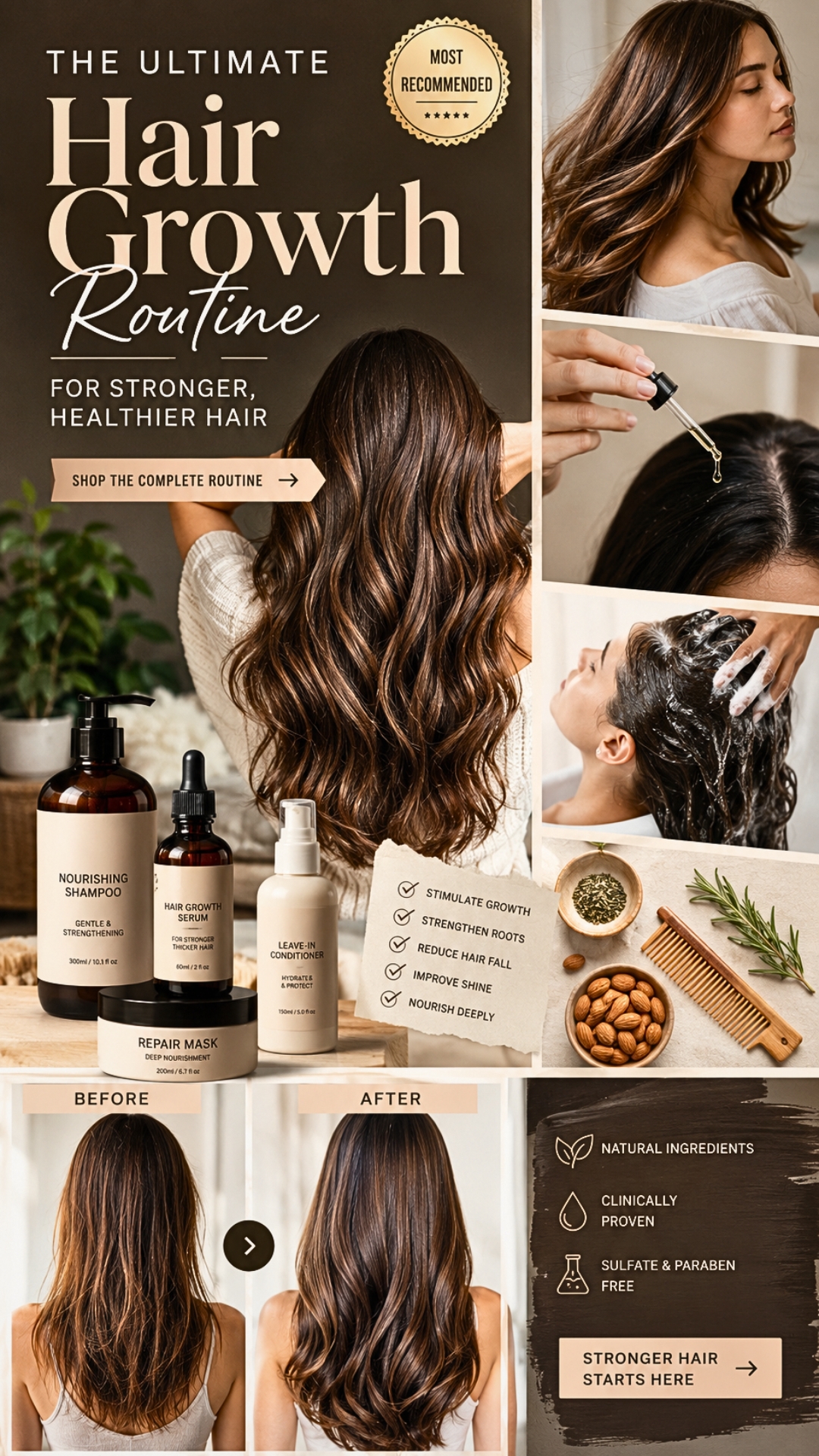
Growing longer, thicker hair is rarely about one miracle product. Healthy hair comes from good habits, proper nutrition, gentle care, and consistency. If you’ve been trying different shampoos or oils without seeing much change, it may be time to focus on your complete routine instead of a single solution.
In this guide, you’ll learn The Ultimate Hair Growth Routine For Stronger Healthier Hair with practical steps that fit into everyday life. Whether your hair is fine, thick, curly, straight, color-treated, or natural, these tips can help create the best environment for healthier hair growth over time.
Why Your Hair Growth Routine Matters
Hair naturally grows in cycles. While you cannot dramatically speed up this process, you can reduce breakage, improve scalp health, and help your hair reach its full growth potential.
A healthy routine focuses on:
- Keeping the scalp clean
- Protecting hair from damage
- Reducing breakage
- Supporting healthy follicles
- Nourishing hair from the inside out
When these habits work together, your hair often looks fuller, shinier, and stronger.
Understanding Healthy Hair Growth
Hair grows from follicles beneath your scalp. Each strand passes through three main phases:
| Growth Phase | What Happens | Average Length |
|---|---|---|
| Anagen | Active growth stage | 2–7 years |
| Catagen | Transition stage | Around 2 weeks |
| Telogen | Resting and shedding stage | Around 3 months |
It is normal to lose around 50 to 100 hairs each day. New hairs usually replace the ones that shed naturally.
The goal is not to stop shedding completely. Instead, aim to reduce unnecessary breakage and keep new growth healthy.
The Ultimate Hair Growth Routine For Stronger Healthier Hair Step by Step
Following the same healthy habits every week often gives better results than constantly changing products.
Step 1: Start With a Healthy Scalp
Think of your scalp as the soil for a garden. Healthy roots need a clean environment.
Wash your scalp often enough to remove:
- Dirt
- Sweat
- Oil buildup
- Dry skin
- Styling product residue
Choose a shampoo that matches your scalp type rather than your hair length.
For example:
- Oily scalp: Clarifying shampoo once a week
- Dry scalp: Moisturizing shampoo
- Sensitive scalp: Fragrance-free formulas
A clean scalp creates better conditions for healthy-looking hair.
Step 2: Massage Your Scalp
Scalp massage is one of the easiest habits to add.
Using your fingertips, gently massage your scalp for five minutes every day.
Benefits may include:
- Better circulation
- Relaxation
- Even distribution of natural oils
- Less product buildup when washing
You can also use a silicone scalp massager during shampooing.
Step 3: Use Conditioner Every Wash Day
Many people skip conditioner because they worry it will make hair flat.
In reality, conditioner helps smooth the hair cuticle and reduces breakage.
Apply conditioner from mid-length to the ends.
Leave it on for two to five minutes before rinsing.
Healthy ends help your hair appear longer because fewer strands break off.
Step 4: Add a Weekly Hair Mask
Hair masks provide deeper moisture than everyday conditioners.
Using one once each week helps improve softness and manageability.
Look for ingredients such as:
- Shea butter
- Argan oil
- Coconut oil
- Keratin
- Ceramides
- Panthenol
If your hair feels dry after coloring or heat styling, this step can make a noticeable difference.
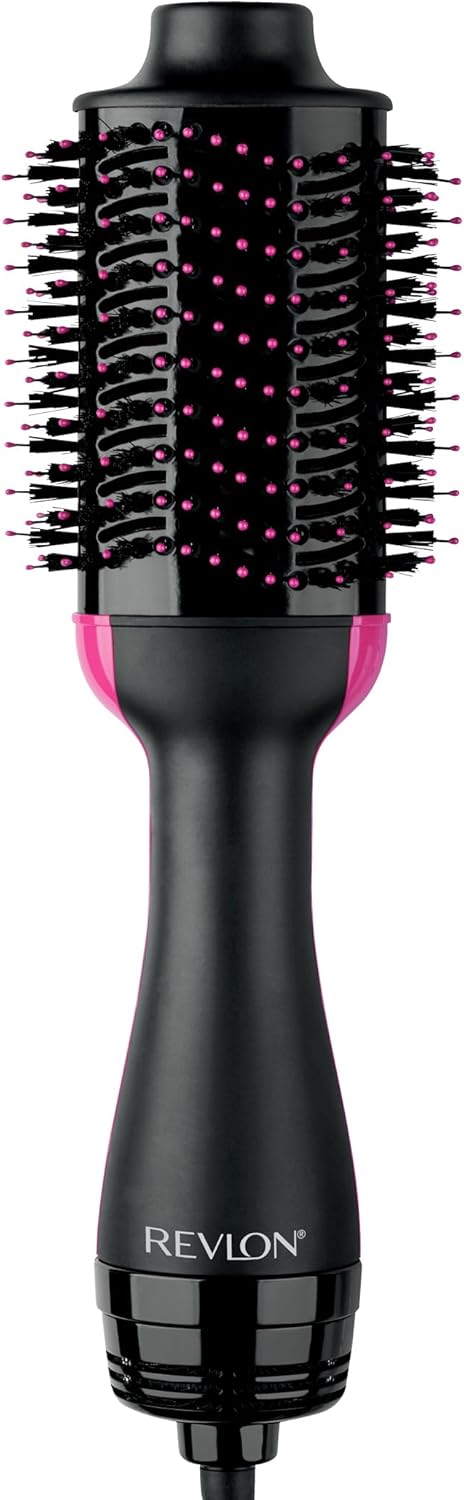
Step 5: Protect Hair Before Heat Styling
Heat styling is one of the biggest causes of hair damage.
Before using:
- Blow dryers
- Curling irons
- Flat irons
- Hot brushes
Always apply a heat protectant.
This simple habit helps reduce moisture loss and keeps strands stronger over time.
Feed Your Hair From the Inside
Healthy hair starts with a balanced diet.
Your body prioritizes essential organs before hair growth. If your nutrition is poor, your hair may become thinner or weaker.
Focus on foods rich in:
- Protein
- Iron
- Zinc
- Omega-3 fatty acids
- Vitamin D
- Biotin-rich foods
- Vitamin C
Great choices include:
- Eggs
- Fish
- Greek yogurt
- Beans
- Lentils
- Spinach
- Berries
- Nuts
- Seeds
- Avocados
Drinking enough water also supports overall hair health.
Choose Hair Products That Match Your Hair Type
Not every product works for everyone.
Here is a simple guide.
| Hair Type | Best Products |
|---|---|
| Fine Hair | Lightweight volumizing shampoo and conditioner |
| Thick Hair | Rich moisturizing products |
| Curly Hair | Sulfate-free cleansers and leave-in conditioner |
| Dry Hair | Hydrating masks and nourishing oils |
| Color-Treated Hair | Color-safe shampoo and UV protection |
| Oily Hair | Gentle balancing shampoo |
Using products designed for your hair type often produces better results than following trends.
Daily Habits That Help Hair Stay Strong
Small habits make a big difference.
Try to:
- Sleep on a silk pillowcase
- Use a microfiber towel
- Detangle gently
- Wear loose hairstyles
- Protect hair from strong sunlight
- Avoid tight ponytails every day
- Trim split ends regularly
- Drink enough water
These simple changes help reduce everyday damage.
Hair Oils Worth Trying
Hair oils do not make hair grow overnight, but they can reduce dryness and protect strands.
Popular options include:
Rosemary Oil
Many people use diluted rosemary oil as part of their scalp care routine.
Argan Oil
Great for adding shine and reducing frizz.
Jojoba Oil
Works well for dry scalps because it closely resembles natural scalp oils.
Coconut Oil
Helps reduce protein loss before washing for many hair types.
Always patch test new oils before regular use.
Product and Tool Recommendations
Choosing quality products can simplify your routine without filling your bathroom cabinet.
Consider adding:
- Gentle sulfate-free shampoo
- Lightweight conditioner
- Weekly deep conditioning mask
- Leave-in conditioner
- Heat protectant spray
- Wide-tooth comb
- Silk pillowcase
- Microfiber towel
- Silicone scalp massager
- Hair oil for dry ends
You don’t need everything at once. Build your routine gradually.
If you’re shopping online, check the recommended styling tools and compare customer reviews before buying. The right products should suit your hair type rather than simply being the most expensive option.
Weekly Hair Growth Routine Example
Here’s an easy routine many beginners can follow.
| Day | Routine |
|---|---|
| Monday | Shampoo, conditioner, scalp massage |
| Tuesday | Leave-in conditioner and gentle brushing |
| Wednesday | Scalp massage and protective hairstyle |
| Thursday | Hair mask and conditioner |
| Friday | Lightweight hair oil on ends |
| Saturday | Heat-free styling day |
| Sunday | Clarifying wash if needed and scalp massage |
Consistency matters more than perfection.
Signs Your Hair Routine Is Working
Healthy progress often appears gradually.
You may notice:
- Less breakage
- Softer texture
- More shine
- Easier detangling
- Reduced frizz
- Fuller-looking hair
- Healthier ends
- Better scalp comfort
Taking monthly photos can help you track small improvements.
Common Hair Growth Mistakes to Avoid
Many people unknowingly slow their progress by making everyday mistakes.
Avoid these habits:
- Washing with very hot water
- Using too much heat
- Skipping conditioner
- Brushing wet hair aggressively
- Tight hairstyles every day
- Sleeping with wet hair
- Constantly changing products
- Ignoring scalp health
- Using harsh chemical treatments too often
- Expecting instant results
Healthy hair usually improves through steady care over several months.
Simple Morning Hair Routine
A quick morning routine keeps hair looking fresh without causing damage.
- Gently brush from the ends upward.
- Smooth flyaways with a small amount of hair oil.
- Avoid unnecessary heat.
- Wear loose hairstyles when possible.
- Protect hair if spending long hours outdoors.
These steps take only a few minutes.
Evening Hair Routine for Healthier Hair
Nighttime care helps prevent breakage while you sleep.
Try this routine:
- Brush gently before bed.
- Apply a small amount of leave-in conditioner if needed.
- Braid long hair loosely.
- Sleep on a silk pillowcase.
- Keep hair dry before sleeping.
This reduces friction and tangles overnight.
Patience Is Part of the Process
Hair growth is gradual.
Many healthy hair routines begin showing visible improvements after several months of consistent care.
Instead of looking for quick fixes, focus on building habits you can maintain long term.
Remember that stress, illness, hormones, genetics, and nutrition all play a role in how your hair grows.
Quick Checklist for Healthier Hair
Keep these habits in mind every week:
- ✔ Clean your scalp regularly
- ✔ Condition after every wash
- ✔ Use a weekly hair mask
- ✔ Massage your scalp
- ✔ Eat enough protein
- ✔ Drink plenty of water
- ✔ Protect hair from heat
- ✔ Sleep on silk
- ✔ Trim damaged ends
- ✔ Stay consistent
Conclusion
Healthy, beautiful hair doesn’t happen overnight. It grows from small, consistent habits that protect your strands and support your scalp. By following The Ultimate Hair Growth Routine For Stronger Healthier Hair, you can reduce breakage, improve shine, and help your hair look stronger over time.
Start with the basics, choose products that match your hair type, and give your routine time to work. If you’re ready to upgrade your hair care routine, shop the look by exploring gentle shampoos, nourishing hair masks, heat protectants, scalp massagers, and silk pillowcases that fit your needs. A few well-chosen tools can make daily hair care easier while helping you maintain healthier, stronger hair for the long run.