Before And After Repairing Split Ends Without A Haircut: A Complete Guide to Healthier Hair

Split ends can make even the healthiest hair look dry, rough, and damaged. Many people think the only fix is cutting their hair, but that is not always the first step. While trimming is the only way to completely remove split ends, Repairing Split Ends with the right hair care routine can make them look smoother, reduce further damage, and help your hair appear healthier between trims.
If you want longer hair but hate losing length at the salon, this guide will show you how to improve the look of split ends without reaching for the scissors. You’ll also discover the best products, simple habits, and easy styling tips that can make a noticeable before-and-after difference.
Why Split Ends Happen
Hair naturally wears down over time. The protective outer layer becomes weak, causing the ends to split into two or more strands.
Common causes include:
- Frequent heat styling
- Hair coloring or bleaching
- Overwashing
- Rough towel drying
- Tight hairstyles
- Sun exposure
- Chlorine and salt water
- Skipping regular conditioning
The more damaged your hair becomes, the farther the split can travel up the hair shaft.
Can You Really Repair Split Ends Without Cutting Them?
This is one of the biggest hair care questions online.
The honest answer is no—you cannot permanently fuse split ends back together. Once a strand has split, it cannot fully heal.
However, you can:
- Smooth the damaged ends
- Reduce frizz
- Seal the appearance temporarily
- Prevent new splits
- Make hair look shinier
- Extend the time between trims
That is why many people notice impressive before-and-after results after changing their hair care routine.
Before And After Repairing Split Ends: What Changes Can You Expect?
The biggest difference is how your hair looks and feels.
| Before | After Following a Healthy Hair Routine |
|---|---|
| Dry ends | Softer ends |
| Frizzy appearance | Smoother finish |
| Hair tangles easily | Easier brushing |
| Dull shine | Healthy-looking shine |
| Rough texture | Silky feel |
| Breakage while brushing | Less breakage |
| Ends look thin | Fuller-looking ends |
Remember that these improvements come from protecting and coating the hair—not permanently repairing broken strands.
Signs Your Hair Needs Extra Care
Your hair may be developing split ends if you notice:
- White dots on the ends
- Hair snapping while brushing
- Constant tangles
- Frizzy ends
- Uneven texture
- Dry feeling even after conditioning
- Hair that refuses to stay smooth
The earlier you start caring for damaged ends, the easier it becomes to prevent more splitting.
The Best Routine for Repairing Split Ends
Consistency matters much more than expensive products. A simple routine followed every week often delivers the best results.
Step 1: Wash Less Often
Daily washing can remove natural oils that protect the hair.
Instead:
- Wash 2–3 times each week
- Use lukewarm water
- Finish with cool water to smooth the cuticle
Step 2: Choose a Moisturizing Shampoo
Avoid shampoos that leave your hair squeaky clean.
Look for ingredients like:
- Argan oil
- Coconut oil
- Shea butter
- Keratin
- Silk proteins
- Glycerin
These ingredients help keep the hair soft instead of stripping away moisture.
Step 3: Never Skip Conditioner
Conditioner protects the outer layer of the hair.
Apply it mainly to:
- Mid-length hair
- Hair ends
Leave it on for several minutes before rinsing.
Step 4: Use a Weekly Hair Mask
Hair masks deliver deeper moisture than everyday conditioners.
Try one every week if your hair is:
- Color treated
- Bleached
- Naturally curly
- Frequently heat styled
Your hair should feel softer after just a few treatments.
Step 5: Finish with a Split End Serum
This is where the biggest visual improvement often happens.
Split end serums temporarily coat damaged strands, making them appear smoother and shinier.
Benefits include:
- Less frizz
- Easier styling
- Reduced tangles
- Shinier hair
- Better-looking ends
The effect lasts until your next wash.
Product Recommendations That Help Improve Split Ends
You do not need dozens of products. A few quality essentials usually work better than a crowded shelf.
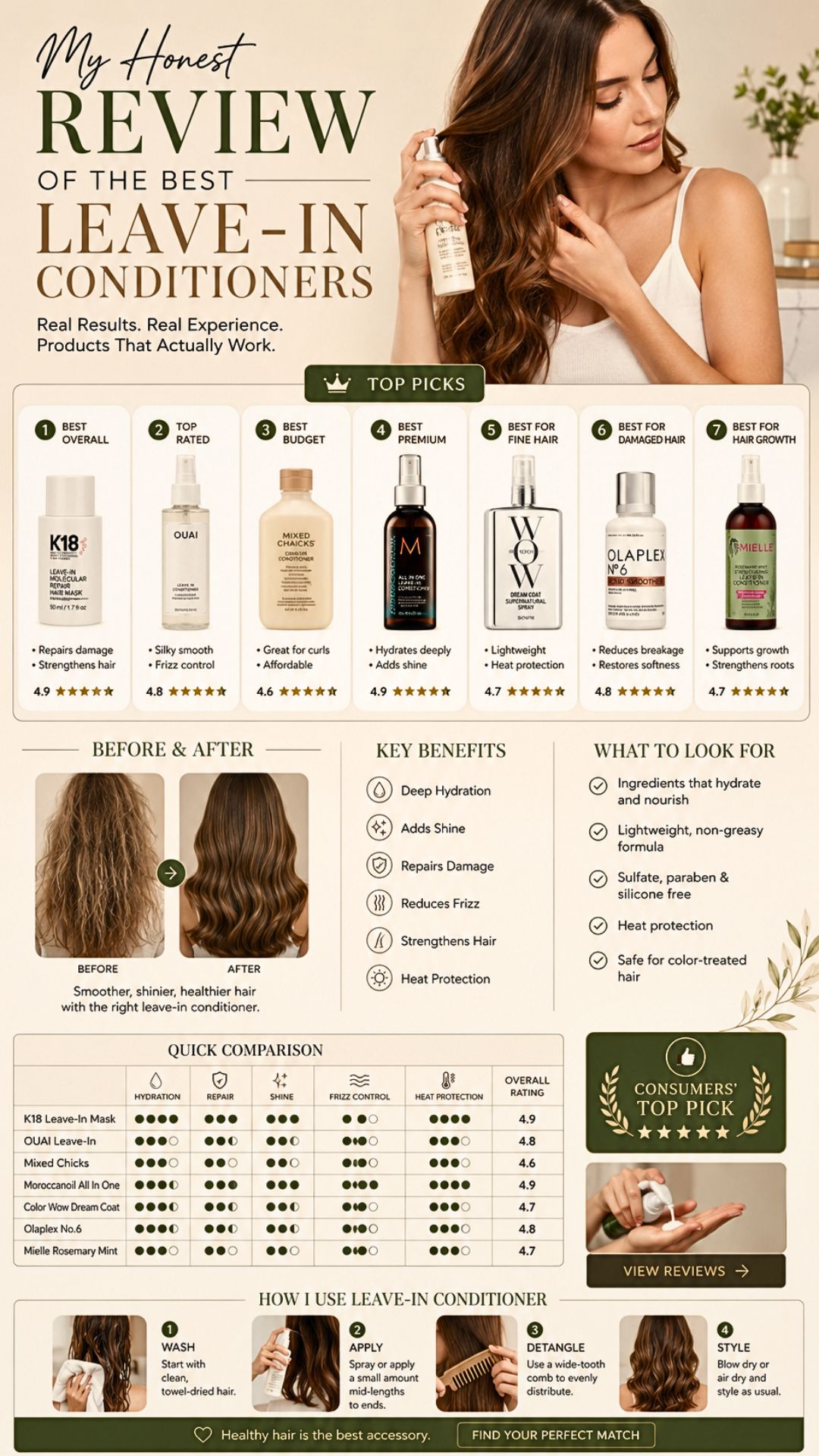
Leave-In Conditioner
Perfect for adding daily moisture without weighing hair down.
Best for:
- Dry hair
- Thick hair
- Curly hair
- Color-treated hair
Soft CTA:
Try this product for easier styling if your ends feel rough every morning.
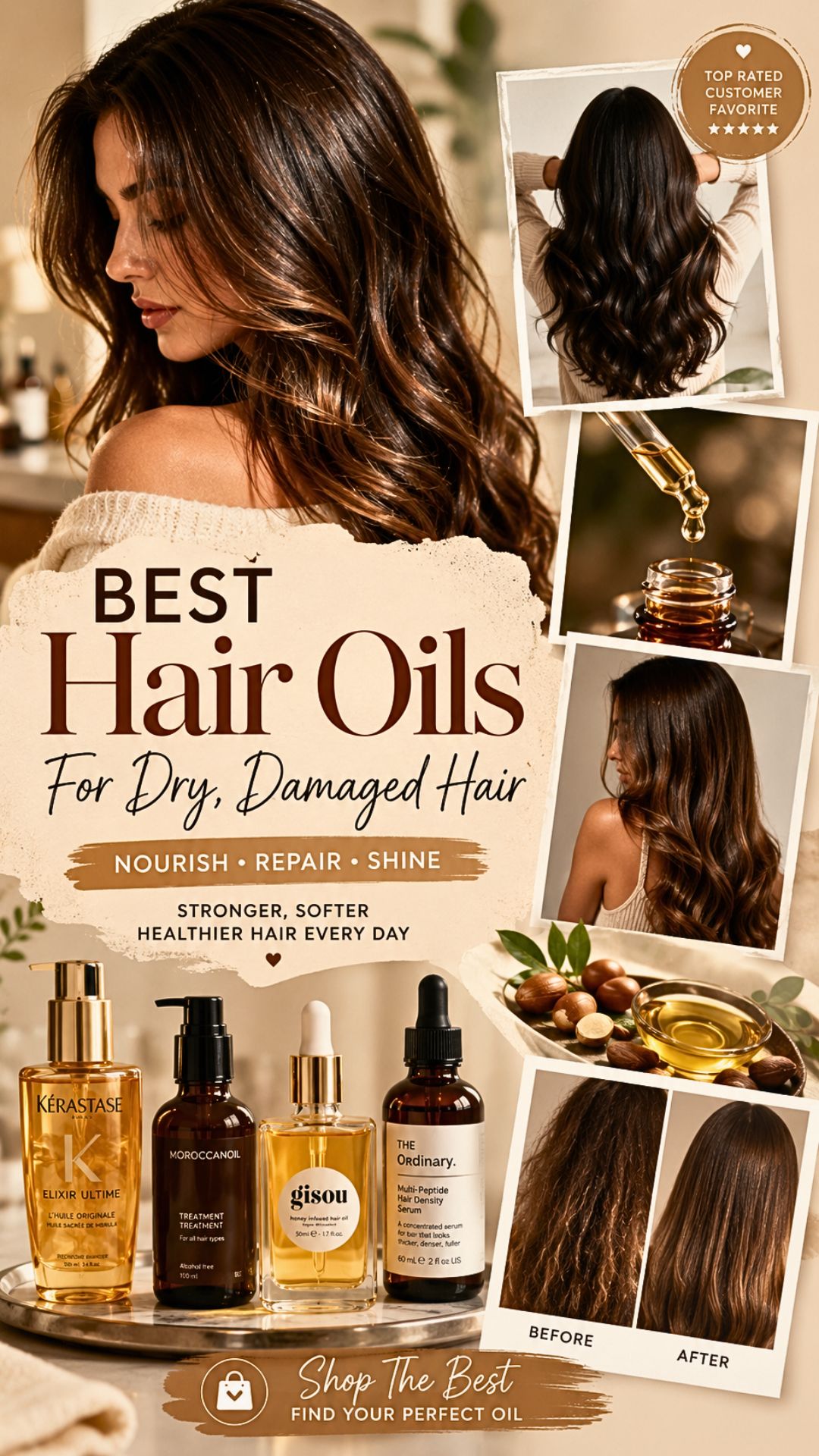
Hair Oil
Hair oils lock in moisture and reduce friction.
Popular choices include:
- Argan oil
- Jojoba oil
- Marula oil
- Camellia oil
Use only a few drops on the ends.
Heat Protectant Spray
If you use a blow dryer, curling iron, or straightener, this product should become part of your routine.
It helps reduce heat damage while making styling smoother.
See the best tools for this look by pairing a quality protectant with a ceramic styling tool.
Silk Pillowcase
While not a hair product, it makes a noticeable difference.
A silk pillowcase creates less friction overnight, helping reduce tangles and breakage.
Many people notice smoother hair after just a few weeks.
Step-by-Step Routine to Smooth Split Ends at Home
Follow this routine once or twice every week.
Step 1
Wash with a gentle moisturizing shampoo.
Step 2
Apply conditioner generously to the lower half of your hair.
Step 3
Use a wide-tooth comb while conditioner is still in your hair.
Step 4
Rinse with cool water.
Step 5
Gently squeeze water out using a microfiber towel.
Step 6
Apply leave-in conditioner.
Step 7
Add a few drops of hair oil to the ends.
Step 8
Allow your hair to air dry whenever possible.
Step 9
If using heat tools, always apply heat protectant first.
Step 10
Finish with a split end serum for extra shine.
Daily Habits That Keep Split Ends Away
Small habits can protect your hair every day.
- Brush gently from the ends upward.
- Sleep on a silk pillowcase.
- Avoid very tight ponytails.
- Wear a hat in strong sunlight.
- Drink enough water.
- Eat enough protein.
- Avoid extremely hot water.
- Detangle wet hair carefully.
- Keep heat styling to a minimum.
- Apply hair oil to dry ends.
These habits work together to reduce breakage over time.
Natural Oils That Help Dry Ends Look Better
Many people enjoy natural oils because they are easy to use.
Argan Oil
Known for adding softness without making hair greasy.
Best for:
- Dry hair
- Frizzy hair
- Color-treated hair
Coconut Oil
Helps reduce protein loss in the hair.
Use sparingly if you have fine hair since it can feel heavy.
Jojoba Oil
Very lightweight.
Great for everyday use on thin or fine hair.
Sweet Almond Oil
Adds shine and softness while helping reduce rough texture.
Heat Styling Without Making Split Ends Worse
You do not have to stop styling completely.
Instead:
- Lower the temperature.
- Use ceramic tools.
- Never style soaking wet hair.
- Apply heat protectant every time.
- Avoid multiple passes over the same section.
These small changes can greatly reduce future damage.
Foods That Support Stronger Hair
Healthy hair starts from within.
Focus on foods rich in:
- Protein
- Iron
- Zinc
- Omega-3 fats
- Vitamin C
- Vitamin D
- Biotin
- Healthy fats
Examples include eggs, salmon, yogurt, berries, spinach, beans, nuts, seeds, and avocados.
Good nutrition cannot repair existing split ends, but it supports stronger new hair growth.
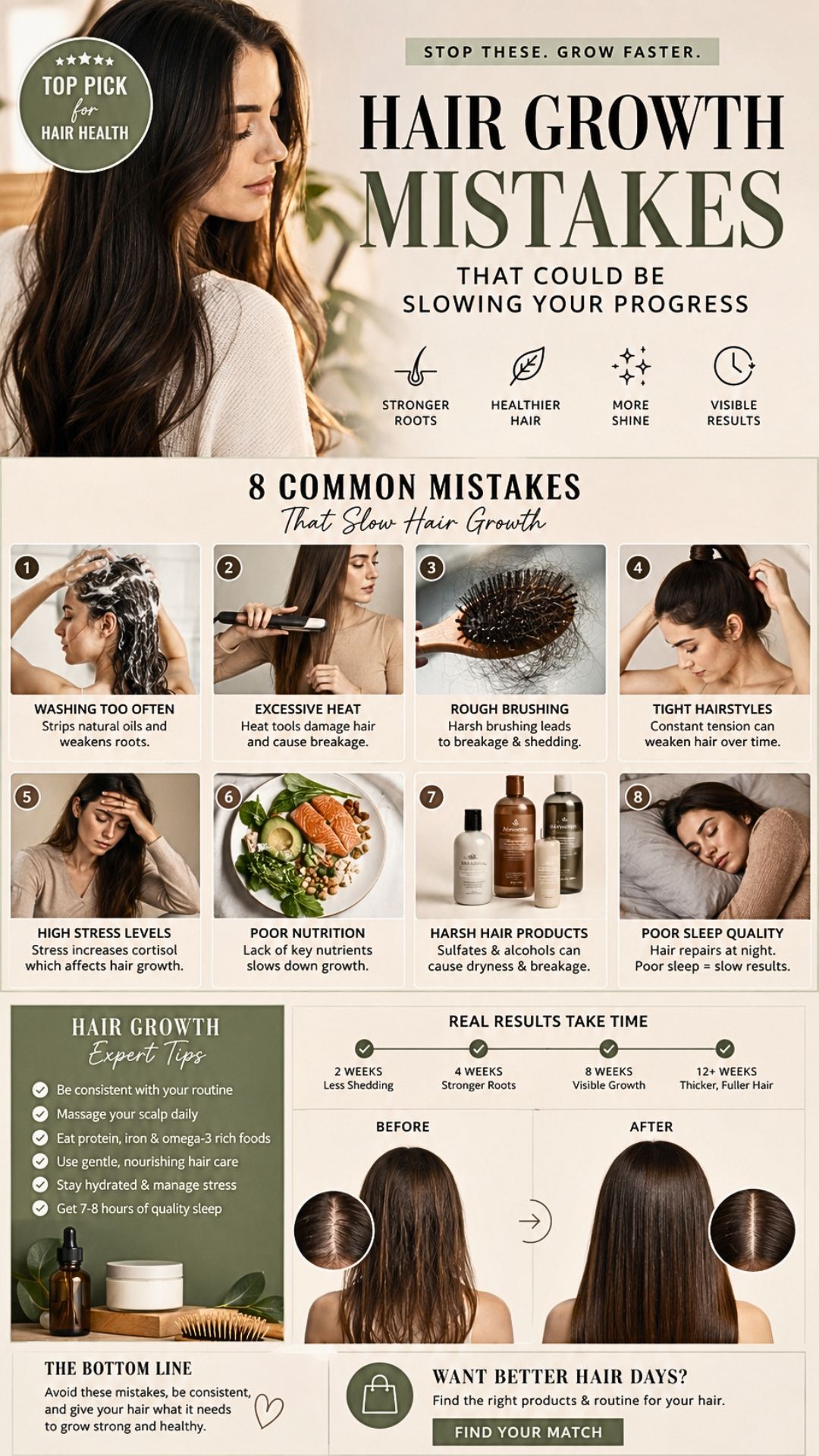
Common Mistakes That Make Split Ends Worse
Many people accidentally create more damage while trying to improve their hair.
Avoid these habits:
- Using high heat every day
- Skipping conditioner
- Brushing wet hair aggressively
- Sleeping with wet hair
- Overusing bleach
- Washing with very hot water
- Rubbing hair with a rough towel
- Ignoring damaged ends for months
- Using too much product on fine hair
- Pulling knots instead of gently detangling
Changing even two or three of these habits can improve your hair over time.
Styling Tricks That Hide Split Ends
Sometimes you simply want your hair to look polished for the day.
These styling ideas help disguise rough ends.
- Loose curls
- Soft waves
- Sleek low bun
- Braided ponytail
- Half-up hairstyle
- Smooth blowout
- Textured braid
A lightweight shine serum can finish the look beautifully.
Recreate this hairstyle at home with a quality round brush, heat protectant, and nourishing finishing oil.
Essential Hair Care Tools Worth Having
Good tools can reduce unnecessary damage.
| Tool | Why It Helps |
|---|---|
| Wide-tooth comb | Gentle detangling |
| Microfiber towel | Reduces friction |
| Ceramic blow dryer | More even heat |
| Silk pillowcase | Less overnight breakage |
| Heat protectant spray | Helps reduce heat damage |
| Leave-in conditioner | Adds moisture throughout the day |
| Split end serum | Smooths damaged ends temporarily |
These are practical investments if you style your hair regularly.
When You Should Finally Get a Trim
Although you can improve the appearance of damaged ends, there comes a point when trimming becomes the healthiest option.
Consider a trim if:
- Splits are traveling upward.
- Hair feels rough from mid-length to ends.
- Breakage keeps increasing.
- Knots become difficult to remove.
- Your ends appear very thin.
Even trimming half an inch every few months can keep your hair looking fuller and healthier without sacrificing much length.
The Truth About “Before and After” Hair Transformations
Many online photos show dramatic results after using one product. In reality, healthier-looking hair usually comes from combining several good habits.
The biggest improvements often happen when you:
- Moisturize consistently.
- Reduce heat damage.
- Protect hair while sleeping.
- Use nourishing leave-in products.
- Handle hair gently every day.
Patience is important. Hair care is a routine, not a one-time fix.
Final Thoughts
Beautiful hair is not about perfection. It is about caring for what you already have. While no product can permanently repair a split strand, the right routine can make damaged ends look smoother, shinier, and much healthier. By washing gently, conditioning regularly, protecting your hair from heat, and using nourishing serums or oils, you can enjoy noticeable before-and-after improvements without rushing to the salon.
If you are ready to upgrade your routine, shop the look with a moisturizing shampoo, rich conditioner, leave-in treatment, and split end serum that suits your hair type. You can also check the recommended styling tools to reduce future damage and maintain healthier-looking ends for longer. With consistent care, your hair can stay softer, smoother, and easier to manage while you grow it with confidence.