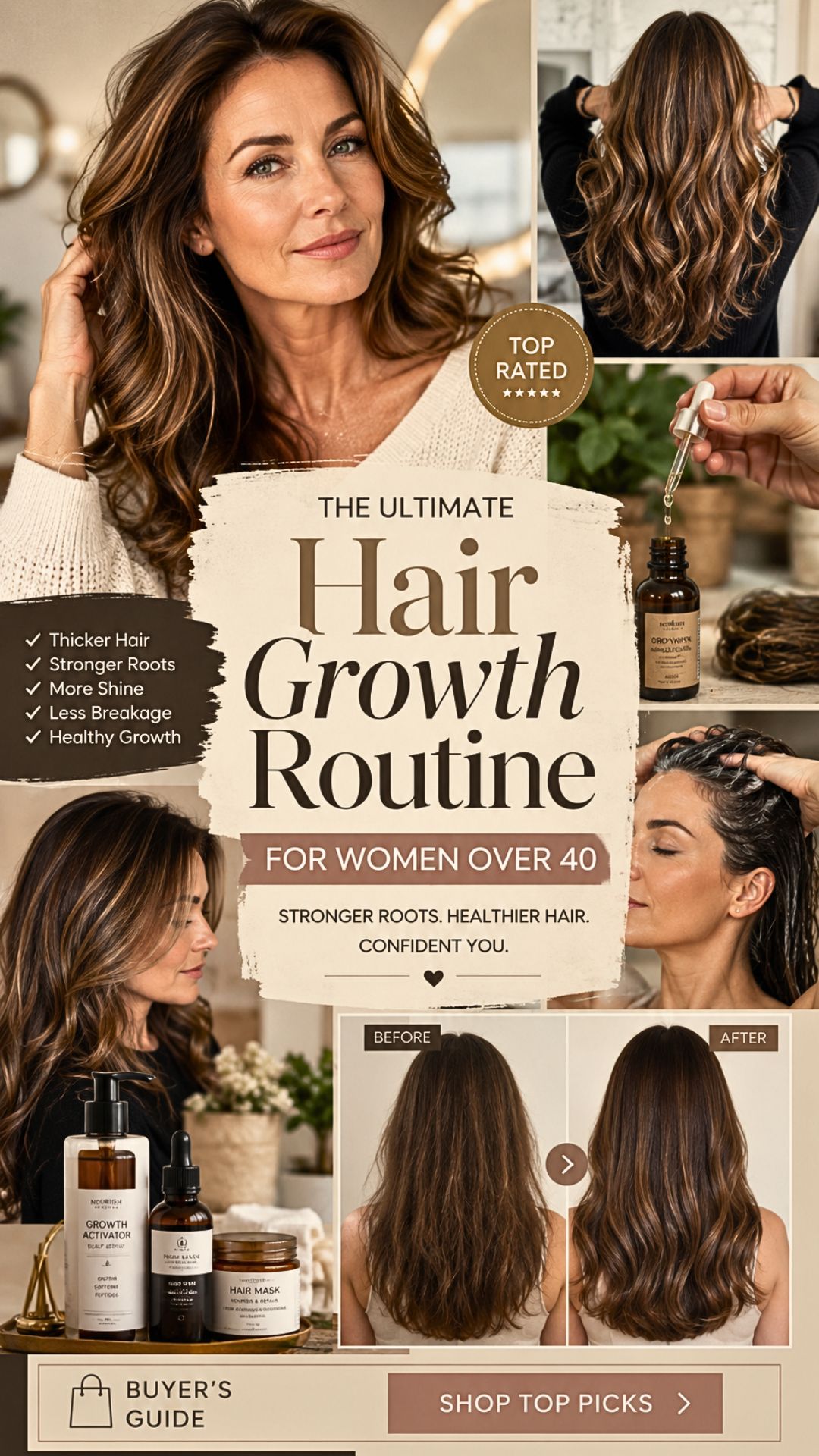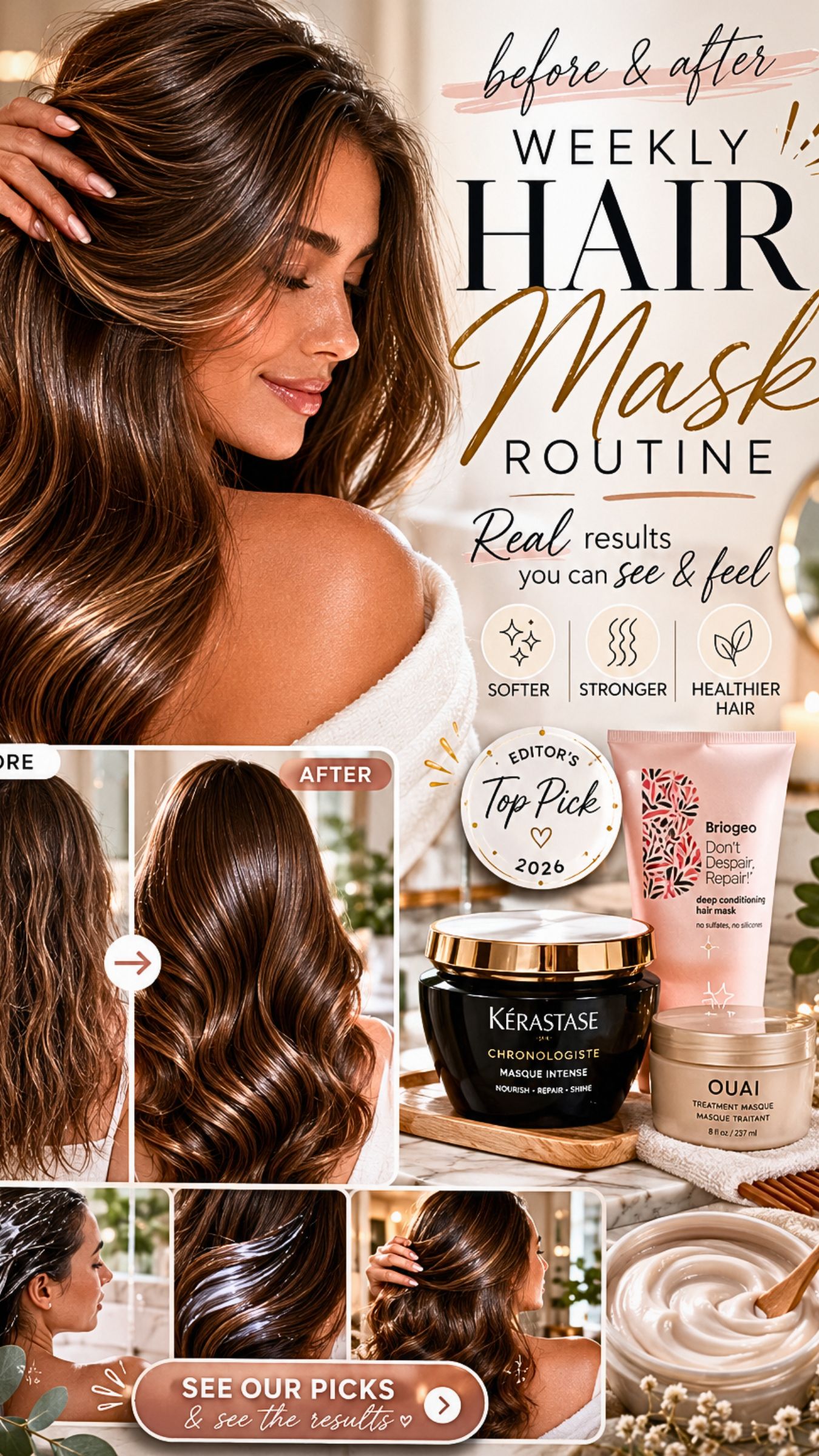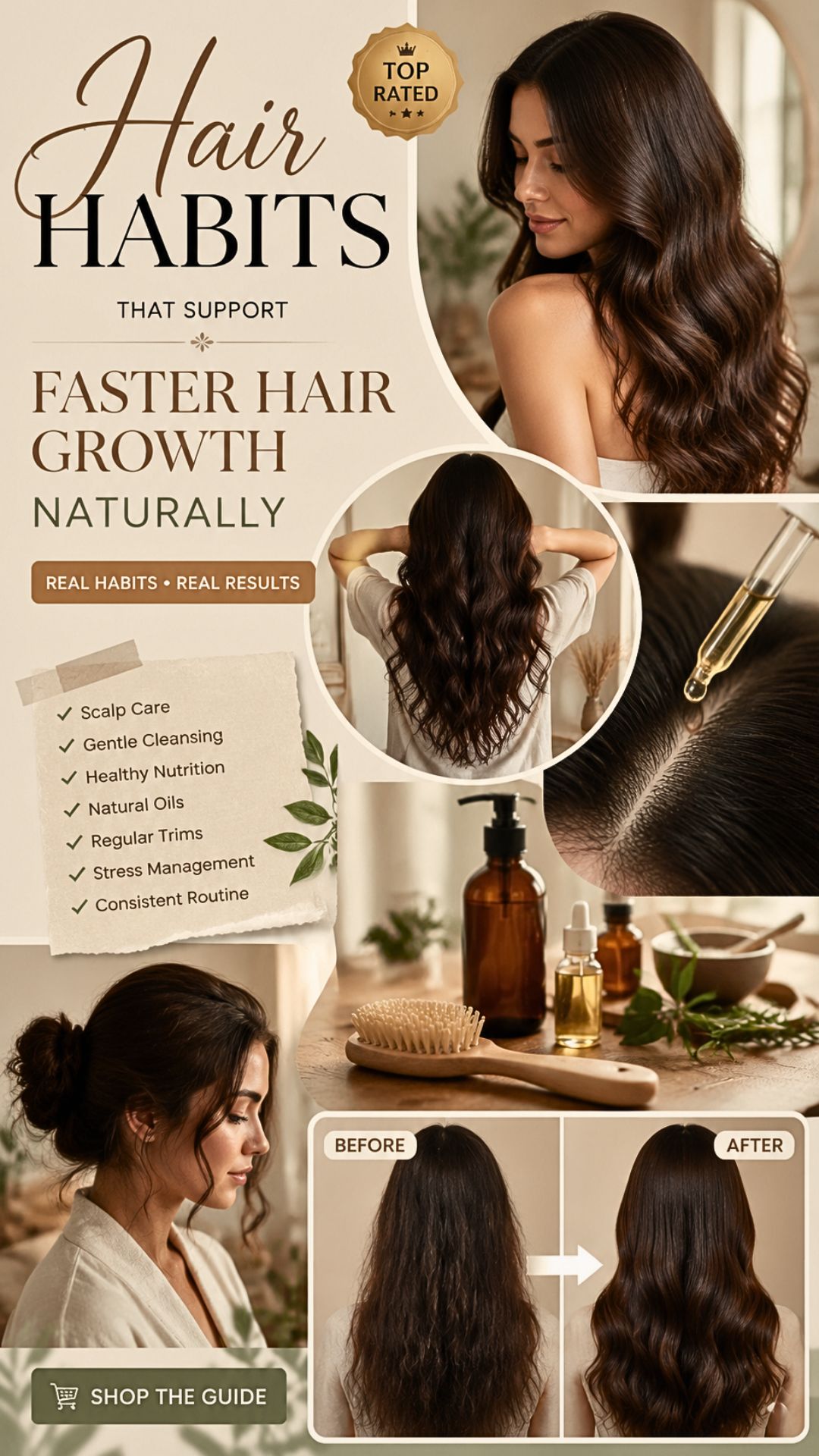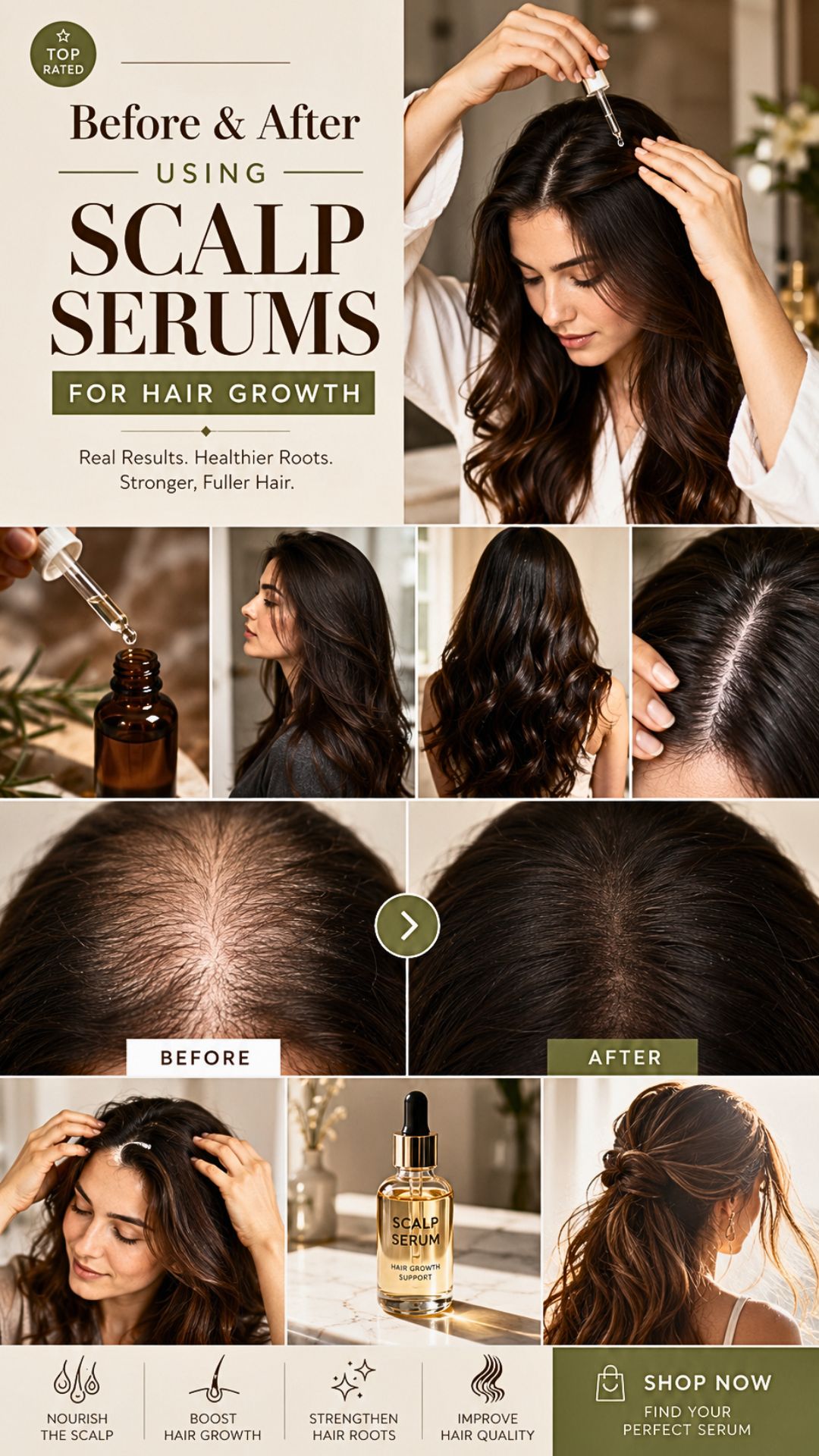
Before And After Using Leave In Conditioner For 30 Days: What Really Changes?
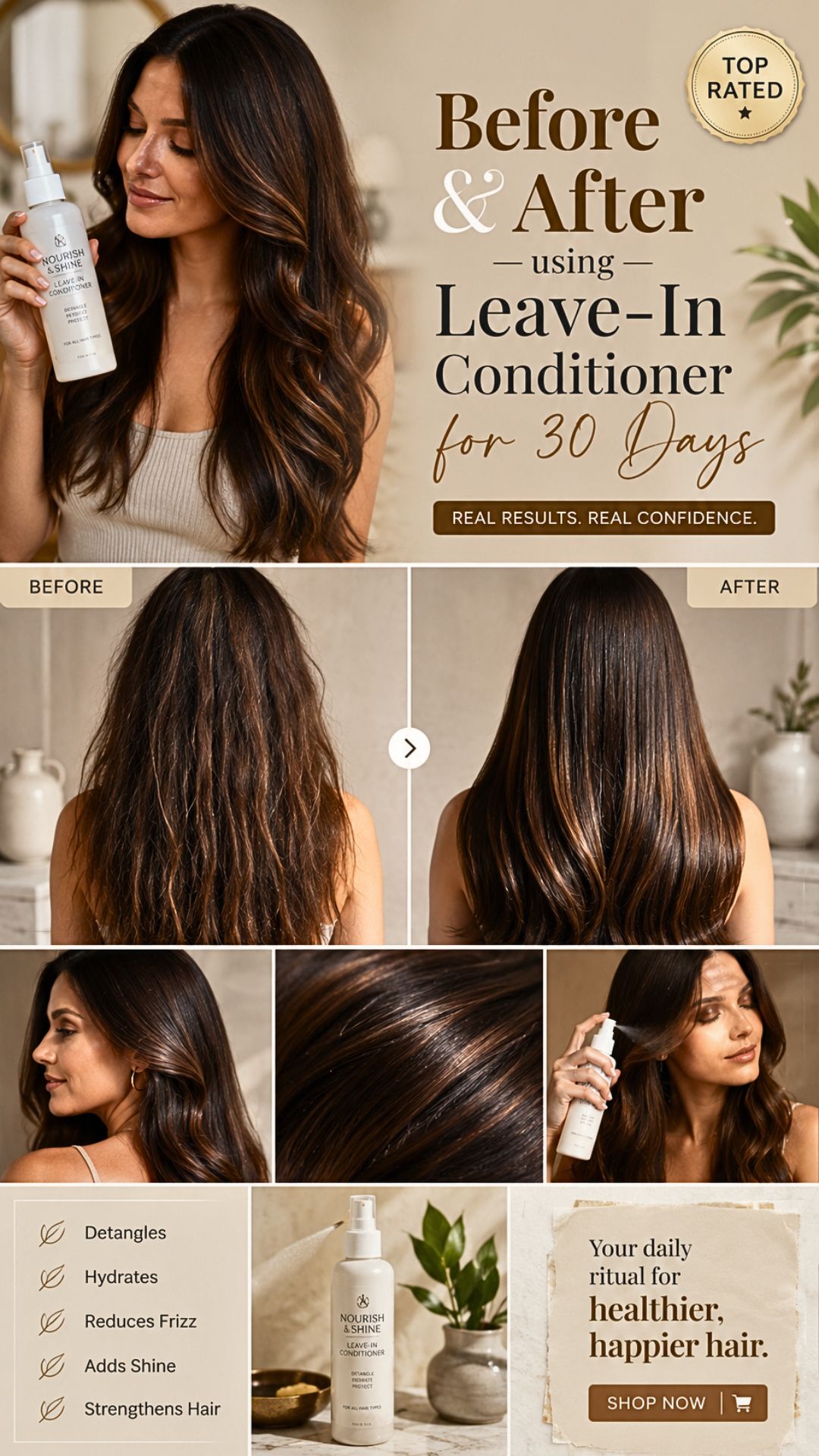
If your hair always feels dry, frizzy, or hard to manage, adding a Leave In Conditioner to your routine might be one of the simplest changes you can make. Unlike regular conditioner, which gets rinsed out, a leave-in formula stays on your hair and continues to moisturize, protect, and smooth your strands throughout the day.
But what actually happens after using one consistently for 30 days?
Many people expect overnight results, only to feel disappointed after the first few uses. The truth is that healthier-looking hair usually comes from small improvements that build over time. A good leave-in conditioner supports your hair every day by reducing dryness, preventing breakage, and making styling much easier.
In this guide, you’ll see a realistic before-and-after timeline, learn how to use leave-in conditioner the right way, discover common mistakes to avoid, and find product recommendations that fit different hair types. Whether your hair is curly, straight, color-treated, or damaged, this article will help you get the best possible results.
What Is a Leave-In Conditioner?
A leave-in conditioner is a lightweight hair product designed to stay on your hair after washing. Instead of rinsing it out, you apply it to damp hair and leave it in until your next wash.
Its main job is to keep moisture inside the hair while protecting it from daily damage caused by brushing, heat styling, sun exposure, wind, and pollution.
Depending on the formula, a leave-in conditioner can also:
- Add softness
- Reduce frizz
- Improve shine
- Make detangling easier
- Help prevent split ends
- Protect against heat styling
- Improve curl definition
- Reduce hair breakage
Think of it as daily skincare—but for your hair.
Before Using Leave-In Conditioner: Common Hair Problems
Many people start using leave-in conditioner because they struggle with one or more of these issues.
Dry Hair
Hair feels rough, dull, and lacks softness.
Frizz
Humidity makes hair puff up, creating an uneven texture.
Tangles
Brushing becomes difficult, especially after washing.
Split Ends
Hair ends look dry and begin to separate.
Breakage
Hair snaps easily while brushing or styling.
Lack of Shine
Healthy hair reflects light. Dry hair often looks flat and lifeless.
If these problems sound familiar, adding consistent moisture may help improve your hair over time.
Before and After: A Realistic 30-Day Timeline
Results vary depending on your hair type, existing damage, and the product you choose. Still, many people notice gradual improvements when they use a leave-in conditioner consistently.
Days 1–7: Hair Feels Softer
During the first week, you may notice:
- Easier detangling
- Less rough texture
- Improved softness
- Better slip while brushing
- Slightly less frizz
The biggest difference is usually how your hair feels rather than how it looks.
Days 8–14: Better Moisture Balance
By the second week, hydration starts lasting longer.
You may notice:
- Hair stays softer between washes.
- Ends look less dry.
- Styling becomes quicker.
- Flyaways become easier to control.
- Hair feels smoother after drying.
This is often when people realize they need less styling cream than before.
Days 15–21: Less Breakage
Healthy hair doesn’t become stronger overnight, but better hydration helps reduce stress on the strands.
Many users notice:
- Fewer hairs breaking while brushing
- Less snapping during styling
- Reduced split-end appearance
- Improved elasticity
Hair becomes easier to manage because it isn’t as dry.
Days 22–30: Healthier-Looking Hair
After a full month of consistent use, improvements become more noticeable.
Hair may appear:
- Shinier
- Smoother
- Softer
- More manageable
- Better protected from humidity
While leave-in conditioner won’t repair damaged hair permanently, it can improve the appearance and feel of your hair while helping prevent further damage.
Before and After Comparison
| Before Using Leave-In Conditioner | After 30 Days of Consistent Use |
|---|---|
| Dry texture | Softer hair |
| Frequent tangles | Easier brushing |
| Frizzy appearance | Smoother finish |
| Dull hair | More shine |
| Split ends stand out | Ends appear healthier |
| Hard to style | Faster styling |
| Hair breaks easily | Less breakage during brushing |
Who Benefits Most From Leave-In Conditioner?
Leave-in conditioner works for almost every hair type, although the formula should match your needs.
It is especially helpful if you have:
- Dry hair
- Curly hair
- Wavy hair
- Color-treated hair
- Bleached hair
- Heat-damaged hair
- Thick hair
- Long hair
- High-porosity hair
Even people with fine hair can benefit by choosing a lightweight spray formula.
How to Use Leave-In Conditioner Correctly
Using too much product can make hair feel heavy, while too little may not provide enough moisture.
Follow these simple steps.
Step 1: Wash Your Hair
Use a shampoo that matches your hair type.
Follow with a regular rinse-out conditioner.
Step 2: Remove Excess Water
Hair should be damp, not soaking wet.
Gently squeeze out extra water using a microfiber towel or cotton T-shirt.
Step 3: Apply a Small Amount
Start with a small amount.
Fine hair usually needs less.
Thick or curly hair often needs a little more.
Step 4: Focus on Mid-Lengths and Ends
Most dryness appears toward the ends.
Avoid applying heavy amounts directly to your scalp unless the product specifically says it’s safe.
Step 5: Comb Through
Use a wide-tooth comb to spread the product evenly.
This also reduces tangles.
Step 6: Style as Usual
Air dry or use your favorite styling tools.
If you use heat, choose a leave-in that includes heat protection.
Signs You’re Using the Right Amount
Your hair should feel:
- Soft
- Light
- Smooth
- Easy to comb
- Not sticky
- Not greasy
If your hair feels oily after application, simply reduce the amount next time.
Best Ingredients to Look For
Reading ingredient labels can help you choose a better leave-in conditioner.
Look for ingredients such as:
- Aloe vera
- Glycerin
- Panthenol
- Argan oil
- Coconut oil
- Jojoba oil
- Shea butter
- Hydrolyzed proteins
- Amino acids
- Ceramides
These ingredients help support moisture, smoothness, and protection.
Ingredients You May Want to Avoid
Some ingredients work well for certain hair types but may not suit everyone.
You might want to limit products with:
- Heavy waxes
- Large amounts of drying alcohols
- Excessive fragrance if you have a sensitive scalp
- Very heavy oils if your hair is extremely fine
Choosing a formula that matches your hair type often matters more than chasing trendy ingredients.
Product Recommendations for Different Hair Types
Finding the right leave-in conditioner is just as important as using one consistently.
| Hair Type | Recommended Formula |
|---|---|
| Fine hair | Lightweight spray |
| Thick hair | Rich cream |
| Curly hair | Moisturizing cream |
| Wavy hair | Lightweight lotion |
| Color-treated hair | Color-safe leave-in |
| Damaged hair | Protein and moisture blend |
| Dry hair | Nourishing cream with oils |
When shopping, look for products that match your hair’s texture instead of choosing the richest formula available.
A lightweight product used regularly often performs better than a heavy product that weighs hair down.
Helpful Hair Care Habits That Improve Results
Leave-in conditioner works best as part of a complete routine.
Try combining it with these healthy habits.
- Trim split ends regularly.
- Avoid excessive heat styling.
- Sleep on a silk pillowcase.
- Use a microfiber towel.
- Brush gently.
- Protect hair from direct sunlight.
- Deep condition once a week.
- Drink enough water.
- Eat a balanced diet rich in protein.
Small habits often make a bigger difference than buying more products.
Common Mistakes That Slow Your Progress
Many people think a leave-in conditioner isn’t working when the real problem is how they’re using it.
Avoid these common mistakes.
Using Too Much
More product doesn’t mean better results.
Too much can make hair feel greasy and flat.
Applying Only to Dry Hair
Many formulas work best on damp hair because moisture gets sealed inside the hair shaft.
Skipping Regular Conditioner
Leave-in conditioner is not always a replacement for rinse-out conditioner.
Using both often gives better hydration.
Ignoring Heat Protection
Not every leave-in protects against hot tools.
If you regularly use a blow dryer or flat iron, choose one with heat protection.
Expecting Instant Repair
No cosmetic hair product permanently repairs damaged strands.
Leave-in conditioner improves appearance, softness, and manageability while helping reduce future damage.
Can Leave-In Conditioner Replace Hair Oil?
Not exactly.
Both products serve different purposes.
| Leave-In Conditioner | Hair Oil |
|---|---|
| Adds moisture | Seals moisture |
| Helps detangle | Adds shine |
| Softens hair | Smooths flyaways |
| Protects from heat (some formulas) | Helps reduce frizz |
| Lightweight feel | Can feel heavier |
Many people use both products together for the best results.
Apply leave-in conditioner first, then use a few drops of hair oil on the ends if needed.
Is Daily Use a Good Idea?
That depends on your hair.
Dry, curly, or damaged hair often benefits from frequent use.
Fine hair may only need it after washing.
Pay attention to how your hair feels.
If it becomes heavy or greasy, reduce the amount or use it less often.
Recommended Styling Tools That Pair Well With Leave-In Conditioner
Using the right tools can make your leave-in conditioner work even better.
Consider adding:
- Wide-tooth comb
- Microfiber hair towel
- Silk pillowcase
- Heat-protective blow dryer
- Ceramic round brush
- Detangling brush
These simple tools help reduce friction and minimize unnecessary hair damage.
If you’re updating your hair routine, check the recommended styling tools, shop the look, or try a leave-in conditioner that suits your hair type for easier styling and healthier-looking results.
What Results Should You Realistically Expect?
Leave-in conditioner is not a miracle product.
It won’t permanently fix split ends or reverse years of damage.
However, with regular use, many people notice:
- Softer texture
- Better hydration
- Less frizz
- Easier styling
- Improved shine
- Reduced breakage
- Healthier-looking ends
The key is consistency rather than expecting dramatic overnight changes.
Final Thoughts
Using a Leave In Conditioner consistently for 30 days can make a noticeable difference in the way your hair looks and feels. While it won’t transform severely damaged hair overnight, it can improve softness, reduce frizz, make detangling easier, and help protect your strands from everyday wear.
The best results come from choosing a formula that matches your hair type and using it correctly after every wash. Pair it with gentle hair care habits, regular trims, and heat protection for even better long-term results.
If you’re ready to upgrade your routine, consider trying a quality leave-in conditioner, check the recommended styling tools, or shop the look to recreate healthy, smooth hair at home. Small, consistent steps often lead to the biggest improvements, and your hair will thank you for the extra care.