Before And After Using The Best Hair Masks For Repair: What Really Changes?

Healthy hair does not happen overnight. If your strands feel dry, rough, or damaged from heat styling, coloring, or everyday wear, a good hair mask can make a noticeable difference over time. The Best Hair Masks For Repair help restore moisture, improve softness, reduce breakage, and make hair easier to manage without replacing a healthy hair care routine.
This guide explains what you can realistically expect before and after using a repairing hair mask, how to choose the right one, and which products are worth considering. Whether your hair is slightly dry or seriously damaged, these tips can help you build a routine that supports stronger, healthier-looking hair.
What Does a Hair Repair Mask Actually Do?
A hair repair mask is a deep conditioning treatment designed to give your hair more nourishment than a regular conditioner. It usually contains moisturizing ingredients, proteins, natural oils, and strengthening agents that stay on the hair longer.
Instead of offering a quick cosmetic fix, a quality mask helps improve how your hair feels and looks over repeated use. While damaged hair cannot truly “heal” because hair is made of dead protein, the right products can smooth the cuticle, reduce breakage, and protect the hair from further damage.
Before Using a Repair Hair Mask
Many people start using a repair mask after noticing common signs of damage.
Your hair may feel:
- Dry from root to tip
- Rough instead of silky
- Hard to brush
- Frizzy even after styling
- Weak with frequent breakage
- Dull with very little shine
- Tangled after washing
Heat styling, bleaching, frequent coloring, tight hairstyles, chlorine, and even harsh weather can slowly weaken the hair cuticle.
At this stage, regular conditioner may not provide enough moisture to improve the overall condition.
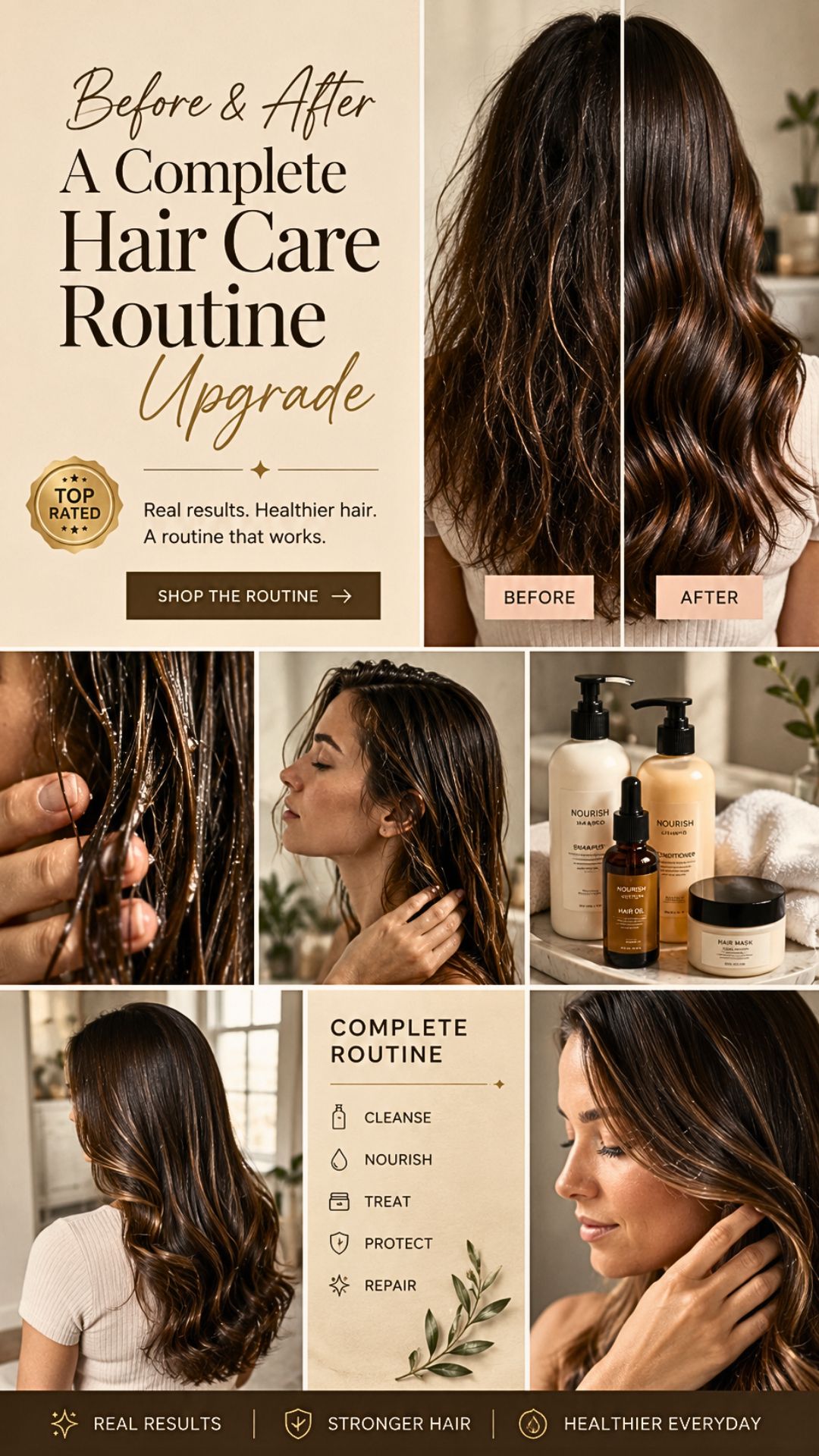
After Using The Best Hair Masks For Repair
The results depend on your hair type, the level of damage, and how consistently you use the product.
After the First Use
Many people notice:
- Softer texture
- Easier detangling
- Better shine
- Less frizz
- Hair feels smoother while brushing
These changes happen because moisturizing ingredients temporarily smooth the hair surface.
After Two to Four Weeks
With regular weekly use, you may notice:
- Reduced breakage
- Better moisture balance
- Improved elasticity
- Healthier-looking ends
- Hair becoming easier to style
After Several Months
When combined with gentle hair care habits, long-term improvements often include:
- Stronger-looking hair
- Less split-end progression
- Better curl definition
- More manageable texture
- Healthier overall appearance
Remember that hair masks maintain and protect hair rather than permanently repairing split ends. Trimming damaged ends is still important.
Signs You Need a Hair Repair Mask
If you answer “yes” to several of these questions, adding a repair mask may help.
- Does your hair snap easily?
- Does it feel rough after washing?
- Is your hair difficult to brush?
- Do you use hot styling tools often?
- Have you recently colored or bleached your hair?
- Do your ends look dry?
- Does your hair lose moisture quickly?
Ingredients That Make a Difference
Not every hair mask works the same way. The ingredient list often tells you more than the marketing.
Keratin
Keratin helps strengthen damaged hair by temporarily filling weak areas along the hair shaft.
Best for:
- Heat-damaged hair
- Chemically treated hair
- Weak strands
Argan Oil
Argan oil adds moisture without making hair overly heavy.
Best for:
- Dry hair
- Frizzy hair
- Dull hair
Shea Butter
Shea butter provides deep hydration and helps smooth rough hair.
Best for:
- Thick hair
- Curly hair
- Coarse hair
Coconut Oil
Coconut oil can reduce protein loss in some hair types.
Best for:
- Dry hair
- Damaged hair
- Hair prone to breakage
Ceramides
Ceramides help support the hair’s protective outer layer.
Best for:
- Fragile hair
- Color-treated hair
- Dry ends
Plant Proteins
Hydrolyzed wheat, rice, or soy proteins help improve strength while maintaining flexibility.
Best for:
- Fine damaged hair
- Hair lacking body
Recommended Hair Masks Worth Trying
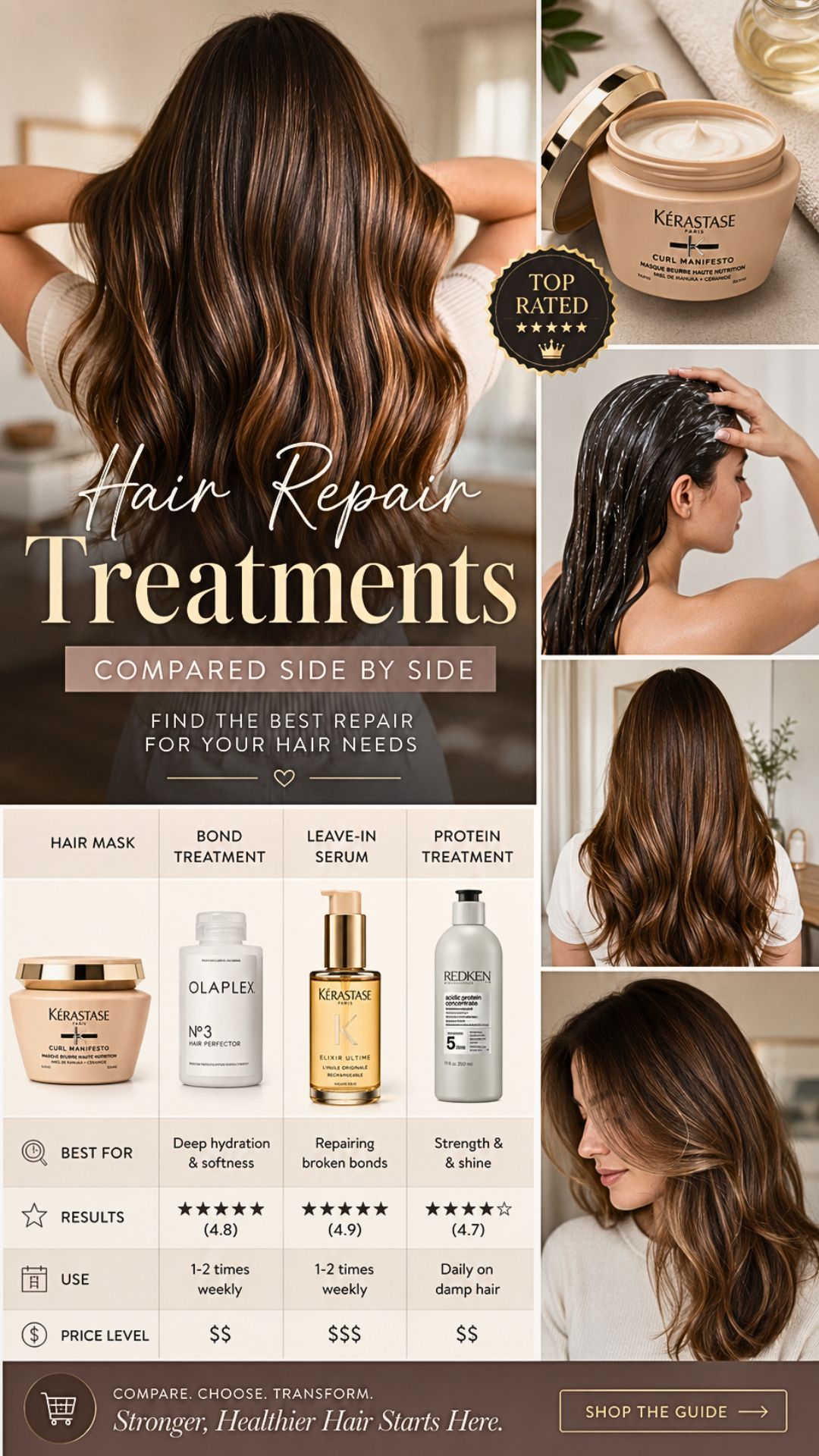
Many excellent repair masks are available at different price points. These products are popular because they combine quality ingredients with consistent performance.
| Product | Best For | Key Benefits | Texture |
|---|---|---|---|
| Olaplex No. 8 Bond Intense Moisture Mask | Bleached hair | Moisture, softness, shine | Rich cream |
| Briogeo Don’t Despair, Repair! Deep Conditioning Mask | Dry and damaged hair | Hydration and strength | Medium cream |
| SheaMoisture Manuka Honey & Mafura Oil Mask | Thick or curly hair | Deep moisture | Thick |
| Kérastase Masque Thérapiste | Severely damaged hair | Smoothness and repair support | Rich |
| Moroccanoil Intense Hydrating Mask | Frizzy hair | Shine and hydration | Creamy |
| Redken Acidic Bonding Concentrate Mask | Color-treated hair | Strength and softness | Rich cream |
Each option works slightly differently, so choose one that matches your hair’s biggest concern rather than buying the most expensive product.
If one of these sounds like a good match, you can check the recommended styling tools and complementary products to build a complete routine.
How to Use a Hair Mask for Better Results
Many people use a hair mask incorrectly and then wonder why it does not help.
Follow these simple steps.
Step 1: Wash Your Hair
Use a gentle shampoo to remove oil and product buildup.
Clean hair absorbs conditioning ingredients more effectively.
Step 2: Remove Extra Water
Hair should be damp rather than dripping wet.
Too much water can dilute the mask.
Step 3: Apply to Mid-Lengths and Ends
Focus on the areas with the most damage.
Most people do not need to apply a rich mask directly to the scalp.
Step 4: Leave It On
Follow the instructions on the container.
Most repair masks work well after 5 to 15 minutes.
Some intensive treatments can stay on longer.
Step 5: Rinse Well
Use lukewarm or cool water to help smooth the hair cuticle.
Step 6: Style Gently
Avoid excessive heat after treatment.
Air drying or using a lower heat setting helps maintain moisture.
Simple Weekly Hair Repair Routine
A balanced routine usually works better than using many products at once.
Monday
Gentle shampoo and lightweight conditioner.
Wednesday
Leave-in conditioner and heat protectant before styling.
Weekend
Deep cleansing shampoo followed by a repair mask.
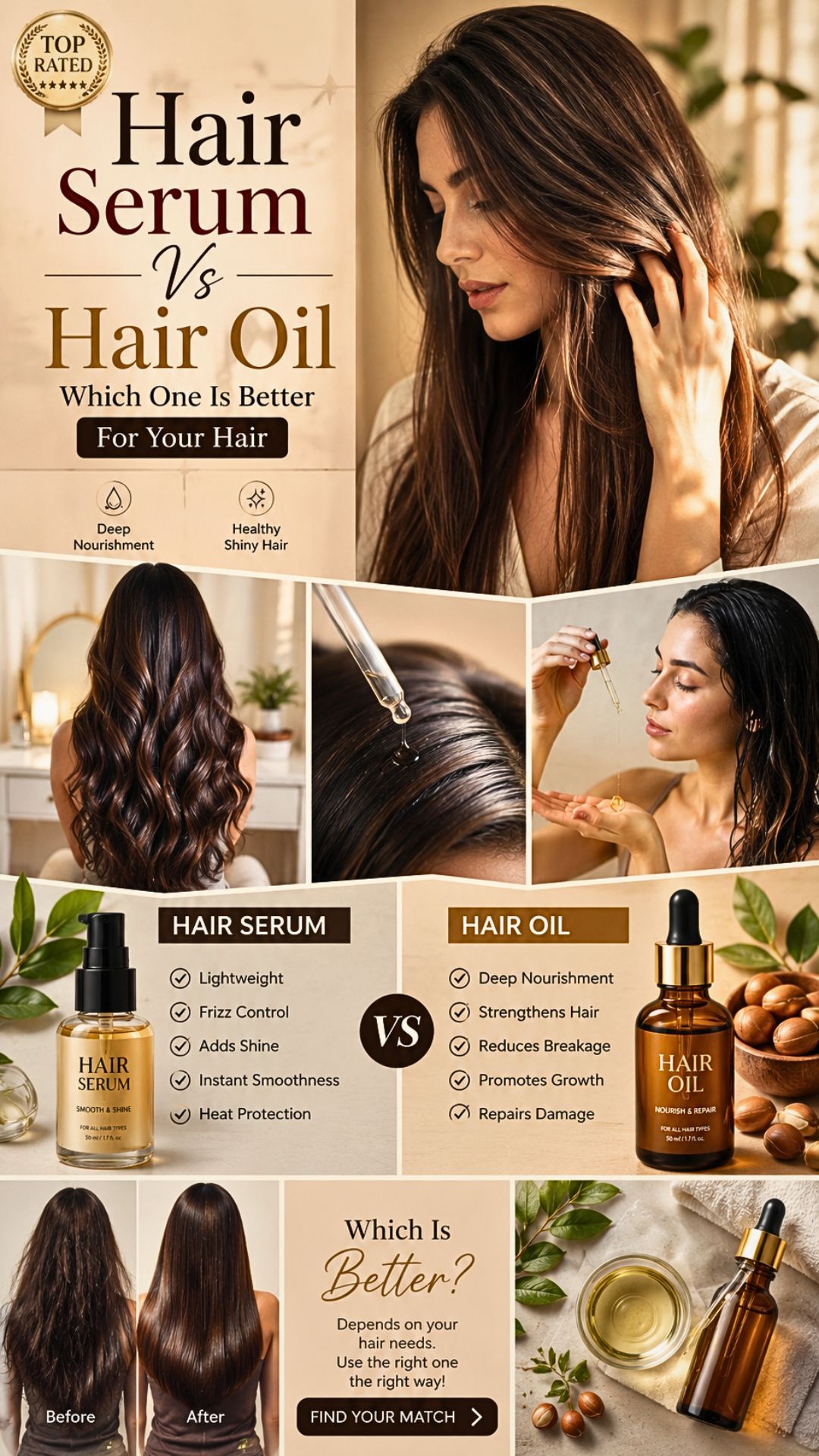
Finish with a lightweight hair oil on the ends if needed.
This routine works well for many hair types while preventing product buildup.
Tips That Help Hair Masks Work Better
Small changes can improve your results.
- Use a microfiber towel instead of rubbing hair dry.
- Reduce high-heat styling when possible.
- Sleep on a silk pillowcase.
- Brush gently from the ends upward.
- Trim split ends every few months.
- Protect hair from sun and chlorine.
- Drink enough water and eat a balanced diet.
Healthy habits support healthier-looking hair over time.
Common Mistakes That Slow Your Progress
Many people accidentally reduce the benefits of even the best products.
Using Too Much Product
More product does not always mean better results.
Excess product can leave hair feeling heavy.
Applying Only Once
Repair masks work best when used consistently.
Weekly use often produces better long-term results.
Skipping Heat Protection
A repair mask cannot fully protect hair from repeated heat damage.
Always use a heat protectant before blow drying or styling.
Choosing the Wrong Formula
Very rich masks may weigh down fine hair.
Protein-heavy masks may not suit every hair type if overused.
Expecting Instant Repair
Hair masks improve appearance and manageability over time.
They cannot permanently repair split ends or reverse severe chemical damage.
Hair Mask or Regular Conditioner?
| Feature | Hair Mask | Regular Conditioner |
|---|---|---|
| Moisture Level | Deep | Light to moderate |
| Treatment Time | 5–20 minutes | 1–3 minutes |
| Frequency | Weekly | Every wash |
| Best For | Dry or damaged hair | Daily maintenance |
| Strengthening Ingredients | Usually higher | Usually lower |
Using both products together often gives the best results.
How to Pick the Right Hair Mask
Instead of buying based on social media trends, choose according to your hair needs.
Fine Hair
Look for lightweight protein and moisture blends.
Avoid heavy butter-based formulas.
Thick Hair
Choose richer creams with nourishing oils and shea butter.
Curly Hair
Focus on moisture-rich formulas with natural oils and humectants.
Color-Treated Hair
Choose masks made for color protection with bond-supporting ingredients.
Bleached Hair
Protein and bond-building treatments may help reduce the appearance of damage while improving softness.
What Realistic Before and After Results Look Like
A good repair mask does not create perfect hair overnight.
Instead, many users notice gradual improvements like smoother brushing, less visible frizz, healthier shine, and fewer broken strands after several weeks of regular use.
Pairing a repair mask with gentle washing, heat protection, and occasional trims creates much better long-term results than relying on one product alone.
That combination is what often makes the biggest visible difference in before-and-after photos.
Build a Complete Hair Repair Routine
A hair mask works even better when paired with a few supportive products.
Consider adding:
- Sulfate-free shampoo
- Moisturizing conditioner
- Heat protectant spray
- Leave-in conditioner
- Lightweight hair oil
- Wide-tooth comb
- Microfiber hair towel
These simple additions help protect the improvements your hair mask provides.
If you’re building a new routine, shop the look by choosing products designed for your hair type rather than buying everything from the same collection.
Final Thoughts
Finding The Best Hair Masks For Repair is less about choosing the most expensive product and more about selecting a formula that matches your hair’s needs. Consistent use, realistic expectations, and healthy hair habits make the biggest difference over time.
If your hair feels dry, damaged, or difficult to manage, adding a quality repair mask to your weekly routine is a simple place to start. Pair it with gentle cleansing, heat protection, and regular trims for healthier-looking results.
When you’re ready to upgrade your routine, see the best tools for this look and try this product for easier styling. A thoughtful combination of quality hair care products can help your hair feel softer, stronger, and easier to manage with every wash.