Best Hair Vitamins For Stronger, Healthier Hair
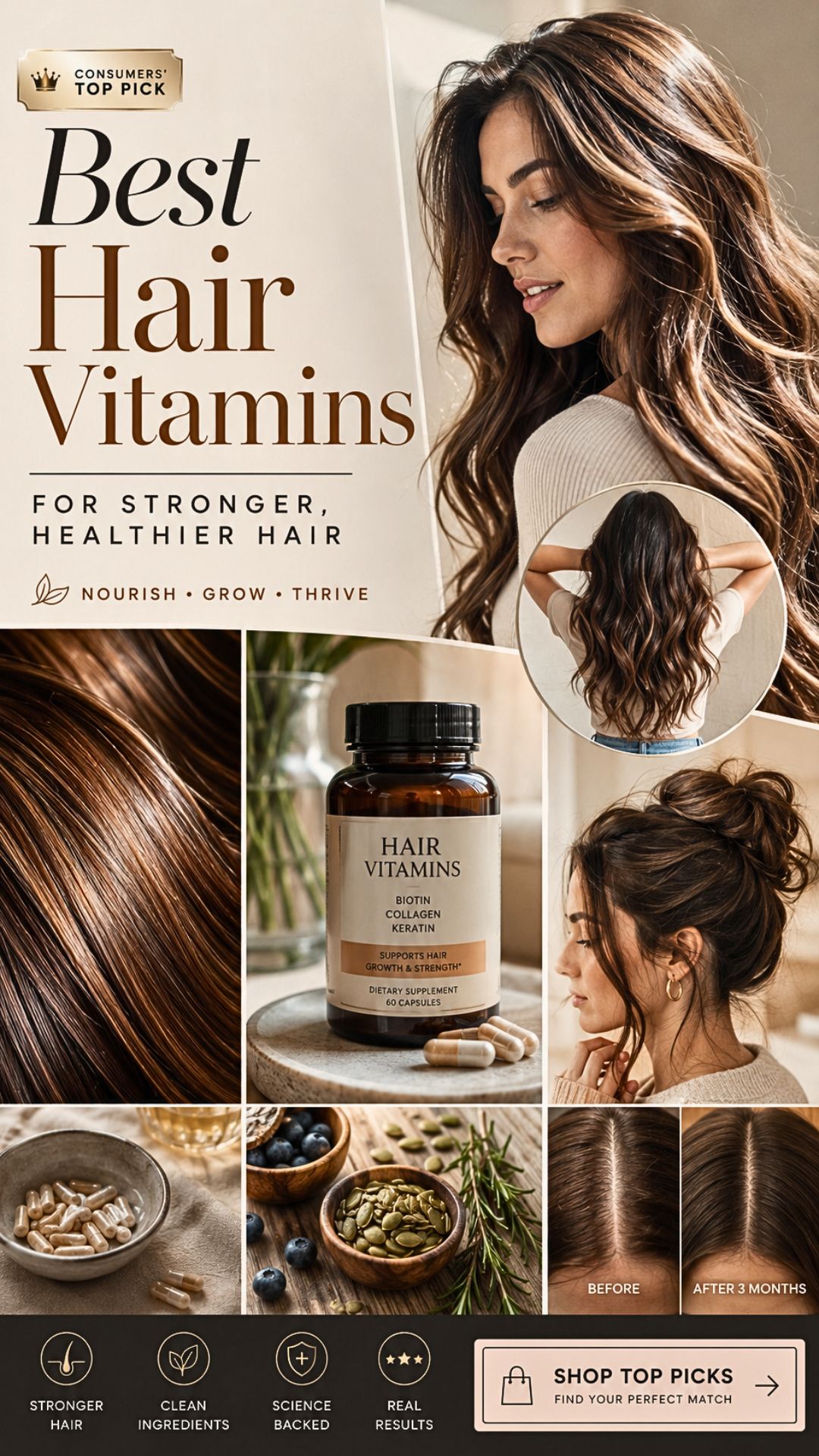
Healthy hair starts from the inside. While good shampoo, conditioner, and hair masks matter, your daily nutrition plays an even bigger role. If your body is missing important nutrients, your hair may become dry, weak, or slow to grow.
That’s why many people turn to Hair Vitamins as part of their hair care routine. The right vitamins can help support healthy hair growth, reduce breakage, and improve overall hair strength when combined with a balanced diet and healthy lifestyle. They are not magic pills, but they can fill nutritional gaps that may affect your hair.
In this guide, you’ll learn which vitamins are worth considering, how they work, how to choose the right supplement, and simple habits that can help you get the most from your routine.
Why Hair Health Starts From Within
Hair grows from tiny follicles beneath your scalp. These follicles need nutrients, oxygen, and protein to produce healthy strands.
When your body lacks important vitamins and minerals, your hair often shows the first signs. You may notice:
- Increased shedding
- Thin-looking hair
- Split ends
- Dry, brittle strands
- Slow hair growth
- Less shine
Stress, restrictive diets, illness, aging, hormonal changes, and postpartum recovery can also affect hair health.
A quality supplement cannot replace healthy eating, but it may help support stronger hair if your diet is missing key nutrients.
Important Nutrients Found in the Best Hair Vitamins
Biotin
Biotin is one of the most popular ingredients in hair supplements.
It supports keratin production, which is the main protein that makes up your hair. People with a biotin deficiency may notice thinning hair or brittle nails.
Although many people already get enough biotin through food, supplements may be helpful for those with low intake.
Food sources include:
- Eggs
- Salmon
- Almonds
- Sweet potatoes
- Sunflower seeds
Vitamin D
Vitamin D supports healthy hair follicles.
Low vitamin D levels have been linked to certain types of hair loss in some people. Spending time outdoors and eating vitamin D-rich foods may help, but supplements can also be useful if recommended by a healthcare professional.
Food sources include:
- Fatty fish
- Fortified milk
- Mushrooms
- Egg yolks
Iron
Iron helps carry oxygen throughout the body.
Low iron levels are a common reason for increased hair shedding, especially in women.
Good dietary sources include:
- Lean beef
- Lentils
- Spinach
- Pumpkin seeds
Zinc
Zinc supports healthy hair tissue and scalp function.
It also plays a role in repairing damaged hair follicles.
Foods rich in zinc include:
- Oysters
- Chickpeas
- Beef
- Cashews
Vitamin C
Vitamin C helps your body absorb iron.
It also supports collagen production and protects hair follicles from oxidative stress.
Natural sources include:
- Oranges
- Strawberries
- Kiwi
- Bell peppers
Vitamin E
Vitamin E supports scalp health by helping protect cells from damage.
Many hair supplements include this antioxidant alongside other nutrients.
Food sources include:
- Almonds
- Sunflower seeds
- Avocados
Collagen
Collagen supplements have become increasingly popular.
Collagen provides amino acids that help build keratin. While research is still growing, many people include collagen in their beauty routine to support healthy hair and skin.
Marine Collagen vs. Bovine Collagen
Both types may support healthy hair.
| Feature | Marine Collagen | Bovine Collagen |
|---|---|---|
| Source | Fish | Cow |
| Absorption | Often considered highly absorbable | Highly absorbable |
| Best For | Hair and skin support | Hair, skin, joints, and connective tissue |
| Suitable For | Pescatarians | Non-vegetarians |
Signs You May Benefit From Hair Supplements
You don’t need supplements simply because you want longer hair.
Instead, they may be worth discussing with your healthcare provider if you notice:
- Hair that breaks easily
- Increased shedding
- Poor diet
- Frequent dieting
- Recovery after pregnancy
- Nutritional deficiencies
- Slow-growing hair
- Brittle nails
If hair loss appears suddenly or becomes severe, it’s important to seek medical advice since many health conditions can cause hair changes.
What to Look For When Buying Hair Vitamins
Not every supplement is created the same.
Here are some features worth checking before buying.
Balanced Ingredients
Choose products with reasonable amounts of vitamins instead of extremely high doses.
Third-Party Testing
Independent testing helps verify ingredient quality and purity.
Clear Ingredient Labels
Avoid products that hide their ingredient amounts behind “proprietary blends.”
Trusted Manufacturers
Look for brands with good manufacturing practices and transparent ingredient sourcing.
Easy Daily Routine
A supplement only works if you remember to take it consistently.
Choose capsules, gummies, powders, or softgels that fit your lifestyle.
Best Types of Hair Vitamins
Multivitamin Hair Supplements
These combine several vitamins and minerals in one product.
Best for:
- General hair wellness
- Beginners
- Everyday support
Biotin Supplements
Good for people specifically looking to support keratin production.
Best for:
- Brittle hair
- Weak nails
- Nutritional support when recommended
Collagen Powders
Easy to mix into coffee, smoothies, or oatmeal.
Best for:
- Daily beauty routines
- Hair and skin support
Hair Gummies
Hair gummies are popular because they’re easy to remember and often taste pleasant.
Best for:
- People who dislike swallowing pills
Remember that gummies can also contain added sugar, so always read the nutrition label.
Women’s Hair Vitamins
Many formulas designed for women include:
- Iron
- Biotin
- Folic acid
- Vitamin D
- Zinc
These nutrients are often chosen to support common nutritional needs.
Men’s Hair Supplements
Products marketed toward men may focus on:
- Zinc
- Vitamin D
- Saw palmetto (in some formulas)
- Biotin
Choose supplements based on your nutritional needs rather than marketing alone.
Product Recommendation Guide
While there are many options available, a quality hair supplement often includes several key nutrients rather than relying on a single ingredient.
Look for products that contain:
- Biotin
- Vitamin D
- Vitamin C
- Zinc
- Iron (if appropriate)
- Selenium
- Folic acid
- Collagen peptides
- B-complex vitamins
You do not always need the most expensive option. A well-formulated supplement from a trusted manufacturer can provide similar nutritional support.
If you’re shopping online, compare ingredient lists instead of focusing only on marketing claims.
Soft Shopping Tips
- Check the recommended styling tools while building your hair routine.
- Shop the look by pairing supplements with nourishing hair oils.
- Try this product for easier styling alongside a heat protectant.
- See the best tools for this look if you regularly heat-style your hair.
Build a Complete Healthy Hair Routine
Vitamins work best when combined with good daily habits.
Step 1: Eat Enough Protein
Hair is mostly made of protein.
Include foods like:
- Chicken
- Fish
- Eggs
- Greek yogurt
- Beans
- Lentils
Step 2: Stay Hydrated
Dry hair often looks dull.
Drink enough water throughout the day to support your overall health.
Step 3: Wash Your Hair Properly
Choose a gentle shampoo that suits your scalp.
Avoid washing more often than necessary if your hair becomes dry.
Step 4: Protect Hair From Heat
Always use heat protection before:
- Blow drying
- Curling
- Straightening
Lower heat settings can help reduce breakage.
Step 5: Massage Your Scalp
A few minutes of gentle scalp massage may help improve your overall hair care routine while also feeling relaxing.
Step 6: Be Patient
Hair grows slowly.
Most people need several months of consistent care before noticing visible improvements.
Daily Habits That Support Stronger Hair
Small habits often make the biggest difference.
- Eat balanced meals every day.
- Sleep at least seven to eight hours.
- Reduce excessive heat styling.
- Trim split ends regularly.
- Wear loose hairstyles when possible.
- Use a silk pillowcase to reduce friction.
- Protect your hair from excessive sun exposure.
- Avoid harsh chemical treatments too often.
- Stay physically active.
- Manage everyday stress with healthy routines.
Hair Vitamins vs Healthy Diet
| Hair Vitamins | Healthy Diet |
|---|---|
| Help fill nutritional gaps | Provides complete nutrition |
| Convenient daily support | Supports whole-body health |
| Useful for some deficiencies | Essential for everyone |
| Should complement healthy eating | Forms the foundation of healthy hair |
The best results usually come from combining both rather than choosing one over the other.
Common Mistakes People Make
Many people expect instant results.
Hair grows slowly, so supplements require consistency.
Other common mistakes include:
- Taking more than the recommended dose
- Skipping meals while relying on supplements
- Ignoring scalp health
- Frequently bleaching or over-processing hair
- Using excessive heat every day
- Buying products based only on social media trends
- Stopping supplements after only a few weeks
Who Should Speak With a Healthcare Professional First?
Hair supplements are not suitable for everyone.
It is a good idea to seek professional advice if you:
- Are pregnant or breastfeeding
- Take prescription medications
- Have thyroid conditions
- Have kidney or liver disease
- Have ongoing hair loss with no clear cause
- Think you may have a nutritional deficiency
Testing for nutrient deficiencies can help identify whether supplements are appropriate.
Can Hair Vitamins Replace Hair Care Products?
No.
Think of supplements as one part of a complete routine.
Healthy hair also depends on:
- Gentle shampoo
- Moisturizing conditioner
- Weekly hair masks
- Heat protectant spray
- Leave-in conditioner
- Regular trims
- Balanced nutrition
Working on both your internal health and your external hair care routine usually delivers the best long-term results.
Simple Routine for Beginners
If you’re just starting your hair wellness journey, keep things simple:
| Morning | Evening |
|---|---|
| Take your hair vitamin with breakfast | Brush gently before bed |
| Eat a protein-rich meal | Apply a lightweight hair oil to the ends if needed |
| Stay hydrated | Sleep on a silk or satin pillowcase |
| Protect hair from heat styling | Avoid tight hairstyles overnight |
A consistent routine is often more effective than using many products at once.
Final Thoughts
Healthy hair is built over time, not overnight. The right Hair Vitamins can be a helpful addition to your routine when paired with balanced nutrition, gentle hair care, and healthy daily habits. Rather than chasing quick fixes, focus on giving your hair the nutrients and care it needs to grow stronger and stay resilient.
When choosing a supplement, look for transparent ingredient lists, trusted manufacturers, and formulas that match your individual needs. Remember that no vitamin can replace a healthy diet or proper hair care, but together they can support your long-term hair goals.
If you’re ready to upgrade your routine, check the recommended styling tools, shop the look with nourishing hair essentials, or try a well-formulated hair vitamin alongside your favorite shampoo and conditioner. Small, consistent steps today can lead to healthier-looking hair in the months ahead.