Can You Sleep With Wet Hair? Tips to Do It Right
1. Wet Hair in Content
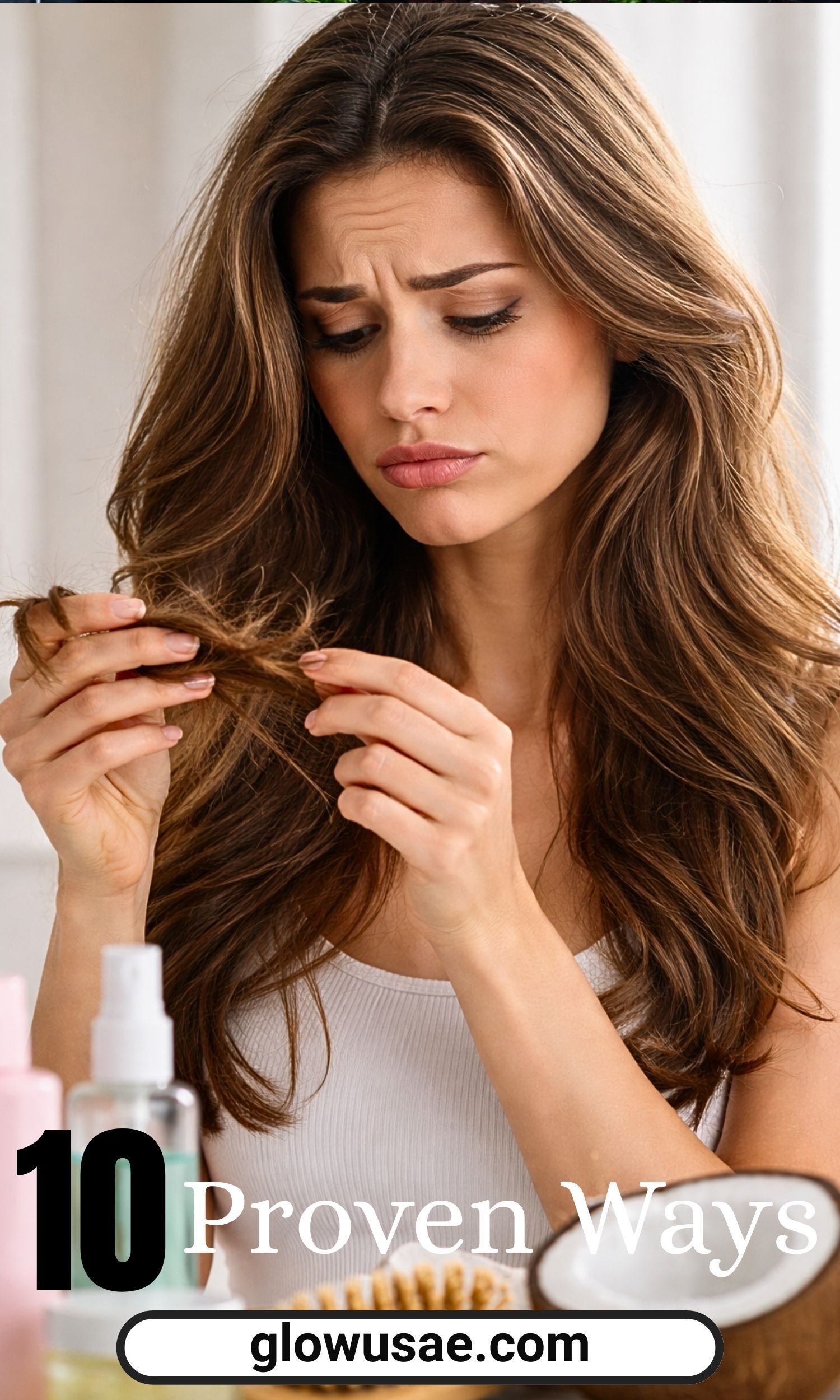
We’ve all done it. You shower late, tell yourself you’ll dry your hair, then wake up hours later with your face mashed into the pillow and your hair still damp. I’ve been there more times than I’d like to admit, and it almost never ends well.
Most mornings after sleeping on wet hair look the same. Dry ends. Knots that feel personal. And that one side of your head that’s flat like it gave up overnight. If you can avoid it, you should. Truly.
Still, sometimes it just happens. Summer heat, zero patience for a blow dryer, or a shower that ran way too late. Life gets busy. We get tired. So if wet hair at bedtime is unavoidable, let’s at least make it less of a disaster.
2. Why Sleeping With Wet Hair Isn’t Great
Let’s talk scalp first, because this part gets ignored a lot. Damp, warm places are exactly what bacteria and fungus love. Your scalp counts.
When you sleep with wet hair, that moisture sits there for hours. The result can be itchiness, flakes, soreness, or that tight, uncomfortable feeling the next day. It doesn’t always happen right away, but repeat it enough times and your scalp will complain.
Doing it once in a while? Probably fine. Doing it often? Your scalp will absolutely notice.
3. Never Go to Bed With Dripping Wet Hair
This is the big one. If your hair is still dripping, pause. I know your bed is calling, but this is where damage really starts.
Wet hair stretches easily. That’s why it snaps faster when brushed too hard after a shower. Now imagine rolling over on it all night. That constant tugging adds up.
At the very least, let your hair air dry for a bit. Pat it with a towel. Anything is better than sleeping on soaking strands you didn’t even detangle.
4. Don’t Let Your Hair Soak the Pillow
Wet sheets are uncomfortable. We can all agree on that. But there’s more going on than just bad sleep.
When your pillow stays damp, bacteria can build up. That can affect your skin, your scalp, and even your breathing. No, you won’t “catch a cold” from wet hair. That’s a myth. But breakouts, irritation, and scalp issues? Very possible.
If your pillowcase feels damp in the morning, it needs washing. No skipping this step.
5. Shower Earlier Than You Think
Night showers are comforting. Warm water, quiet house, instant calm. I love them too. But timing matters.
Washing your hair ten minutes before bed gives it zero chance to dry. That’s when tangles, breakage, and flat spots show up.
Even moving your shower 30 minutes earlier helps more than you’d expect. An hour is even better. That extra time makes your hair softer, looser, and easier to manage by morning.
6. Towel Dry the Right Way
Towel drying gets a bad reputation, but it’s all about how you do it. Done gently, it removes way more water than air drying alone.
If you know you won’t blow dry, at least towel dry before bed. Just don’t twist your hair up and leave it there. That pulls on wet strands and irritates your scalp.
Your goal is less moisture, not tension.
7. Use a Microfiber Towel
Regular cotton towels feel soft on skin but rough on wet hair. They create friction and can lift the cuticle.
Microfiber towels are a game changer. They absorb more water and glide over hair instead of grabbing it. Less frizz. Less breakage. Better mornings.
For curly hair
- Tilt your head and let your curls fall naturally
- Scrunch gently upward with the towel
- Pat the roots instead of rubbing
For straight hair
- Pat and lightly squeeze in small sections
- Skip scrunching if you want to stay smooth
- Detangle gently from the ends upward
If your hair still feels very wet, repeat once more.
8. Swap Your Pillowcase
Cotton pillowcases feel cozy, but they create friction. Silk or satin lets hair slide instead of snag.
This matters even more when hair is damp. Less pulling means fewer broken strands and less frizz in the morning. Satin works just fine if silk feels too fancy.
One more thing. If you sleep with wet hair, always change your pillowcase the next day. Clean, dry fabric makes a real difference for both hair and skin.