Hair Care Routine For Longer Healthier Hair: 16 Simple Ideas That Truly Work
Introduction
Growing long hair can feel like watching a plant grow. You water it, care for it, and wait patiently. Yet sometimes it seems like nothing is happening. I remember a time when my hair would grow a little, then break off just as fast. No matter how many expensive products I bought, the length never seemed to stay. The truth is that healthy hair growth is not only about what happens at the scalp. It is also about protecting every strand from damage.
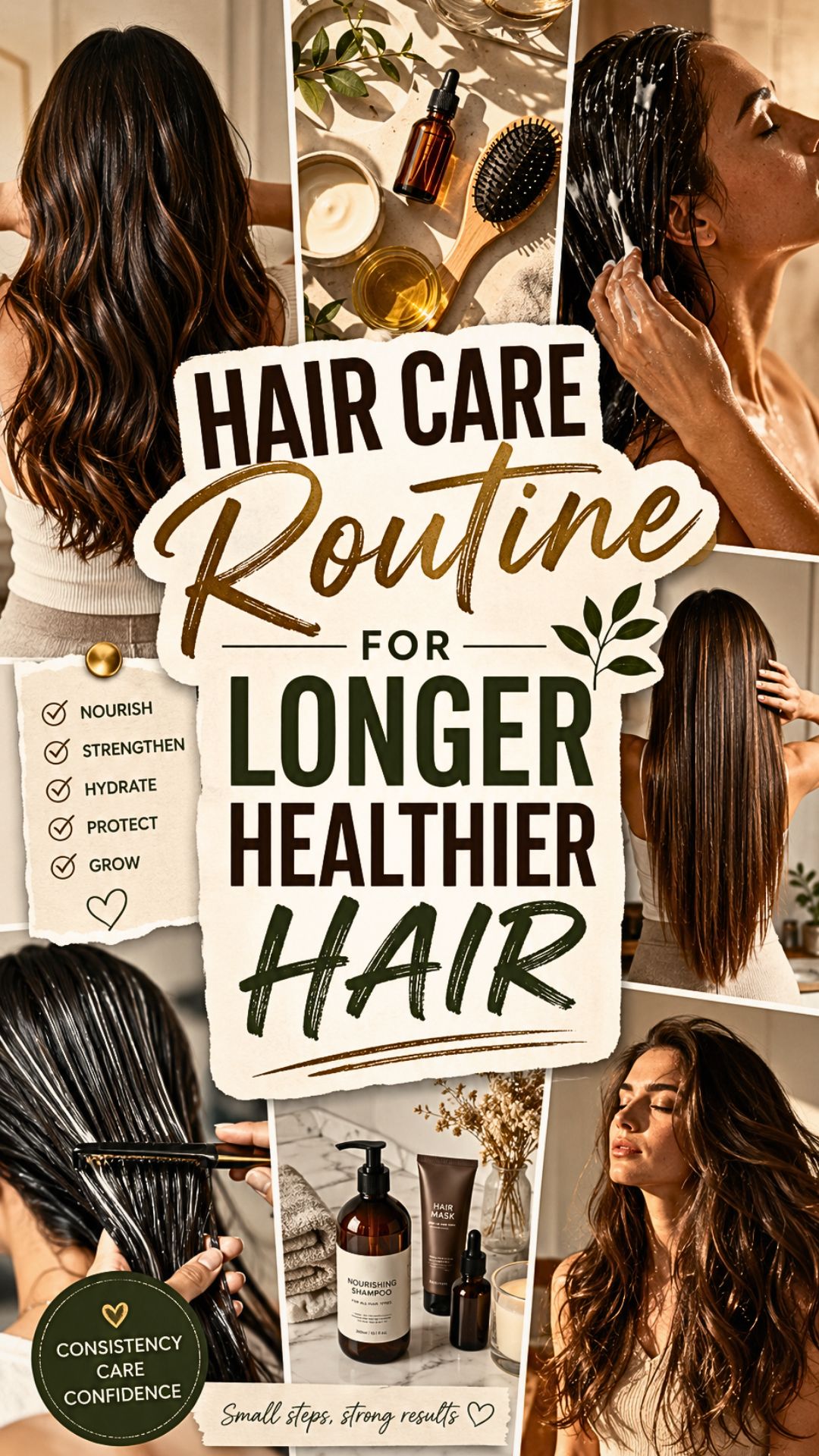
A good Hair Care Routine For Longer Healthier Hair focuses on both growth and retention. Your hair already grows naturally, but keeping that growth is the real challenge. Small daily habits often make a bigger difference than trendy treatments. The good news is that you do not need a complicated routine. A few smart changes can help your hair become stronger, shinier, and easier to manage.
Signs Your Hair Care Routine Is Working
| Sign | What It Means |
|---|---|
| Less breakage | Hair strands stay stronger |
| Reduced split ends | Better moisture and protection |
| More shine | Hair cuticles are smoother |
| Easier detangling | Less damage and dryness |
| Increased length retention | Hair keeps growing without breaking |
| Healthier scalp | Better environment for hair growth |
1. Start With a Healthy Scalp
Think of your scalp as the soil in a garden. Healthy soil helps plants grow, and a healthy scalp helps hair thrive. If the scalp is clogged with oil, dirt, and product buildup, hair may not grow at its best. I noticed a huge difference in my own hair when I stopped focusing only on the strands and started caring for my scalp.
Wash your scalp regularly based on your hair type. Some people need washing every few days, while others can wait longer. Gently massage the scalp with your fingertips during washing. This helps remove buildup and improves blood flow. Avoid scratching with your nails because it can cause irritation. A clean and balanced scalp creates the perfect place for stronger and healthier hair growth.
2. Use a Gentle Shampoo
Many people believe stronger shampoo means cleaner hair. I used to think that too. Then I realized some shampoos left my hair feeling like straw. Harsh cleansers can strip away natural oils that protect the hair shaft. When that happens, hair becomes dry and more likely to break.
Choose a shampoo that cleans without leaving hair overly dry. Look for formulas designed for your hair type. If your hair feels squeaky clean after washing, it may be losing too much moisture. Healthy hair needs balance. The goal is to remove dirt and oil while keeping the hair comfortable, soft, and manageable.
Quick Shampoo Tips
- Focus shampoo on the scalp.
- Use lukewarm water instead of hot water.
- Do not wash more often than necessary.
- Rinse thoroughly to prevent buildup.
- Be gentle while massaging.
3. Never Skip Conditioner
Conditioner is like a protective coat for your hair. It helps smooth the cuticle and reduce friction. Before I started using conditioner consistently, my hair tangled easily and snapped during brushing. Once conditioner became a regular part of my routine, I noticed less breakage and more shine.
Apply conditioner mainly to the mid-lengths and ends. These parts of the hair are older and need extra care. Leave it on for a few minutes before rinsing. Conditioner helps replace moisture lost during washing. Over time, this simple step can make hair stronger and easier to manage.
4. Deep Condition Every Week
Regular conditioner works well, but deep conditioning takes hydration to another level. Think of it as giving your hair a long drink of water after a hot day. Deep treatments help restore softness and elasticity, especially if your hair feels dry or damaged.
Set aside one day each week for a deep conditioning session. Leave the treatment on for the recommended time. Some people like to cover their hair with a shower cap for extra warmth. Weekly deep conditioning can help reduce breakage and improve overall hair health, making it easier to keep the length you grow.
5. Be Gentle With Wet Hair
Wet hair is much more fragile than dry hair. I learned this lesson after years of rough towel drying. Every time I rubbed my hair aggressively, I was creating unnecessary damage. Once I switched to gentler methods, I noticed fewer broken strands.
Use a microfiber towel or a soft cotton T-shirt to remove excess water. Pat or squeeze the hair gently instead of rubbing it. When detangling, start at the ends and work upward slowly. Treat wet hair with care, and it will reward you with less breakage and better length retention.
6. Detangle the Right Way
Knots happen to everyone. The mistake many people make is trying to force a brush through tangled hair. That approach often leads to snapping and pulling. Healthy long hair needs patience during detangling.
Use a wide-tooth comb or a gentle detangling brush. Work in small sections. Begin at the ends and slowly move upward. Adding a leave-in conditioner can help the comb glide more smoothly. A few extra minutes spent detangling carefully can save countless strands from unnecessary damage.
7. Feed Your Hair From Within
Hair health starts inside the body. No product can fully replace good nutrition. I noticed my hair felt stronger when I focused on balanced meals instead of relying only on beauty products. Hair is made mostly of protein, so your diet matters.
Include foods rich in protein, vitamins, and minerals. Eggs, fish, beans, nuts, fruits, and vegetables are great choices. Staying hydrated is equally important. Think of your body as the factory that creates hair. The better the raw materials, the better the final product.
Nutrients That Support Hair Health
| Nutrient | Common Sources |
|---|---|
| Protein | Eggs, fish, beans |
| Iron | Spinach, lentils |
| Vitamin C | Oranges, berries |
| Zinc | Nuts, seeds |
| Omega-3 | Salmon, walnuts |
| Biotin | Eggs, sweet potatoes |
8. Protect Hair While Sleeping
Your pillow can either help your hair or hurt it. Cotton pillowcases create friction as you move during sleep. Over time, that friction can lead to tangles and breakage. I was surprised by how much smoother my hair felt after changing my nighttime routine.
Try using a silk or satin pillowcase. You can also wear a satin bonnet or scarf. Loose braids are another great option. These small changes help reduce friction and keep hair protected while you sleep. It is one of the easiest ways to support healthier hair growth.
9. Limit Heat Styling
Heat tools can create beautiful styles, but too much heat weakens hair over time. Flat irons, curling irons, and blow dryers can remove moisture from the hair shaft. This often leads to dryness, split ends, and breakage.
You do not have to stop using heat completely. Instead, use it less often and always apply a heat protectant. Try air-drying when possible. Embracing your natural texture occasionally gives your hair a chance to recover. Less heat usually means stronger and healthier strands.
10. Trim Split Ends Regularly
Some people avoid trims because they want longer hair. I understand that feeling. However, damaged ends can split further up the strand if left untreated. This often causes more length loss in the long run.
Regular trims help keep hair looking healthy and neat. You do not need to remove large amounts of hair. Small trims every few months can prevent bigger problems later. Healthy ends make it easier to maintain overall length and appearance.
11. Use Leave-In Products Wisely
Leave-in products can act like a shield for your hair. They help lock in moisture and protect against daily wear and tear. The key is finding the right amount. Too much product can weigh hair down, while too little may not provide enough protection.
Apply leave-in conditioner or a lightweight cream to damp hair. Focus on the mid-lengths and ends. These products can help reduce tangles, improve softness, and protect against environmental stress. A little often goes a long way.
12. Avoid Tight Hairstyles
Tight ponytails and buns may look sleek, but they can put stress on the hair and scalp. Constant tension can weaken hair over time. Some people even experience thinning around the hairline because of repeated pulling.
Choose looser styles whenever possible. Soft braids, low buns, and relaxed ponytails are gentler options. Your hair should feel secure but not painful. Comfort is often a good sign that your hairstyle is not causing unnecessary stress.
13. Shield Hair From the Environment
Hair faces daily challenges from sunlight, wind, pollution, and dry air. These factors can slowly damage the hair cuticle. Think of your hair like fabric left outside every day. Without protection, it starts to wear down.
Wear a hat during long periods in strong sunlight. Use protective hairstyles when spending time outdoors. Hydrating products can also help create a barrier against environmental stress. Small protective habits can preserve the strength and beauty of your hair.
14. Massage Your Scalp Regularly
Scalp massage feels relaxing, but it may also support a healthier scalp environment. It encourages circulation and helps you pay attention to scalp health. Many people enjoy making it part of their evening routine.
Use your fingertips and apply gentle pressure for a few minutes. You can do this while shampooing or during a quiet moment before bed. The process feels calming and can become a simple act of self-care. Healthy hair often starts with consistent care rather than dramatic treatments.
15. Stay Consistent and Patient
One of the hardest parts of a Hair Care Routine For Longer Healthier Hair is patience. We live in a world that loves instant results. Hair growth does not work that way. Most healthy hair grows gradually over time.
Take progress photos every month instead of checking your hair daily. Small improvements become easier to notice. Consistency matters more than perfection. The habits you repeat every week often create the biggest results over the course of a year.
16. Create a Routine You Can Actually Follow
The best hair routine is not the most expensive one. It is the one you can maintain consistently. I have seen people buy shelves full of products only to give up after a few weeks. A simple routine done regularly often beats a complicated routine done occasionally.
Focus on the basics. Cleanse your scalp, condition your hair, protect it from damage, and nourish your body. Build habits that fit naturally into your lifestyle. When your routine feels easy and sustainable, you are far more likely to stick with it. That consistency is often the secret behind long, healthy, beautiful hair.
Final Thoughts
A successful Hair Care Routine For Longer Healthier Hair is built on simple habits rather than quick fixes. Healthy growth comes from caring for your scalp, protecting your strands, eating nutritious foods, and avoiding unnecessary damage. Each step may seem small on its own, but together they create a strong foundation for healthier hair.
Think of hair care as a long journey instead of a race. Every gentle wash, every nourishing meal, and every protective habit adds up over time. Stay patient, stay consistent, and celebrate the small wins along the way. Your future hair will thank you for the care you give it today.