Natural-Looking Balayage for Dark Hair: The Effortless Glow You Didn’t Know You Needed
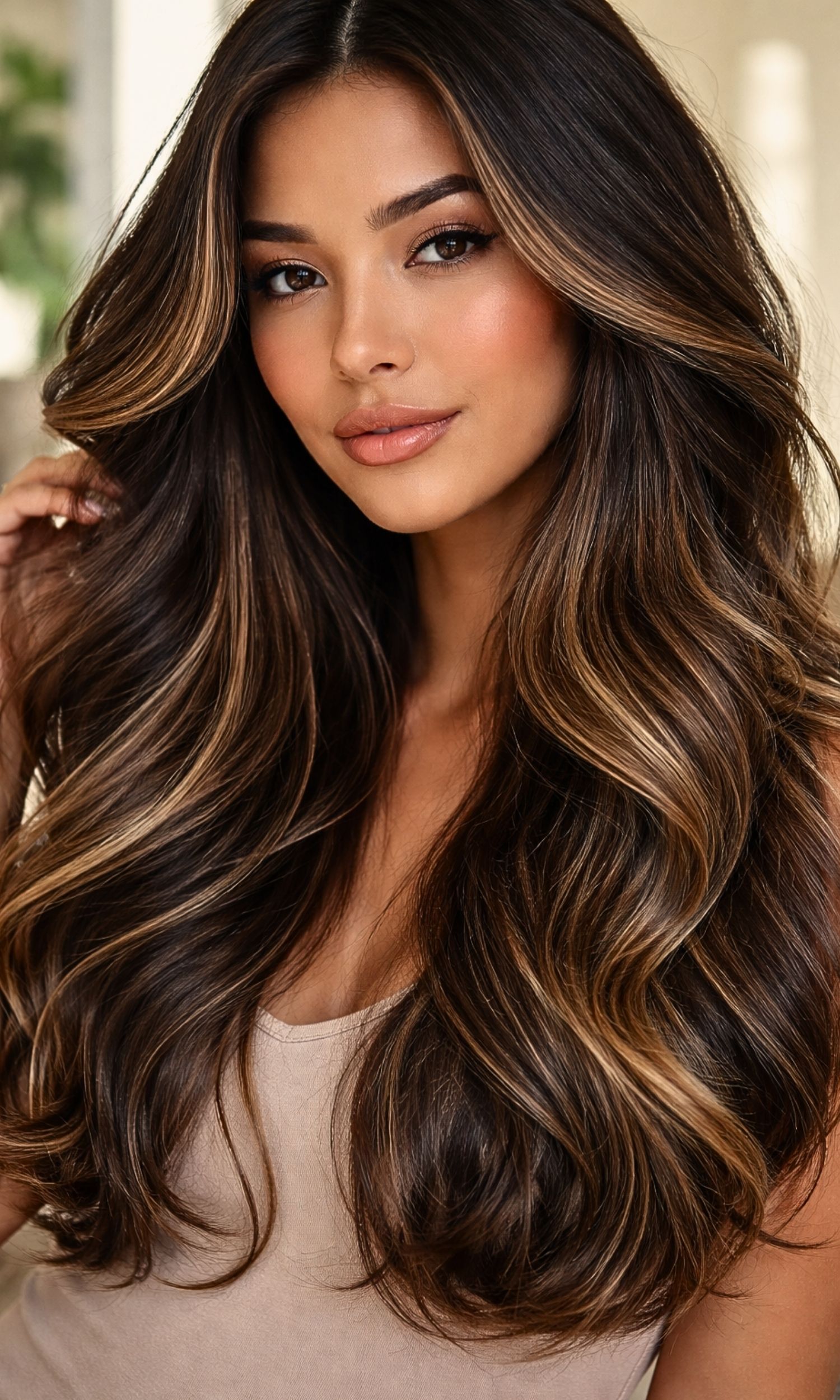
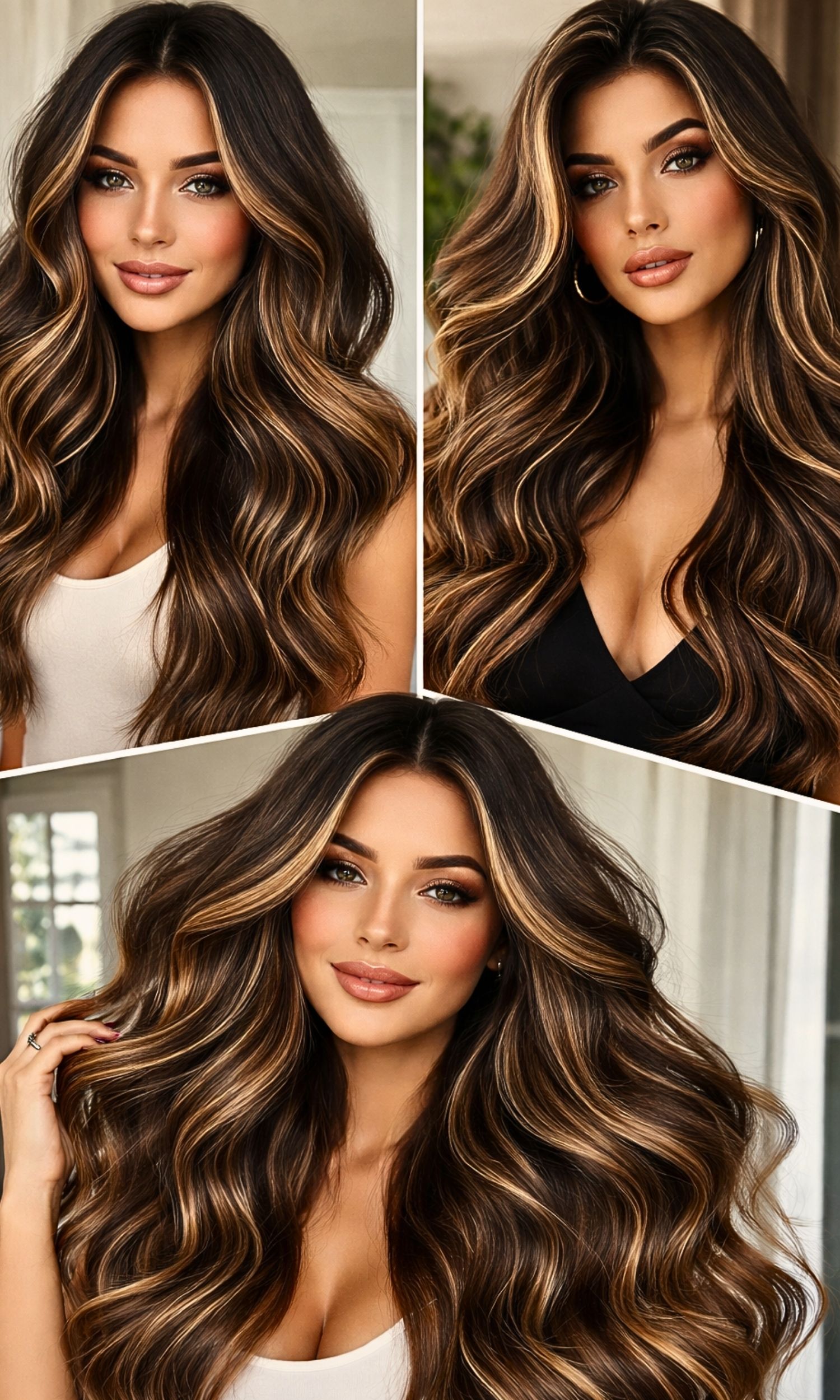
If you’ve ever looked at someone’s hair and thought, “Wow, that looks naturally perfect,” chances are you were admiring natural-looking balayage for dark hair. I remember the first time I tried it. I was nervous. My hair was deep black, and I feared it would turn orange or look fake. But when it was done, it felt like sunshine had gently kissed my hair. No harsh lines. No drama. Just soft, glowing strands.
Balayage is not just a trend. It is a feeling. It is about subtle beauty and confidence. For dark hair, it can feel tricky. But when done right, it creates depth, shine, and movement that looks effortless. In this guide, I’ll walk you through everything in a simple way. Think of it like a friend sharing honest advice over tea.
1. What Makes Balayage Different from Regular Highlights
Balayage feels like art. Traditional highlights use foils and follow strict patterns. But balayage is freehand. The color is painted on the hair like a brush on canvas. This gives a soft, blended look.
For dark hair, this difference matters a lot. Foil highlights can look too sharp. But balayage melts into your natural color. It grows out softly, so you don’t need constant touch-ups. It feels low effort, but looks high-end.
When I first switched from highlights to balayage, I noticed something simple. My hair looked better even weeks later. That’s the magic. It ages gracefully, just like a good memory.
2. Why Dark Hair Looks Stunning with Balayage
Dark hair has depth. It reflects light in a rich way. When balayage is added, it creates contrast without losing that richness.
Imagine a night sky with a soft sunrise glow. That’s what balayage does. It adds warmth and dimension without taking away the beauty of dark tones.
Many people think dark hair cannot carry lighter shades well. That is not true. With the right technique, caramel, honey, or mocha tones blend beautifully. It feels natural, like your hair just caught the sun during a long vacation.
3. Choosing the Right Shade for Your Skin Tone
Picking the right shade is key. It can make or break your balayage. I learned this the hard way when I once chose a shade too light. It looked off and felt unnatural.
Here’s a simple guide to help:
| Skin Tone | Best Balayage Shades | Why It Works |
|---|---|---|
| Warm undertone | Caramel, honey, golden | Enhances warmth |
| Cool undertone | Ash brown, beige, mocha | Balances tones |
| Neutral | Soft brown, chocolate mix | Versatile and natural |
Your goal is harmony. The color should blend, not fight your natural tone. When it matches, your whole face lights up.
4. The Most Popular Balayage Ideas for Dark Hair
Here are some ideas that always work. Each one gives a slightly different vibe:
- Caramel balayage for soft warmth
- Chocolate brown balayage for subtle shine
- Ash brown balayage for a modern look
- Honey balayage for a sun-kissed glow
- Bronze balayage for richness
- Face-framing highlights for brightness
- Ombre-style balayage for drama
- Soft mocha tones for depth
- Golden streaks for warmth
- Subtle red undertones for uniqueness
- Beige balayage for softness
- Root melt balayage for seamless blending
- Babylights for a delicate touch
- Smoky tones for edge
- Natural sun-kissed effect for everyday beauty
Each of these ideas can be adjusted. The goal is always the same: keep it soft and natural.
5. How to Ask Your Stylist for a Natural Look
This part is so important. I used to say, “Just do balayage,” and hope for the best. That’s risky.
Instead, be clear. Tell your stylist you want a soft, blended look. Use words like “subtle,” “sun-kissed,” and “low contrast.” Show photos if you can.
Also, ask for a root melt. This helps the color blend with your natural roots. It avoids harsh lines and makes everything look smoother.
Communication is everything. When you and your stylist are on the same page, magic happens.
6. The Balayage Process Explained Simply
Let me break it down in an easy way. First, your stylist sections your hair. Then, they paint color onto selected strands.
There are no foils in most cases. The color is placed where it will catch light naturally. After that, it processes and is washed out.
Sometimes, a toner is added. This step refines the shade. It removes unwanted warmth or enhances softness.
The whole process can take a few hours. But trust me, it is worth it.
7. How to Maintain Your Balayage at Home
Balayage is low maintenance, but it still needs care. I learned this after my color faded too quickly once.
Use a sulfate-free shampoo. This helps keep the color longer. Deep condition your hair once a week. It keeps it soft and shiny.
Also, avoid too much heat styling. Heat can dull the color. When you protect your hair, your balayage stays fresh and glowing.
8. Common Mistakes to Avoid
Many people make small mistakes that ruin the look. One big mistake is going too light too fast. Dark hair needs a gradual lift.
Another mistake is skipping toner. Without it, the color can look brassy. That warm orange tone is not what you want.
Also, avoid DIY balayage if you’re unsure. It may seem easy online, but it is tricky in real life. A professional touch makes a huge difference.
9. How Often Should You Touch It Up?
This is the beauty of natural-looking balayage for dark hair. You don’t need frequent touch-ups.
Most people refresh it every 3 to 6 months. Some even go longer. Since the roots are natural, the grow-out looks soft.
You might only need a toner in between. That keeps the color fresh without redoing everything.
It saves time, money, and effort. And honestly, that’s a big win.
10. The Cost vs Value of Balayage
Balayage can feel expensive at first. I remember hesitating before my first appointment. But when I saw the result, I understood why.
It lasts longer than regular highlights. It needs fewer touch-ups. And it looks more natural over time.
Think of it as an investment. You pay once, but enjoy it for months. The value is in the longevity and the confidence it brings.
11. Balayage for Different Hair Lengths
Balayage works on all lengths. But the effect changes slightly.
On long hair, it looks flowing and soft. On medium hair, it adds movement. On short hair, it creates texture and depth.
Even a bob can look stunning with balayage. It frames the face beautifully. No matter your length, it can be tailored to you.
12. How Weather Affects Your Balayage
Sun, heat, and humidity can change your hair color. I noticed my balayage became lighter after a beach trip.
Sun exposure can brighten the color. That can be nice, but too much can dry your hair. Always use a UV protectant spray if you can.
In humid weather, frizz can hide the color detail. Keep your hair hydrated to maintain that smooth, blended look.
13. Emotional Confidence Boost from Hair Changes
This might sound simple, but hair changes can feel powerful. When I got my balayage, I felt more confident. It was like a quiet upgrade.
You don’t need a drastic change to feel new. Sometimes, soft highlights can shift how you see yourself.
Balayage is subtle, but it speaks loudly. It says you care about yourself, without trying too hard.
14. Is Balayage Safe for Dark Hair?
Yes, but it depends on how it’s done. Lightening dark hair involves bleach, so care is needed.
A skilled stylist will protect your hair. They will use the right products and timing. This reduces damage.
You can also support your hair with masks and oils. Healthy hair holds color better and looks more vibrant.
15. Final Thoughts: Embrace the Natural Glow
At the end of the day, natural-looking balayage for dark hair is about balance. It is not about changing who you are. It is about enhancing what you already have.
Think of it like sunlight filtering through trees. Soft, warm, and beautiful without effort. That is the feeling balayage gives.