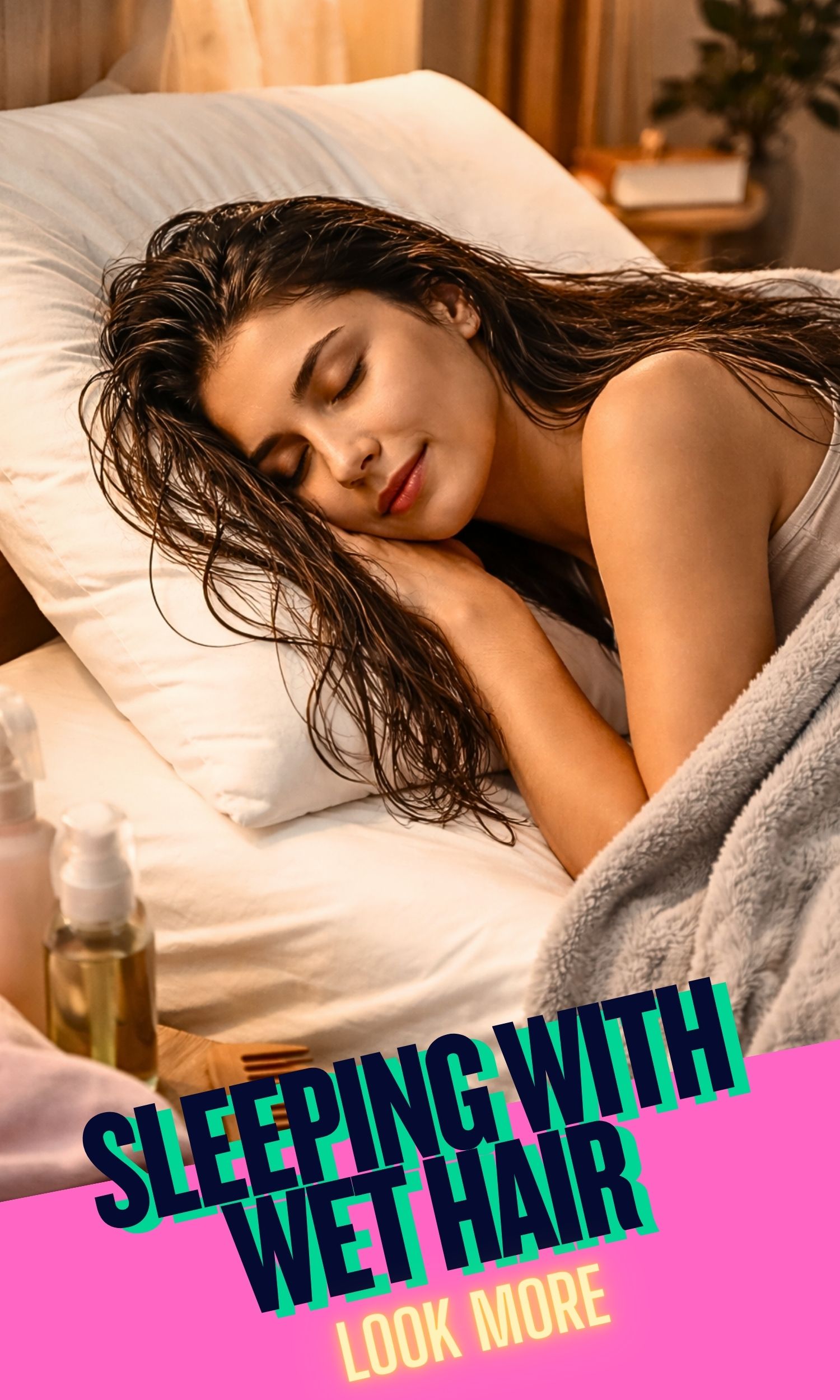
Sleeping With Wet Hair: Tips to Do It the Right Way
1. Wet Hair in Context
Image via @columbuseditorialsociety
Have you ever fallen asleep with wet hair? I have. More times than I’d like to admit. And every single time I wake up thinking, “Why did I do that?”
Usually, the morning is chaos. The ends feel dry and rough. My hair is tangled like it fought a small battle overnight. And one side is always flatter than the other, like my pillow decided to press it into submission.
Most of the time, sleeping with wet hair is simply a bad idea. If you can avoid it, you really should.
But let’s be real. Sometimes it just happens.
Maybe it’s a hot summer night and the thought of using a blow dryer feels unbearable. Maybe you’re trying a style that needs damp hair to set. Or maybe you showered too late and now you’re too tired to care. Honestly, that last one happens to all of us.
If you do end up sleeping with wet hair, there are a few simple things you can do to avoid a full hair disaster in the morning. A little care before bed can save you from having to wash your hair all over again.
2. Why Is It Bad to Sleep With Wet Hair?
Let’s start with your scalp, because that’s where the real trouble begins.
A damp scalp creates the perfect little home for bacteria and fungus. Dermatologists talk about this a lot. Warm and moist places help microbes grow fast, and your pillow can trap that moisture all night.
When this happens, your scalp may start to feel itchy, dry, or flaky. Sometimes it even becomes sore to touch. It’s not the most pleasant way to start the day.
Doing it once in a while probably won’t cause serious problems. Life happens. But if you make it a habit, your scalp may start sending some clear warning signs.
3. Never Fall Asleep With Dripping Wet Hair
Image via @hairbykayleightaylor
There is a big difference between damp hair and soaking wet hair.
If your hair is still dripping from the shower, try not to go straight to bed. I know the feeling. You shower, put on pajamas, and suddenly your bed looks ten times more comfortable than usual.
But sleeping with hair that is completely soaked can cause real damage. Wet hair is fragile. It stretches easily and breaks faster than dry hair.
Think about how careful we are when brushing wet hair. The same tension happens while you sleep. Every time you turn your head on the pillow, your strands get pulled and stretched.
At the very least, let your hair air-dry for a bit or gently pat it with a towel to remove the extra water.
4. Avoid Letting Your Hair Soak Your Pillowcase
Wet pillows are uncomfortable. Anyone who has tried sleeping on one knows that.
But the bigger issue is hygiene. When moisture transfers from your hair to your pillowcase, it creates a damp surface that bacteria enjoy.
Sleeping this way often won’t give you a cold. That’s a common myth. Colds come from viruses, not wet hair.
However, constant damp pillowcases can still cause problems, such as:
- Bacteria buildup on your pillow
- Possible fungal infections like scalp ringworm
- Skin breakouts from bacteria near your face
- Irritation to the scalp
Your pillow should feel fresh and dry, not like a sponge.
5. Shower a Little Earlier
Image via @strands_hair
Night showers are wonderful. They calm the body and help clear the mind after a long day. I personally love that quiet feeling after a warm shower before bed.
But washing your hair ten minutes before sleep can create trouble.
The simple fix is timing. Even moving your shower earlier by 30 to 60 minutes can help your hair dry naturally.
That extra time lets the strands settle and release moisture. Your hair will tangle less and feel much smoother in the morning.
Sometimes the smallest changes make the biggest difference.
6. Towel Dry With a Microfiber Towel
Image via @blackbasichome
Towel drying works well when you do it gently and use the right material.
Many people grab a regular cotton towel. It works fine for skin, but it can be rough on wet hair. Cotton fibers may create friction that leads to frizz and breakage.
Microfiber towels are much softer and more absorbent. They remove water without pulling or roughing up the hair cuticle.
A few gentle presses can remove more moisture than you might expect.
Just remember one important thing. Never sleep with your hair wrapped tightly in a towel. It pulls at the roots and can cause serious tangling.
7. The Best Way to Towel Dry Hair
A gentle technique works best. Think of it like caring for delicate fabric rather than scrubbing a dish.
| Hair Type | Recommended Drying Method |
|---|---|
| Curly Hair | Tilt your head and let curls hang naturally. Use the towel to softly scrunch upward to absorb water. |
| Straight Hair | Pat and lightly squeeze sections of hair instead of scrunching. This helps maintain smooth strands. |
For curly hair, scrunching helps remove water while keeping the curl pattern intact.
For straight hair, gentle pressing works better. Scrunching may create unwanted bends or waves.
After drying, use a wide-tooth comb or detangling brush. Start from the ends and slowly move upward to avoid pulling.
8. Switch to a Silk or Satin Pillowcase
Image via @silkmagnolia
Your pillowcase matters more than most people think.
Cotton pillowcases feel soft, but they can create friction while you sleep. That friction pulls at the hair and may lead to breakage or frizz.
Silk or satin pillowcases are much smoother. Hair glides across them instead of getting stuck. That means less pulling and fewer tangles by morning.
They also stay cooler and more breathable, which helps when your hair is slightly damp.
If you do sleep with wet hair, remember one more thing. Wash your pillowcase the next day. A fresh and dry surface keeps both your hair and scalp healthier.