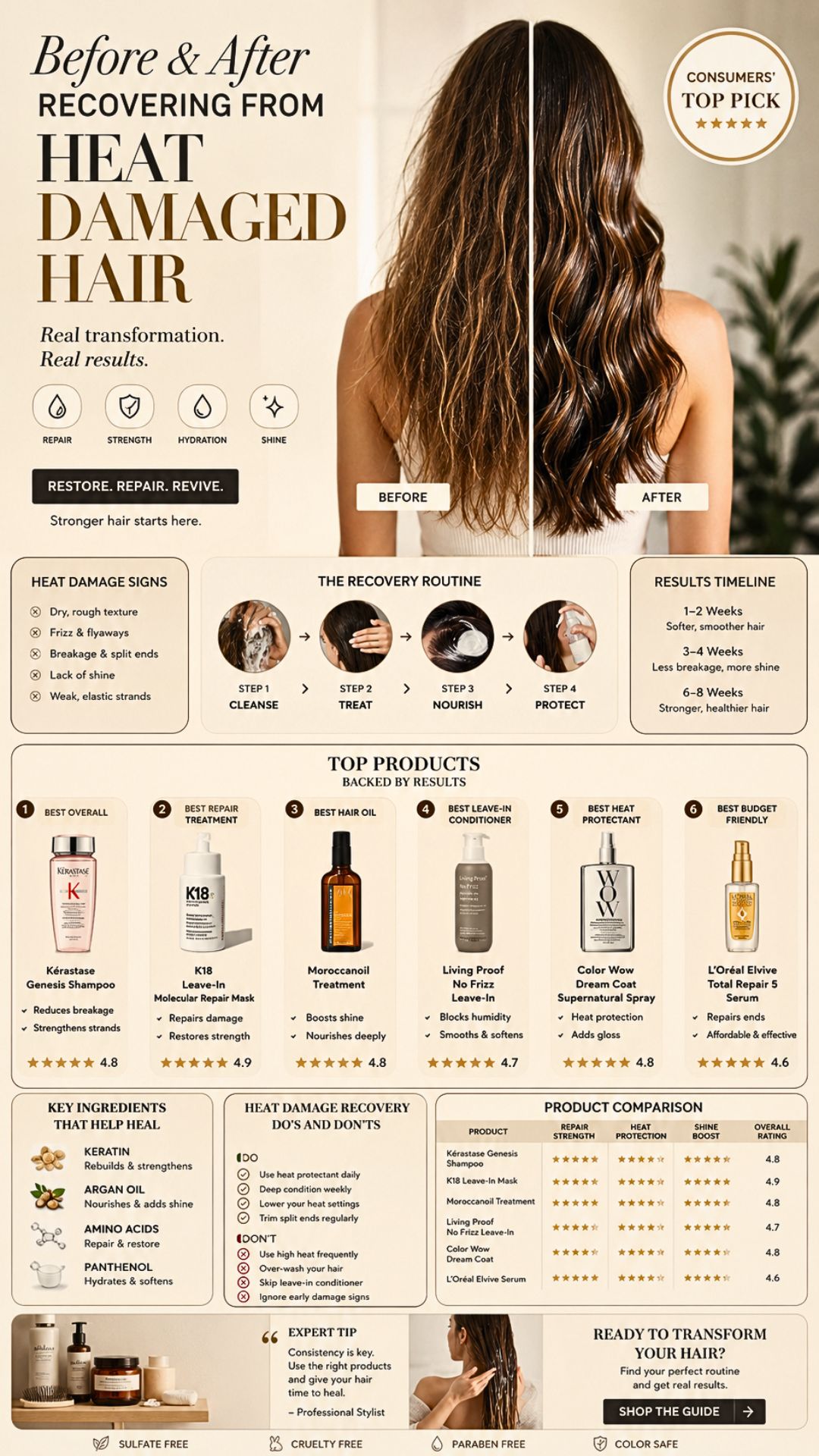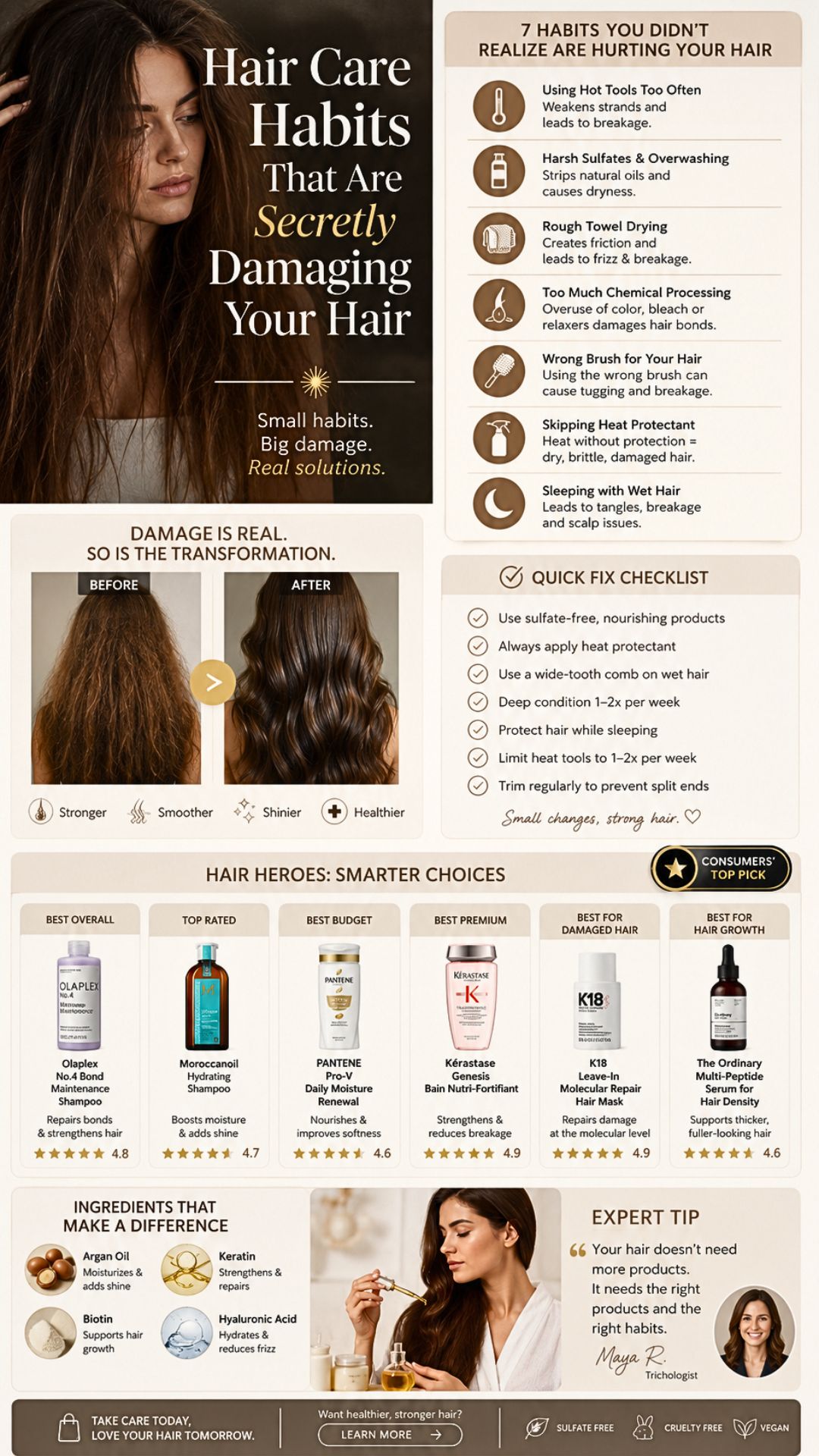
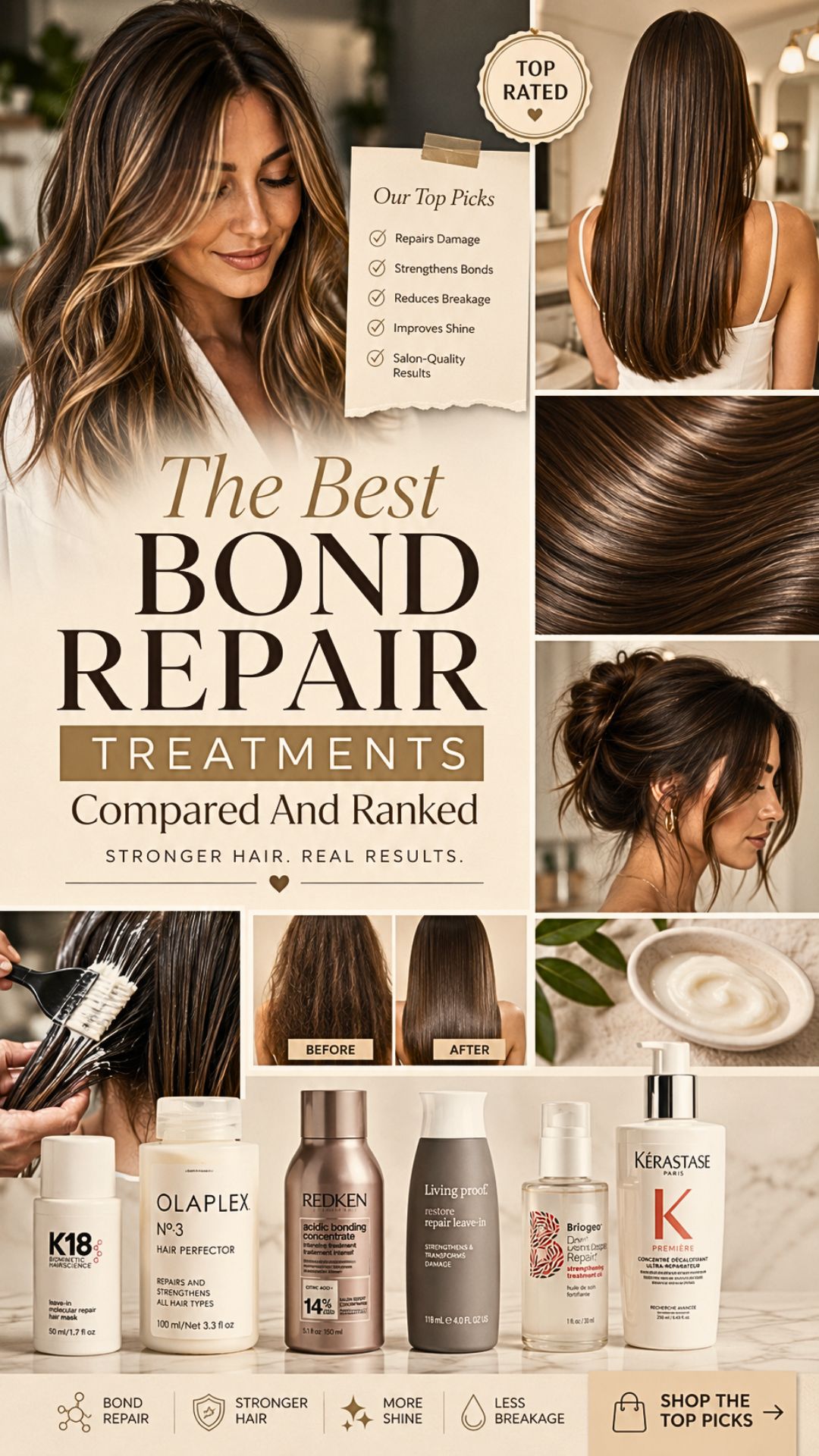
The Best Bond Repair Treatments Compared And Ranked
If your hair feels dry, weak, or breaks every time you brush it, you are not alone. Heat styling, bleach, coloring, and even daily washing can slowly damage the inner structure of your hair. The good news is that modern bond-building products can help improve the condition of damaged strands.
In this guide, we’ll compare the Best Bond Repair treatments available today. You’ll learn how they work, who they are best for, and which one may fit your hair type and budget. Whether you have fine hair, curly hair, or heavily bleached hair, this guide will help you choose a treatment that supports stronger, healthier-looking hair.
What Is Bond Repair?
Hair is made up of tiny protein chains connected by different types of bonds. These bonds give your hair strength, flexibility, and shape. Chemical treatments, bleaching, heat tools, and even UV exposure can weaken these bonds over time.
Bond repair treatments are designed to help reinforce damaged hair by supporting its internal structure. While they cannot completely reverse severe damage, they can noticeably improve:
- Hair strength
- Elasticity
- Smoothness
- Shine
- Manageability
- Reduced breakage
Many people notice healthier-looking hair after using these treatments consistently for several weeks.
Why Bond Repair Products Have Become So Popular
Years ago, deep conditioners mainly focused on adding moisture. Today, many formulas combine hydration with bond-building technology.
These products are popular because they help:
- Reduce visible damage
- Protect hair during coloring
- Improve softness
- Minimize split ends
- Support longer, healthier hair
- Make styling easier
If your hair feels rough after bleaching or frequent heat styling, adding a bond repair treatment can become one of the most valuable steps in your routine.
How We Ranked The Best Bond Repair Treatments
Not every product performs the same way. We compared them using several important factors.
- Repair technology
- Ingredients
- Ease of use
- Price
- Hair type compatibility
- Moisture balance
- Professional reputation
- Customer feedback
The goal was to recommend products that work well for different needs rather than choosing one winner for everyone.
Comparison Table
| Product | Best For | Repair Level | Moisture | Frequency |
|---|---|---|---|---|
| Olaplex No.3 Hair Perfector | Bleached and damaged hair | Excellent | Medium | Weekly |
| K18 Leave-In Molecular Repair Hair Mask | Severe chemical damage | Excellent | Light | After washing |
| Redken Acidic Bonding Concentrate | Daily maintenance | Very Good | High | Regular use |
| Living Proof Triple Bond Complex | Heat-damaged hair | Very Good | Medium | Weekly |
| Briogeo Don’t Despair, Repair! | Dry hair | Good | Excellent | Weekly |
| L’Oréal Paris EverPure Bond Repair | Budget-friendly care | Good | Medium | Regular use |
1. Olaplex No.3 Hair Perfector
For many people, Olaplex introduced the idea of bond-building hair care. It remains one of the most trusted treatments for chemically processed hair.
Why it stands out
Olaplex No.3 helps improve the appearance of damaged hair by supporting weakened bonds. It works especially well for hair that has been bleached multiple times.
Best for
- Platinum blonde hair
- Color-treated hair
- Heat-damaged hair
- Brittle ends
Pros
- Helps reduce breakage
- Improves softness
- Adds shine
- Suitable for many hair types
Cons
- Needs time to work before shampooing
- Premium price
This is an excellent option if your hair has gone through multiple coloring sessions.
2. K18 Leave-In Molecular Repair Hair Mask
K18 has become one of the biggest names in hair repair because of its lightweight leave-in formula.
Unlike traditional masks, it works without needing a long rinse-out treatment.
Why people love it
The formula leaves hair feeling soft without making it heavy.
Many users with overprocessed hair notice improved smoothness after several applications.
Best for
- Bleached hair
- Fine damaged hair
- Frequent coloring
- Hair exposed to daily heat
Pros
- Lightweight
- Quick application
- Helps improve softness
- No rinse required
Cons
- Small bottle
- Higher cost per use
If you dislike heavy hair masks, K18 is a great alternative.
3. Redken Acidic Bonding Concentrate
This product line combines bond support with moisture, making it ideal for people whose hair feels both damaged and dry.
The shampoo, conditioner, and leave-in treatment work together, but even one product can make a noticeable difference in your routine.
Best for
- Daily maintenance
- Colored hair
- Frizzy hair
- Dry ends
Pros
- Hydrating
- Smooth finish
- Easy to use
- Helps reduce frizz
Cons
- Works best as a complete system
Many people enjoy how soft and manageable their hair feels after regular use.
4. Living Proof Triple Bond Complex
If you frequently use curling irons, straighteners, or blow dryers, this treatment deserves attention.
It focuses on strengthening hair while helping reduce future styling damage.
Best for
- Heat styling
- Weak hair
- Fine hair
- Everyday protection
Pros
- Lightweight
- Helps improve strength
- Doesn’t feel greasy
- Easy to apply
Cons
- Premium pricing
This is a smart choice for anyone who styles their hair several times each week.
5. Briogeo Don’t Despair, Repair!
Sometimes damaged hair also lacks moisture. That’s where Briogeo performs well.
Instead of feeling protein-heavy, this mask provides deep conditioning while supporting healthier-looking strands.
Best for
- Curly hair
- Thick hair
- Dry hair
- Textured hair
Pros
- Rich moisture
- Soft finish
- Silicone-free
- Suitable for weekly treatments
Cons
- May feel heavy on fine hair
If your hair feels rough rather than stretchy, this mask can be a good fit.
6. L’Oréal Paris EverPure Bond Repair
Not everyone wants to spend salon-level prices on hair care.
This affordable option offers bond-supporting ingredients while remaining accessible for regular use.
Best for
- Budget shoppers
- Mild damage
- Everyday care
- Color-treated hair
Pros
- Affordable
- Easy to find
- Gentle formula
- Good value
Cons
- Less intensive than premium treatments
It’s an excellent entry point if you’re just starting a bond repair routine.
Which Bond Repair Treatment Is Best For Your Hair?
Choosing the right treatment depends on your biggest hair concern.
Choose Olaplex if:
- Your hair has been bleached multiple times.
- You notice frequent breakage.
- Your hair feels weak after coloring.
Choose K18 if:
- You want a lightweight leave-in treatment.
- Your hair feels damaged but gets oily easily.
- You prefer a quick routine.
Choose Redken if:
- Your hair is dry and damaged.
- You wash your hair several times each week.
- You want an easy daily system.
Choose Living Proof if:
- You use heat tools often.
- Your hair feels weak from styling.
- You want lightweight protection.
Choose Briogeo if:
- Your curls need moisture.
- Your hair feels coarse.
- You prefer rich conditioning masks.
Choose L’Oréal EverPure if:
- You have a smaller budget.
- Your damage is mild.
- You want affordable maintenance.
How To Use Bond Repair Treatments Correctly
Even the best product cannot work well if it isn’t used properly.
Follow these simple steps.
Step 1
Wash your hair with a gentle shampoo that doesn’t leave heavy buildup.
Step 2
Remove excess water using a microfiber towel.
Avoid rubbing your hair.
Step 3
Apply the treatment evenly.
Focus on the mid-lengths and ends, where damage is usually greatest.
Step 4
Follow the directions.
Some treatments rinse out, while others stay in the hair.
Step 5
Use consistently.
Hair repair takes time. Weekly use usually provides the best results.
Tips To Get Better Results
Small habits can make your treatment work even better.
- Lower your heat styling temperature.
- Use a heat protectant every time.
- Sleep on a silk pillowcase.
- Trim split ends regularly.
- Avoid excessive bleaching.
- Use wide-tooth combs on wet hair.
- Deep condition when your hair feels dry.
- Protect hair from sun exposure.
Consistency matters more than using large amounts of product.
Common Bond Repair Mistakes
Many people expect instant results or accidentally slow their progress.
Try to avoid these mistakes.
- Using too much product
- Skipping treatments for weeks
- Applying leave-in products incorrectly
- Using very high heat immediately afterward
- Ignoring moisture needs
- Expecting split ends to fully heal
- Switching products every week
Healthy hair routines work best when they stay consistent.
Bond Repair vs Deep Conditioning
Many shoppers wonder whether they need both.
Bond repair focuses on improving the strength of damaged hair by supporting weakened bonds.
Deep conditioners mainly restore moisture, softness, and flexibility.
The two products actually work well together.
A simple routine could look like this:
- Bond repair treatment once a week
- Moisturizing mask once a week
- Gentle shampoo
- Lightweight conditioner
- Heat protectant before styling
This balanced routine supports both strength and hydration.
Signs Your Hair Needs Bond Repair
Your hair may benefit from a bond-building treatment if you notice:
- Hair snaps easily
- Increased shedding from breakage
- Rough texture
- Bleach damage
- Heat damage
- Split ends
- Hair stretches when wet before breaking
- Loss of shine
- Tangles more easily than before
The earlier you begin caring for damaged hair, the easier it usually becomes to maintain healthier-looking strands.
Styling Tips While Repairing Damaged Hair
Repair products work best when paired with gentle styling habits.
Try loose hairstyles instead of tight ponytails. Air dry whenever possible. If you use hot tools, keep temperatures moderate and avoid making multiple passes over the same section.
Using a wide-tooth comb instead of a fine brush on wet hair can also reduce unnecessary breakage.
These small changes help protect the improvements you’re making with your treatment.
Are Expensive Bond Repair Products Worth It?
Higher-priced treatments often contain advanced repair technologies and concentrated formulas. For hair that has been heavily bleached or chemically processed, many people find the investment worthwhile.
However, that doesn’t mean everyone needs the most expensive option. If your hair has only mild damage, a budget-friendly treatment paired with good hair care habits may provide satisfying results.
The best choice depends on your hair condition, styling routine, and how often you use heat or chemical services.
Final Thoughts
Finding the Best Bond Repair treatment isn’t about buying the most expensive product—it’s about choosing the one that matches your hair’s needs. Bleached hair may benefit from intensive formulas like Olaplex or K18, while dry or mildly damaged hair may respond well to hydrating options such as Redken, Briogeo, or L’Oréal EverPure.
Whichever treatment you choose, remember that healthy hair is built through consistent care rather than quick fixes. Pair your bond repair product with gentle washing, regular conditioning, and smart heat styling habits for the best results over time.
If you’re ready to upgrade your routine, check the recommended styling tools, shop the look, or try this product for easier styling. With the right bond repair treatment and a little patience, you can enjoy smoother, stronger, and healthier-looking hair every day.