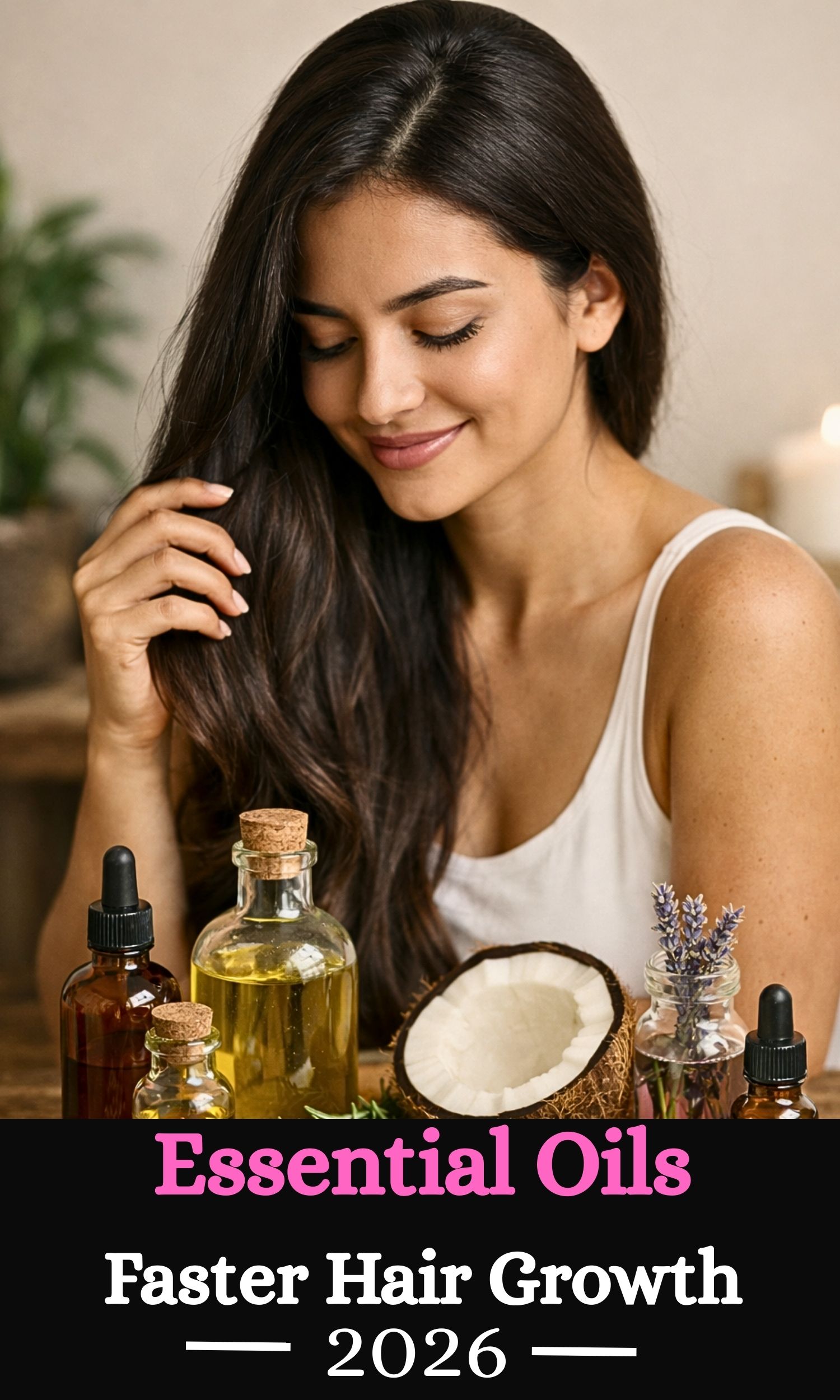
Top Reasons to Use Essential Oils for Faster Hair Growth
1. Hair Oiling Isn’t Just a Trend
Some beauty trends fade fast. Hair oiling is not one of them. In many Indian homes, it’s a weekly ritual. Kids grow up sitting on the floor while a parent massages warm oil into their scalp. I still remember the smell of coconut oil and the slow, gentle circles on my head. It felt calm and comforting.
This old practice uses natural oils and plant extracts to care for hair. These oils help boost shine, strength, and thickness. They also keep the scalp healthy, which is where good hair truly begins.
Lately, the West has caught on too. Over the past few years, hair oiling has exploded on TikTok and Google searches. What was once a quiet cultural habit is now a global beauty ritual.
2. Why Hair Oils Can Feel Confusing
If you’ve ever tried to pick a hair oil, you know the struggle. There are so many options. Each bottle promises thicker hair, less breakage, or a calm scalp. It can feel like standing in a maze.
People with fine hair worry oils will make their hair flat. Those with oily scalps wonder why they should add more oil at all. I had the same doubts at first. The idea sounded good, but it also felt risky.
The truth is simple. When used the right way, hair oils can help almost every hair type. The key is knowing how to apply them and choosing the right blend.
3. What Essential Oils Really Are
Essential oils come from plants. They are made by steaming or pressing parts of a plant like flowers, leaves, seeds, or roots. This process pulls out the plant’s natural scent and its helpful compounds.
Think of essential oils like a plant’s strongest form. A few drops can hold the power of many leaves or petals. That’s why they smell strong and work quickly.
These oils often contain vitamins, antioxidants, and fatty acids. Together, they help protect the scalp and support healthy hair growth.
4. How To Oil Your Hair the Right Way
Hair oiling is not just pouring oil on your head and hoping for magic. The real benefit comes from the massage.
First, warm a small amount of oil between your fingers. Then gently massage it into your scalp. Use slow, circular motions and move across the whole head. Do this for about two or three minutes.
Once your scalp feels covered, smooth the leftover oil through the ends of your hair. Many people leave it overnight. If your hair is long, braid it or tie it in a loose bun so the oil stays in place.
You can also use a soft scalp brush during the massage. It helps spread the oil and boosts the relaxing feel.
5. Why Hair Oiling Works So Well
The secret is not only the oil. The massage plays a huge role.
When you massage the scalp, you boost blood flow. This brings oxygen and nutrients to the hair roots. It also helps move lymph fluid, which supports scalp health.
Then the oils do their part. Most natural oils carry nutrients that hair loves. They can help with:
- Dry hair
- Weak strands
- Dull shine
- Itchy scalp
- Dandruff
- Hair thinning
For example, cedarwood oil may support hair growth. Argan oil is famous for deep moisture and heat protection. Many oils work together to give hair strength and shine.
6. Popular Essential Oils for Hair
Different oils solve different problems. Some boost growth. Others calm the scalp.
Here are a few popular choices.
| Oil | What It Helps With |
|---|---|
| Geranium Oil | Supports growth and strengthens strands |
| Ylang-Ylang Oil | Boosts natural scalp oils to reduce dryness |
| Rosemary Oil | Improves circulation and may reduce hair loss |
| Tea Tree Oil | Helps control flakes and oily buildup |
| Lemongrass Oil | Adds shine and may ease dandruff |
Each oil has its own personality. Some soothe the scalp, while others wake it up.
7. Always Dilute Essential Oils
This step matters a lot. Essential oils are very strong. Using them alone can irritate your scalp and skin.
That’s why they should always be mixed with a carrier oil. Carrier oils are gentle base oils that help spread essential oils safely.
Common carrier oils include:
- Coconut oil
- Jojoba oil
- Olive oil
- Almond oil
These oils also add their own benefits. They nourish the scalp while helping the essential oils work better.
8. Choosing the Right Hair Oil Blend
With so many oils out there, choosing one can feel overwhelming. But here’s the good news: many hair oils already come as balanced blends.
These formulas mix several oils together. Each oil supports the others. It’s a bit like a team where everyone plays a different role.
So instead of hunting for one “perfect” oil, look for blends that combine several trusted ingredients. Just like skincare, sometimes the magic happens when good things work together.
9. Final Tips for Getting the Best Results
Hair oiling works best when you stay consistent and patient.
Here are a few helpful tips:
- Be patient. Visible results may take months. Hair grows slowly.
- Oil once a week. Too much oil can clog the scalp.
- Shampoo well. Some oils are stubborn, so washing twice can help.
- Protect your skin. If you oil overnight, keep oil away from your face.
- Massage gently. Use your fingertips, not your nails.
Think of hair oiling like watering a plant. You don’t flood it once and expect instant growth. You care for it slowly, week by week.
Over time, that care adds up. And your hair will thank you for it.