Track Practice Hairstyles That Won’t Mess Up: 15 Game-Changing Ideas for Athletes
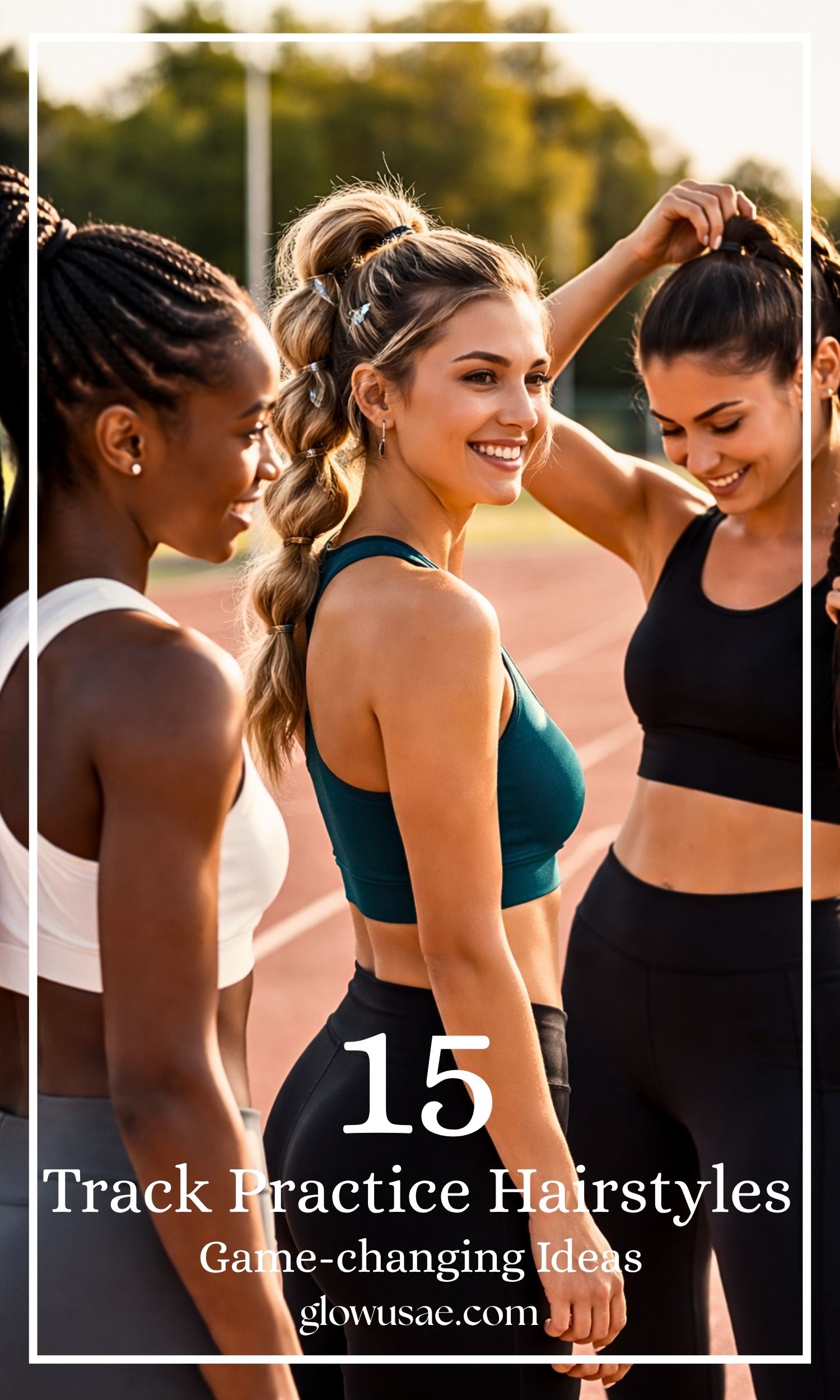
When you’re out on the track, the last thing you want is your hair getting in your face, sticking to your neck, or falling apart mid-run. I’ve been there—halfway through a sprint, trying to fix a loose ponytail while gasping for air. It’s frustrating, distracting, and honestly, it can ruin your focus. That’s why finding the right track practice hairstyles that won’t mess up is not just about style—it’s about performance, comfort, and confidence.
Think of your hairstyle like your running shoes. If it doesn’t support you, it slows you down. The best styles stay in place, feel light, and handle sweat like a pro. In this guide, I’ll share 15 tried-and-true hairstyles that hold up through drills, sprints, and long runs. These are simple, strong, and built for movement—just like you.
1. The Classic High Ponytail (But Better)
A high ponytail is like the old friend you can always trust, but it needs a small upgrade to survive track practice. Instead of tying it once and hoping for the best, use two hair ties—one to secure and one to lock it in place. This small trick adds grip and keeps your ponytail from sagging during intense runs.
I remember using a single tie during practice, only to feel my ponytail sliding lower with every lap. It felt like carrying extra weight. Once I switched to the double-tie method, everything changed. The ponytail stayed high, light, and out of the way, even during sprint intervals.
To make it even stronger, tease the base slightly before tying it. It gives your hair more hold and prevents slipping. This simple style works for almost all hair types and is perfect if you want something quick yet reliable.
2. Double Braided Pigtails
If you want zero movement and full control, double braids are your best friend. This style splits your hair into two sections and braids each side tightly. It spreads the weight evenly and stops hair from bouncing around while you run.
I used this style on days when we had long-distance drills. It felt secure, like my hair was locked in place. There was no need to adjust it between sets, which gave me more time to focus on breathing and pacing.
Double braids also reduce sweat buildup around your neck since your hair stays off your back. Plus, they look neat even after a tough session. It’s a simple style that quietly does its job without any fuss.
3. The Tight Dutch Braid
A Dutch braid is like a regular braid but stronger and more raised. It sits firmly on your scalp, making it perfect for high-movement workouts. This style holds your hair close, so nothing falls out during sprints or jumps.
The first time I tried a Dutch braid, I noticed how stable it felt. It didn’t swing or shift, even during fast runs. It was like my hair became part of my head instead of something separate.
If you want extra hold, add a bit of styling gel before braiding. This keeps flyaways down and helps the braid last longer. It’s a great option if you want a clean, athletic look that stays put.
4. Low Braided Bun
A low braided bun combines two strong styles into one. First, you braid your hair, then twist it into a bun at the base of your neck. This keeps everything compact and secure.
This style works well on hot days when sweat becomes a problem. Your hair stays off your neck, and the braid prevents loose strands. I often used this during humid weather, and it made a big difference in comfort.
It’s also great for longer practices because it doesn’t loosen easily. Once it’s in place, it stays there. Think of it as a “set it and forget it” hairstyle for track athletes.
5. Bubble Ponytail
The bubble ponytail is fun, stylish, and surprisingly strong. You start with a ponytail and add hair ties down the length, creating “bubbles.” Each section adds support, preventing the ponytail from swinging too much.
I tried this style during sprint training, and it felt more controlled than a regular ponytail. The sections stopped my hair from whipping around, which made running feel smoother.
It’s also a great choice if you want something different without extra effort. Just a few hair ties can turn a basic ponytail into a performance-ready style.
6. French Braided Ponytail
This style starts with a French braid at the top and ends in a ponytail. It keeps the front secure while allowing some movement at the back.
I love this for balance. The braid keeps hair out of my face, while the ponytail keeps things light. It’s perfect for days when you want both function and comfort.
Add a strong elastic at the end, and you’re good to go. It’s simple, effective, and looks great even after practice.
7. High Bun with Braided Base
A high bun is already a strong choice, but adding a braid at the base makes it even better. The braid anchors the bun and prevents it from slipping.
During intense workouts, I noticed regular buns would loosen. But with a braided base, the bun stayed firm and secure. It felt like it was locked in place.
This style is ideal for athletes who want zero distractions. Once it’s done, you don’t have to think about it again.
8. Cornrows for Long-Term Hold
Cornrows are one of the most durable track practice hairstyles that won’t mess up. They stay in place for days and handle sweat, movement, and time with ease.
I’ve seen teammates rely on cornrows during competition season. They didn’t have to worry about their hair at all, which gave them more mental space to focus.
This style is perfect if you want a long-term solution. It’s low-maintenance and highly reliable.
9. Twisted Low Ponytail
A twisted ponytail adds extra grip without much effort. You twist sections of your hair before tying them into a ponytail.
This small change makes a big difference. The twists hold the hair together and reduce slipping. I found it especially useful during windy days.
It’s quick, easy, and effective—perfect for busy practice schedules.
10. Boxer Braids
Boxer braids are tight, symmetrical, and built for movement. They keep your hair close to your head, reducing bounce and distraction.
I used this style during high-intensity interval training. It felt secure and balanced, like everything was in place.
It’s a strong choice for athletes who want maximum control and durability.
11. Half-Up Braided Style
This style combines a braid on top with loose hair at the bottom. It keeps hair out of your face while allowing some freedom.
I like this for lighter practice days. It feels less tight but still functional.
It’s a good mix of comfort and control, especially for medium-length hair.
12. Slicked-Back Ponytail
A slicked-back ponytail uses gel to hold everything in place. It keeps flyaways down and adds a clean finish.
This style is great for humid conditions. The gel acts like a shield against sweat and frizz.
It’s simple but very effective when done right.
13. Braided Headband with Bun
A braided headband adds extra hold at the front, while a bun keeps the rest secure.
I found this helpful during windy practices. The headband braid kept my hair from blowing into my face.
It’s both practical and stylish—a win-win.
14. Short Hair Spiked or Textured Style
If you have short hair, use a light product to add texture and hold. This prevents hair from falling into your eyes.
I’ve seen athletes with short hair benefit from this simple trick. It keeps everything neat and controlled.
Sometimes, less is more—and this style proves it.
15. Messy Bun (Done Right)
A messy bun can work if done correctly. The key is using strong ties and securing loose strands.
I used to think messy buns were unreliable, but with the right technique, they can last through practice.
It’s a relaxed style that still performs well when you need it.