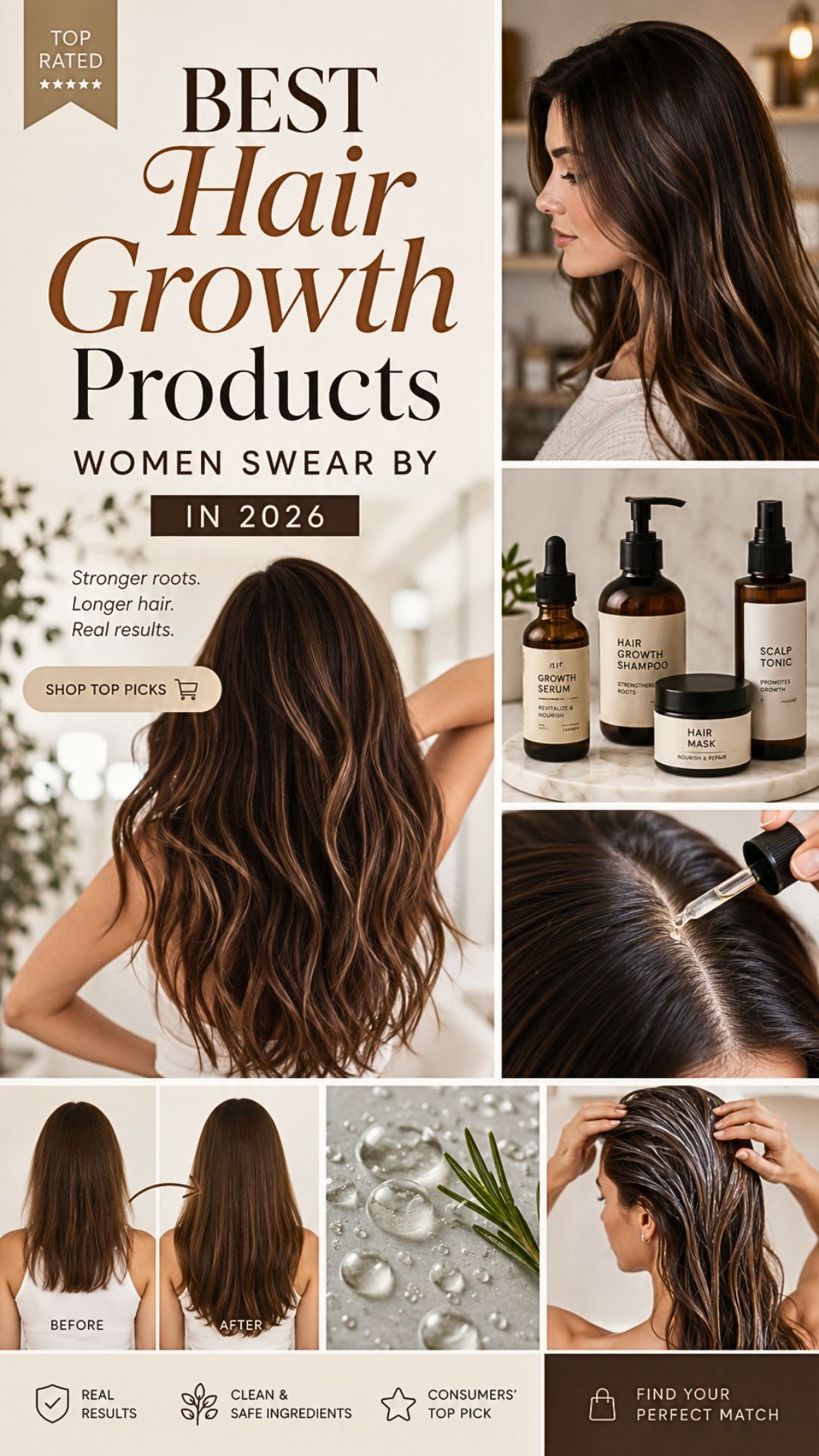
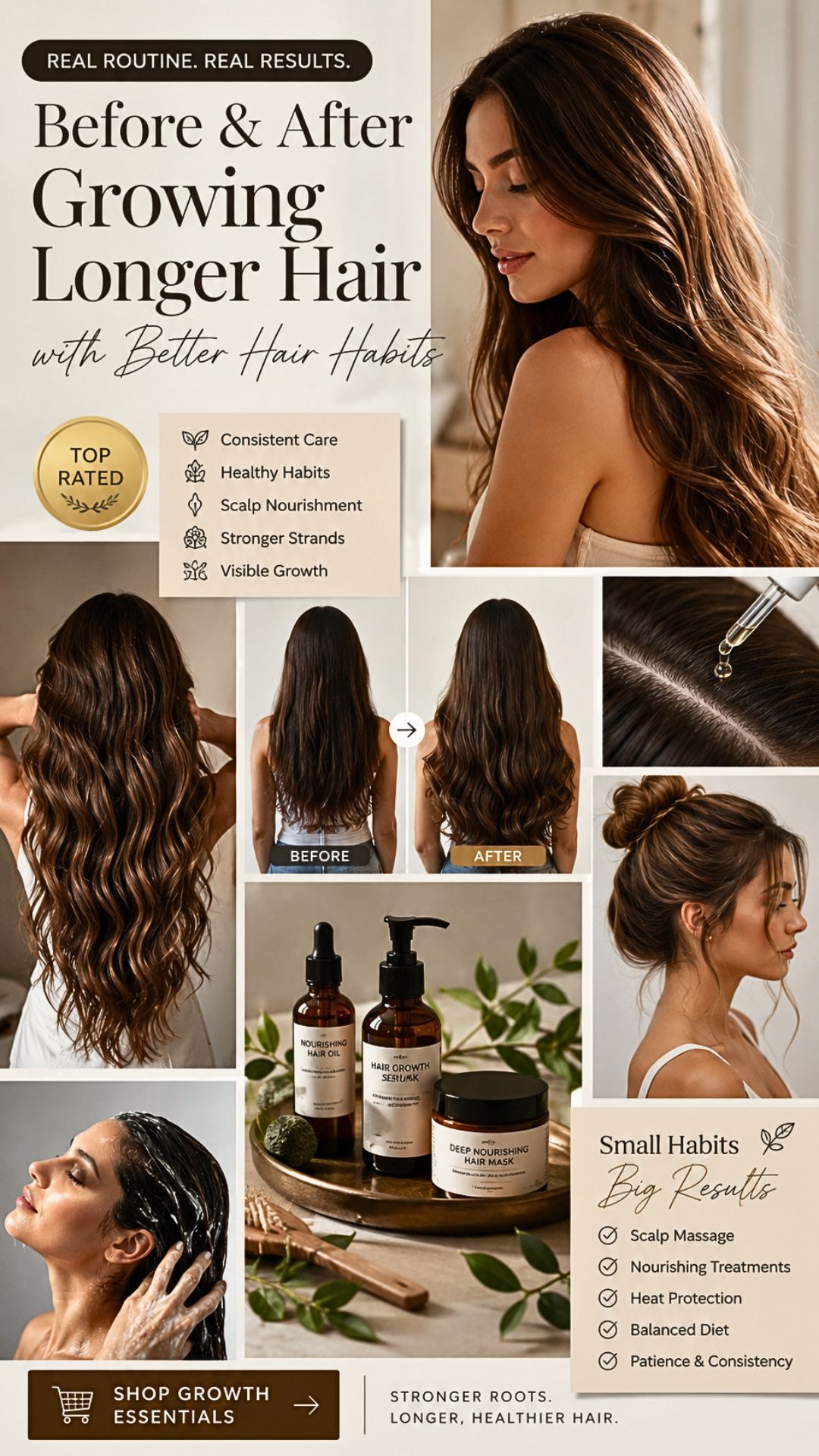
Before And After Growing Longer Hair With Better Hair Habits
Growing healthy, beautiful hair rarely happens overnight. Most people who achieve impressive results don’t rely on miracle products. Instead, they build simple habits that protect their hair every day. If you’ve been dreaming of Growing Longer Hair, the biggest difference often comes from changing your routine rather than chasing the latest trend.
This guide walks through realistic before-and-after changes that happen when you adopt better hair habits. You’ll also find practical tips, recommended tools, and simple routines that help reduce breakage, improve shine, and make it easier for your hair to reach its full length naturally.
Why Hair Habits Matter More Than You Think
Many people believe their hair simply “stops growing.” In reality, hair continues to grow from the scalp, but constant breakage prevents noticeable length.
Small daily habits can either help or hurt your progress. Heat damage, rough brushing, tight hairstyles, poor nutrition, and skipping trims all affect how long your hair looks over time.
Think of it like saving money. Small daily deposits create big results over months. Hair care works the same way.
Before And After: What Better Hair Habits Can Change
Everyone’s hair grows at a different speed, but healthy routines often lead to noticeable improvements over several months.
| Before Better Habits | After Better Habits |
|---|---|
| Dry, rough ends | Softer, healthier ends |
| Frequent split ends | Less breakage |
| Hair snaps while brushing | Stronger strands |
| Flat-looking hair | More natural shine |
| Constant frizz | Smoother appearance |
| Slow visible length | Better length retention |
| Tangles every day | Easier detangling |
| Uneven hair texture | More consistent texture |
The biggest transformation usually isn’t faster growth. It’s keeping more of the length your hair already grows.
The Science Behind Growing Longer Hair
Hair naturally grows through different stages.
- Growth phase (Anagen)
- Transition phase (Catagen)
- Resting phase (Telogen)
- Shedding phase (Exogen)
Most people grow about half an inch each month. Since this rate is mostly influenced by genetics, your goal should be protecting every inch that grows.
That means reducing damage instead of expecting instant growth.
Build A Hair Routine That Supports Longer Hair
Consistency matters much more than perfection.
A simple routine is easier to follow than an expensive ten-step routine you eventually quit.
A healthy routine usually includes:
- Gentle cleansing
- Regular conditioning
- Weekly deep conditioning
- Heat protection
- Scalp care
- Careful detangling
- Healthy sleeping habits
Doing these consistently often produces better long-term results than constantly switching products.
Start With A Healthy Scalp
Healthy hair begins with healthy skin.
Product buildup, excess oil, and flakes can make your scalp feel uncomfortable. A clean scalp creates a better environment for healthy hair.
Try to:
- Massage your scalp during shampooing
- Wash often enough for your hair type
- Avoid scratching with your nails
- Use a clarifying shampoo occasionally if you use many styling products
A gentle scalp massage may also improve circulation while making your routine feel relaxing.
Wash Your Hair The Right Way
Overwashing can leave some hair types dry, while washing too little may allow buildup to collect.
Instead of following strict schedules, pay attention to your hair.
Good washing habits include:
- Use lukewarm water.
- Focus shampoo on the scalp.
- Let the lather clean the lengths naturally.
- Apply conditioner mainly to mid-lengths and ends.
- Rinse thoroughly.
Simple changes like these help reduce dryness without making your routine complicated.
Never Skip Conditioner
Conditioner helps replace moisture lost during washing.
Well-conditioned hair feels softer, tangles less, and breaks less easily.
Look for conditioners that contain ingredients such as:
- Shea butter
- Coconut oil
- Argan oil
- Glycerin
- Panthenol
- Aloe vera
Choose formulas based on your hair type instead of buying the most expensive option.
Deep Conditioning Makes A Big Difference
A weekly hair mask gives extra moisture to dry ends.
If your hair has been colored, bleached, or frequently heat styled, deep conditioning becomes even more important.
Leave the treatment on for the recommended time, then rinse thoroughly.
Over several weeks, many people notice smoother hair and improved softness.
Reduce Heat Damage Whenever Possible
Heat styling is one of the biggest reasons people struggle to keep their length.
You don’t need to stop using hot tools completely.
Instead:
- Lower the temperature.
- Always use a heat protectant.
- Limit daily styling.
- Let hair air dry when possible.
- Use quality styling tools with adjustable heat.
Less heat means fewer broken ends.
Brush Your Hair Gently
Hair is more fragile than many people realize.
Aggressive brushing creates unnecessary breakage.
Instead:
- Start from the ends.
- Work upward slowly.
- Hold sections while brushing.
- Use a wide-tooth comb on wet hair.
- Never pull through large knots.
Patience saves more hair than force.
Protect Your Hair While Sleeping
Nighttime damage often goes unnoticed.
Cotton pillowcases create friction that can rough up the hair cuticle.
Simple nighttime habits include:
- Sleep on a satin or silk pillowcase.
- Wear a loose braid.
- Avoid sleeping with soaking wet hair.
- Use a soft scrunchie instead of tight elastic bands.
These habits reduce tangles and help preserve your hairstyle.
Eat For Healthier Hair
Hair needs nutrients to grow well.
A balanced diet supports healthy hair from the inside.
Focus on foods rich in:
- Protein
- Iron
- Zinc
- Vitamin D
- Omega-3 fatty acids
- Biotin-containing foods like eggs and nuts
Remember that supplements aren’t necessary for everyone. If you suspect a deficiency, it’s best to speak with a healthcare professional before starting supplements.
Drink Enough Water
Hydration supports overall health, including your scalp.
While drinking more water won’t magically speed up hair growth, staying hydrated helps your body function normally.
Pair good hydration with moisturizing hair products for the best results.
Don’t Fear Regular Trims
Many people skip trims because they want longer hair.
Ironically, damaged ends can split farther up the strand, causing you to lose even more length later.
Small trims every few months help maintain healthy ends without dramatically shortening your hair.
Think of trimming as protecting your progress rather than slowing it down.
Simple Daily Habits That Add Up
Tiny habits often create the biggest improvements over time.
Here are a few worth adopting:
- Avoid tight ponytails every day.
- Protect hair from excessive sun exposure.
- Use microfiber towels instead of rough cotton towels.
- Pat hair dry instead of rubbing.
- Avoid excessive chemical treatments.
- Detangle before washing if your hair tangles easily.
- Clean brushes regularly.
Each habit may seem small, but together they reduce daily stress on your hair.
Recommended Products That Support Longer Hair
The right products don’t make hair grow dramatically faster, but they can reduce breakage and improve overall hair health.
Here are some helpful categories to consider.
Gentle Sulfate-Free Shampoo
A mild shampoo cleans the scalp without stripping natural oils.
This is especially helpful for dry, curly, or color-treated hair.
Soft tip: Check the recommended styling tools and shampoos designed for your specific hair type.
Moisturizing Conditioner
A rich conditioner smooths the hair cuticle and improves manageability.
Look for formulas made for damaged or dry hair if your ends feel rough.
Soft tip: Try this product for easier styling and fewer tangles.
Leave-In Conditioner
Leave-in products provide lightweight moisture throughout the day.
They’re especially useful if your hair tangles easily or feels dry between washes.
Heat Protectant Spray
Anyone who blow-dries, curls, or straightens their hair should use heat protection.
A quality heat protectant forms a lightweight barrier that helps reduce damage from styling tools.
Soft tip: See the best tools for this look along with a reliable heat protectant.
Hair Oil
A few drops of lightweight hair oil can smooth flyaways and add shine.
Apply mainly to the mid-lengths and ends rather than the scalp.
Popular options include:
- Argan oil
- Jojoba oil
- Lightweight silicone-based finishing oils
Satin Pillowcase
This simple upgrade can reduce overnight friction.
Many people notice fewer tangles, less frizz, and smoother hair after switching from cotton.
Soft tip: Shop the look with a satin pillowcase and soft scrunchies for an easy nighttime routine.
A Simple Weekly Routine For Longer Hair
You don’t need an overwhelming schedule.
Monday
Wash, condition, and use leave-in conditioner.
Wednesday
Massage your scalp for five minutes.
Brush gently before bed.
Friday
Wash your hair again if needed.
Apply heat protectant before styling.
Sunday
Use a deep conditioning mask.
Trim tiny split ends if necessary or schedule regular salon maintenance.
Consistency matters much more than doing everything perfectly.
Common Mistakes That Slow Hair Progress
Many people unknowingly damage their hair every day.
Watch out for these habits:
- Using high heat daily
- Skipping conditioner
- Brushing roughly
- Tight hairstyles every day
- Bleaching too often
- Ignoring split ends
- Sleeping on rough pillowcases
- Constantly switching products
- Expecting instant results
Improvement usually happens gradually.
Healthy hair is built over months, not days.
Realistic Expectations For Hair Growth
Social media often shows dramatic before-and-after photos, but real progress looks different.
Most healthy hair grows around six inches per year, though this varies from person to person.
What usually changes first is:
- Less breakage
- Better shine
- Softer texture
- Easier styling
- Fuller-looking ends
- More noticeable length over time
These improvements often make hair appear healthier even before major length changes happen.
Signs Your Routine Is Working
Healthy habits create gradual improvements.
You may notice:
- Hair feels smoother after washing.
- Brushes collect fewer broken strands.
- Ends stay healthier between trims.
- Ponytails feel thicker.
- Hair styles more easily.
- Frizz becomes easier to manage.
- Your length becomes more noticeable month after month.
Taking monthly photos is a great way to track progress. Changes often become easier to see when comparing pictures instead of looking in the mirror every day.
Healthy Hair Is About Consistency, Not Perfection
There isn’t one secret product that works for everyone.
Long, healthy hair usually comes from combining several good habits. Gentle washing, regular conditioning, careful styling, healthy eating, and patience all work together over time.
Instead of searching for overnight results, focus on building a routine you can realistically follow every week. Small improvements add up, and your hair often rewards that consistency with less breakage, smoother texture, and better length retention.
If you’re ready to upgrade your routine, check the recommended styling tools, shop the look with a satin pillowcase and gentle accessories, or try a quality heat protectant for easier styling. The right products won’t do all the work for you, but they can make maintaining healthy, longer hair much easier over time.