Before And After Fixing Hair Breakage Naturally: What Really Works

If you’ve ever pulled a brush through your hair and watched strands snap off one after another, you already know how discouraging it feels. Hair breakage is one of the most common hair concerns out there, and yet so many people try to solve it the wrong way — trimming constantly, loading up on products, or assuming their hair just “grows like that.”
The truth is, fixing hair breakage is completely possible with the right approach. And when you do it naturally, the results are not just cosmetic. Your hair becomes genuinely stronger, softer, and more resilient over time. This article walks you through the before and after journey of healing broken hair — what it looks like, what actually causes it, and how to bring your hair back to life step by step.
What Hair Breakage Really Looks Like (The “Before” Stage)
Before we talk solutions, let’s talk about what you’re probably dealing with right now. Breakage doesn’t always look the same on everyone, and a lot of people confuse it with shedding or slow growth.
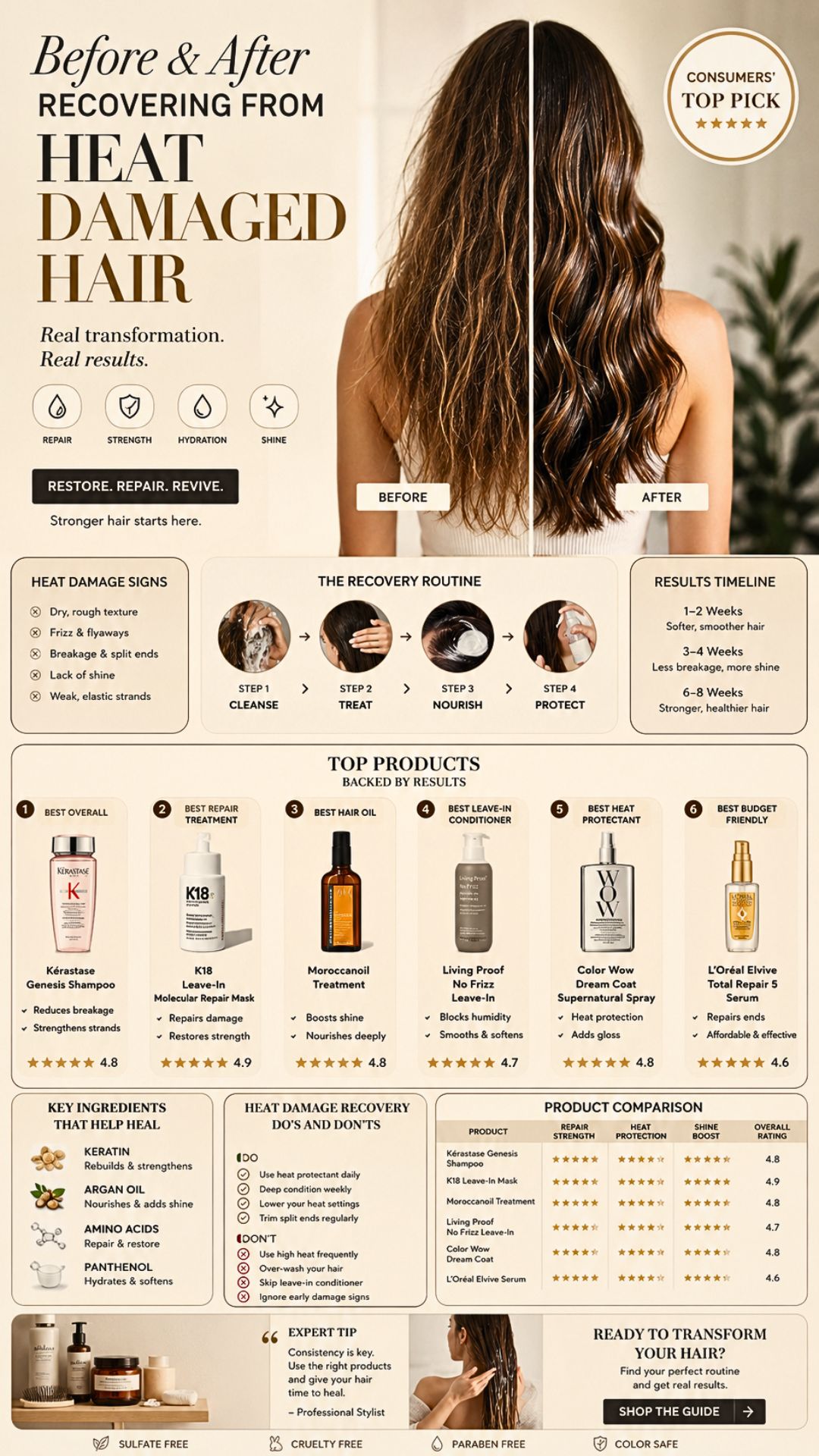
Here are the most common signs you’re experiencing breakage rather than normal hair loss. Broken strands are usually shorter than the rest of your hair. They don’t have a white bulb at the root like a shed hair does. Your ends may look thin, frayed, or uneven. You might notice lots of tiny pieces on your pillow or in the shower drain. Your hair may feel dry, rough, or like it’s constantly tangled.
Once you know what you’re looking for, you can start to understand where the damage is actually coming from — and that’s where real change begins.
Common Causes of Hair Breakage You Might Be Overlooking
You can’t fix the problem without understanding the root cause. Hair breakage almost always comes down to a few repeat offenders, and chances are more than one applies to you.
Over-manipulation is a big one. Brushing too hard, combing dry hair, and styling too frequently all cause physical stress that weakens the hair shaft. Heat damage is another major cause — blow dryers, flat irons, and curling wands strip moisture and make hair brittle over time. Then there’s protein-moisture imbalance, which is something a lot of people don’t think about. Hair needs both protein for strength and moisture for flexibility. When one is off, breakage happens.
Tight hairstyles, chemical treatments, poor diet, and even sleeping on a rough cotton pillowcase can all contribute. The good news is that once you identify your triggers, fixing hair breakage becomes a lot more targeted and effective.
The Natural Approach to Fixing Hair Breakage: Why It Works Better Long-Term
A lot of commercial products promise to “repair” your hair. But most of them just coat the surface with silicones, giving an illusion of smoothness without actually healing anything. Natural treatments work differently — they nourish from within the shaft, strengthen the hair’s structure, and restore what the damage has depleted.
When you take the natural route, you’re also being gentler on your scalp, which means healthier hair growth from the root. It’s a slower process, but the before and after difference is more lasting. Think of it like skincare — you can use foundation to cover a breakout, or you can treat the skin itself and watch the problem gradually disappear.
Step-by-Step Guide to Fixing Hair Breakage Naturally
Here’s a realistic, beginner-friendly routine you can start this week. You don’t need to overhaul your entire hair care routine at once. Take it one step at a time.
Step 1: Deep Condition Weekly This is non-negotiable. A weekly deep conditioning treatment replenishes lost moisture and strengthens weakened strands. Look for masks with ingredients like shea butter, avocado oil, honey, or aloe vera. Apply generously, cover with a shower cap, and leave on for at least 30 minutes before rinsing.
Step 2: Add a Protein Treatment Monthly If your hair snaps easily and feels limp or mushy when wet, it’s likely low on protein. A monthly protein treatment helps rebuild the hair’s structure. Egg masks, rice water rinses, and hydrolyzed keratin treatments are all excellent natural options.
Step 3: Switch to a Silk or Satin Pillowcase This one simple change can make a noticeable difference within weeks. Cotton pillowcases create friction that physically snaps fragile strands as you sleep. A silk or satin surface lets hair glide instead of catching and breaking.
Step 4: Detangle Gently and Always When Wet Always detangle with a wide-tooth comb or a detangling brush, starting from the ends and working your way up. Never yank through dry tangles. Apply a leave-in conditioner or detangling spray first to provide slip.
Step 5: Reduce Heat Styling Try to go 2–3 weeks at a time without using direct heat. When you do use heat tools, always apply a heat protectant first and use the lowest effective temperature setting. Check the recommended styling tools with built-in temperature control — they make this step so much easier.
Step 6: Seal With Natural Oils After moisturizing, seal in that hydration with a lightweight natural oil. Argan oil, jojoba oil, and castor oil are all wonderful for reducing breakage and adding shine. Apply a small amount to damp hair, focusing on the ends.
Step 7: Trim Strategically Trimming does not make hair grow faster, but it does remove split ends that travel up the shaft and cause more breakage. A small trim every 8–10 weeks keeps your ends from splitting further up.
Tools and Products That Support Your Natural Breakage Repair Journey
You don’t need a drawer full of products to heal your hair. A few well-chosen tools can make all the difference.
A wide-tooth comb is essential for detangling without snapping. A microfiber towel reduces friction compared to regular terry cloth towels, which rough up the hair cuticle and cause breakage when blotting dry. A diffuser attachment for your blow dryer distributes heat more evenly and is much gentler than direct heat.
For treatments, keep it simple. A good deep conditioner, a clean leave-in spray, and one nourishing oil are honestly all you need to start seeing results. See the best tools for this look and pick what fits your hair type best.
What You Can Expect: The “After” Stage
Most people start to notice a difference within 4 to 6 weeks of consistent care. Here’s what the after stage typically looks like when fixing hair breakage naturally and consistently.
- Less shedding in the shower and on your brush
- Ends that look fuller and more even rather than thin and wispy
- Hair that feels softer and more manageable after washing
- Fewer tangles and knots
- A noticeable reduction in the short, broken pieces around your hairline
- More length retention over time because hair isn’t snapping before it can grow
The key word there is consistent. Natural repair doesn’t happen overnight, but the changes are real and they last.
Quick Comparison: Natural vs. Chemical Hair Repair
| Feature | Natural Repair | Chemical/Silicone Products |
|---|---|---|
| How it works | Nourishes from inside the shaft | Coats the outside of the strand |
| Results | Gradual, long-lasting | Fast but temporary |
| Scalp impact | Gentle and nourishing | Can cause buildup or irritation |
| Cost | Generally affordable | Can be expensive long-term |
| Side effects | Very few | Possible buildup, dryness over time |
| Best for | Long-term hair health | Quick cosmetic fixes |
Ingredients to Look for When Repairing Breakage Naturally
Knowing what to look for on a product label saves you time and money. These are the natural ingredients that are genuinely backed by hair science.
- Aloe vera — moisturizes and soothes the scalp
- Shea butter — seals moisture and reduces brittleness
- Argan oil — rich in vitamin E, smooths cuticles
- Castor oil — strengthens strands and supports scalp health
- Rice water — packed with amino acids that repair protein loss
- Avocado oil — penetrates the hair shaft to moisturize deeply
- Biotin-rich ingredients — support hair growth and strength
Mistakes to Avoid When Trying to Fix Hair Breakage
Even with the best intentions, some common habits can undo all your hard work. Watch out for these.
Over-washing your hair strips the natural oils that protect your strands. Most hair types do best with 1–2 washes per week. Using too much protein too often can make hair stiff and more prone to snapping — balance is everything. Skipping heat protectant even for “just a quick blowout” causes cumulative damage that adds up fast.
Pulling your hair into tight styles every single day, especially when it’s already weakened, keeps the stress cycle going. And rushing the process — expecting dramatic results in one week — leads to frustration and over-treatment. Give your hair the time it needs. It’s healing, not performing.
A Final Word: Your Hair Can and Will Recover
Hair breakage can feel discouraging, especially when you’ve been dealing with it for a long time. But the before and after stories are real, and they happen for people who commit to a gentle, nourishing approach.
You don’t need to spend a fortune. You don’t need a complicated 12-step routine. You just need to be consistent, patient, and intentional about what you’re putting into — and onto — your hair.
Start with one or two changes this week. Swap your pillowcase, grab a wide-tooth comb, or try your first deep conditioning mask. Small shifts add up to big results. Fixing hair breakage naturally is a process, but it’s one that truly works — and your hair is absolutely worth it.
Ready to get started? Try this product for easier styling and check the recommended tools to build a gentle routine that actually fits your lifestyle.