Best Hair Growth Oils Ranked By Results

Healthy, fuller hair is something many people want, but finding the right product can feel overwhelming. There are countless oils on the market, each promising stronger, thicker, and longer hair. The truth is that no oil can magically grow hair overnight, but the right one can help create a healthier scalp, reduce breakage, and support stronger hair over time.
In this guide, we’ll rank the best Hair Growth Oils based on their ingredients, real-world performance, ease of use, and overall value. Whether you’re dealing with thinning hair, dry scalp, or simply want healthier strands, this article will help you choose the right option for your routine.
Why Hair Growth Oils Can Make a Difference
Hair grows from healthy follicles. While genetics, hormones, diet, and stress all play major roles, your scalp environment also matters.
A good hair oil can:
- Moisturize a dry scalp
- Reduce breakage
- Improve scalp circulation during massage
- Protect hair from dryness
- Help reduce frizz and split ends
- Support healthier-looking hair over time
It’s important to remember that oils mainly improve scalp and hair health. They are not medical treatments for hair loss, but they can become a valuable part of a healthy hair care routine.
Best Hair Growth Oils Ranked By Results
1. Rosemary Oil Blend – Best Overall
If there’s one oil that has gained attention in recent years, it’s rosemary oil. Several studies suggest it may support hair growth when used consistently, making it one of the most popular natural options today.
Why people love it
- Lightweight formula
- Helps refresh the scalp
- Suitable for most hair types
- Easy to mix with carrier oils
Best for
- Mild hair thinning
- Weak roots
- Daily scalp care
A few drops massaged into the scalp several nights each week can easily become part of your routine.
2. Castor Oil – Best for Thickening Hair
Castor oil has been a beauty favorite for generations. While scientific evidence for faster hair growth is limited, many people notice less breakage and fuller-looking hair after regular use.
Pros
- Very moisturizing
- Great for dry hair
- Helps reduce breakage
- Excellent for edges and eyebrows
Cons
- Very thick texture
- Can be difficult to wash out
Mixing castor oil with lighter oils makes it much easier to apply.
3. Argan Oil – Best for Dry and Damaged Hair
Argan oil isn’t known primarily for stimulating growth, but it excels at preventing damage.
Healthier hair breaks less, which means you keep more of the length you grow.
Benefits
- Adds shine
- Reduces frizz
- Softens hair
- Protects against heat damage
This makes it a favorite for people who regularly style or color their hair.
4. Coconut Oil – Best Budget Choice
Coconut oil has been studied more than many other natural oils. It can reduce protein loss in hair, helping strands stay stronger.
Why it stands out
- Affordable
- Easy to find
- Deep conditioning
- Works well before shampooing
People with thick or curly hair often enjoy coconut oil as a weekly treatment.
5. Jojoba Oil – Best for Sensitive Scalps
Jojoba oil closely resembles the scalp’s natural oils.
Because of this, many people find it soothing without feeling greasy.
Great for
- Dry scalp
- Flaky scalp
- Fine hair
- Lightweight hydration
It also mixes well with essential oils like rosemary or peppermint.
6. Peppermint Oil Blend – Best Refreshing Treatment
Peppermint oil creates a cooling feeling on the scalp.
Some research suggests it may encourage healthy follicle activity when diluted correctly.
Always mix peppermint essential oil with a carrier oil before applying it directly to your scalp.
7. Black Seed Oil – Best for Overall Hair Health
Black seed oil contains antioxidants and fatty acids that help nourish the scalp.
Many people enjoy it because it leaves hair softer while supporting healthier strands.
It works especially well when combined with regular scalp massages.
8. Moringa Oil – Best Nutrient-Rich Choice
Moringa oil is packed with vitamins and healthy fats.
Although it receives less attention than rosemary or castor oil, many users appreciate its lightweight feel and moisturizing benefits.
It is particularly useful for dry, brittle hair.
Comparison Table
| Oil | Best For | Texture | Scalp Friendly | Budget |
|---|---|---|---|---|
| Rosemary Oil | Overall scalp support | Light | Excellent | $$ |
| Castor Oil | Thick-looking hair | Very Thick | Good | $ |
| Argan Oil | Damage repair | Light | Very Good | $$$ |
| Coconut Oil | Dry hair | Medium | Good | $ |
| Jojoba Oil | Sensitive scalp | Very Light | Excellent | $$ |
| Peppermint Blend | Refreshing massage | Light | Good (diluted) | $$ |
| Black Seed Oil | Nourishing scalp | Medium | Very Good | $$ |
| Moringa Oil | Brittle hair | Light | Excellent | $$$ |
How to Choose the Right Hair Oil
Not every oil works the same way. Your hair type should guide your decision.
Fine Hair
Choose lightweight oils like:
- Jojoba
- Rosemary blends
- Argan
These won’t weigh your hair down.
Thick Hair
Heavier oils work well.
Good choices include:
- Castor oil
- Coconut oil
- Black seed oil
Curly Hair
Curly hair often needs extra moisture.
Look for:
- Coconut oil
- Castor oil
- Argan oil
Dry Scalp
Focus on hydration.
Great options include:
- Jojoba
- Black seed oil
- Rosemary blends
How to Use Hair Growth Oils Correctly
Consistency matters far more than using large amounts.
Step 1
Brush your hair gently to remove tangles.
Step 2
Divide your hair into sections.
Step 3
Apply a few drops directly onto the scalp.
Step 4
Massage gently for 5–10 minutes.
The massage itself helps improve circulation and spreads the oil evenly.
Step 5
Leave the oil on for at least one hour.
Many people prefer leaving it overnight.
Step 6
Wash with a gentle shampoo.
Repeat this routine two or three times each week.
Helpful Tips for Better Results
Healthy hair starts with healthy habits.
Try to:
- Eat enough protein.
- Stay hydrated.
- Massage your scalp regularly.
- Avoid excessive heat styling.
- Trim split ends every few months.
- Sleep on a satin pillowcase.
- Use gentle shampoos.
- Avoid tight hairstyles every day.
These simple habits work alongside your favorite oil to support healthier-looking hair.
Styling Tools That Work Well with Hair Oils
Hair oils are only one part of a complete routine.
You may also benefit from:
- A silicone scalp massager
- Wide-tooth comb
- Microfiber hair towel
- Satin bonnet
- Satin pillowcase
- Heat protectant spray
- Gentle sulfate-free shampoo
- Leave-in conditioner
These tools help reduce breakage and make your routine easier.
If you’re shopping, check the recommended styling tools that match your hair type. A few well-chosen products often make a bigger difference than buying dozens of treatments.
Common Mistakes to Avoid
Many people stop using hair oils because they expect instant results.
Avoid these common mistakes:
- Using far too much oil
- Skipping scalp massage
- Washing too aggressively afterward
- Expecting visible growth within days
- Using essential oils without dilution
- Applying oil to dirty scalp buildup every time
- Ignoring overall nutrition
Patience is important. Hair usually grows slowly, and consistency often matters more than the specific product you choose.
Building a Weekly Hair Oil Routine
Here’s an easy schedule that beginners can follow.
Monday: Apply rosemary oil blend and massage for 10 minutes.
Wednesday: Use jojoba or argan oil to add moisture after washing.
Saturday: Deep treatment with coconut or castor oil before shampooing.
This simple routine is easy to maintain and fits into most lifestyles.
Which Hair Growth Oil Gives the Best Overall Results?
Every person’s hair responds differently, but rosemary oil blends continue to stand out because they combine lightweight texture with growing scientific interest.
If your goal is reducing breakage, castor and coconut oils remain excellent choices.
If shine and softness are your priorities, argan oil is difficult to beat.
For sensitive scalps, jojoba oil is one of the safest and most comfortable options.
The best choice depends on your hair type, your scalp, and how consistently you use it.
Final Thoughts
Finding the right Hair Growth Oils doesn’t have to be confusing. Instead of chasing miracle products, focus on healthy ingredients, realistic expectations, and a routine you can stick with.
Regular scalp massage, gentle hair care, and consistent use of a quality oil can help create the best environment for healthier, stronger hair over time. Results won’t happen overnight, but small improvements add up with patience.
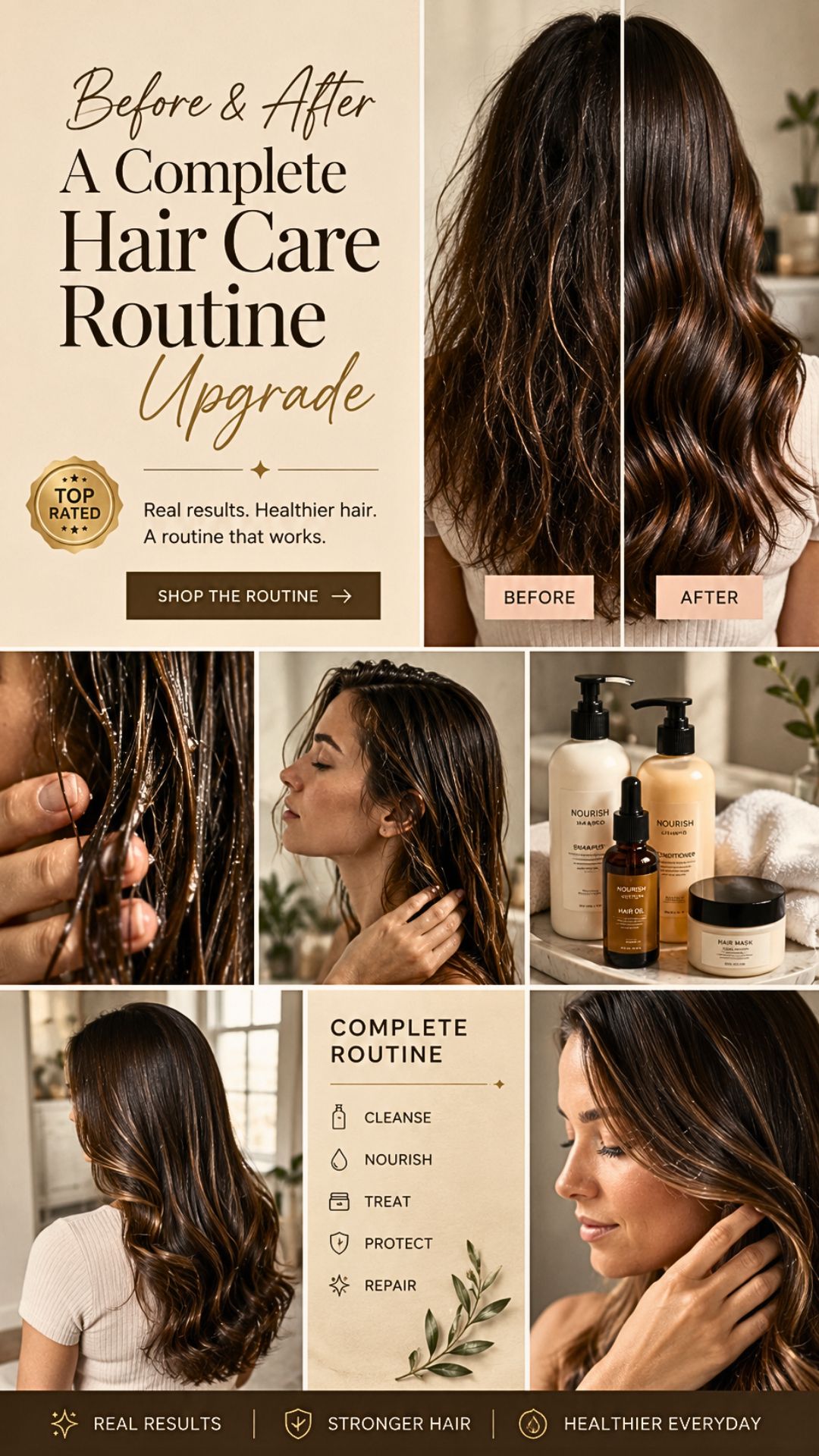
If you’re ready to upgrade your routine, check the recommended styling tools, shop the look, or try one of the oils above to recreate a healthier hair care routine at home. Choosing products that match your hair type is often the easiest way to enjoy softer, stronger, and more manageable hair.