How To Stop Hair Breakage Naturally

If you’ve been finding broken hairs all over your pillow, your brush, or the shower floor, you’re not imagining things. Hair breakage is one of the most common — and most frustrating — hair struggles out there. The good news? You don’t need expensive salon treatments or a complete hair overhaul to fix it. In this guide, we’re going to talk about how to stop hair breakage naturally, using simple habits, the right products, and a little patience.
Let’s get into it.
Why Is Your Hair Breaking in the First Place?
Before you can fix the problem, it helps to understand what’s causing it.
Hair breakage happens when your strands lose moisture, elasticity, or structural strength. Unlike hair shedding (which comes from the root), breakage happens mid-shaft — meaning the hair snaps somewhere along the length rather than falling out from the scalp.
Some of the most common culprits include:
- Heat damage from flat irons, curling wands, and blow dryers used too frequently or at too-high temperatures
- Over-processing from chemical treatments like bleaching, perming, or relaxing
- Rough handling — tight ponytails, aggressive brushing, and rough towel drying
- Lack of moisture — dry hair is brittle hair, plain and simple
- Poor diet — your hair needs nutrients just like the rest of your body
The good news is that most of these causes are very fixable. You just need to know where to start.
Start With Your Washing Routine
One of the biggest mistakes people make is washing their hair too often, or using the wrong products when they do. Overwashing strips away the natural oils your scalp produces — the same oils that coat the hair shaft and help keep it flexible and strong.
If you’re washing every single day, try cutting back to every two to three days. Give your scalp a chance to regulate itself.
When you do wash, stop hair breakage before it starts by choosing a sulfate-free shampoo. Sulfates are the harsh cleansing agents found in many drugstore shampoos. They get your hair squeaky clean, but at a cost — they can strip moisture and leave strands dry, rough, and more prone to snapping.
Look for shampoos with ingredients like:
- Aloe vera
- Glycerin
- Hydrolyzed keratin
- Ceramides
- Coconut milk or avocado oil
These ingredients cleanse without completely stripping the hair of everything good.
Deep Conditioning Is Non-Negotiable
If there’s one habit that can genuinely transform your hair over time, it’s regular deep conditioning. A good deep conditioner goes beyond what a rinse-out conditioner can do — it actually penetrates the hair shaft and replenishes moisture and protein from the inside.
Aim to deep condition at least once a week if your hair is dry, damaged, or chemically treated. If your hair is fine or less porous, once every two weeks may be enough.
Recommended tools and products to check out:
- A deep conditioning hair mask with shea butter, avocado, or honey for intense moisture
- A heat cap or steamer to help the treatment penetrate deeper (the warmth opens up the cuticle)
- A wide-tooth comb for detangling while the conditioner is still in
See the best hair tools for deep conditioning and check what works for your hair type before buying.
The Protein-Moisture Balance: Getting It Right
Here’s something a lot of people don’t realize — not all breakage is caused by lack of moisture. Sometimes, your hair is actually breaking because of a lack of protein. And sometimes, using too much protein can make things worse.
Healthy hair needs a balance of both.
Signs your hair needs more moisture:
- Hair feels limp, mushy, or stretches a lot before breaking
- Hair feels gummy when wet
- Hair looks dull and lacks elasticity
Signs your hair needs more protein:
- Hair feels rough, stiff, or straw-like
- Hair snaps quickly with little stretching
- Hair feels hard but still breaks easily
Once you know which side you’re leaning toward, you can adjust your product routine. Moisturizing treatments like deep conditioners, leave-ins, and hair oils work on one side. Protein treatments like keratin masks, rice water rinses, and bond-repair products work on the other.
How to Handle Your Hair More Gently (The Details Matter)
Sometimes the problem isn’t the products — it’s the way we handle our hair every single day. Small habits add up fast.
Detangling: Always detangle from the ends up, never from the root down. Use a wide-tooth comb or a detangling brush. Start at the tips, work out any knots, then move up toward the roots. This reduces the amount of force you’re putting on each strand.
Towel drying: Regular towels have a rough texture that creates a lot of friction. Instead, use a microfiber towel or even a soft cotton T-shirt to gently squeeze — not rub — the water out of your hair.
Pulling and tension: Tight hairstyles like high ponytails, sleek buns, and tight braids put repeated stress on the hair shaft and the hairline. Give your hair regular breaks from tension. Opt for loose buns, low ponytails, or protective styles that don’t pull.
Sleeping: This is a big one. Cotton pillowcases create friction while you sleep, which leads to breakage especially at the ends. Swap to a silk or satin pillowcase, or sleep with your hair in a loose braid and covered with a silk bonnet.
Natural Ingredients That Actually Help
You don’t always need a fancy product. Some of the most effective treatments for stopping breakage come straight from your kitchen or pantry.
Coconut oil is one of the most well-researched natural hair treatments. It’s one of the only oils that can penetrate the hair shaft rather than just sitting on top. Use it as a pre-wash treatment by applying it to your hair before shampooing. This helps reduce protein loss during washing.
Aloe vera gel is deeply hydrating and has a pH similar to hair, which makes it excellent for smoothing the cuticle and adding moisture without weighing hair down. Apply it to damp hair as a leave-in or mix it into your conditioner.
Rice water is packed with amino acids and has been used traditionally in Asian hair care for centuries. You can make it at home by soaking rice in water for 24–48 hours and then applying it to your hair as a rinse. It strengthens the hair shaft and improves elasticity over time.
Castor oil is thick and nutrient-rich, especially in ricinoleic acid, which helps with scalp circulation and moisture retention. It’s great for the ends of your hair where breakage tends to be most severe.
Build a Simple Anti-Breakage Routine
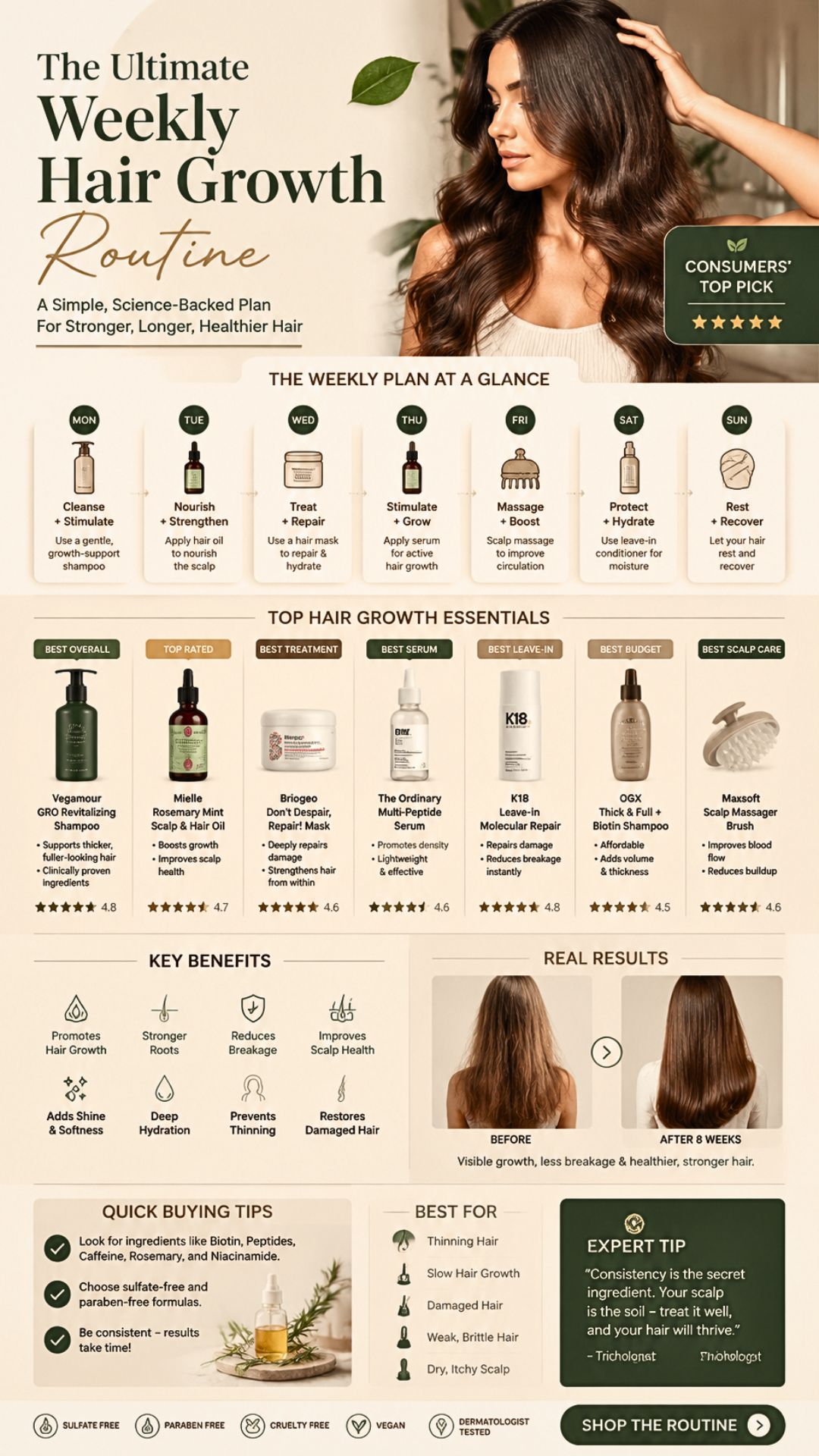
Here’s a practical weekly routine you can follow:
| Day | What To Do |
|---|---|
| Wash Day | Shampoo with sulfate-free formula, deep condition with heat cap |
| Day After Wash | Apply leave-in conditioner and seal with a light oil |
| Mid-Week | Refresh with a water-based moisturizer or aloe vera mist |
| Every Night | Sleep on silk pillowcase or with a satin bonnet |
| Weekly | Pre-poo with coconut oil before washing |
| Monthly | Protein treatment if hair feels rough or snapping excessively |
This doesn’t have to be complicated. Consistency matters more than complexity.
Heat Styling Without the Damage
We’re not going to tell you to give up your flat iron forever. Realistic advice is better than perfect advice nobody follows.
If you love heat styling, here’s how to do it smarter:
- Always use a heat protectant spray before applying any heat. This is a non-negotiable step. A good heat protectant forms a barrier around the hair shaft to reduce damage.
- Lower your temperature settings. Fine or damaged hair should stay below 350°F. Thick or coarse hair can handle slightly higher temperatures, but rarely needs to go above 400°F.
- Limit frequency. Daily heat is one of the fastest ways to weaken hair over time. Try heat-free styles a few days a week.
- Air dry when possible before finishing with a blow dryer.
Check recommended heat protectants and styling tools with adjustable temperature controls — investing in a quality tool makes a real difference.
Common Mistakes That Make Breakage Worse
Even with the best intentions, it’s easy to make mistakes that sabotage your progress. Here are the ones to watch out for:
- Skipping conditioner after shampooing — this leaves the cuticle rough and prone to tangling and breakage
- Brushing dry hair without detangling spray — this causes unnecessary friction and snapping
- Using too much protein too often — over-proteining the hair makes it stiff and brittle; balance matters
- Ignoring your ends — ends are the oldest, most fragile part of your hair; they need extra moisture and trimming every 8–12 weeks
- Switching products too often — your hair needs time to respond; give a routine at least 4–6 weeks before judging results
- Not drinking enough water — hydration starts from the inside; dry, dehydrated skin and hair often go hand in hand
Feed Your Hair From the Inside Out
This part often gets overlooked, but your diet has a direct effect on the strength and growth of your hair. Hair is made of keratin, a protein — so getting enough protein in your diet is genuinely important.
Key nutrients for strong, healthy hair include:
- Biotin (found in eggs, nuts, and seeds)
- Iron (found in leafy greens, lentils, and red meat)
- Omega-3 fatty acids (found in salmon, flaxseeds, and walnuts)
- Zinc (found in pumpkin seeds, chickpeas, and whole grains)
- Vitamin E (found in almonds, sunflower seeds, and avocado)
If your diet is inconsistent, a hair supplement can help fill in the gaps. Just look for one that contains biotin, iron, and vitamin D at minimum.
Your Hair Can Get Stronger — Here’s the Truth
Stopping hair breakage isn’t about one magic product or one dramatic change. It’s about building better habits and sticking with them consistently over time. Most people start to see a noticeable difference within four to eight weeks of following a more intentional routine.
Start with the basics: switch to a gentler shampoo, add a weekly deep condition, handle your hair more carefully, and protect it at night. Then layer in the extras — oils, protein treatments, supplements — as you learn what your hair responds to best.
Your hair is resilient. It wants to grow long and healthy. You just need to stop working against it and start giving it what it actually needs.
Ready to build your anti-breakage toolkit? Shop the recommended deep conditioners, heat protectants, and hair accessories to give your hair the best possible start.