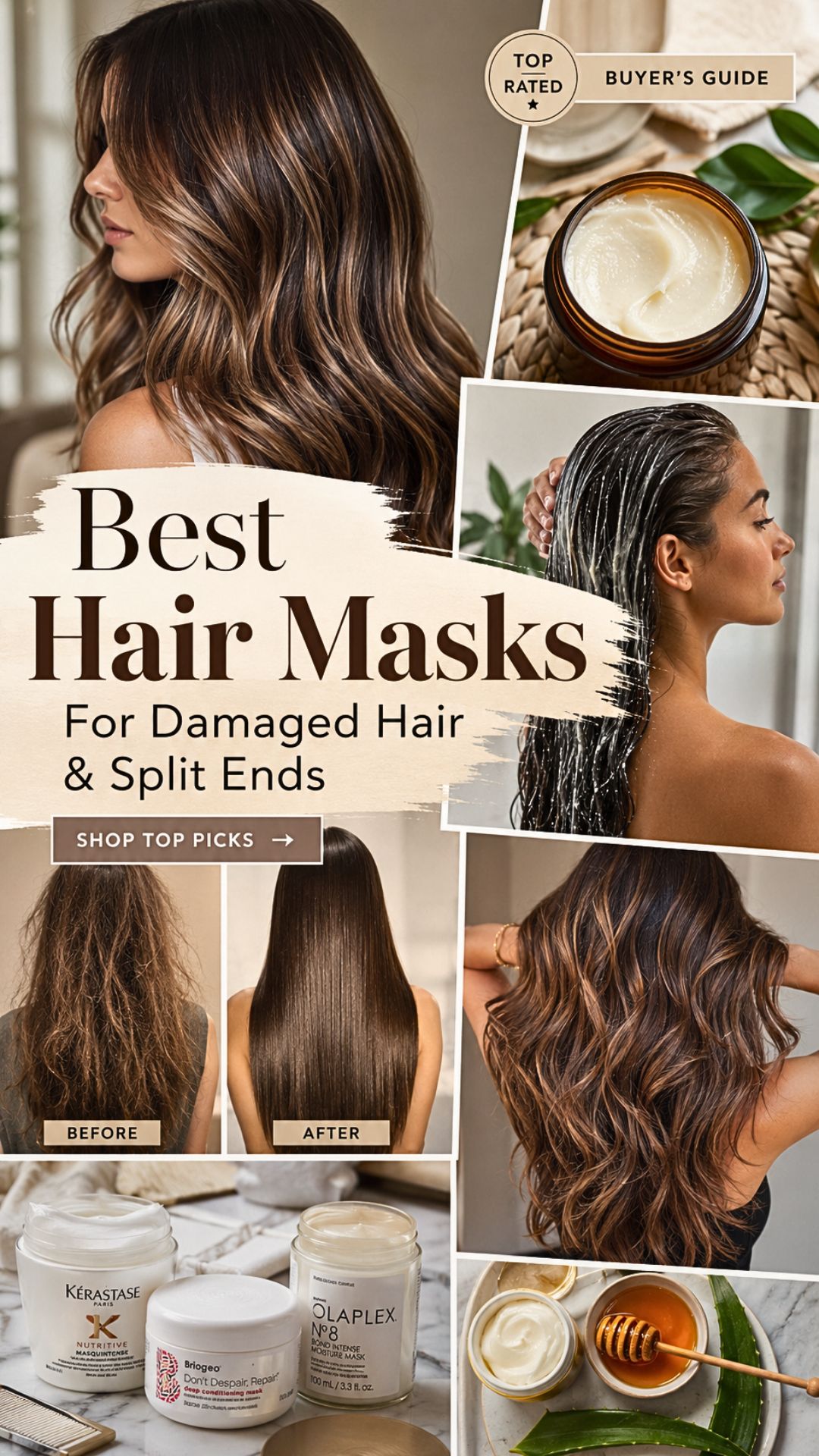
Best Hair Masks For Damaged Hair And Split Ends
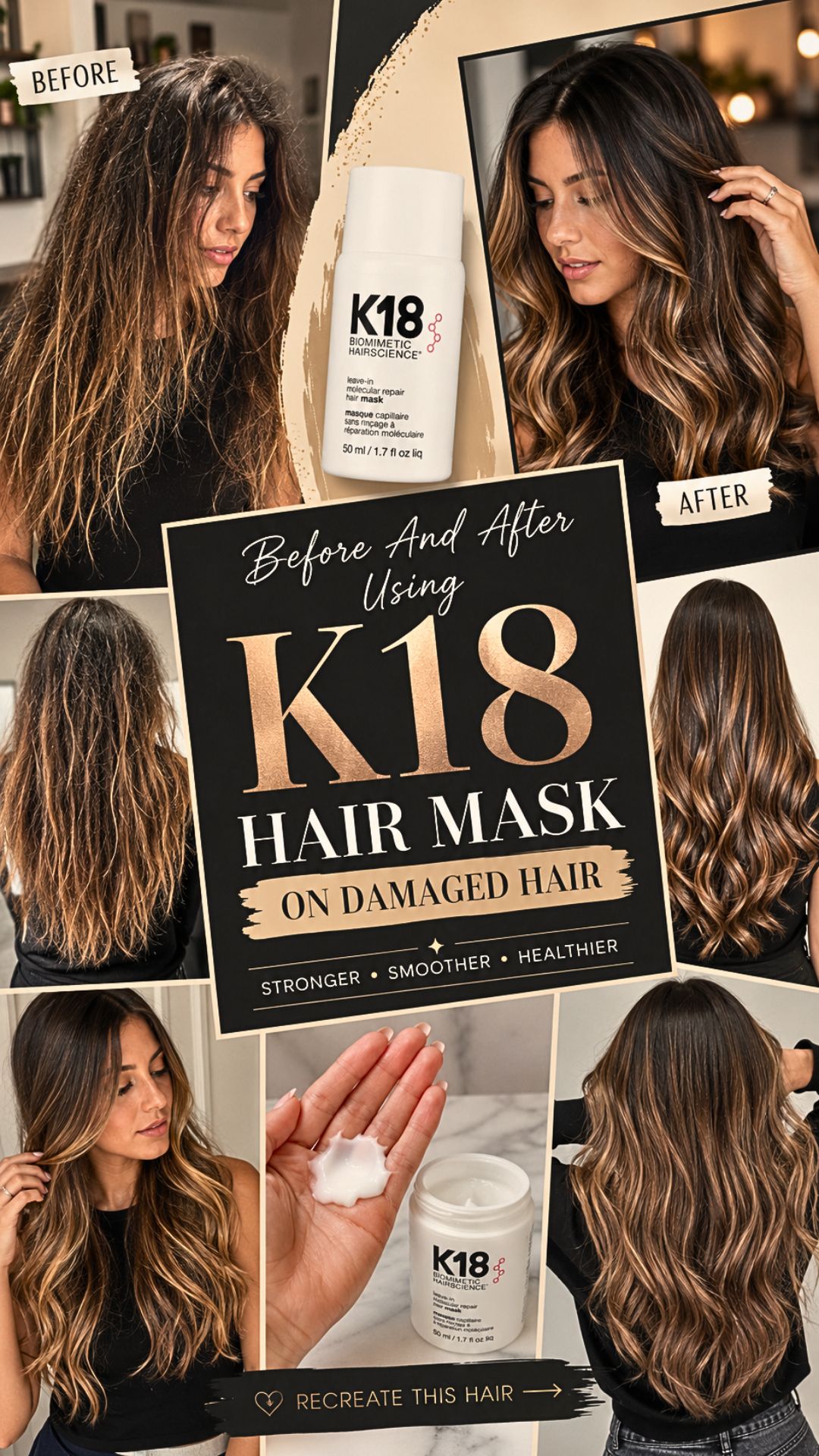
Healthy, shiny hair does not happen by accident. Heat styling, coloring, sun exposure, and even daily brushing can leave hair dry, weak, and full of split ends. The good news is that the right Hair Masks can help restore softness, reduce breakage, and make damaged hair easier to manage.
If your hair feels rough, tangles easily, or looks dull no matter what shampoo you use, adding a nourishing hair mask to your weekly routine can make a noticeable difference. In this guide, you’ll learn how hair masks work, what ingredients to look for, how to use them correctly, and which products are worth considering for healthier-looking hair.
Why Damaged Hair Needs More Than Regular Conditioner
Conditioner is made for everyday moisture and smoothness. A hair mask is different because it stays on longer and contains richer ingredients that penetrate the hair more deeply.
Hair masks help:
- Add deep hydration
- Improve softness
- Reduce frizz
- Strengthen weak strands
- Minimize the look of split ends
- Protect against future damage
While no product can permanently repair split ends, a quality hair mask can smooth them temporarily and help prevent new ones from forming.
Common Causes of Hair Damage
Understanding what causes damage can help you choose the right treatment.
Some of the most common reasons include:
- Frequent heat styling
- Hair bleaching and coloring
- Tight hairstyles
- UV exposure
- Hard water
- Chemical treatments
- Overwashing
- Using harsh shampoos
- Skipping regular trims
Even healthy hair can become dry over time if it lacks moisture and protein.
Signs Your Hair Needs a Deep Conditioning Mask
Your hair may benefit from a nourishing treatment if you notice:
- Dry ends
- Rough texture
- Split ends
- Excessive tangles
- Increased breakage
- Lack of shine
- Hair that feels stiff after washing
- Frizzy strands that never seem smooth
Adding a deep conditioning treatment once or twice each week often helps improve these concerns over time.
Ingredients That Actually Help Damaged Hair
Not every mask is created equal. Looking at the ingredient list can help you find products that suit your hair.
Keratin
Keratin helps smooth damaged areas of the hair shaft. It works especially well for hair that has been heat styled or chemically treated.
Argan Oil
Rich in fatty acids and vitamin E, argan oil helps soften dry hair while adding shine without feeling too heavy.
Coconut Oil
Coconut oil can reduce protein loss and improve softness. It works well for thick, curly, and coarse hair.
Shea Butter
A favorite for very dry hair because it locks in moisture and reduces frizz.
Avocado Oil
Contains healthy fats that nourish brittle strands and improve flexibility.
Ceramides
Ceramides strengthen the hair’s protective barrier, helping reduce future damage.
Hydrolyzed Proteins
These proteins temporarily reinforce weak strands and improve elasticity.
Best Hair Masks For Damaged Hair And Split Ends
Here are some popular options that consistently receive positive reviews from beauty lovers and hairstylists.
1. Olaplex No. 8 Bond Intense Moisture Mask
This mask is especially popular for color-treated and bleached hair.
Why people like it:
- Deep hydration
- Adds shine
- Lightweight texture
- Helps reduce frizz
- Leaves hair feeling smoother
Best for:
- Bleached hair
- Dry ends
- Chemically treated hair
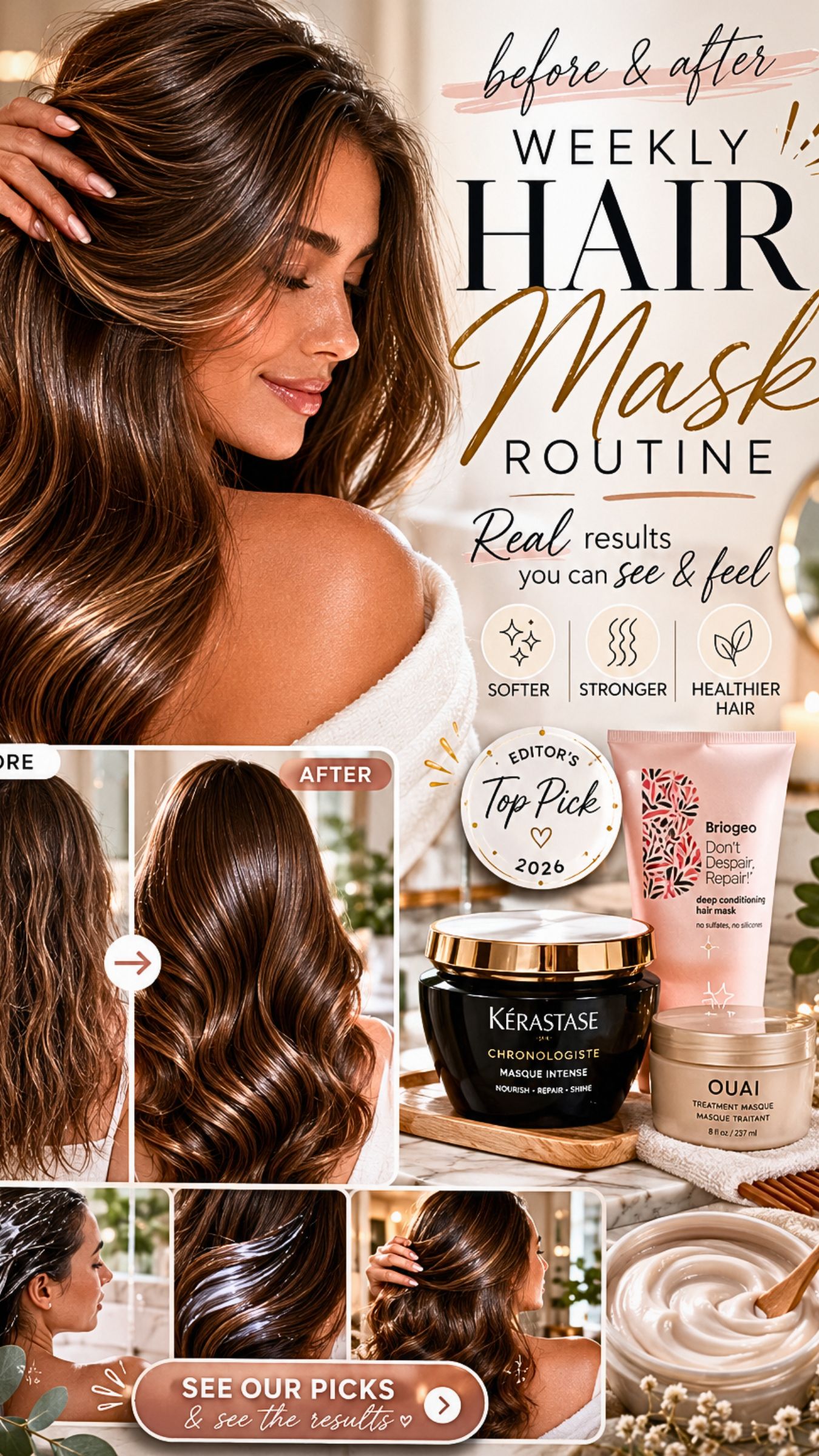
2. Briogeo Don’t Despair, Repair! Deep Conditioning Mask
Packed with natural oils and vitamins, this mask focuses on moisture without making hair greasy.
Highlights:
- Rich texture
- Sulfate-free
- Silicone-free
- Suitable for many hair types
Best for:
- Dry hair
- Curly hair
- Heat-damaged strands
3. SheaMoisture Manuka Honey & Mafura Oil Intensive Hydration Masque
An excellent choice if your hair constantly feels dry.
Benefits include:
- Deep moisture
- Softens coarse hair
- Improves manageability
- Helps tame frizz
Best for:
- Thick hair
- Curly hair
- Natural hair
4. Kérastase Masque Thérapiste
A salon favorite designed for very damaged hair.
Many users notice:
- Softer texture
- Better shine
- Easier detangling
- Less breakage
Ideal for:
- Over-processed hair
- Color-treated hair
- Heat damage
5. Moroccanoil Intense Hydrating Mask
Known for its signature argan oil formula, this mask helps restore softness without weighing hair down.
Good for:
- Medium hair
- Thick hair
- Dry hair
6. L’Oréal Paris Elvive Total Repair 5 Damage-Erasing Balm
A budget-friendly option that delivers solid hydration.
Why it stands out:
- Affordable
- Easy to find
- Creamy texture
- Leaves hair smoother
Best for:
- Everyday use
- Mild to moderate damage
7. Amika Soulfood Nourishing Mask
This creamy formula combines nourishing oils with vitamins for softer hair.
Great for:
- Weekly hydration
- Fine hair
- Medium hair
- Colored hair
8. Redken Acidic Bonding Concentrate Mask
Designed to strengthen weakened hair after coloring or bleaching.
Benefits:
- Helps reduce breakage
- Adds shine
- Smooth finish
- Supports damaged strands
Quick Comparison Table
| Hair Mask | Best For | Key Ingredients | Texture |
|---|---|---|---|
| Olaplex No. 8 | Bleached hair | Bond-building ingredients | Lightweight cream |
| Briogeo Repair Mask | Dry hair | Rosehip oil, algae extract | Rich cream |
| SheaMoisture Hydration Masque | Curly hair | Honey, oils | Thick |
| Kérastase Thérapiste | Severe damage | Proteins, conditioning agents | Rich |
| Moroccanoil Intense Mask | Frizz | Argan oil | Creamy |
| L’Oréal Total Repair Balm | Budget option | Ceramides, proteins | Medium |
| Amika Soulfood | Weekly hydration | Vitamins, oils | Soft cream |
| Redken Acidic Bonding Mask | Color-treated hair | Bond-strengthening complex | Rich |
How To Use A Hair Mask The Right Way
Using a mask correctly helps you get better results.
Step 1: Wash Your Hair
Start with clean hair. Shampoo removes dirt and product buildup so the mask can work better.
Step 2: Remove Extra Water
Hair should be damp, not dripping wet.
Gently squeeze out excess water using a microfiber towel or cotton T-shirt.
Step 3: Apply From Mid-Length To Ends
Focus on the driest parts.
Avoid applying heavy masks directly to the scalp unless the product says it is suitable.
Step 4: Comb Through
Use a wide-tooth comb to spread the product evenly.
This helps every strand receive moisture.
Step 5: Wait
Leave the mask on according to the instructions.
Most products recommend between 5 and 20 minutes.
Step 6: Rinse Well
Use cool or lukewarm water to rinse thoroughly.
Hair should feel soft but not coated.
How Often Should You Use A Hair Mask?
The right schedule depends on your hair type.
| Hair Type | Recommended Use |
|---|---|
| Fine hair | Once weekly |
| Normal hair | Once weekly |
| Dry hair | Twice weekly |
| Curly hair | One to two times weekly |
| Bleached hair | Two times weekly |
| Heat-damaged hair | Once or twice weekly |
Using too much can make some hair types feel heavy, especially fine hair.
Easy Hair Care Routine For Damaged Hair
A consistent routine often matters more than using expensive products.
A simple weekly routine could look like this:
- Wash with a gentle shampoo.
- Apply a moisturizing conditioner.
- Use a nourishing hair mask once or twice weekly.
- Apply a leave-in conditioner.
- Protect hair before heat styling.
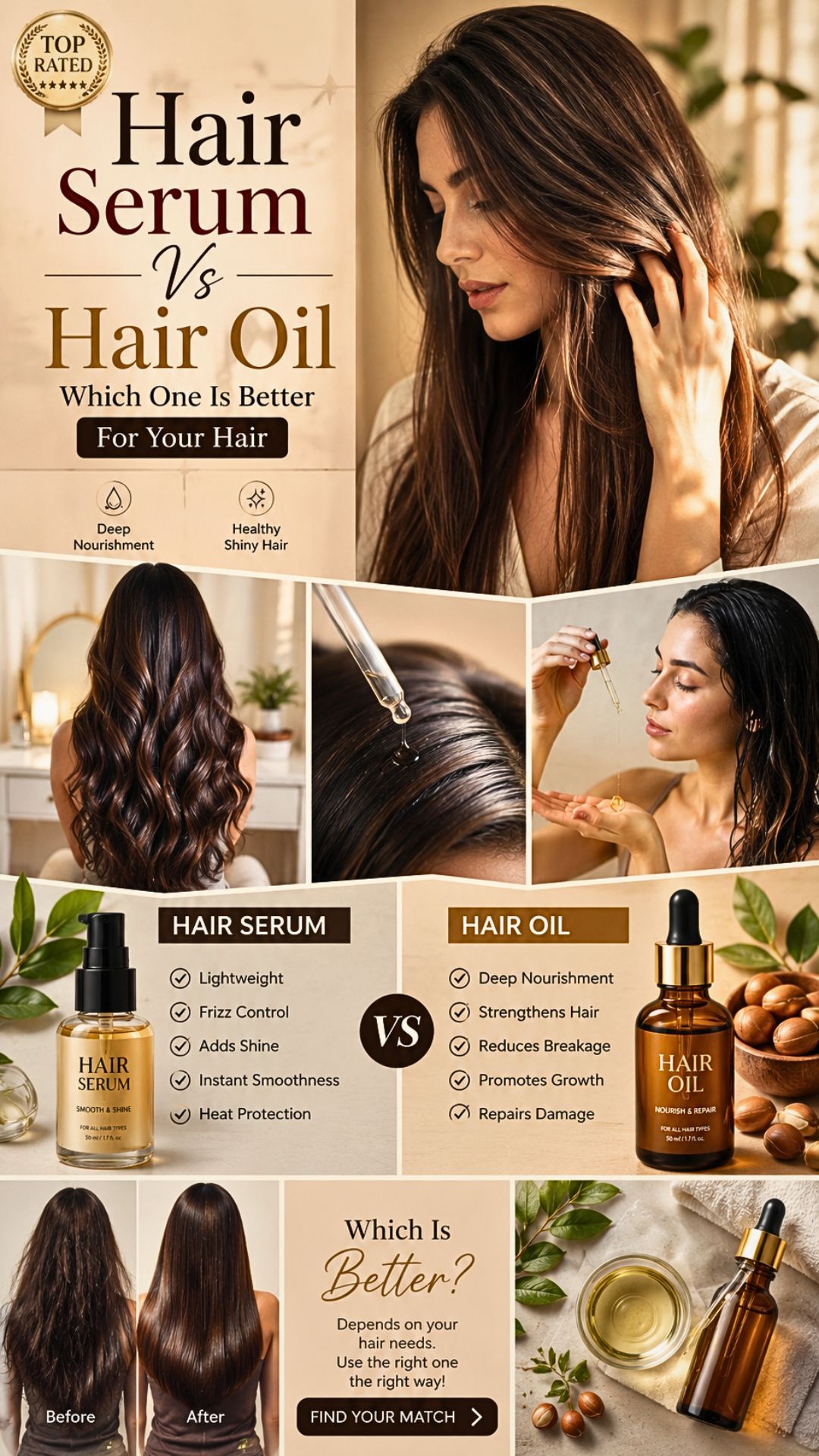
- Finish with a lightweight hair oil on the ends.
Small habits repeated every week usually produce better results than occasional intensive treatments.
Helpful Tips To Reduce Split Ends
Hair masks help, but healthy habits matter too.
Try these simple tips:
- Trim your hair every 8–12 weeks.
- Avoid extremely hot styling tools.
- Always use a heat protectant.
- Sleep on a silk pillowcase.
- Brush gently from the ends upward.
- Avoid tight ponytails every day.
- Drink enough water.
- Eat foods rich in protein and healthy fats.
Common Mistakes That Can Slow Progress
Many people unknowingly reduce the benefits of their hair mask.
Avoid these mistakes:
- Using too much product
- Leaving the mask on much longer than directed
- Applying heavy masks to oily roots
- Skipping regular trims
- Using heat tools every day
- Washing hair with very hot water
- Expecting split ends to disappear permanently
Remember, once a strand splits, trimming is the only permanent solution. Hair masks simply improve its appearance while protecting healthier hair from future damage.
Choosing The Right Hair Mask For Your Hair Type
Different hair needs different care.
Fine Hair
Choose lightweight formulas that hydrate without weighing hair down.
Thick Hair
Look for rich creams with nourishing oils and butters.
Curly Hair
Moisture is the priority. Shea butter, avocado oil, and honey are excellent ingredients.
Color-Treated Hair
Bond-building treatments and protein-rich formulas can help strengthen weakened strands.
Heat-Damaged Hair
Look for masks with keratin, ceramides, and moisturizing oils.
Styling Tips After Using A Hair Mask
Freshly conditioned hair often styles more easily.
For the best results:
- Let hair air dry whenever possible.
- Use a wide-tooth comb instead of a fine brush on wet hair.
- Finish with a few drops of lightweight hair oil on the ends.
- Use the lowest effective heat setting when styling.
- Avoid touching your hair too often throughout the day.
These simple habits help keep your hair smooth and reduce unnecessary friction.
Recommended Styling Tools To Pair With Your Hair Care Routine
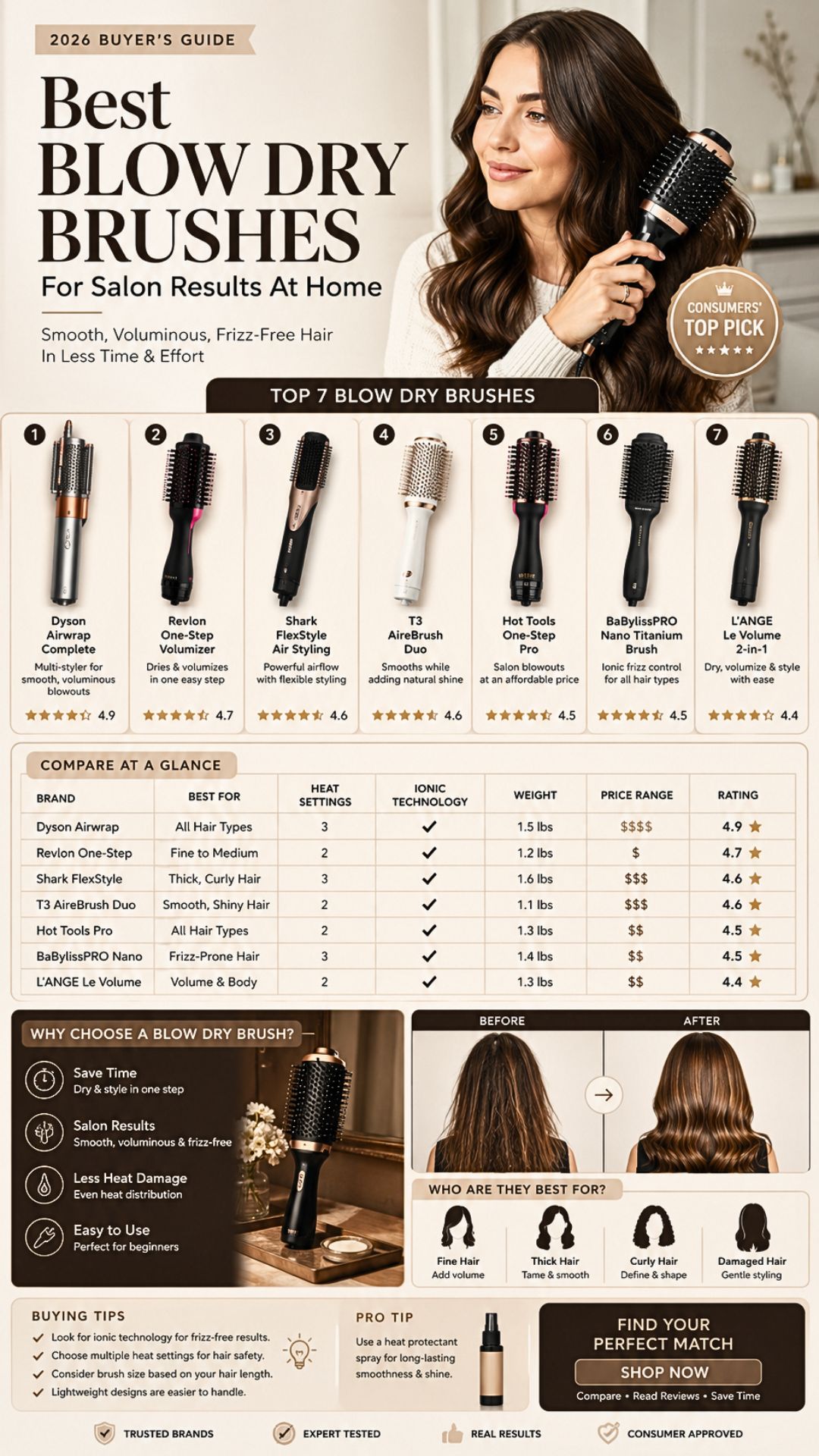
Healthy hair is not just about products. The right tools also help reduce damage.
Consider adding these to your routine:
- Microfiber hair towel
- Wide-tooth detangling comb
- Heat protectant spray
- Ionic hair dryer
- Ceramic styling tools with adjustable heat
- Silk pillowcase
- Satin scrunchies
These accessories help protect your hair while making styling easier.
Soft Shopping Ideas
- Check the recommended styling tools for healthier daily routines.
- Shop the look with a microfiber towel and silk pillowcase.
- Try this product for easier styling if your hair tangles easily.
- See the best tools for this look before using heat every day.
Final Thoughts
Finding the right Hair Masks can make a real difference if your hair feels dry, damaged, or prone to split ends. While no mask can permanently repair split ends, regular deep conditioning can improve softness, reduce breakage, and make your hair healthier over time.
Choose a formula that matches your hair type, use it consistently, and pair it with gentle styling habits for the best results. If you’re ready to upgrade your routine, check the recommended hair masks and styling tools that fit your needs. A few small changes today can help you enjoy smoother, shinier, and more manageable hair in the weeks ahead.