Before And After Recovering From Years Of Hair Damage

What Real Hair Recovery Looks Like
If you’ve been dealing with years of heat styling, bleach, tight hairstyles, or skipped trims, you’re not alone. Recovering from Hair Damage takes time, but it is possible to make your hair look and feel healthier with the right routine.
Many people expect overnight results. In reality, healthy hair comes from consistent care, smart product choices, and patience. While damaged strands cannot fully repair themselves, you can improve their appearance, prevent more breakage, and grow stronger, healthier hair over time.
This guide explains what realistic hair recovery looks like, what changes you can expect before and after, and which products and tools can make the journey easier.
Understanding Hair Damage
Hair damage happens when the protective outer layer of the hair, called the cuticle, becomes weak or broken. Once that layer is damaged, hair loses moisture, becomes rough, and breaks more easily.
Common causes include:
- Frequent bleaching or coloring
- Daily use of hot styling tools
- Chemical straightening or perming
- Tight ponytails and buns
- Sun exposure
- Chlorine and salt water
- Rough brushing
- Using harsh shampoos
- Lack of regular trims
Most people experience more than one of these over several years, which leads to cumulative damage rather than one single event.
Before Hair Recovery: Signs Your Hair Needs Help
Hair often gives clear warning signs before it reaches the point of severe breakage.
You may notice:
- Dry, rough texture
- Split ends throughout the hair
- Hair snapping while brushing
- Excessive tangles
- Dull appearance
- Frizzy ends
- Uneven lengths from breakage
- Lack of shine
- Weak curls or waves
- Hair that feels stretchy when wet
These signs usually mean your hair needs both moisture and strengthening treatments.
After Months of Healthy Hair Care
Hair recovery is gradual.
After several months of consistent care, many people notice:
| Before Recovery | After Recovery |
|---|---|
| Dry texture | Softer feel |
| Constant frizz | Smoother appearance |
| Split ends | Healthier-looking ends after trims |
| Hair snaps easily | Less breakage |
| Dull finish | More natural shine |
| Difficult to brush | Easier detangling |
| Weak curls | Better curl definition |
| Thin-looking ends | Fuller appearance |
Remember that damaged hair itself cannot become brand new again. The goal is to improve its condition while allowing healthier new growth to replace older damaged strands.
Why Hair Recovery Takes Time
Hair grows only about half an inch (around 1.25 cm) each month.
If your hair has years of damage, it may take many months—or even a couple of years—to completely replace damaged lengths with healthier new growth.
That doesn’t mean you won’t see improvements earlier.
Many people notice:
- Better softness within a few weeks
- Less frizz after one month
- Reduced breakage after two to three months
- Stronger hair after six months
- Noticeably healthier length after one year
Consistency matters more than expensive products.
Build a Hair Recovery Routine That Works
Creating a simple routine is easier than constantly switching products.
Step 1: Choose a Gentle Shampoo
Avoid shampoos that leave your hair feeling stripped.
Look for:
- Sulfate-free formulas if they suit your scalp
- Moisturizing ingredients
- Protein when needed
- Lightweight cleansers
Wash only as often as your scalp requires.
Step 2: Never Skip Conditioner
Conditioner helps smooth the cuticle and reduce friction.
Focus it on:
- Mid-lengths
- Ends
- Areas with bleach
- Dry sections
Leave it on for several minutes before rinsing.
Step 3: Deep Condition Weekly
A quality hair mask adds moisture that daily conditioner may not provide.
Good masks often contain:
- Shea butter
- Argan oil
- Coconut oil
- Ceramides
- Panthenol
- Amino acids
Weekly treatments can make hair feel softer and easier to manage.
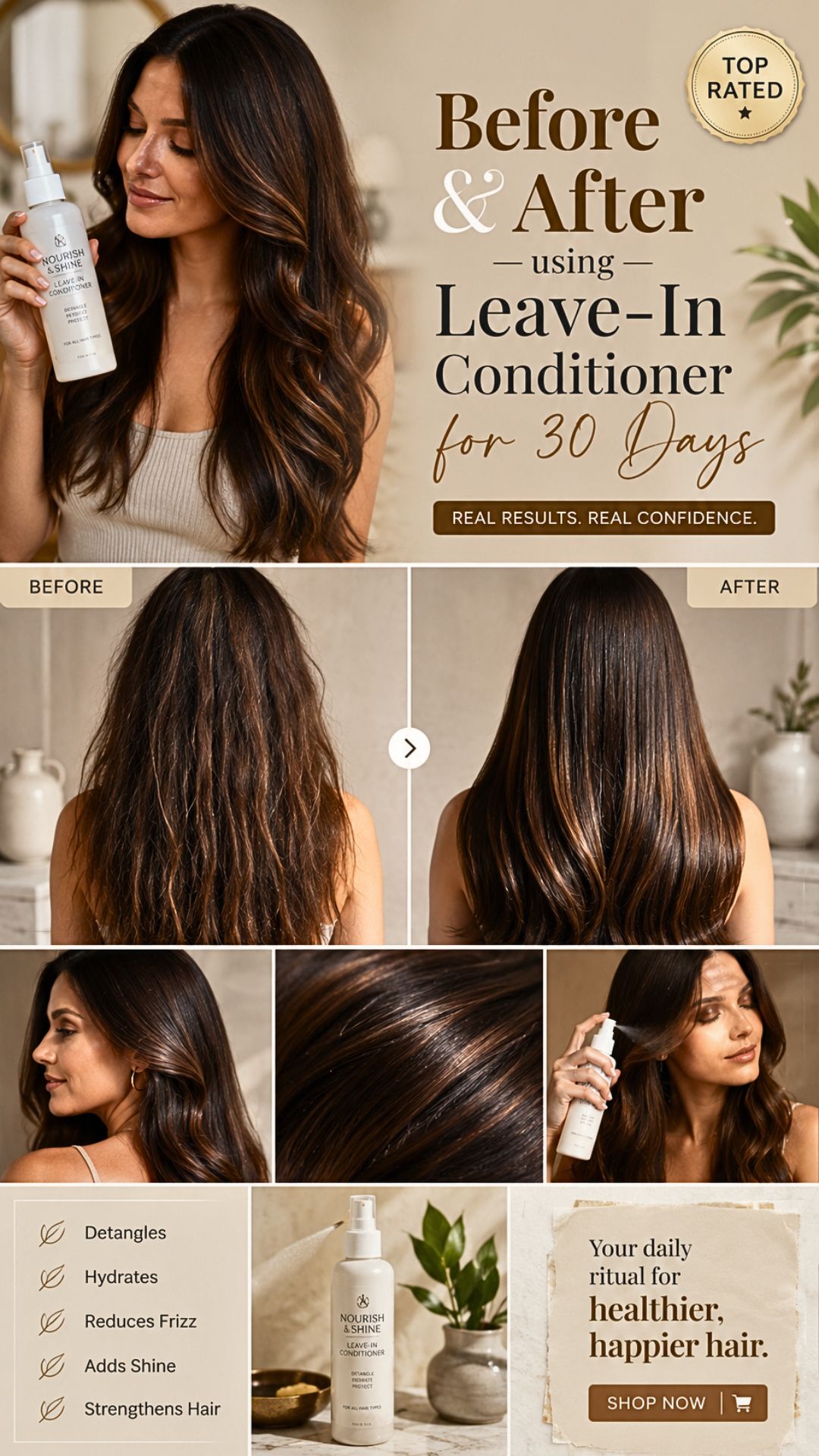
Step 4: Use Leave-In Conditioner
Leave-in products protect hair throughout the day.
Benefits include:
- Easier detangling
- Reduced frizz
- More softness
- Less breakage
- Improved shine
Fine hair usually needs lightweight sprays, while thicker hair often benefits from creams.
Step 5: Always Apply Heat Protection
Heat styling is one of the biggest causes of long-term damage.
Before using:
- Blow dryers
- Curling irons
- Flat irons
- Hot brushes
Apply a quality heat protectant every time.
Even if you lower the temperature, protection still matters.
Products That Can Support Hair Recovery
No product can permanently repair severely damaged hair, but some ingredients can improve its appearance and reduce future damage.
Here are a few categories worth considering.
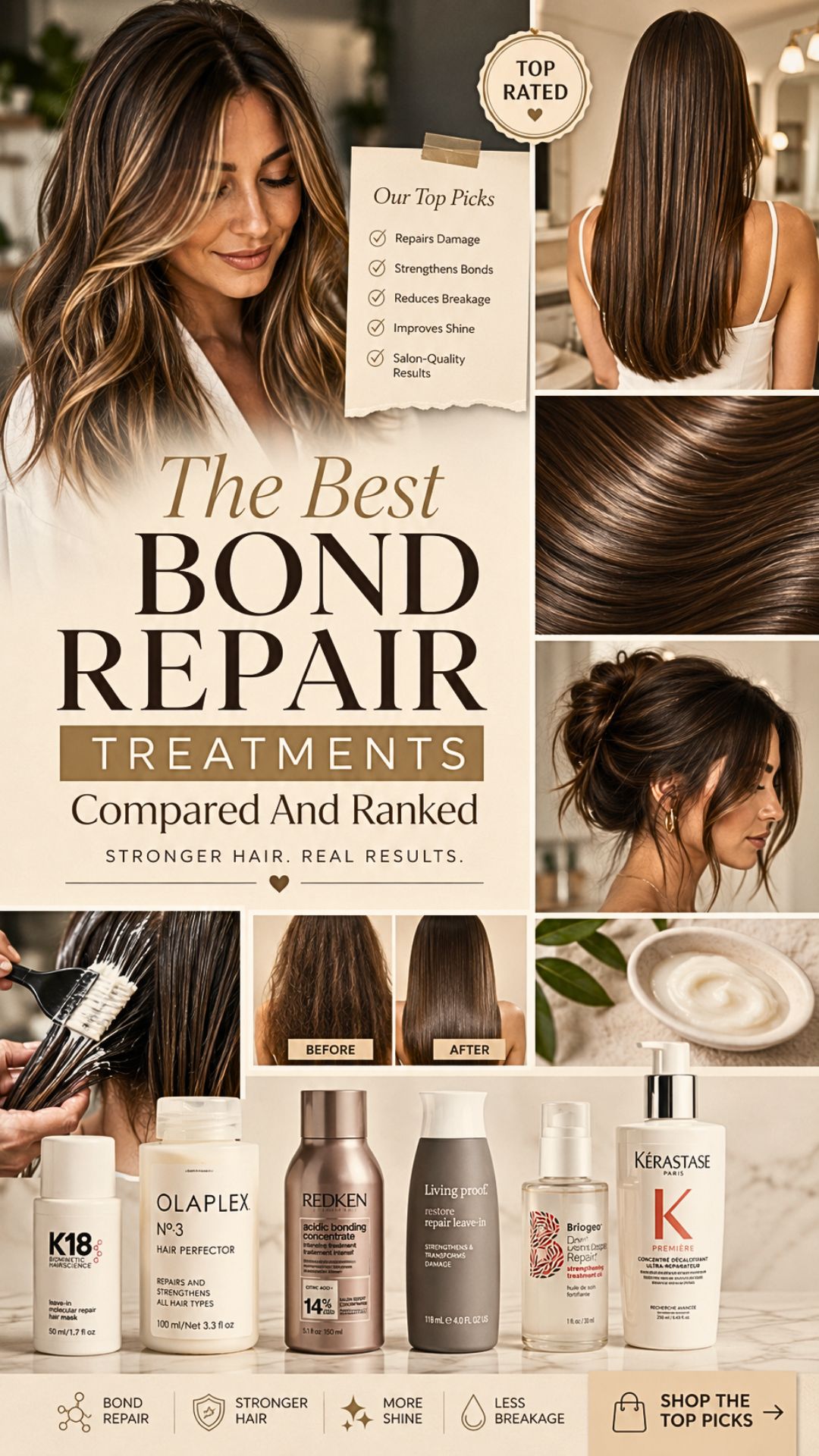
Bond-Building Treatments
Bond-building products help support weakened hair after coloring or bleaching.
They are especially useful if your hair feels fragile or breaks easily.
Soft CTA:
See the best tools for this look by pairing bond-building treatments with gentle styling methods.
Deep Moisture Masks
If your hair feels rough instead of stretchy, moisture is often the missing piece.
Weekly masks can help:
- Improve softness
- Reduce dryness
- Add shine
- Make styling easier
Soft CTA:
Try this product for easier styling if your hair constantly tangles after washing.
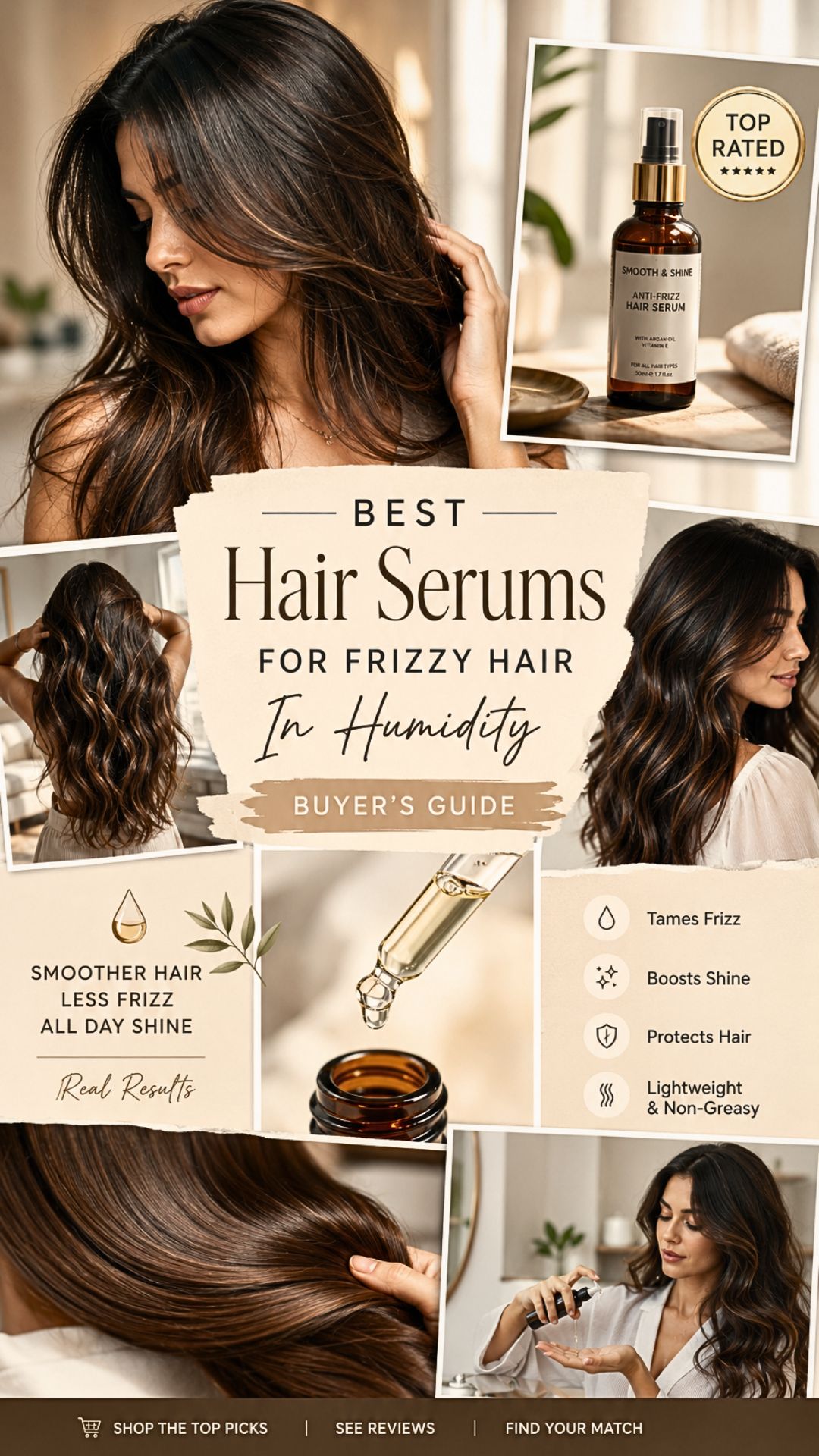
Lightweight Hair Oils
Hair oils don’t repair damage, but they help smooth the cuticle and reduce frizz.
Popular choices include:
- Argan oil
- Jojoba oil
- Camellia oil
- Marula oil
Apply only a small amount to the ends.
Silk Pillowcases
Changing your pillowcase may seem simple, but it reduces overnight friction.
Benefits include:
- Less tangling
- Reduced frizz
- Fewer broken strands
- Better moisture retention
Step-by-Step Hair Recovery Plan
Following a simple weekly routine makes it easier to stay consistent.
Monday
Wash with gentle shampoo.
Use moisturizing conditioner.
Apply leave-in conditioner.
Air dry when possible.
Wednesday
Brush gently using a wide-tooth comb.
Apply lightweight hair oil to dry ends.
Avoid unnecessary heat styling.
Friday
Wash hair again.
Use a deep conditioning mask.
Finish with leave-in conditioner.
Weekend
Limit styling.
Wear loose hairstyles.
Massage your scalp for a few minutes.
Trim any obvious split ends if needed or schedule a salon visit.
Simple Habits That Make a Big Difference
Small daily changes often produce better results than constantly buying new products.
Helpful habits include:
- Sleep on a silk or satin pillowcase.
- Brush from the ends upward.
- Avoid very hot water.
- Wear protective hairstyles.
- Trim split ends regularly.
- Drink enough water.
- Eat enough protein.
- Protect hair from the sun.
- Avoid tight ponytails every day.
- Let hair air dry whenever possible.
Styling Tips While Your Hair Recovers
You don’t have to stop styling completely.
Instead, choose gentler options.
Good choices include:
- Loose braids
- Soft waves without high heat
- Heatless curls
- Claw clips
- Low buns
- Satin scrunchies
These styles reduce stress on weakened strands.
Common Mistakes That Slow Hair Recovery
Many people accidentally make their hair worse while trying to fix it.
Avoid these common mistakes.
Using Too Much Heat
Even one high-heat styling session every day can slow your progress.
Lower the temperature whenever possible.
Ignoring Split Ends
Split ends continue traveling upward.
Regular trims prevent more damage from spreading.
Washing Too Often
Overwashing may remove natural oils that protect your hair.
Choose a schedule that works for your scalp rather than washing daily out of habit.
Using Too Much Protein
Protein treatments help some hair, but too much can make strands feel stiff.
Balance strengthening products with moisturizing ones.
Switching Products Every Week
Hair needs time to respond.
Give products several weeks before deciding whether they work for you.
Healthy Hair Starts at the Scalp
Beautiful hair begins with healthy roots.
Support your scalp by:
- Keeping it clean
- Avoiding heavy product buildup
- Massaging gently during washing
- Using lightweight scalp serums if needed
- Protecting it from sun exposure
Healthy new growth depends on a healthy scalp environment.
Tools Worth Adding to Your Routine
The right tools often prevent more damage than expensive treatments alone.
Consider adding:
| Tool | Why It Helps |
|---|---|
| Wide-tooth comb | Reduces pulling on wet hair |
| Microfiber towel | Less friction than regular towels |
| Silk pillowcase | Helps reduce breakage overnight |
| Satin scrunchies | Prevents hair dents and pulling |
| Ceramic blow dryer | More even heat distribution |
| Heat protectant spray | Helps reduce styling damage |
| Hair mask | Adds moisture each week |
| Lightweight hair oil | Smooths ends and adds shine |
These simple additions can make everyday styling much gentler.
What a Realistic Before and After Journey Looks Like
Instead of expecting perfect hair in a month, think about gradual improvements.
During the first month, your hair may feel softer.
By the third month, you may notice less breakage while brushing.
Around six months, many people see healthier-looking ends and more shine.
After a year of consistent care, new growth often becomes the healthiest part of your hair, while regular trims slowly remove the oldest damaged sections.
This steady approach is much more realistic than searching for a miracle product.
Signs Your Routine Is Working
Your recovery plan is moving in the right direction if you notice:
- Fewer hairs breaking during brushing
- Less frizz throughout the day
- Hair feels softer after washing
- Better shine in natural light
- Easier detangling
- More manageable styling
- Fuller-looking ends after regular trims
- Stronger new growth
These changes usually appear gradually, so taking monthly photos can help you see progress that might otherwise go unnoticed.
Final Thoughts
Recovering from years of Hair Damage is a journey, not a quick fix. While damaged strands cannot be restored to their original state, consistent care can dramatically improve how your hair looks, feels, and behaves. Gentle cleansing, regular conditioning, protective styling, and routine trims all work together to support healthier growth over time.
Focus on building simple habits rather than chasing miracle treatments. A well-chosen shampoo, nourishing hair mask, leave-in conditioner, heat protectant, and gentle styling tools can make daily care much easier.
If you’re ready to upgrade your routine, check the recommended styling tools, shop the look, or try this product for easier styling to support healthier hair every day. The best results come from patience, consistency, and choosing products that fit your hair’s unique needs rather than following every new trend.