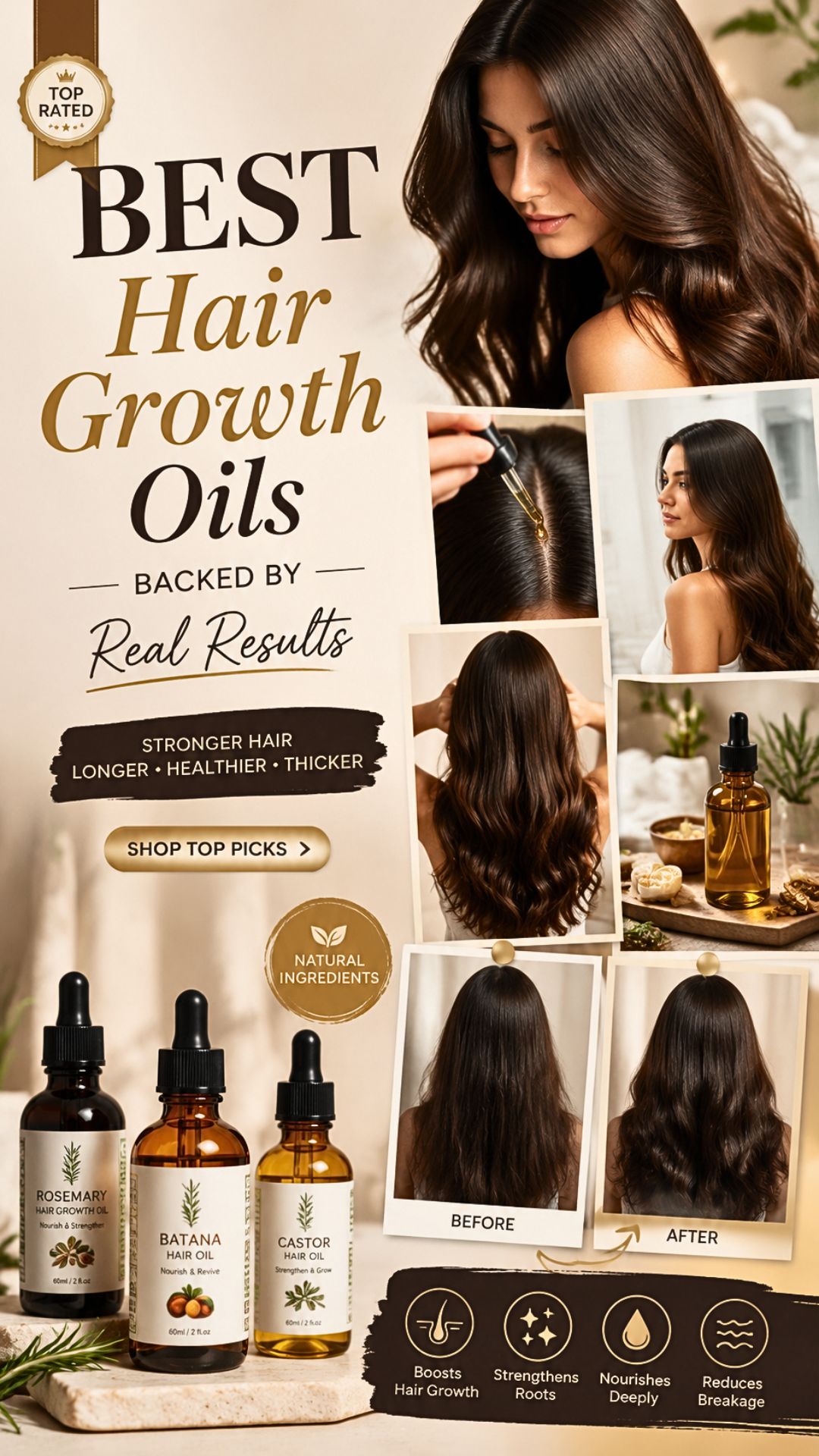
Best Hair Repair Products For Dry Damaged Hair

Introduction
Dry, damaged hair can make even the best haircut look dull. Split ends, frizz, breakage, and rough texture often happen after frequent heat styling, coloring, bleaching, or simply not getting enough moisture. The good news is that the right Hair Repair Products can help improve the look and feel of your hair while protecting it from further damage.
The key is choosing products that match your hair’s needs instead of buying every trending treatment. A balanced routine with a gentle shampoo, nourishing conditioner, deep mask, leave-in treatment, and heat protectant can make a noticeable difference over time. In this guide, you’ll learn what causes hair damage, how to build a repair routine, and which products are worth considering if you’re ready to bring your hair back to life.
Why Does Hair Become Dry and Damaged?
Hair damage rarely happens overnight. It usually builds up from daily habits and environmental stress.
Some of the most common causes include:
- Frequent bleaching or coloring
- Daily use of hot styling tools
- Washing hair too often
- Sun exposure
- Chlorine and salt water
- Tight hairstyles that create tension
- Using harsh shampoos with strong cleansers
- Skipping conditioner and deep treatments
Once the outer layer of the hair becomes damaged, moisture escapes more easily. That leaves hair feeling rough, tangled, and difficult to style.
Signs Your Hair Needs Repair
Your hair may benefit from a repair-focused routine if you notice these problems:
- Ends split easily
- Hair snaps while brushing
- Frizz appears even after styling
- Hair feels dry after washing
- Color fades quickly
- Hair lacks shine
- Ends look thin and uneven
- Hair tangles more than usual
The earlier you begin treating damage, the easier it is to maintain healthier-looking hair.
What To Look For In Hair Repair Products
Not every product works the same way. Some replace moisture while others strengthen weak hair fibers.
Look for ingredients like:
- Hydrolyzed proteins for temporary strength
- Keratin to smooth damaged areas
- Argan oil for softness
- Coconut oil for moisture
- Shea butter for deep conditioning
- Ceramides to support the hair cuticle
- Glycerin to attract moisture
- Panthenol (Vitamin B5) for hydration
If your hair is fine, avoid products that feel too heavy. Thick or curly hair often benefits from richer creams and masks.
Best Hair Repair Products Worth Adding To Your Routine
1. Repair Shampoo
A gentle shampoo cleans without removing all of your natural oils.
Look for formulas that say:
- Sulfate-free
- Moisturizing
- Color-safe
- Repairing
A mild shampoo prepares your hair for the products that follow.
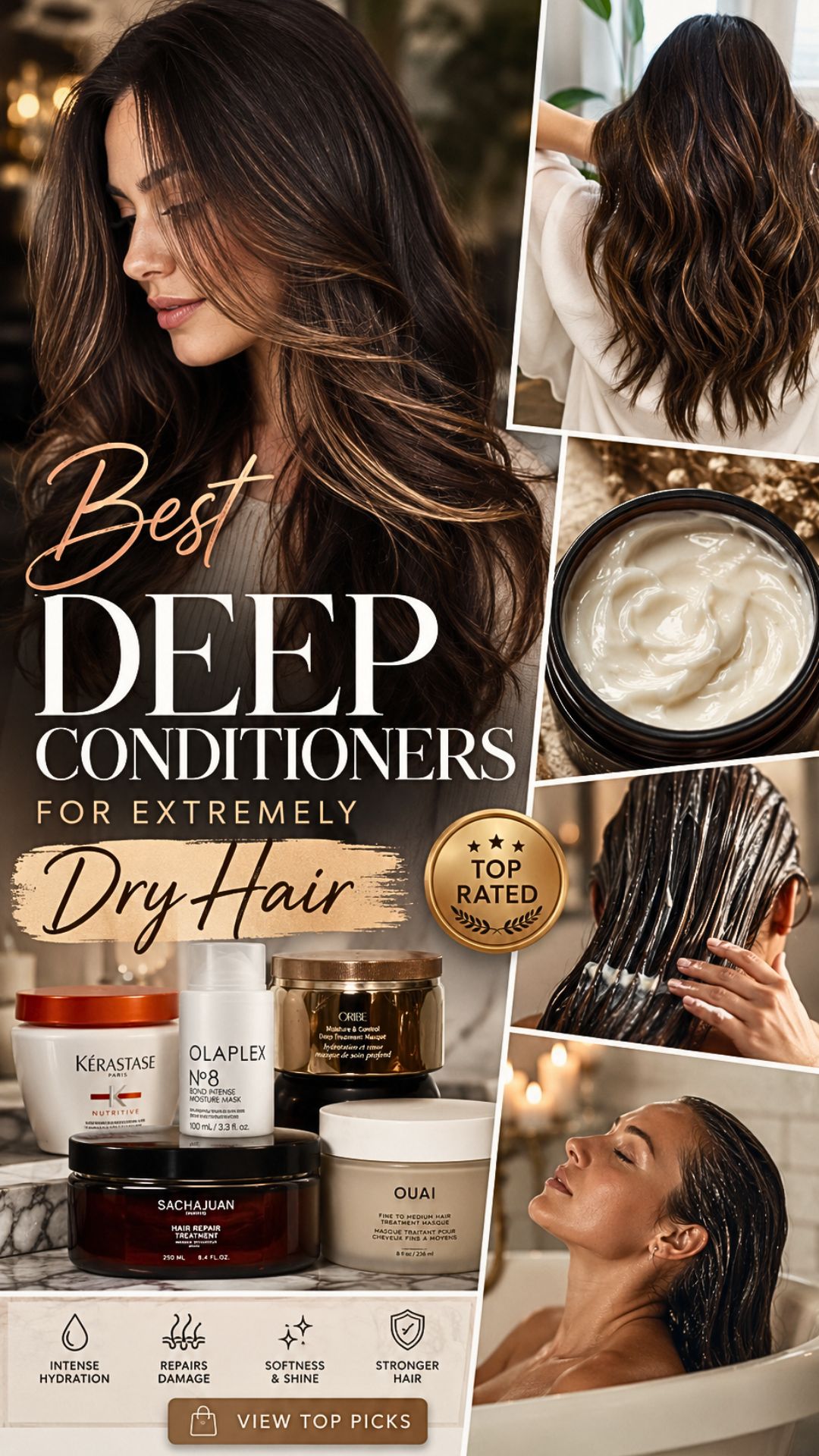
2. Nourishing Conditioner
Conditioner is one of the simplest ways to reduce dryness.
A quality conditioner helps:
- Smooth the hair cuticle
- Reduce tangles
- Improve softness
- Add shine
- Make styling easier
Leave it on for two to five minutes before rinsing.
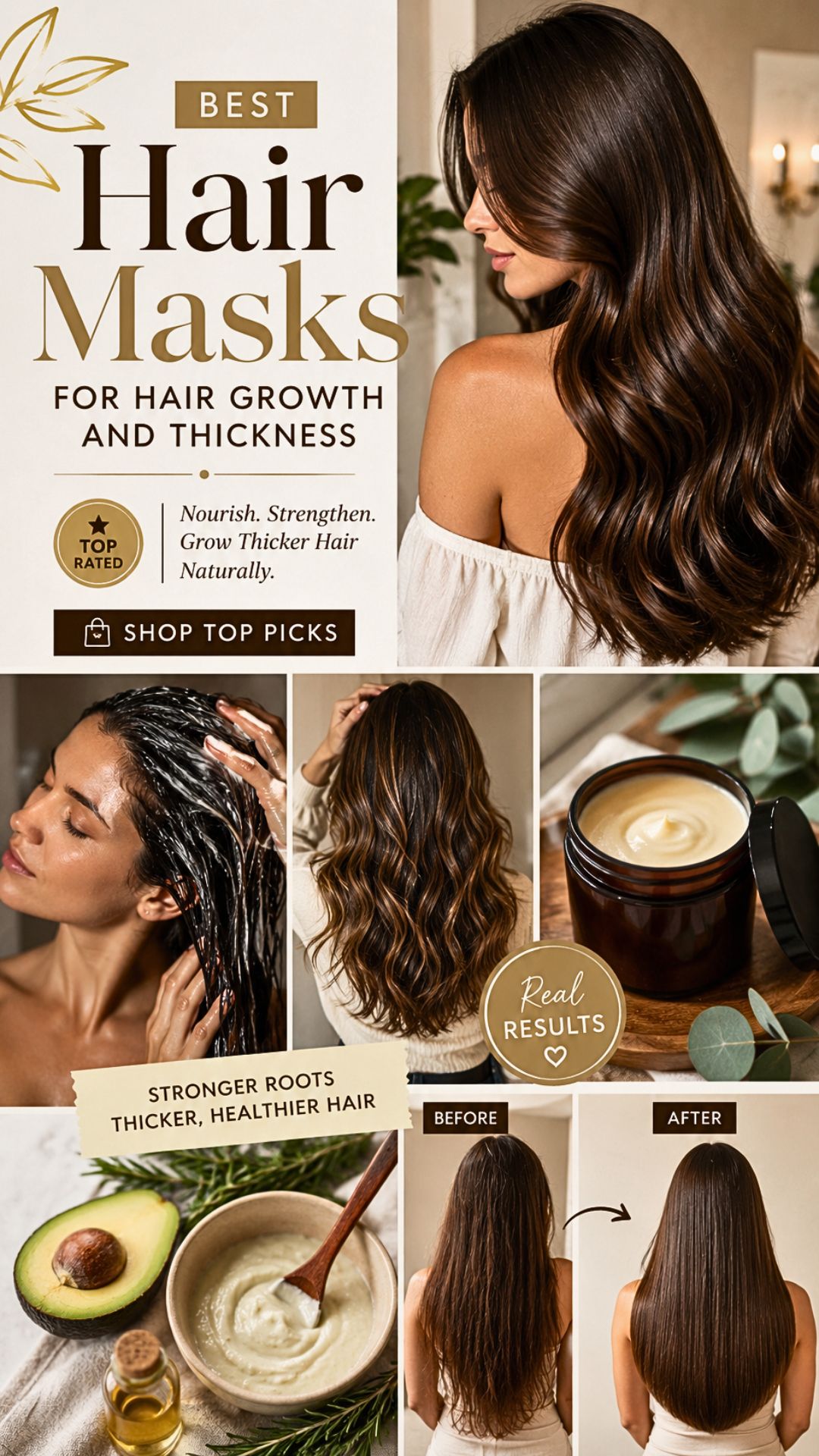
3. Deep Repair Hair Mask
Hair masks provide more intensive care than regular conditioners.
Using one once or twice each week can help improve:
- Dryness
- Frizz
- Elasticity
- Smoothness
- Overall appearance
Apply mainly through the mid-lengths and ends, where damage is usually the greatest.
4. Bond Building Treatments
Bond-building treatments have become popular because they help support hair weakened by bleaching, coloring, or repeated heat styling.
These treatments don’t magically reverse damage, but they can improve the feel, strength, and appearance of compromised hair when used consistently.
They’re especially useful for:
- Bleached blonde hair
- Chemically treated hair
- Heat-damaged hair
- Fragile hair with breakage
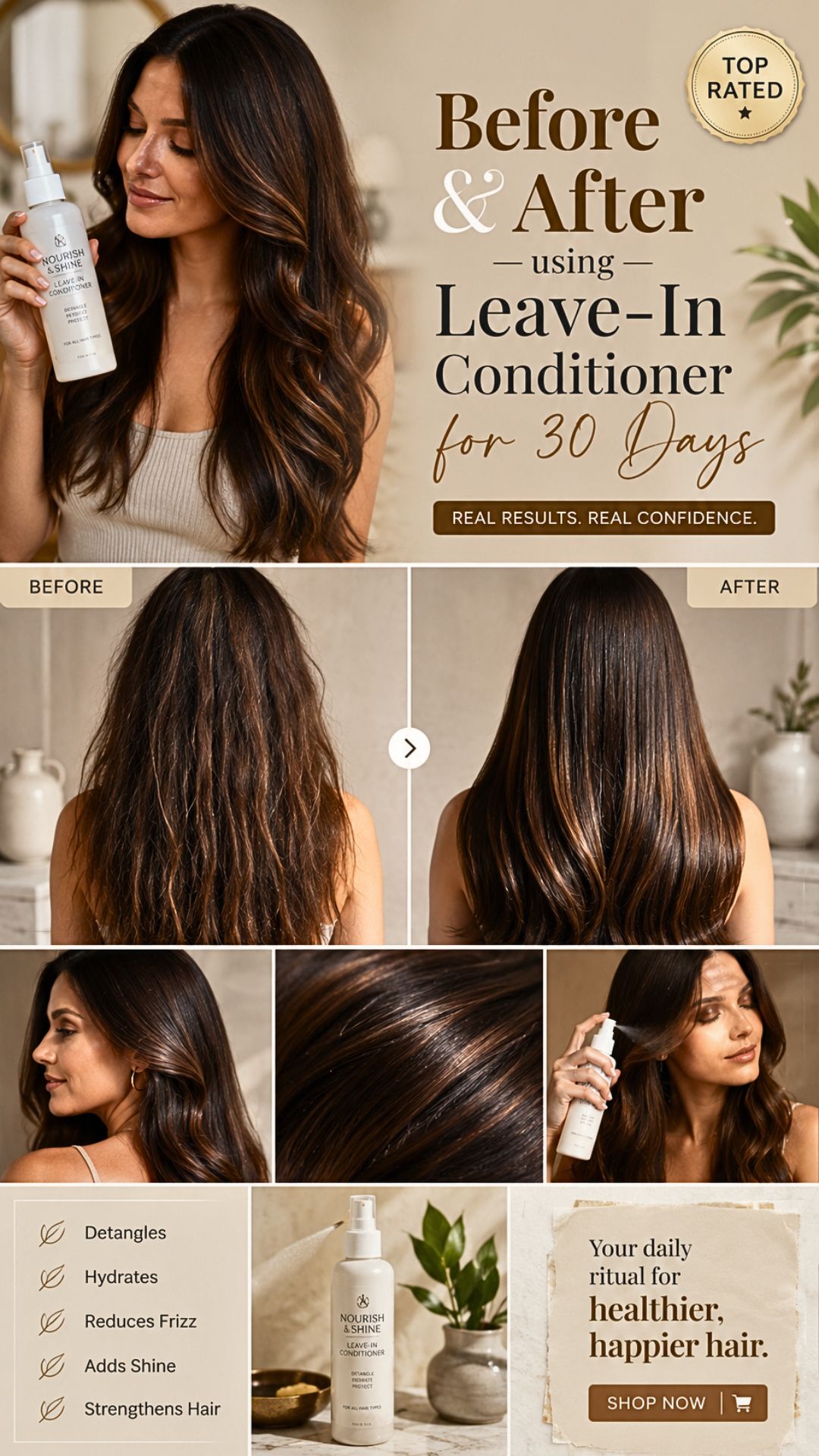
5. Leave-In Conditioner
Leave-in conditioner keeps working long after you leave the shower.
Benefits include:
- Extra hydration
- Easier detangling
- Less frizz
- Better softness
- Added protection during styling
Many people with dry hair notice immediate improvement after adding this one step.
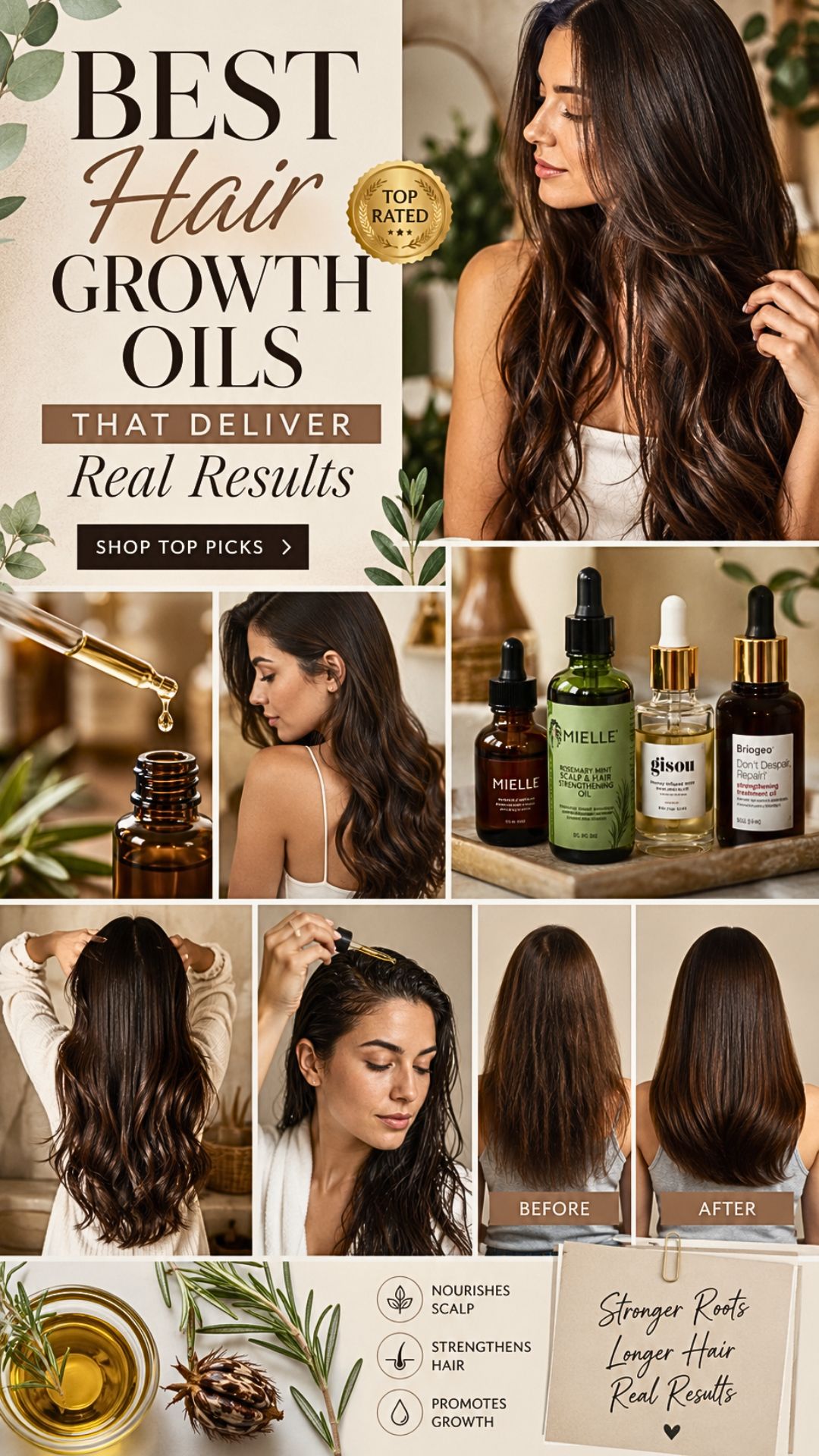
6. Hair Oil
Hair oils help seal moisture into the hair shaft.
Popular choices include:
- Argan oil
- Jojoba oil
- Coconut oil
- Marula oil
- Camellia oil
Only a few drops are needed. Focus on the ends instead of the roots.
7. Heat Protectant Spray
Heat styling without protection is one of the fastest ways to increase damage.
A heat protectant helps create a barrier before using:
- Blow dryers
- Curling irons
- Straighteners
- Hot brushes
This simple habit can reduce future dryness.
8. Overnight Hair Treatment
Overnight products work while you sleep.
These treatments are designed to provide long-lasting moisture without leaving hair greasy by morning.
They’re ideal for people with very dry, coarse, or overprocessed hair.
Recommended Product Types
| Product Type | Best For | Main Benefit | How Often |
|---|---|---|---|
| Repair Shampoo | Everyday cleansing | Gentle cleaning | Every wash |
| Repair Conditioner | Dry hair | Moisture and softness | Every wash |
| Hair Mask | Severe dryness | Deep nourishment | 1–2 times weekly |
| Bond Builder | Color-treated hair | Stronger-looking hair | Weekly |
| Leave-In Conditioner | Frizz and tangles | Daily hydration | After washing |
| Hair Oil | Split ends | Shine and smoothness | Daily or as needed |
| Heat Protectant | Heat styling | Helps reduce damage | Before every styling session |
| Overnight Treatment | Very dry hair | Long-lasting moisture | Weekly |
Build A Simple Hair Repair Routine
You don’t need ten different products. A consistent routine often works better than an expensive collection that sits unused.
Wash Gently
Use lukewarm water instead of very hot water.
Massage your scalp gently without scrubbing your hair aggressively.
Condition Every Time
Never skip conditioner if your hair is dry.
Concentrate it on the middle and ends.
Add A Weekly Hair Mask
Choose one day each week for a deeper treatment.
Leave the mask on according to the directions.
Apply Leave-In Care
After towel drying, use a leave-in conditioner or lightweight cream.
Comb through gently with a wide-tooth comb.
Protect Before Styling
Always spray heat protectant before blow drying or using hot tools.
Lower heat settings are usually enough for most hair types.
Finish With Hair Oil
Smooth one or two drops over dry ends.
This helps reduce frizz while adding shine.
Helpful Tips For Healthier Hair
Small habits often make the biggest difference.
- Trim split ends regularly.
- Sleep on a silk or satin pillowcase.
- Use a microfiber towel.
- Avoid brushing soaking wet hair aggressively.
- Limit bleaching sessions.
- Reduce heat styling when possible.
- Drink enough water.
- Eat protein-rich foods.
- Protect hair from strong sunlight.
- Wear a swim cap in chlorinated pools.
These habits support your repair routine and help prevent future damage.
Common Mistakes That Keep Hair From Improving
Using Too Much Heat
Even the best products cannot fully protect hair from daily high temperatures.
Try letting your hair air dry whenever possible.
Washing Too Often
Overwashing removes natural oils that help protect the hair.
Many people with dry hair do well washing two or three times per week.
Ignoring Split Ends
Repair products improve appearance, but split ends usually need trimming.
Regular trims help prevent splits from traveling farther up the hair.
Applying Oil To Dry Hair Only
Hair oil seals moisture.
It works best after using moisturizing products rather than replacing them.
Switching Products Every Week
Hair care takes consistency.
Give products several weeks before deciding whether they’re helping.
How To Choose The Right Products For Your Hair Type
Fine Hair
Choose lightweight products.
Avoid heavy butters that can make hair look flat.
Thick Hair
Richer creams and masks often work well.
Look for deeply moisturizing formulas.
Curly Hair
Moisture is usually the top priority.
Leave-in conditioners and oils help define curls while reducing frizz.
Color-Treated Hair
Choose color-safe shampoos with repairing ingredients.
Bond-building treatments can also be a useful addition.
Bleached Hair
Bleached hair often needs both moisture and strengthening treatments.
Alternate between moisturizing masks and protein-based products if your hair tolerates protein well.
How Long Does Hair Repair Take?
Visible improvements can happen within a few washes, especially in softness and shine.
However, repairing severely damaged hair takes patience.
Most people notice better texture after several weeks of consistent care. Healthy new growth also depends on protecting your hair from additional damage while maintaining good daily habits.
Remember that damaged hair cannot become brand new again. The goal is to improve its appearance, reduce breakage, and keep new hair as healthy as possible.
Shop Smarter Instead Of Buying Everything
The beauty aisle is full of products claiming to fix every hair problem.
Instead of buying everything at once, start with the basics:
- Gentle repair shampoo
- Moisturizing conditioner
- Weekly hair mask
- Leave-in conditioner
- Heat protectant
Once your routine feels consistent, you can decide whether to add a bond-building treatment or hair oil based on your specific needs.
This approach saves money and helps you understand which products actually make a difference for your hair.
Conclusion
Dry, damaged hair doesn’t need a complicated routine to look healthier. The best results usually come from using a few well-chosen products consistently while avoiding habits that cause more damage. A gentle shampoo, nourishing conditioner, weekly repair mask, leave-in conditioner, and heat protectant create a strong foundation for smoother, softer, and more manageable hair.
If you’re ready to refresh your routine, start with one or two quality Hair Repair Products that match your hair type rather than replacing everything at once. Over time, these simple changes can help reduce frizz, improve shine, and make styling much easier. When you’re ready, check the recommended styling tools, shop the look, or try this product for easier styling to build a routine that supports healthier-looking hair every day.