Hair Care Habits That Are Secretly Damaging Your Hair
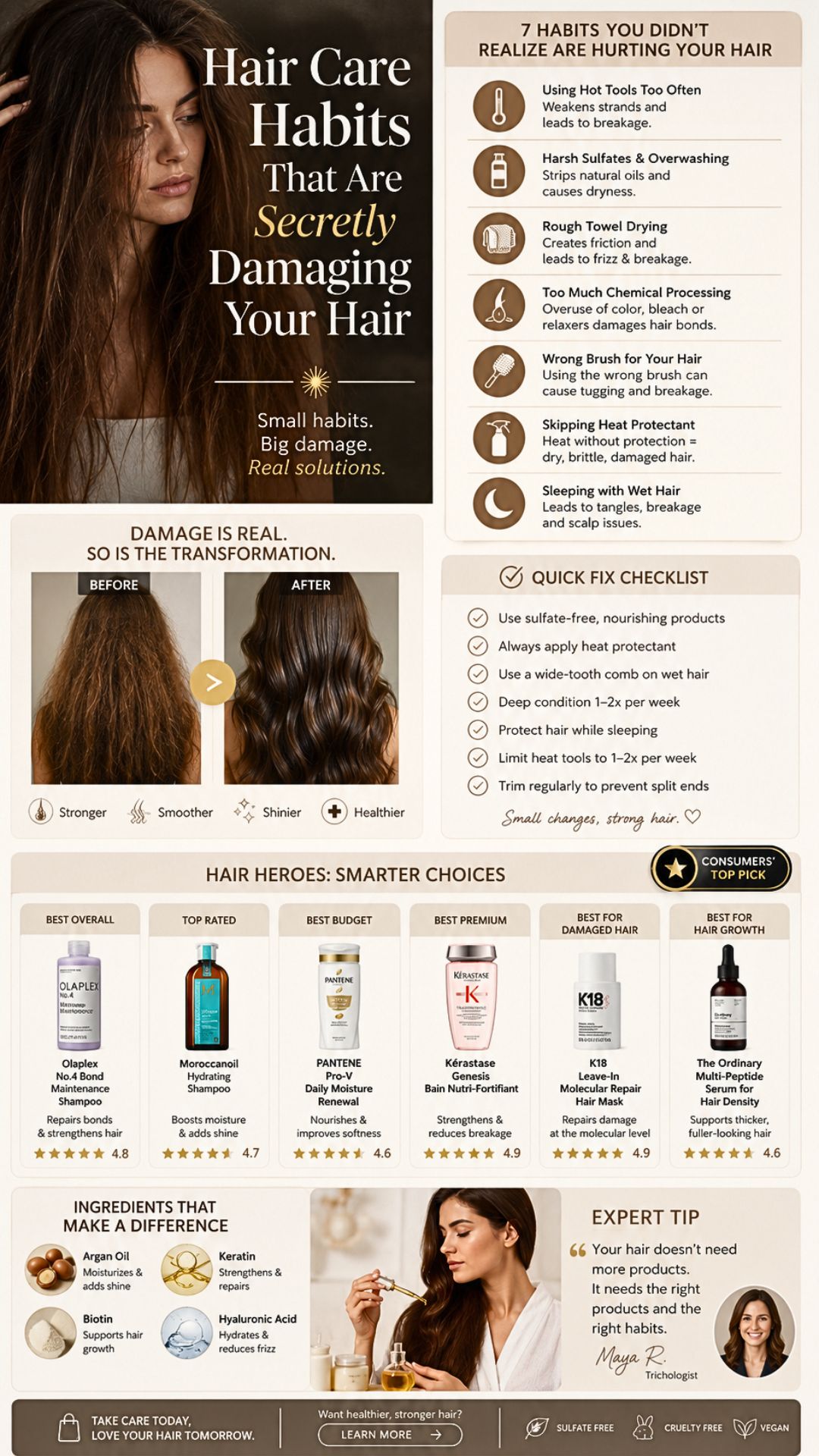
Healthy hair is not only about using expensive products. Many people unknowingly damage their hair through everyday routines. Small habits that seem harmless can lead to dryness, breakage, split ends, and dullness over time.
If you’ve been wondering why your hair never feels as healthy as you want, your daily routine could be the reason. In this guide, we’ll look at common Hair Care Habits that may be hurting your hair, how to fix them, and the best tools and products that can help you build a healthier routine.
Why Your Daily Hair Routine Matters
Hair goes through a lot every day. Heat styling, brushing, washing, weather, and even sleeping can affect its health.
The good news is that healthy hair doesn’t require complicated routines. Small changes often make the biggest difference.
Instead of trying every trending product, focus on building better habits first. Your hair will thank you in the long run.
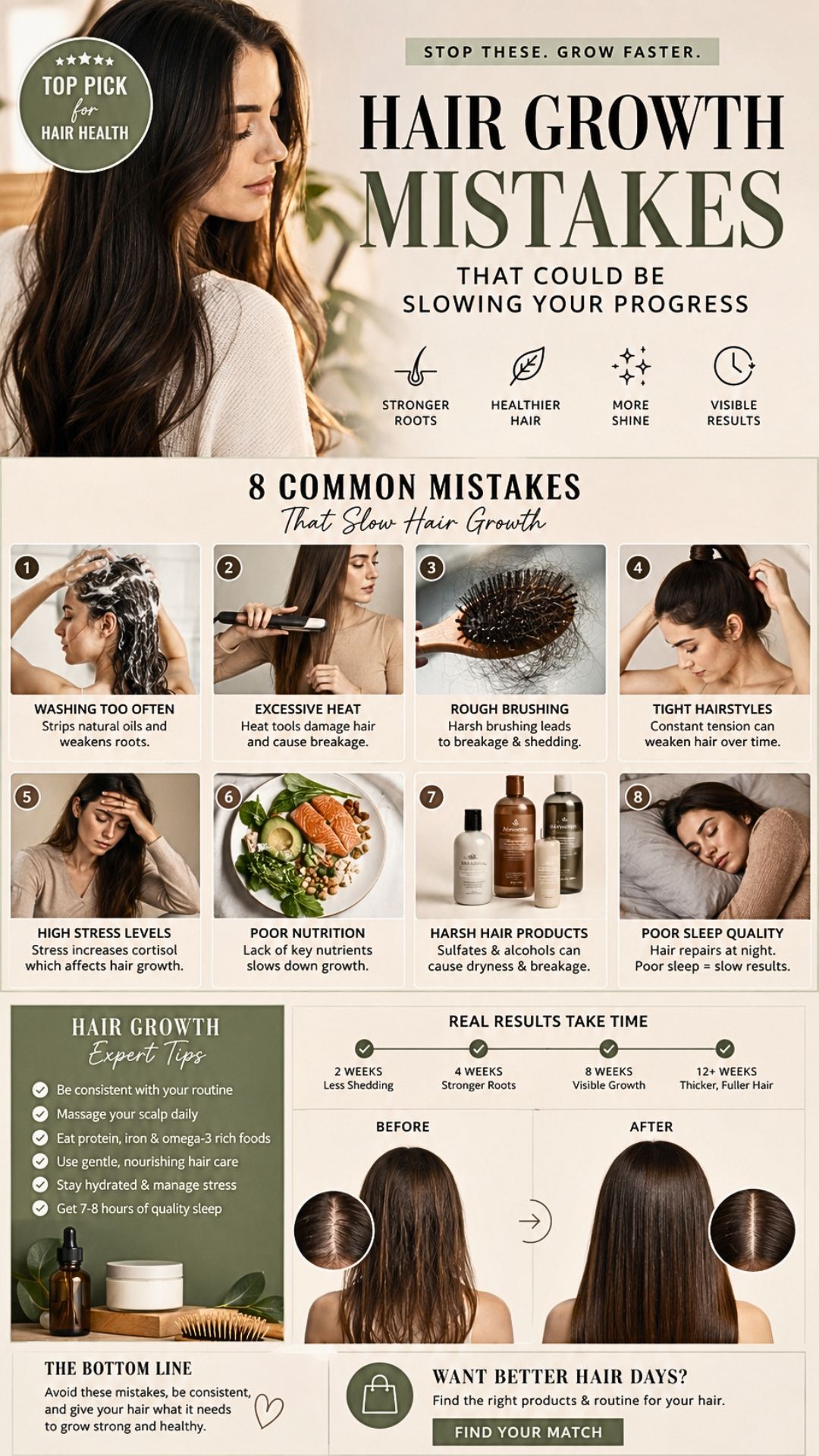
1. Washing Your Hair Too Often
Many people think washing every day keeps hair healthier. In reality, frequent washing removes natural oils that protect the hair shaft.
Without those oils, hair becomes dry, rough, and more likely to break.
If your scalp isn’t very oily, washing two or three times a week is often enough.
Better habit
- Wash based on your hair type.
- Use lukewarm water.
- Choose a gentle sulfate-free shampoo if your hair feels dry.
2. Using Water That’s Too Hot
A hot shower feels relaxing, but it isn’t always kind to your hair.
Very hot water opens the hair cuticle too much, allowing moisture to escape. This often leaves hair frizzy and dull.
Instead, wash with warm water and finish with cool water to help smooth the cuticle.
3. Skipping Conditioner
Some people avoid conditioner because they think it makes hair greasy.
In reality, conditioner replaces moisture lost during washing. It also reduces tangles and protects strands from friction.
Choose a lightweight conditioner for fine hair and a richer formula for thick or curly hair.
4. Brushing Wet Hair the Wrong Way
Wet hair stretches more easily than dry hair.
Pulling a regular brush through wet knots can cause unnecessary breakage.
Better approach
- Use a wide-tooth comb.
- Start at the ends.
- Slowly work upward.
- Be gentle with knots.
5. Rubbing Hair with a Regular Towel
Many people aggressively rub their hair after washing.
This rough movement creates friction that damages the cuticle.
Instead:
- Gently squeeze out water.
- Wrap hair in a microfiber towel.
- Or use a soft cotton T-shirt.
These options reduce frizz and help prevent breakage.
6. Using Heat Styling Every Day
Straighteners, curling irons, and blow dryers can create beautiful styles.
However, daily high heat weakens hair over time.
Repeated heat exposure removes moisture and increases split ends.
Healthier styling routine
- Let hair air dry when possible.
- Lower the temperature setting.
- Avoid multiple passes with styling tools.
Never Skip Heat Protectant
A heat protectant forms a light barrier between your hair and hot styling tools.
While it won’t completely prevent damage, it can reduce moisture loss and make styling less harsh.
If you regularly straighten, curl, or blow dry your hair, this is one of the easiest habits to add.
Try this product for easier styling before every heat session.
7. Sleeping with Wet Hair
Going to bed with wet hair might save time, but it increases friction while you sleep.
Wet strands are weaker and can stretch or snap as you move during the night.
If possible, allow hair to dry before bed.
If you’re short on time, use a cool blow-dryer setting until hair is mostly dry.
8. Wearing Tight Hairstyles Every Day
High ponytails, tight buns, and sleek braids look polished.
But wearing them every day places stress on the same areas of your scalp.
Over time, this can lead to breakage around the hairline.
Better choices
Rotate hairstyles throughout the week.
Choose softer hair ties without metal pieces.
Wear looser styles whenever possible.
9. Ignoring Split Ends
Split ends cannot repair themselves.
Once a strand splits, the damage continues traveling upward.
Regular trims help stop splits before they become worse.
Even trimming every 8 to 12 weeks can make hair appear healthier.
10. Using Too Many Hair Products
It’s easy to believe more products mean better results.
Actually, layering too many creams, oils, sprays, and serums can create buildup.
Heavy buildup makes hair feel dull and lifeless.
Instead:
- Use only products your hair actually needs.
- Clarify occasionally if you notice residue.
11. Brushing Too Much
The old advice about brushing hair 100 times every day is outdated.
Excessive brushing increases friction and may weaken fragile strands.
Brush only when needed to remove tangles and distribute natural oils.
12. Forgetting About Your Scalp
Healthy hair starts with a healthy scalp.
If your scalp is irritated, dry, or oily, hair growth can also suffer.
Simple scalp care includes:
- Gentle massage during shampooing
- Removing product buildup
- Keeping the scalp clean
- Avoiding scratching with fingernails
13. Using the Wrong Hair Products
Not every product works for every hair type.
Heavy products can flatten fine hair.
Very light products may not provide enough moisture for thick curls.
Choosing products based on your hair texture usually gives better results than following trends.
14. Skipping Deep Conditioning Treatments
Hair naturally loses moisture from sun exposure, styling, and washing.
A weekly deep conditioning mask helps replace some of that lost hydration.
This is especially helpful for:
- Curly hair
- Color-treated hair
- Bleached hair
- Heat-damaged hair
15. Not Protecting Hair from the Sun
Your skin isn’t the only thing affected by UV rays.
Too much sun exposure can dry hair, fade color, and weaken strands.
When spending hours outdoors:
- Wear a hat.
- Use UV-protective hair products.
- Tie hair loosely on windy days.
Hair Care Habits Worth Keeping
Healthy routines are often simple.
Some of the best daily habits include:
- Wash only when needed.
- Use conditioner every wash.
- Apply heat protectant before styling.
- Trim split ends regularly.
- Brush gently.
- Sleep on a silk or satin pillowcase.
- Eat a balanced diet.
- Drink enough water.
- Protect hair from excessive heat.
- Give your hair regular breaks from styling.
Recommended Hair Tools and Products
The right products don’t need to be expensive. They simply need to match your hair’s needs.
| Product Type | How It Helps | Best For |
|---|---|---|
| Sulfate-free shampoo | Cleans without stripping moisture | Dry and color-treated hair |
| Moisturizing conditioner | Smooths and hydrates | Most hair types |
| Leave-in conditioner | Adds softness and reduces tangles | Curly, thick, and damaged hair |
| Heat protectant spray | Reduces heat stress during styling | Anyone using heat tools |
| Microfiber towel | Minimizes friction and frizz | All hair types |
| Wide-tooth comb | Reduces breakage when detangling | Wet hair |
| Hair oil or serum | Adds shine and smoothness | Dry or frizzy hair |
| Silk pillowcase | Reduces overnight friction | Long, curly, and fragile hair |
These are products many people find useful as part of a healthy routine. Choose formulas that suit your hair type instead of buying everything at once.
Step-by-Step Healthy Hair Routine
A consistent routine often works better than constantly switching products.
Step 1
Wash with a gentle shampoo that matches your hair type.
Step 2
Apply conditioner from the middle of your hair to the ends.
Step 3
Blot hair gently using a microfiber towel.
Step 4
Use a wide-tooth comb to remove tangles.
Step 5
Apply a leave-in conditioner or lightweight serum if needed.
Step 6
If using heat tools, spray a heat protectant first.
Step 7
Style using the lowest effective temperature.
Step 8
Finish with a small amount of hair oil if your ends feel dry.
Step 9
Sleep on a satin or silk pillowcase to reduce friction overnight.
Common Hair Care Mistakes to Avoid
Sometimes improving your routine is more about stopping bad habits than adding new ones.
Avoid these common mistakes:
- Washing hair every day without needing to
- Using very hot water
- Skipping conditioner
- Pulling through knots aggressively
- Styling with maximum heat every day
- Sleeping with wet hair
- Ignoring split ends
- Using products that don’t match your hair type
- Wearing tight hairstyles all week
- Applying too many styling products
How Long Does It Take to See Healthier Hair?
Hair doesn’t change overnight.
Many people notice softer hair within a few weeks after improving their routine.
Reduced breakage often becomes noticeable after one to two months.
Visible length retention may take several months because healthier strands are less likely to snap before they grow longer.
Consistency is more important than perfection.
See the Best Tools for Healthier Hair
If you’re building a new routine, start with the basics instead of buying everything at once.
Helpful essentials include:
- A gentle sulfate-free shampoo
- A moisturizing conditioner
- A heat protectant spray
- A microfiber towel
- A wide-tooth comb
- A silk pillowcase
These everyday tools can make styling easier while reducing unnecessary damage. Check the recommended styling tools and choose the ones that fit your hair type and routine.
Conclusion
Beautiful hair isn’t created by one miracle product. It’s built through small, healthy habits repeated every day.
Many damaging routines happen without us realizing it. Washing too often, brushing roughly, using excessive heat, or skipping conditioner may seem harmless, but together they can affect your hair’s strength and shine.
By replacing these habits with gentler alternatives, you’ll create a routine that supports healthier hair over time. Whether your goal is smoother strands, fewer split ends, or stronger growth, consistency makes the biggest difference.
If you’re ready to upgrade your routine, shop the look, see the best tools for this look, or try this product for easier styling by choosing high-quality essentials that match your hair type. A few thoughtful changes today can help your hair look and feel healthier for years to come.