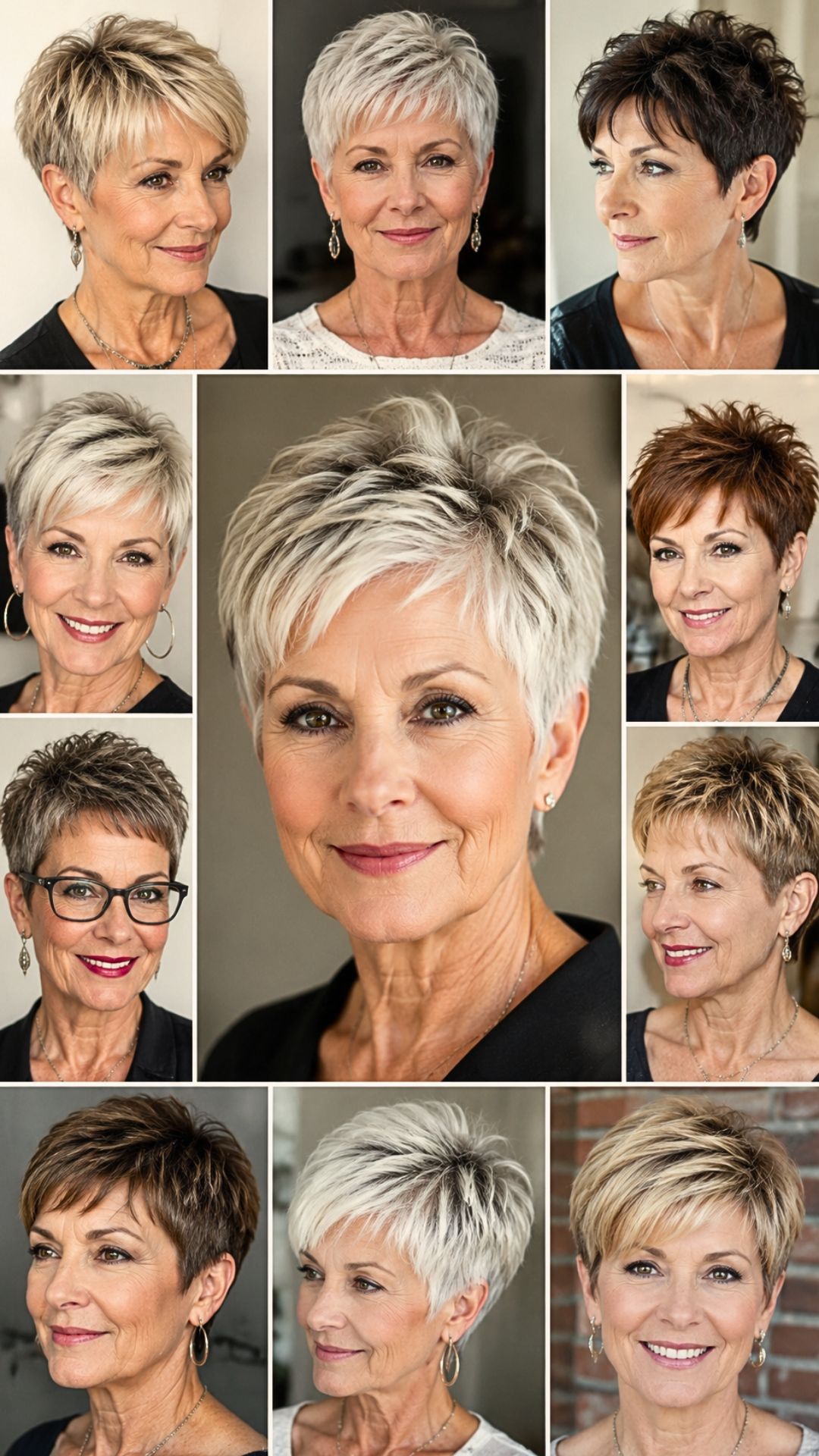
Hair Growth Mistakes That Are Secretly Causing Hair Loss

Introduction
Many people spend a lot of money on hair oils, serums, shampoos, and supplements. Yet their hair keeps getting thinner. It can feel frustrating and confusing. You may think you are doing everything right, but some common habits can quietly work against your hair goals.
The truth is simple. Healthy hair growth is not only about what you add to your routine. It is also about what you avoid. Small daily mistakes can stress your scalp, weaken hair strands, and slow down growth. Over time, these habits may lead to noticeable shedding and breakage.
I learned this lesson the hard way. Years ago, I thought using more products would give me thicker hair. Instead, my hair became dry and fragile. Once I fixed a few hidden mistakes, I noticed less shedding and healthier growth. Many people have similar experiences.
This guide explores Hair Growth Mistakes That Are Secretly Causing Hair Loss. These are habits many people overlook. By understanding them, you can give your hair a better chance to grow stronger, fuller, and healthier.
| Mistake | Possible Effect |
|---|---|
| Overwashing | Dry scalp and weak strands |
| Tight hairstyles | Hair breakage and traction loss |
| Poor diet | Slow growth and thinning |
| Heat styling | Damaged hair shafts |
| Ignoring scalp health | Weak hair roots |
| Excessive coloring | Hair weakness |
| Stress | Increased shedding |
| Skipping trims | More breakage |
| Wrong products | Scalp irritation |
| Poor sleep | Reduced hair repair |
1. Washing Your Hair Too Often
Many people believe that washing hair every day keeps it healthy. While cleanliness matters, overwashing can remove natural oils that protect the scalp and hair. These oils act like a shield. Without them, hair can become dry, brittle, and more likely to break.
Imagine a plant that receives too much water. Instead of thriving, it struggles. Hair behaves in a similar way. Excessive washing can upset the scalp’s balance. This may lead to irritation, dryness, and weak hair strands.
The right washing schedule depends on your hair type. Oily hair may need more frequent cleansing, while dry or curly hair often benefits from fewer washes. Finding a balance can make a big difference in reducing hair loss and supporting healthy growth.
2. Wearing Tight Hairstyles Every Day
Ponytails, buns, braids, and extensions may look stylish, but constant tension can damage hair follicles. This condition is called traction alopecia. It happens when hair roots are pulled repeatedly over time.
The damage often starts slowly. You may notice thinning around the hairline or temples. Because the change happens gradually, many people do not realize the cause until significant hair loss occurs.
Think of a rope being pulled from both ends every day. Eventually, the fibers weaken. Hair responds similarly. Looser styles can reduce stress on the follicles and help preserve hair density.
Warning Signs of Tight Hairstyles
- Thinning edges
- Hairline recession
- Scalp tenderness
- Small bumps near follicles
- Increased breakage
3. Ignoring Your Scalp Health
Healthy hair starts with a healthy scalp. Yet many people focus only on hair strands while forgetting the skin underneath. A neglected scalp can become clogged with oil, dead skin, and product buildup.
Hair follicles need a clean environment to function well. When pores become blocked, hair growth may slow down. In some cases, inflammation can contribute to increased shedding.
Think of the scalp as soil in a garden. Even the best seeds struggle in poor soil. Gentle scalp massages, proper cleansing, and occasional exfoliation can help create a better environment for hair growth.
4. Using Too Much Heat
Flat irons, curling wands, and blow dryers can create beautiful styles. However, frequent heat exposure weakens the protective layer of the hair shaft. Over time, hair loses moisture and becomes fragile.
Heat damage often appears as split ends, rough texture, and increased breakage. Many people mistake this breakage for hair loss because their hair appears thinner and shorter.
Using heat protection products and lowering styling temperatures can help reduce damage. Giving your hair regular breaks from heat can also improve its overall condition.
5. Following Extreme Diets
Hair is not essential for survival. When your body lacks nutrients, it prioritizes important organs first. Hair growth often slows down as a result.
Crash diets and severe calorie restrictions can trigger significant shedding. Many people notice hair loss several months after rapid weight loss. This delay makes it difficult to connect the problem to diet changes.
A balanced diet rich in protein, iron, zinc, healthy fats, and vitamins supports stronger hair. Think of nutrition as fuel. Without enough fuel, your hair growth engine struggles to perform well.
6. Choosing the Wrong Hair Products
Not every product works for every scalp type. Some shampoos contain harsh ingredients that can strip natural oils. Others may leave residue that blocks follicles.
Marketing often makes products sound perfect. Yet what works for one person may not work for another. Understanding your scalp type is important before selecting products.
A simple routine with suitable products often works better than a shelf full of trendy treatments. Less can sometimes be more when it comes to hair care.
7. Brushing Wet Hair Aggressively
Wet hair is more elastic and fragile than dry hair. Pulling a brush through wet strands can stretch and break them. This mistake is common because many people detangle right after washing.
Hair at this stage is similar to a wet thread. It can snap easily under pressure. Gentle handling is important to prevent unnecessary breakage.
Using a wide-tooth comb and starting from the ends can reduce damage. Patience during detangling can save countless strands over time.
8. Sleeping on Rough Pillowcases
Many people never consider their pillowcase as a factor in hair health. Cotton fabrics can create friction during sleep. This friction may contribute to tangles, frizz, and breakage.
Nighttime movement causes hair to rub against the pillow repeatedly. Over months and years, this wear can become noticeable.
Smoother fabrics can reduce friction and help preserve hair quality. Protecting hair while sleeping is a simple habit that often gets overlooked.
9. Skipping Regular Trims
Some people avoid haircuts because they want longer hair. Ironically, skipping trims can make growth appear slower. Split ends travel upward and cause more breakage.
When hair breaks faster than it grows, length becomes difficult to maintain. This creates the illusion that hair is not growing.
Regular trims help remove damaged ends before they worsen. Healthy ends allow hair to retain length more effectively.
10. Coloring Hair Too Frequently
Hair coloring can transform appearance and boost confidence. However, repeated chemical treatments may weaken the hair structure. Bleaching is especially harsh because it removes natural pigment from the hair shaft.
Overprocessed hair often becomes dry, porous, and fragile. Breakage increases, making hair look thinner over time.
Giving hair enough recovery time between treatments can help reduce damage. Proper aftercare is equally important for maintaining strength.
11. Ignoring Stress Levels
Stress affects the entire body, including hair. During periods of intense emotional or physical stress, more hair follicles may enter the shedding phase.
Many people notice increased hair fall after major life events. The connection is real and supported by research. Unfortunately, the effects often appear months later.
Managing stress through exercise, relaxation, hobbies, or social support can benefit both mental health and hair health.
12. Not Getting Enough Sleep
Sleep is when the body repairs itself. This includes processes that support healthy hair growth. Poor sleep may disrupt hormone balance and increase stress levels.
Think of sleep as a nightly maintenance session. Without enough rest, the body struggles to perform important repair functions.
Creating a consistent sleep schedule can support overall wellness and healthier hair growth over time.
13. Overusing Hair Oils
Hair oils can be beneficial when used correctly. However, applying excessive amounts may clog follicles and attract dirt. This buildup can irritate the scalp.
Many people assume more oil means faster growth. Unfortunately, hair growth does not work that way. Excessive oil often creates additional problems rather than solutions.
Moderation is key. Using the right amount for your scalp type is usually more effective than heavy applications.
14. Neglecting Medical Conditions
Sometimes hair loss is linked to underlying health issues. Hormonal imbalances, thyroid disorders, nutrient deficiencies, and certain illnesses can all affect hair growth.
Many people spend years trying different products without addressing the real cause. Professional evaluation may reveal factors that are impossible to fix with shampoos or oils alone.
If hair loss is sudden, severe, or persistent, seeking medical advice is a smart step. Early action often leads to better outcomes.
15. Expecting Instant Results
One of the biggest mistakes is impatience. Hair growth is a slow process. Most healthy hair grows only a small amount each month. Constantly switching products prevents you from seeing real results.
Imagine planting a tree and digging it up every week to check the roots. Growth needs time and consistency. Hair is no different.
Building a healthy routine and sticking with it often produces better results than chasing quick fixes. Consistency is one of the most powerful tools for long-term hair health.
Conclusion
The journey to healthier hair is often less about finding a miracle product and more about avoiding harmful habits. Many of the issues discussed in Hair Growth Mistakes That Are Secretly Causing Hair Loss happen quietly in daily life. They seem harmless at first, yet they can slowly weaken hair and affect growth.
The good news is that most of these mistakes are easy to correct. Small changes can create meaningful improvements over time. Protect your scalp, nourish your body, reduce stress, and treat your hair gently. Think of your hair as a living garden. With patience, care, and the right habits, it can become stronger and healthier.
Hair growth takes time, but every healthy choice you make today helps build better results for tomorrow.