Hair Growth Mistakes That Could Be Slowing Your Progress
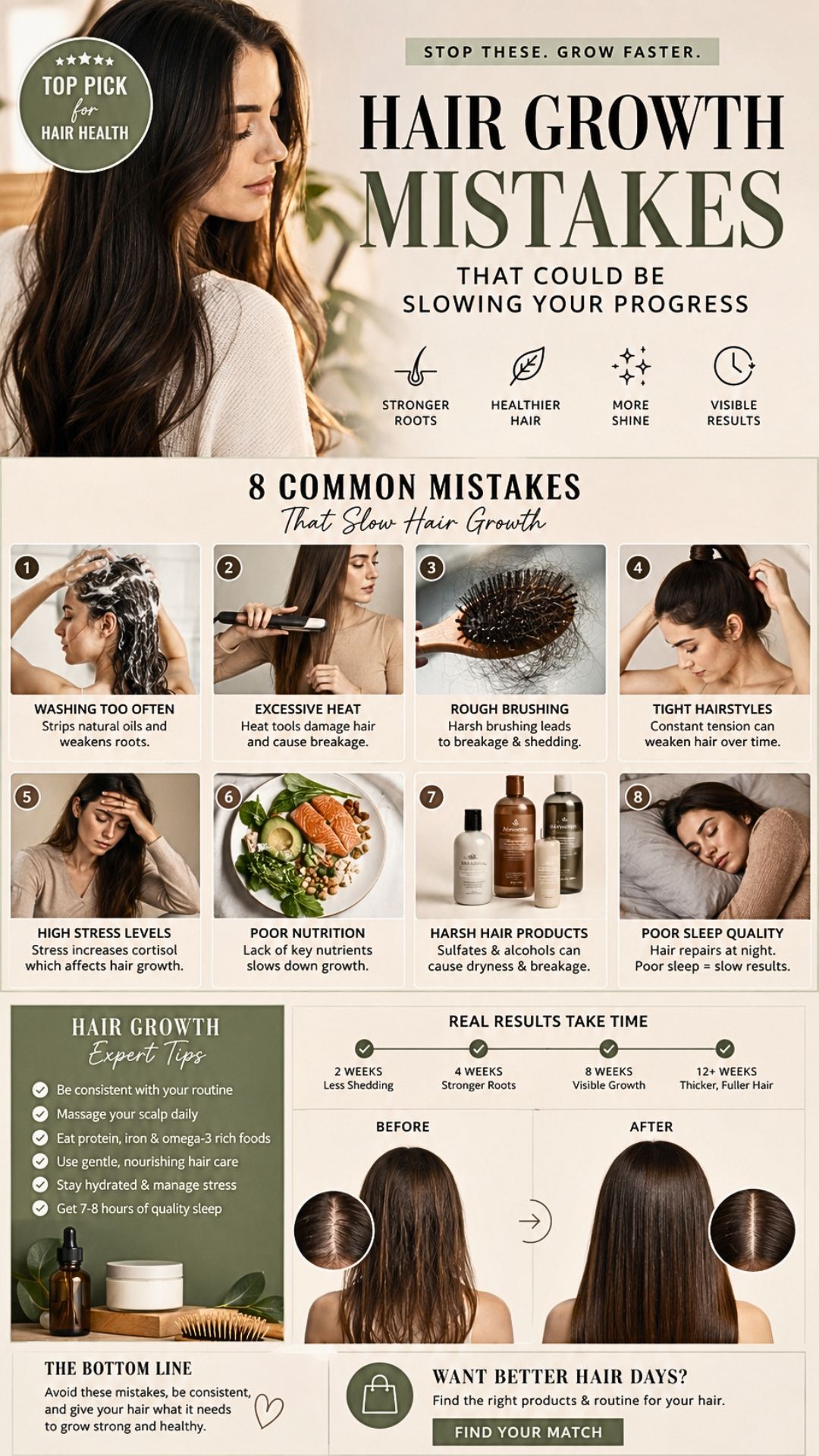
Growing your hair can feel frustrating when you are doing “everything right” but still not seeing results. The truth is, many people unknowingly make small mistakes that slow down healthy hair growth over time. These habits can lead to more breakage, dryness, and thinning, making it seem like your hair is not growing at all.
In this guide, we’ll cover the most common Hair Growth Mistakes, explain why they matter, and share simple ways to fix them. Whether you’re trying to grow long hair, recover from damage, or improve your everyday routine, these practical tips can help you support healthier, stronger strands.
Why Healthy Hair Growth Takes Time
Hair naturally grows about half an inch per month for most people. Genetics, age, hormones, stress, nutrition, and hair care habits all play a role.
Many people believe a single shampoo or serum will dramatically speed up growth. In reality, healthy hair growth is about creating the right conditions for your scalp and protecting the hair you already have. Preventing breakage is just as important as encouraging new growth.
Hair Growth Mistakes That Could Be Holding You Back
1. Washing Your Hair Too Often
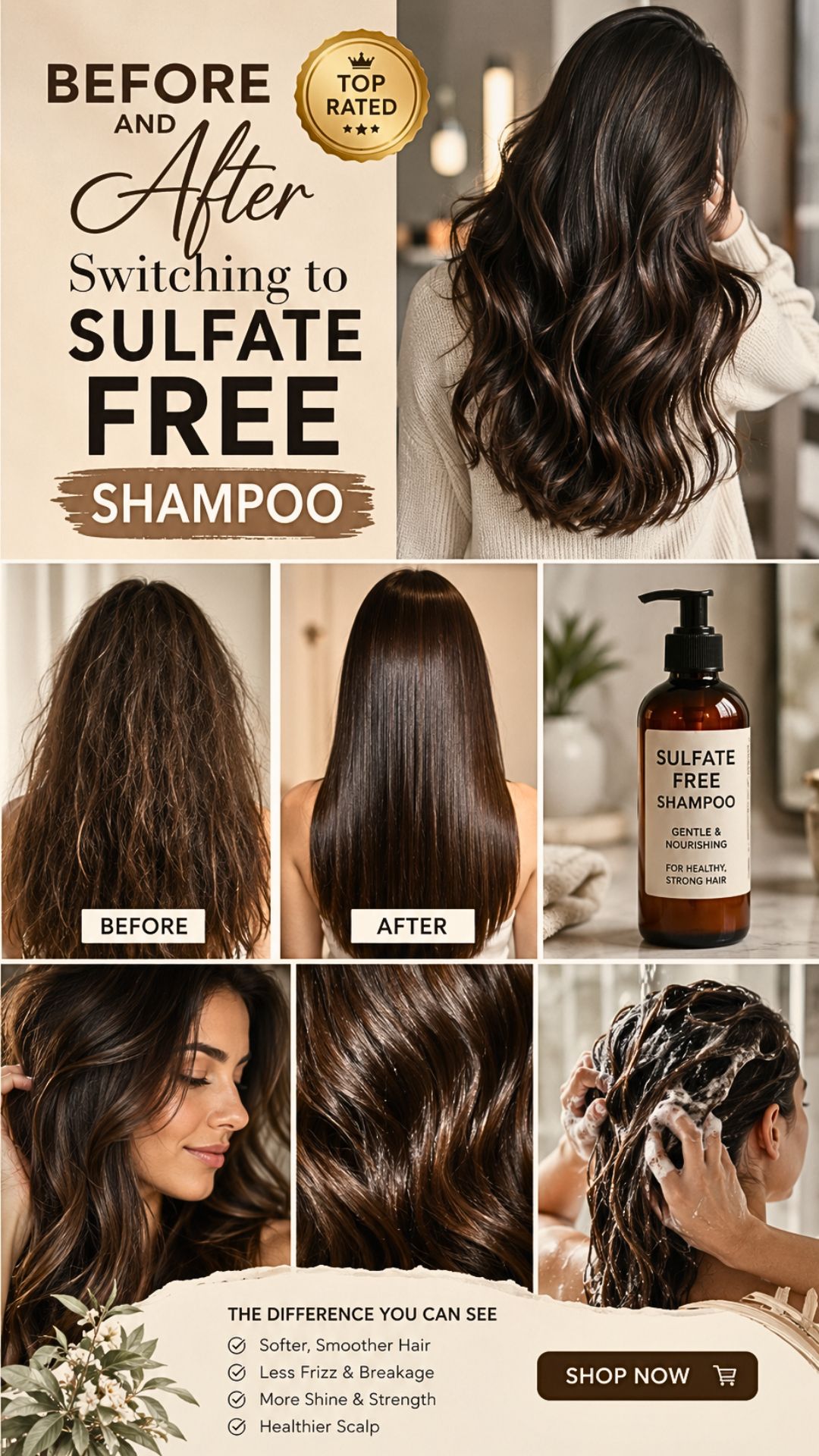
Clean hair is important, but washing every day may remove the natural oils your scalp produces.
These oils help keep hair soft, flexible, and less likely to break. If your hair feels dry after every wash, consider washing less often or switching to a gentler shampoo.
A good routine depends on your hair type:
- Fine hair: every 2–3 days
- Medium hair: every 3–4 days
- Curly or coily hair: every 5–7 days
2. Ignoring Your Scalp
Healthy hair starts with a healthy scalp.
If your scalp is covered with product buildup, excess oil, or flakes, hair follicles may not function at their best. That doesn’t mean dirty scalps stop growth completely, but keeping the scalp clean and balanced creates a better environment for healthy hair.
Simple habits include:
- Gentle scalp massage
- Regular cleansing
- Occasional scalp exfoliation
- Using lightweight scalp treatments when needed
3. Using Too Much Heat
Flat irons, curling wands, and blow dryers can weaken the hair shaft when used frequently.
Repeated heat styling dries out the hair, making it easier to split and snap. This creates the illusion that your hair has stopped growing because the ends continue breaking off.
To reduce damage:
- Use the lowest effective heat setting.
- Always apply a heat protectant.
- Air dry when possible.
- Limit hot tools to special occasions.
4. Skipping Regular Trims
Many people avoid haircuts because they want longer hair.
Ironically, damaged ends often split higher up the strand. Small trims remove those weak ends before they become larger problems.
A light trim every 8–12 weeks can help maintain healthier-looking lengths without slowing growth.
5. Tight Hairstyles Every Day
High ponytails, tight buns, and braided styles can place constant tension on your hairline.
Over time, this stress may increase breakage and, in some cases, contribute to traction-related hair loss.
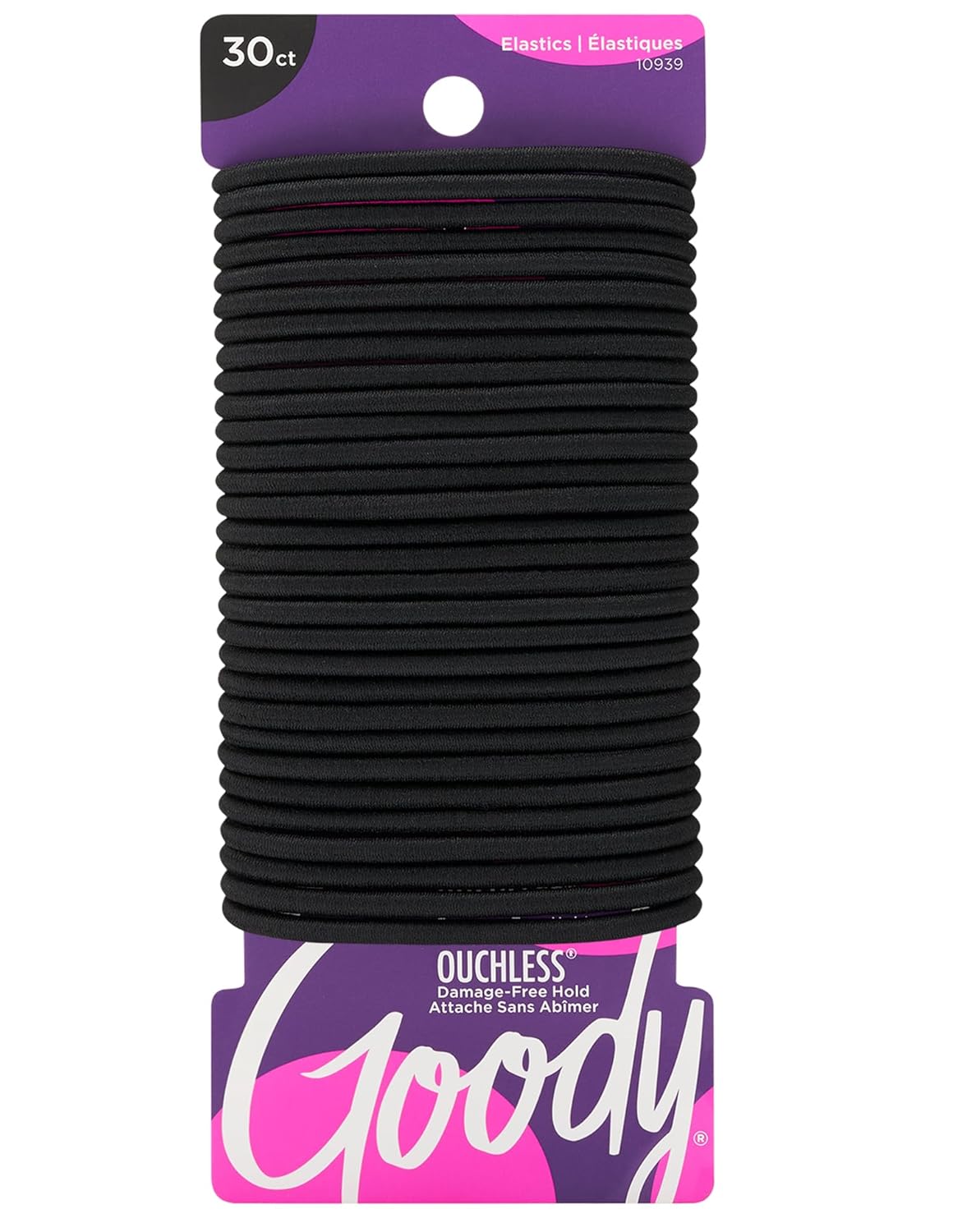
Instead, rotate hairstyles and choose softer hair ties that don’t pull as tightly.
Good options include:
- Loose braids
- Low ponytails
- Silk scrunchies
- Claw clips
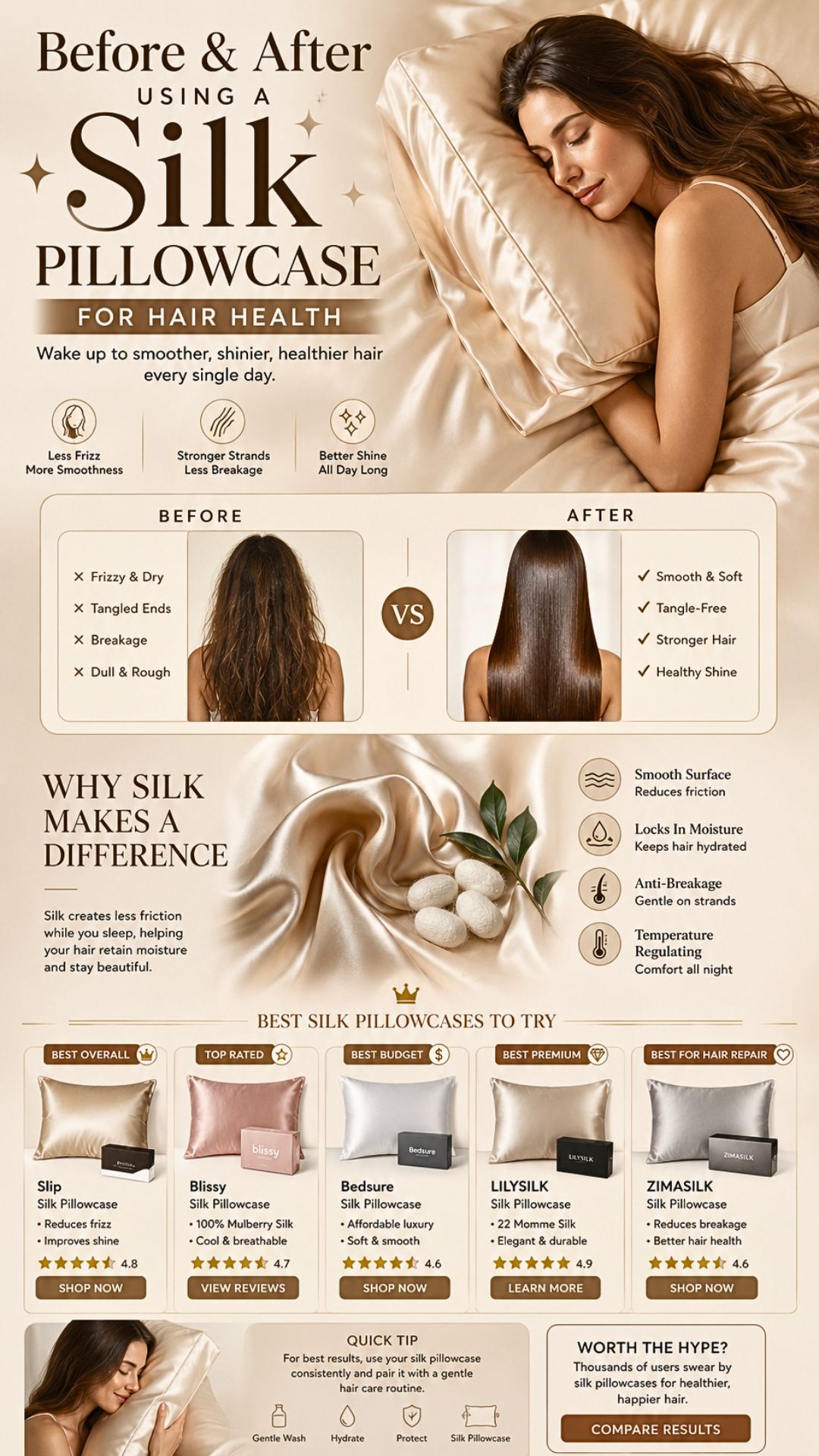
6. Sleeping on Cotton Pillowcases
Cotton absorbs moisture and creates friction while you sleep.
That friction may leave your hair tangled, dry, and more likely to break by morning.
Switching to a satin or silk pillowcase helps reduce rubbing and allows hair to glide more smoothly overnight.
7. Brushing Hair the Wrong Way
Aggressive brushing can cause unnecessary damage.
Always begin at the ends and slowly work upward instead of pulling from the roots downward.
For wet hair, use:
- Wide-tooth combs
- Flexible detangling brushes
- Leave-in conditioner for extra slip
Gentle detangling protects the hair from snapping.
8. Not Eating Enough Protein
Hair is made mostly of keratin, a protein.
If your diet lacks enough protein and other nutrients, your body may prioritize essential functions instead of producing strong hair.
Focus on balanced meals that include:
- Eggs
- Fish
- Chicken
- Beans
- Greek yogurt
- Nuts
- Seeds
Healthy eating supports your overall hair care routine.
9. Expecting Overnight Results
Hair growth products often take weeks or months before noticeable improvements appear.
Changing products every two weeks makes it difficult to know what actually works.
Instead:
- Stay consistent.
- Take monthly progress photos.
- Track your routine.
- Give products enough time before switching.
Patience is often the hardest part of growing healthier hair.
10. Overusing Dry Shampoo
Dry shampoo is convenient but should not completely replace washing.
Too much product can build up on the scalp, making hair feel heavy and dull.
Use dry shampoo between wash days rather than as a permanent substitute.
11. Choosing the Wrong Hair Products
Not every product works for every hair type.
Heavy oils may weigh down fine hair, while lightweight formulas may not provide enough moisture for thick curls.
Understanding your hair’s needs helps you choose products more effectively.
Look for products based on:
- Hair texture
- Porosity
- Scalp type
- Color-treated hair
- Heat damage
12. Rough Towel Drying
Rubbing your hair with a regular towel creates friction.
Wet hair is especially fragile, making it easier to stretch and snap.
Instead:
- Gently squeeze out excess water.
- Use a microfiber towel.
- Wrap hair loosely.
- Let it air dry before styling.
13. Forgetting UV Protection
The sun doesn’t just affect your skin.
Long hours outdoors may dry the hair and fade color-treated strands.
Wear a hat during extended sun exposure or use leave-in products that offer UV protection.
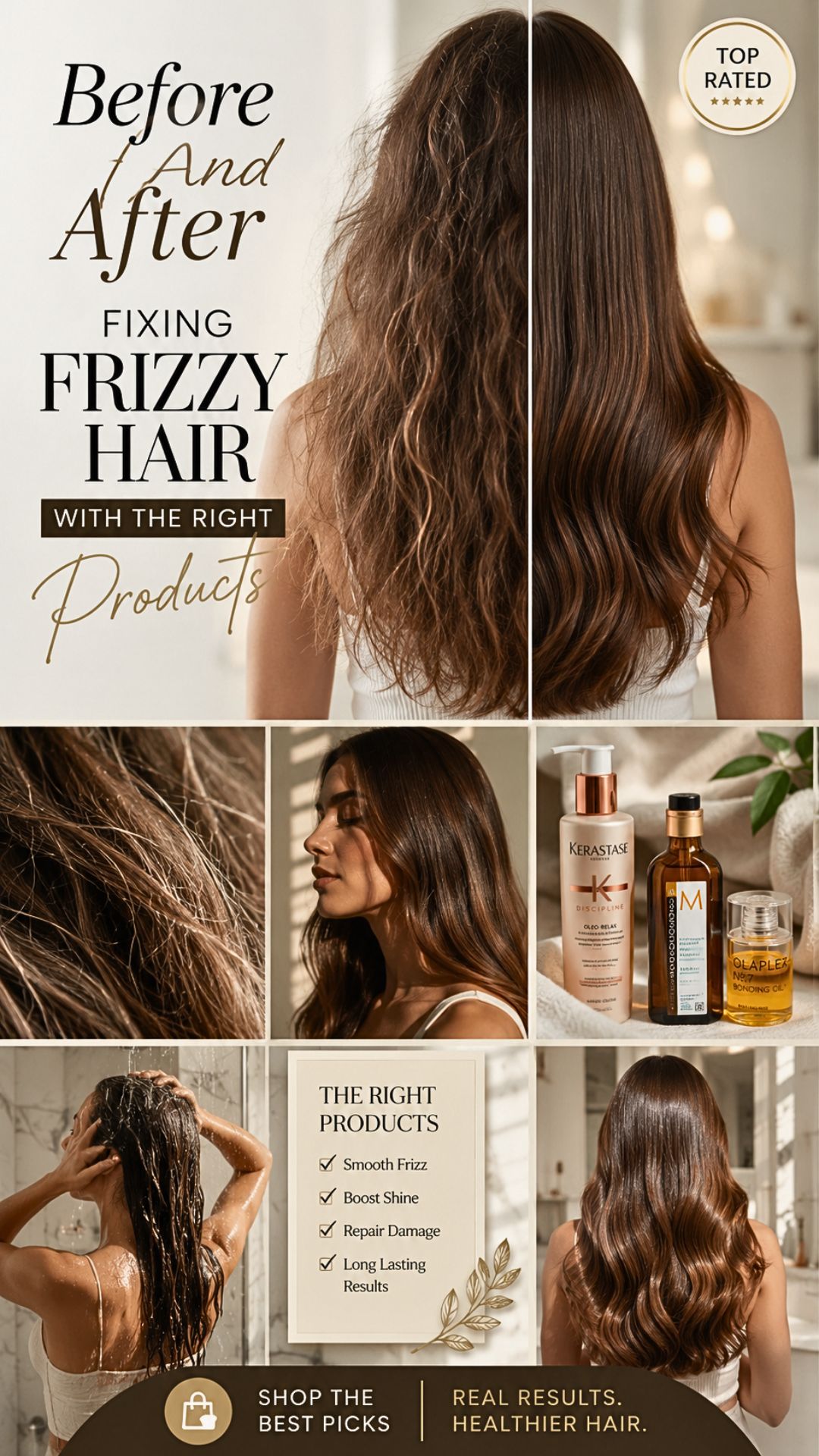
14. Using Too Many Products at Once
Layering multiple oils, serums, creams, sprays, and treatments every day isn’t always helpful.
Too many products can create buildup and make hair feel greasy or heavy.
A simple routine is often easier to maintain and more effective over time.
Signs Your Hair Routine Needs an Update
You may benefit from changing your routine if you notice:
- Constant split ends
- Hair breaking during brushing
- Excessive dryness
- Flaky scalp
- Hair that feels weak
- Increased tangles
- Hair losing shine
- Little improvement after several months
Small changes often make a noticeable difference.
Daily Habits That Support Healthy Hair Growth
Instead of chasing miracle products, focus on consistent habits.
Morning
- Brush gently.
- Protect hair from heat.
- Avoid tight hairstyles.
- Eat a balanced breakfast.
Evening
- Detangle carefully.
- Massage your scalp for a few minutes.
- Sleep on a satin pillowcase.
- Tie long hair loosely before bed.
These simple habits help protect your hair every day.
Helpful Hair Care Tools Worth Considering
While no product can magically make hair grow overnight, the right tools can reduce damage and create healthier conditions for growth.
Some popular options include:
- Microfiber hair towels
- Satin pillowcases
- Wide-tooth combs
- Scalp massagers
- Heat protectant sprays
- Ionic hair dryers with adjustable temperatures
- Silk scrunchies
- Lightweight leave-in conditioners
These products focus on minimizing breakage rather than making unrealistic promises.
If you’re building a new routine, check the recommended styling tools that match your hair type. A few well-chosen essentials often work better than buying dozens of products you rarely use.
Step-by-Step Hair Growth Routine
Step 1: Cleanse Gently
Wash your scalp with a shampoo that suits your hair type. Focus on the scalp rather than scrubbing the lengths.
Step 2: Condition Well
Apply conditioner mainly to the mid-lengths and ends. Leave it on for a few minutes before rinsing.
Step 3: Detangle Carefully
Use a wide-tooth comb while your hair is conditioned or after applying a leave-in product.
Step 4: Protect Before Heat
Always use a heat protectant before blow drying or styling with hot tools.
Step 5: Nourish Your Scalp
Spend two to five minutes massaging your scalp a few times each week to support circulation and relaxation.
Step 6: Protect While Sleeping
Use a satin pillowcase or a loose protective hairstyle to reduce friction overnight.
Step 7: Stay Consistent
Healthy hair routines work best when followed regularly over several months.
Quick Tips for Stronger, Healthier Hair
- Drink enough water every day.
- Eat balanced meals.
- Avoid excessive bleaching.
- Reduce heat styling when possible.
- Trim damaged ends regularly.
- Handle wet hair gently.
- Protect hair from harsh weather.
- Use products made for your hair type.
- Avoid tight hairstyles every day.
- Be patient with your progress.
Hair Care Habit Comparison
| Habit | Better Choice | Why It Helps |
|---|---|---|
| Daily hot tools | Heat styling only when needed | Less breakage |
| Cotton pillowcase | Satin or silk pillowcase | Reduces friction |
| Tight ponytails | Loose styles | Less tension on hair |
| Rough towel drying | Microfiber towel | Prevents damage |
| Skipping conditioner | Moisturizing conditioner | Improves softness |
| Aggressive brushing | Gentle detangling | Reduces snapping |
| Product overload | Simple routine | Less buildup |
| Daily washing for dry hair | Wash based on hair type | Maintains natural moisture |
Common Myths About Hair Growth
Many hair care myths continue to circulate online, making it difficult to know what really works. Understanding the facts can help you build a routine based on realistic expectations rather than quick fixes.
Myth: Cutting Your Hair Makes It Grow Faster
Hair grows from the scalp, not the ends. Trimming doesn’t speed up growth, but it removes damaged ends that might otherwise break off.
Myth: More Products Mean Better Results
Using five different oils and multiple serums every day won’t necessarily improve hair growth. Consistency with a simple, well-matched routine is usually more effective.
Myth: Brushing Hair 100 Times a Day Is Healthy
Excessive brushing can actually increase breakage. Gentle detangling when needed is enough for most hair types.
Myth: Natural Always Means Better
Natural ingredients can be wonderful, but they are not automatically safer or more effective. Choose products based on your hair’s needs rather than marketing labels alone.
Build a Routine You Can Actually Stick With
The best hair care routine is one you can maintain week after week.
You don’t need an overflowing bathroom shelf filled with expensive products. A gentle shampoo, nourishing conditioner, heat protectant, microfiber towel, and a satin pillowcase are enough for many people to build a strong foundation.
As your hair changes with the seasons or your styling habits, you can adjust your routine without starting over completely.
Conclusion
Growing healthier hair is rarely about finding one miracle product. More often, it’s about avoiding the everyday habits that quietly cause breakage and slow visible progress.
By recognizing these Hair Growth Mistakes, treating your scalp with care, reducing unnecessary damage, eating well, and staying consistent, you’ll give your hair the best chance to grow stronger over time.
If you’re ready to upgrade your routine, see the best tools for this look, shop the look, or try this product for easier styling by choosing gentle, damage-reducing essentials that fit your hair type. Small improvements today can lead to healthier, longer-looking hair in the months ahead.