Hair Growth Products That Actually Deliver Results: A Practical Guide for Healthier, Fuller Hair
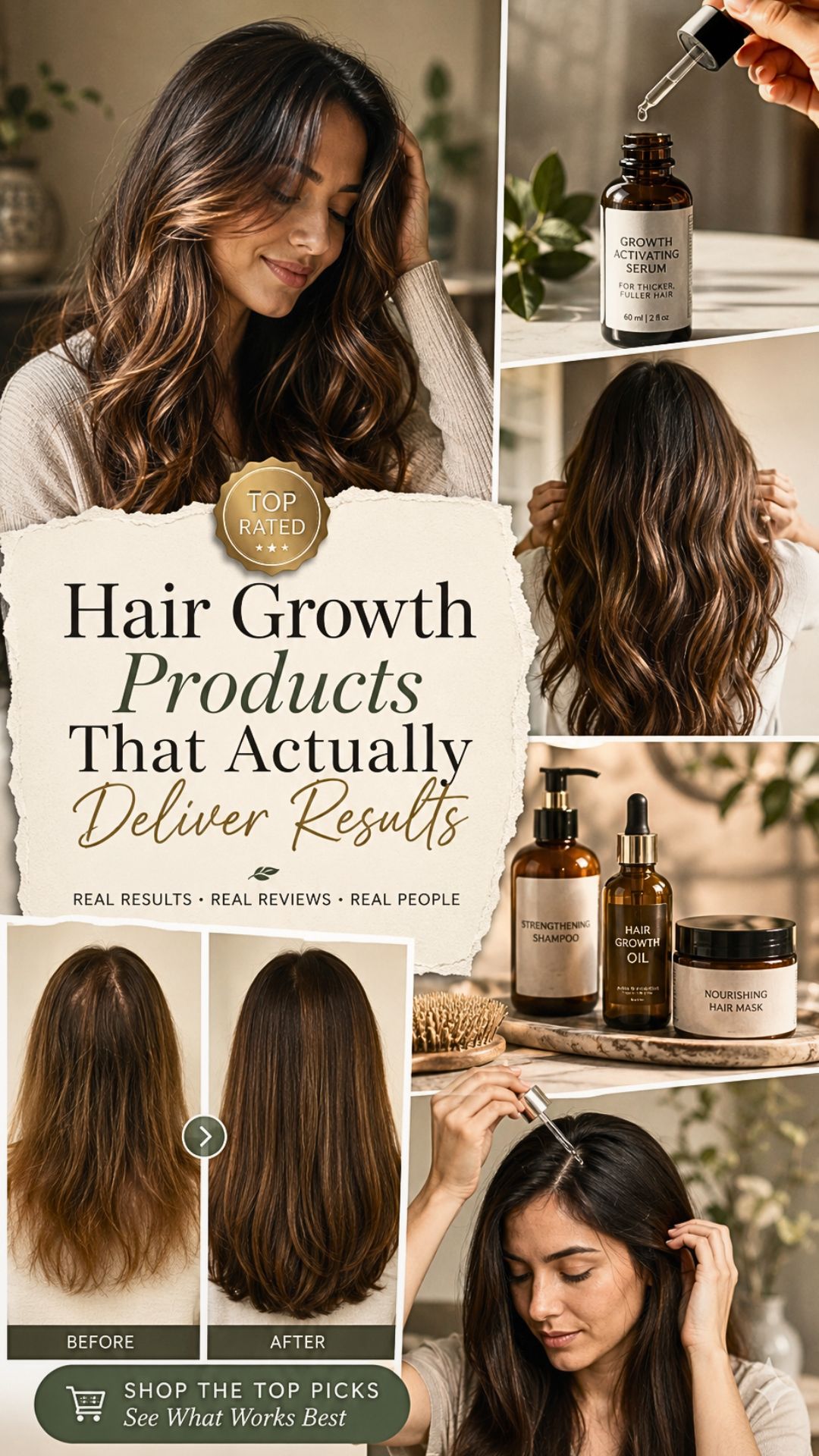
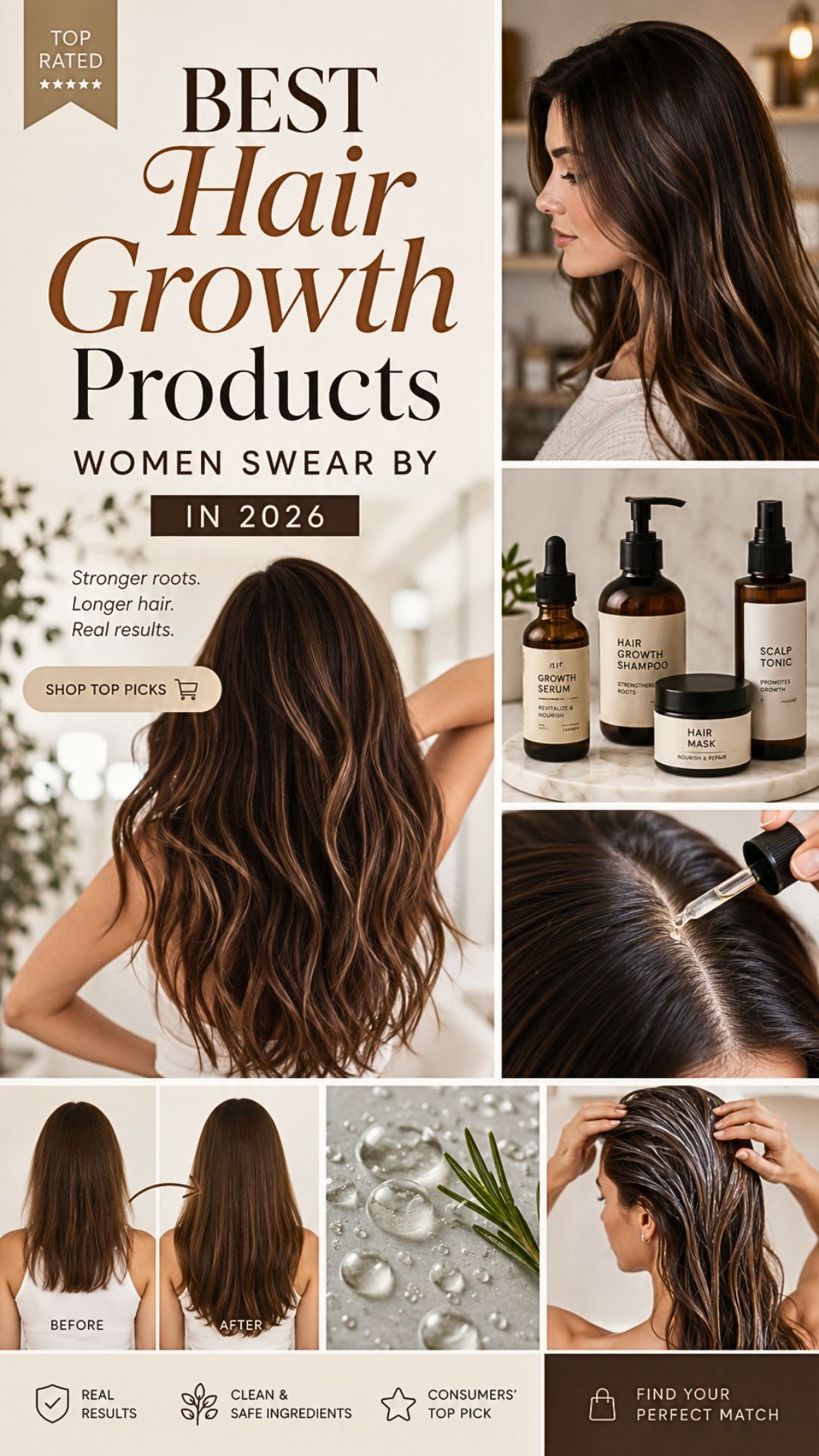
Hair growth can feel frustrating. You buy one product after another, but your hair still looks thin, breaks easily, or seems to grow very slowly. The good news is that some products can support healthier hair when paired with realistic expectations and a consistent routine.
In this guide, you’ll discover Hair Growth Products That Actually Deliver Results, what ingredients are worth looking for, which products fit different hair needs, and how to build a routine that supports stronger, healthier hair over time. Whether you’re dealing with shedding, thinning, or breakage, this guide can help you make smarter choices without wasting money.
Why Hair Growth Is About More Than Just One Product
Hair grows in cycles. Every strand goes through a growing phase, a resting phase, and a shedding phase. Because of this natural cycle, visible improvements often take several months.
Many factors affect hair growth, including:
- Genetics
- Age
- Hormonal changes
- Stress
- Nutrition
- Heat styling
- Chemical treatments
- Scalp health
That is why the best results usually come from combining quality products with healthy daily habits instead of relying on one miracle solution.
What Makes Hair Growth Products Actually Work?
Not every bottle labeled “hair growth” has ingredients supported by research. The most effective products usually focus on improving scalp health, reducing breakage, strengthening strands, or supporting healthy follicles.
Look for ingredients such as:
- Minoxidil (for certain types of hair loss)
- Rosemary oil
- Peptides
- Caffeine
- Biotin (helpful if you have a deficiency)
- Niacinamide
- Pumpkin seed oil
- Saw palmetto (in selected supplements)
- Keratin proteins
- Hyaluronic acid for scalp hydration
Remember that healthier hair is not always the same as faster-growing hair. Products that reduce breakage often make hair appear longer because more strands stay intact.
Hair Growth Products That Actually Deliver Results for Different Hair Needs
Choosing the right product depends on your hair goals.
| Hair Concern | Best Product Type | Main Benefit |
|---|---|---|
| Hair thinning | Minoxidil treatment | Supports hair regrowth for eligible users |
| Dry, damaged hair | Repairing hair mask | Reduces breakage |
| Weak roots | Scalp serum | Nourishes the scalp |
| Fine hair | Lightweight volumizing shampoo | Adds body without buildup |
| Oily scalp | Clarifying scalp treatment | Removes excess oil |
| Curly hair | Moisturizing leave-in conditioner | Prevents dryness and breakage |
| Color-treated hair | Sulfate-free strengthening shampoo | Protects color while strengthening hair |
1. Hair Growth Shampoo
A shampoo alone rarely causes dramatic hair growth. However, a good formula creates a healthier scalp environment and removes buildup that may interfere with healthy follicles.
Look for shampoos with:
- Caffeine
- Peptides
- Biotin
- Tea tree oil
- Rosemary extract
Avoid harsh formulas if your scalp feels dry or irritated.
A gentle shampoo used consistently is often more effective than switching products every few weeks.
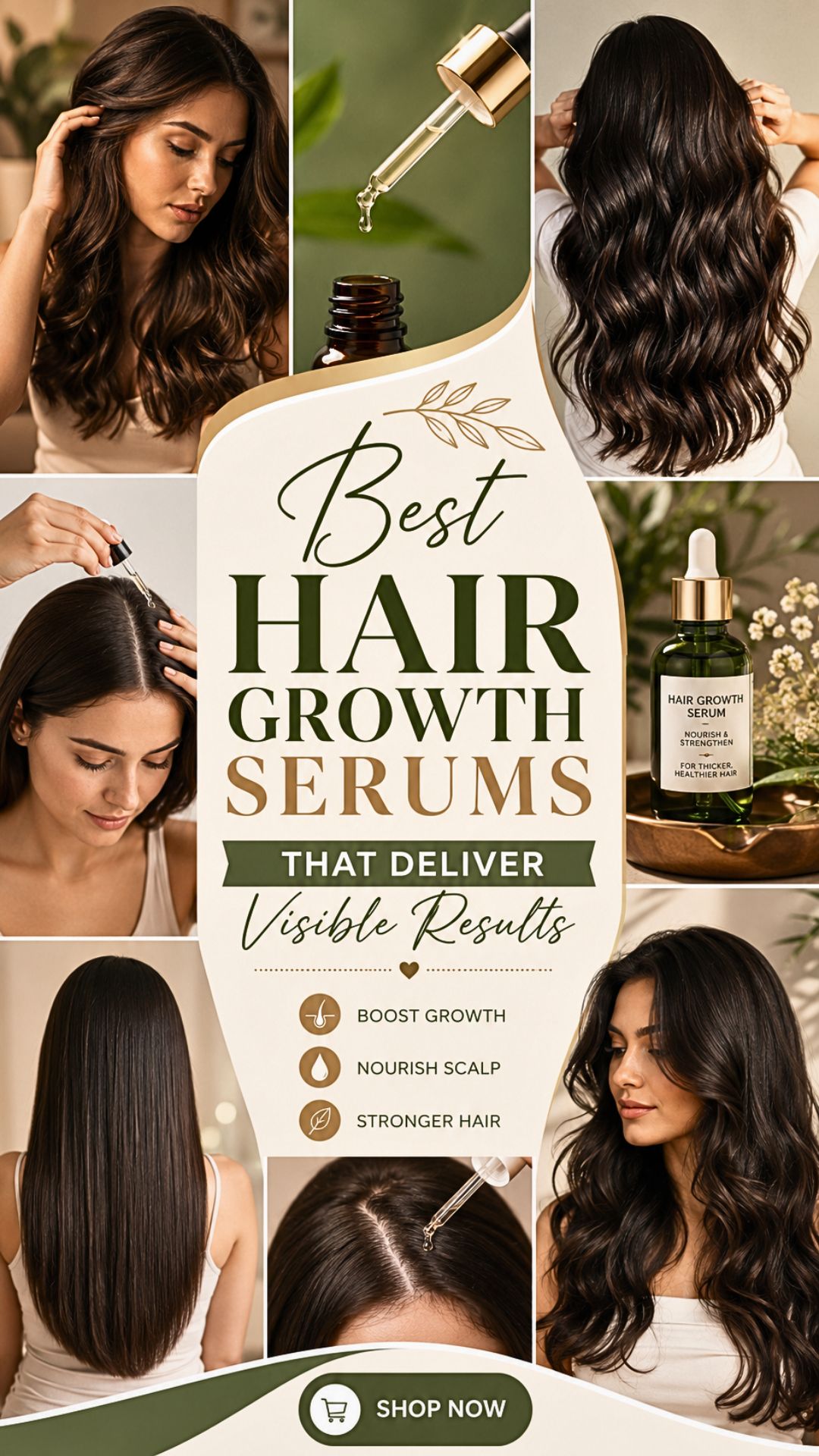
2. Scalp Serums
Scalp serums have become one of the most popular beauty products because they target the roots directly.
Many include lightweight ingredients that hydrate the scalp while supporting stronger-looking hair.
Benefits include:
- Less dryness
- Better scalp comfort
- Reduced buildup
- Healthier environment for new growth
Apply the serum to a clean scalp and massage gently for one to two minutes.
3. Rosemary Oil
Rosemary oil has become a favorite natural option for people looking to improve hair density.
Some research suggests it may support hair growth when used consistently over several months.
To use it safely:
- Always dilute essential oil with a carrier oil.
- Massage into the scalp.
- Leave it on for 30 minutes or overnight.
- Wash with a gentle shampoo.
Never apply pure rosemary essential oil directly to your scalp.
4. Minoxidil Treatments
Minoxidil remains one of the most studied ingredients for treating certain types of hair loss.
It may be suitable for people experiencing pattern hair loss, but it is not appropriate for everyone.
Before starting, consider speaking with a healthcare professional, especially if hair loss appeared suddenly or is accompanied by other symptoms.
Patience is important because results often take several months.
5. Hair Growth Supplements
Supplements can help if your hair loss is linked to nutritional deficiencies.
Common ingredients include:
- Biotin
- Zinc
- Vitamin D
- Iron
- Collagen
- Selenium
More is not always better. Taking supplements you do not need is unlikely to improve hair growth and may even cause unwanted effects.
If possible, discuss persistent hair thinning with a healthcare provider before beginning supplements.
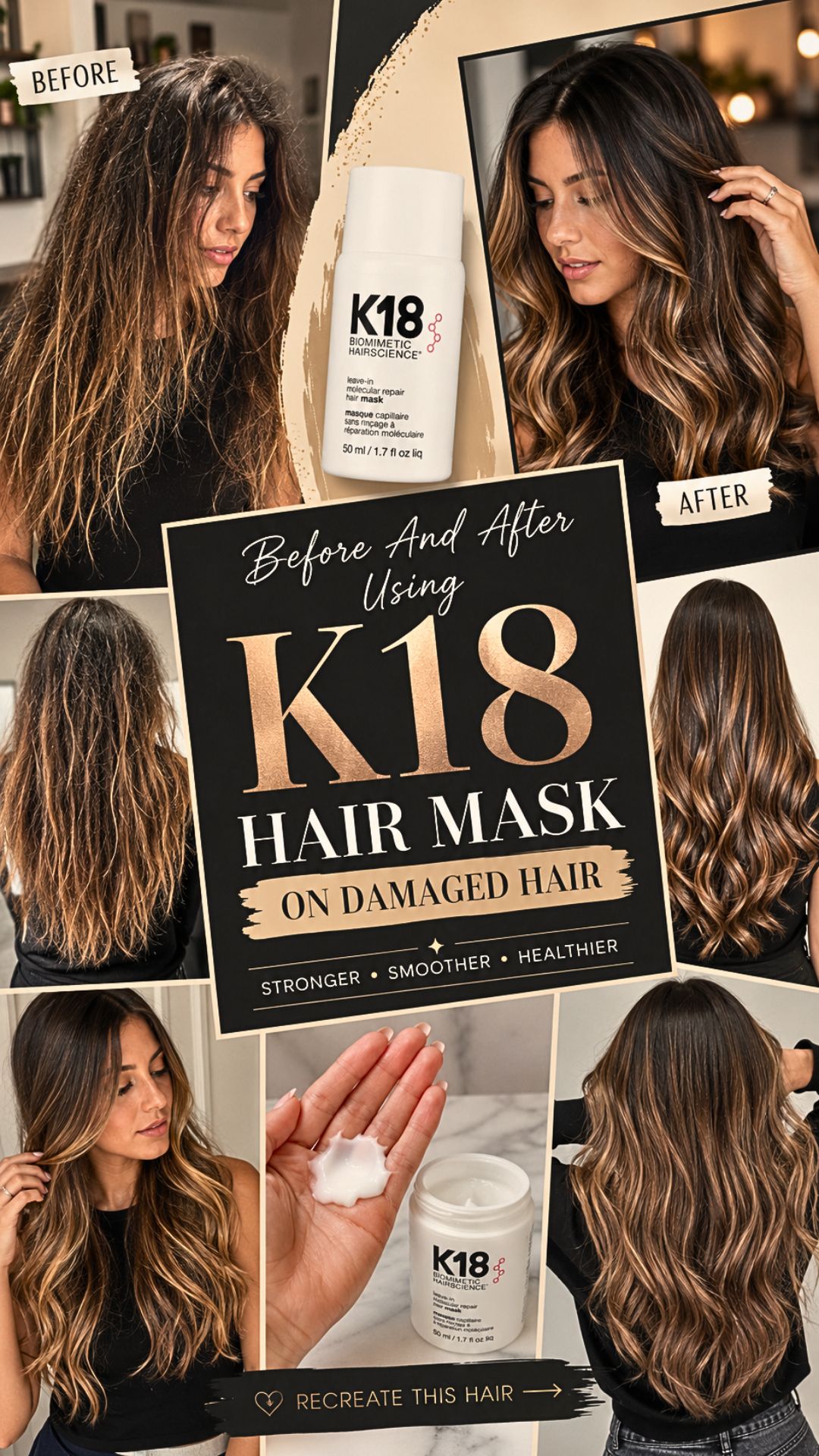
6. Deep Conditioning Hair Masks
Breakage makes hair look thinner even when it continues growing.
A nourishing mask helps protect strands from splitting and snapping.
Choose formulas with:
- Shea butter
- Argan oil
- Coconut oil
- Keratin
- Ceramides
Use once or twice each week depending on your hair type.
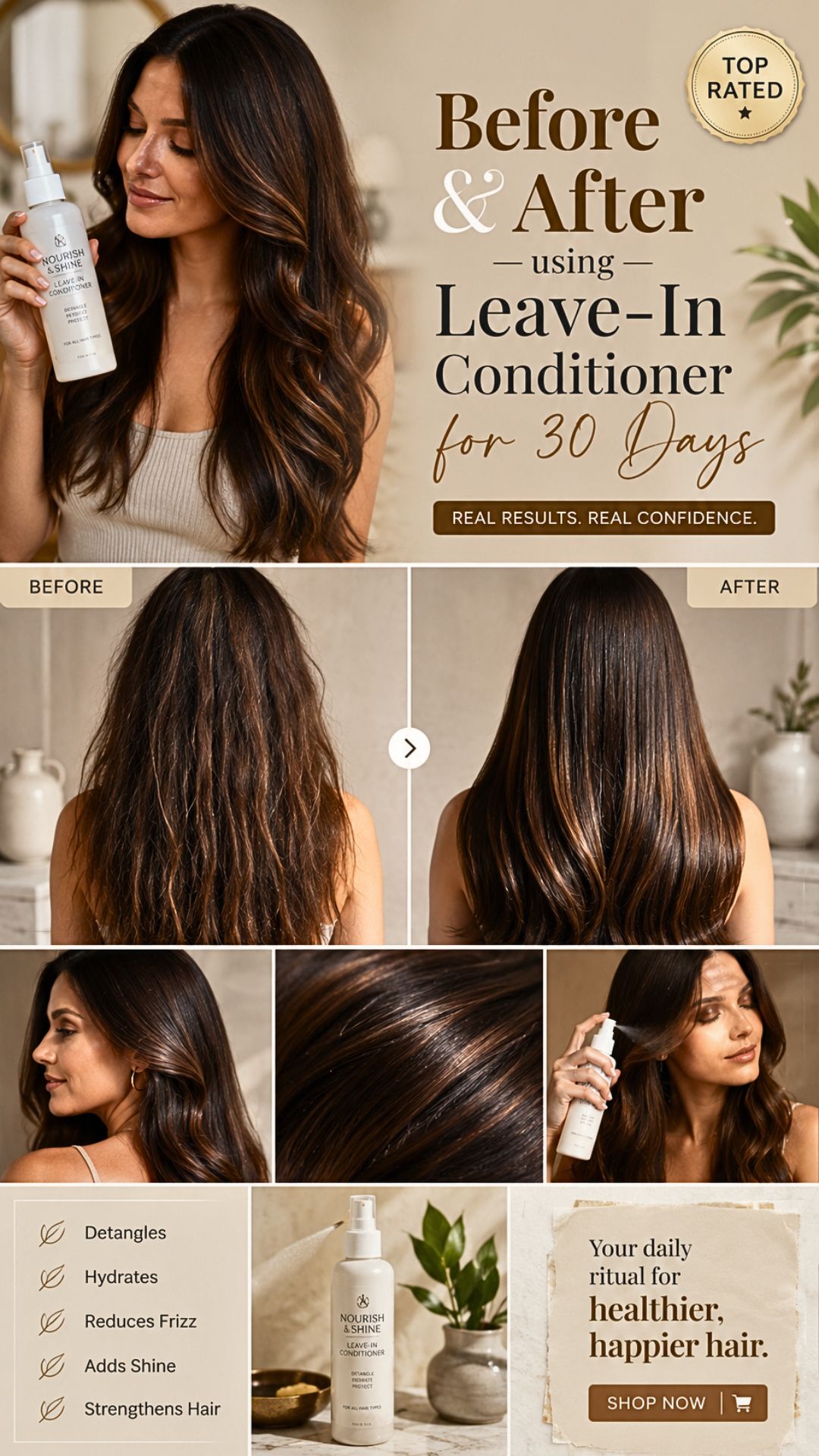
7. Leave-In Conditioners
Leave-in conditioners reduce friction during brushing and help protect hair throughout the day.
They work especially well for:
- Curly hair
- Dry hair
- Color-treated hair
- Bleached hair
Healthier strands break less, allowing hair to retain more length.
8. Scalp Exfoliating Treatments
Healthy hair starts with a healthy scalp.
Dead skin, oil, and styling products can build up over time.
A scalp scrub or chemical exfoliating treatment helps remove buildup while creating a cleaner environment for your hair.
Most people only need exfoliation once every week or two.
A Simple Hair Growth Routine That Beginners Can Follow
A complicated routine is not necessary. Consistency matters much more.
Morning
- Brush gently.
- Apply leave-in conditioner if needed.
- Protect hair from heat before styling.
Evening
- Massage the scalp for two to five minutes.
- Apply scalp serum if part of your routine.
- Sleep on a satin or silk pillowcase.
Weekly
- Use a deep conditioning mask.
- Exfoliate the scalp if needed.
- Limit high-heat styling.
Small habits repeated every week often make a bigger difference than constantly trying new products.
Lifestyle Habits That Support Healthier Hair
Hair products work best when your body also has what it needs.
Try to:
- Eat enough protein.
- Stay hydrated.
- Manage stress.
- Get regular sleep.
- Avoid very tight hairstyles.
- Protect hair from excessive heat.
- Trim damaged ends regularly.
- Wear a hat during long periods in strong sunlight.
These habits help support stronger, healthier hair over time.
Common Ingredients Worth Looking For
Not every trendy ingredient has strong evidence. These are among the most popular options for healthier-looking hair.
| Ingredient | What It Does | Best For |
|---|---|---|
| Rosemary oil | Supports scalp health | Mild thinning |
| Caffeine | Helps energize the scalp | Fine hair |
| Peptides | Supports stronger strands | Weak hair |
| Keratin | Repairs damaged hair | Breakage |
| Argan oil | Adds moisture | Dry hair |
| Biotin | Helps if deficient | Brittle hair |
| Niacinamide | Supports scalp barrier | Sensitive scalp |
| Hyaluronic acid | Hydrates the scalp | Dry scalp |
Mistakes That Can Slow Progress
Many people stop using products before they have enough time to work.
Avoid these common mistakes:
- Switching products every few weeks
- Using too much heat without protection
- Washing too aggressively
- Skipping conditioner
- Applying oils to a dirty scalp
- Expecting overnight results
- Ignoring nutrition and hydration
- Using too many products at once
A simple routine followed consistently usually produces better results than a complicated one.
Recommended Hair Care Tools
Products are only part of the routine. The right tools can also reduce breakage.
Helpful tools include:
- Wide-tooth comb
- Scalp massage brush
- Silk or satin pillowcase
- Microfiber hair towel
- Heat protectant spray
- Ionic hair dryer
- Ceramic styling tools with adjustable temperatures
If you’re shopping for new hair care essentials, check the recommended styling tools that match your hair type rather than buying every trending product.
How to Choose the Right Hair Growth Product
Before buying anything, ask yourself a few simple questions.
Is your concern thinning or breakage?
If your hair snaps easily, strengthening products may help more than a growth serum.
Is your scalp healthy?
Dryness, irritation, or heavy buildup can affect overall hair health.
How much time can you commit?
Some products need daily application, while others only require weekly use.
Do you regularly color or bleach your hair?
Choose products designed to repair damage while maintaining moisture.
Reading ingredient lists and understanding your own hair needs often leads to better results than following every social media trend.
Building a Hair Routine That Lasts
The best routine is one you can maintain.
A balanced routine might include:
- A gentle shampoo
- A nourishing conditioner
- Weekly hair mask
- Scalp serum
- Heat protectant
- Occasional scalp exfoliation
This combination helps improve overall hair health while minimizing unnecessary damage.
When to Seek Professional Advice
Sometimes hair thinning has an underlying cause that hair products alone cannot fix.
Consider seeing a healthcare professional if you notice:
- Sudden hair loss
- Bald patches
- Painful scalp irritation
- Hair shedding after illness
- Hair loss lasting several months without improvement
Early evaluation can help identify medical conditions that may require treatment.
Final Thoughts
Finding Hair Growth Products That Actually Deliver Results does not have to be confusing. The best products are those that match your hair type, support scalp health, reduce breakage, and fit into a routine you can follow consistently.
Healthy hair growth is usually gradual rather than dramatic. With patience, realistic expectations, and the right combination of products, many people notice stronger, shinier, and fuller-looking hair over time.
If you’re ready to refresh your routine, shop the look by choosing products that match your specific hair concerns instead of chasing every new trend. You can also check the recommended styling tools, see the best tools for this look, or try this product for easier styling if you’re looking to build a simple, beginner-friendly hair care routine that supports healthier hair every day.