How To Repair Damaged Hair Without Cutting It Off

Healthy hair does not happen overnight, and damaged strands can make anyone feel frustrated. The good news is that you can improve Damaged Hair Without Cutting It Off by following a gentle hair care routine, choosing the right products, and protecting your hair from future damage. While severely split ends cannot be permanently repaired, dry, rough, and weakened hair can often look and feel much healthier with consistent care.
Whether your hair has been damaged by heat styling, bleaching, coloring, tight hairstyles, or everyday wear and tear, this guide will show you practical ways to restore softness, shine, and strength without reaching for the scissors.
What Causes Hair Damage?
Before you can repair your hair, it helps to understand what caused the damage in the first place.
Some of the most common causes include:
- Frequent heat styling
- Hair bleaching and coloring
- Chemical straightening or perming
- Sun exposure
- Chlorine and salt water
- Overwashing
- Rough brushing
- Tight ponytails and buns
- Poor nutrition
- Using harsh shampoos
Hair damage usually appears slowly. You may first notice dryness, dullness, frizz, tangles, or broken ends before the problem becomes more serious.
Can You Repair Damaged Hair Without Cutting It Off?
The answer is yes—to a point.
Hair is made of a protein called keratin. Once hair leaves the scalp, it cannot truly heal like skin. However, modern hair care products can smooth the cuticle, strengthen weak areas, reduce breakage, and improve the appearance of damaged hair.
Think of it like repairing an old wooden table. You cannot make the wood brand new again, but you can sand it, polish it, protect it, and make it look beautiful.
The same idea applies to damaged hair.
Signs Your Hair Needs Extra Care
Not sure if your hair is damaged?
Watch for these signs:
- Hair feels rough
- Ends split easily
- Hair snaps while brushing
- Frizz increases
- Hair lacks shine
- Color fades quickly
- Hair tangles constantly
- Ends look thin
- Hair feels dry even after conditioning
The sooner you begin treating these problems, the easier they are to manage.
Step 1: Stop Making the Damage Worse
Before trying expensive treatments, remove the habits that are causing the damage.
Try these simple changes:
- Lower your flat iron temperature.
- Use heat styling only a few times each week.
- Avoid brushing soaking wet hair.
- Sleep on a silk pillowcase.
- Wear loose hairstyles.
- Protect hair from direct sunlight.
- Wear a swim cap in chlorinated pools.
Small changes often make the biggest difference over time.
Step 2: Switch to a Moisturizing Shampoo
Damaged hair loses moisture faster than healthy hair.
Look for shampoos made for:
- Dry hair
- Color-treated hair
- Chemically processed hair
- Repairing damaged hair
Avoid shampoos with strong sulfates if your hair already feels dry. Gentle cleansers help preserve natural oils while still removing dirt and product buildup.
Wash only two or three times per week if your scalp allows it.
Step 3: Never Skip Conditioner
Conditioner is one of the easiest ways to improve damaged hair.
It helps:
- Smooth the hair cuticle
- Reduce tangles
- Add shine
- Lock in moisture
- Prevent breakage
Focus conditioner mainly on the middle lengths and ends rather than the scalp.
Leave it on for several minutes before rinsing.
Step 4: Use a Weekly Deep Conditioning Mask
A deep conditioning mask gives your hair extra moisture that daily conditioner cannot always provide.
Look for ingredients like:
- Shea butter
- Argan oil
- Coconut oil
- Keratin
- Ceramides
- Panthenol
- Glycerin
Use a mask once or twice each week depending on how dry your hair feels.
Step 5: Add Protein Carefully
Hair needs both moisture and protein.
If your hair feels stretchy, limp, or breaks easily, it may benefit from a protein treatment.
Protein treatments help temporarily strengthen weak strands.
However, too much protein can leave hair stiff and brittle.
A good balance between moisture and protein usually produces the best results.
Step 6: Use Leave-In Conditioner Every Day
Leave-in conditioners work like a protective shield.
They help:
- Reduce friction
- Control frizz
- Add softness
- Protect against humidity
- Improve detangling
This small step can make a noticeable difference, especially if your hair is naturally dry or curly.
Step 7: Protect Hair Before Heat Styling
Never use curling irons or flat irons on bare hair.
A quality heat protectant creates a thin barrier between your hair and the hot styling tool.
This reduces moisture loss and helps minimize future damage.
Even if you only style your hair once a week, heat protection is worth using every time.
Step 8: Trim Only the Worst Split Ends
This guide is about repairing hair without cutting it all off.
That does not mean you should ignore severely split ends forever.
Tiny maintenance trims every few months can prevent splits from traveling farther up the hair shaft.
You keep your length while improving your hair’s overall appearance.
Step 9: Be Gentle With Wet Hair
Hair is most fragile when wet.
Instead of rubbing with a towel:
- Pat hair dry gently.
- Use a microfiber towel or cotton T-shirt.
- Detangle using a wide-tooth comb.
- Start from the ends.
- Slowly work upward.
Gentle handling reduces unnecessary breakage.
Step 10: Feed Healthy Hair From the Inside
Hair health also depends on your daily diet.
Try eating more:
- Eggs
- Salmon
- Greek yogurt
- Spinach
- Sweet potatoes
- Nuts
- Seeds
- Beans
- Berries
Protein, iron, zinc, omega-3 fats, and vitamins all support healthier hair growth.
Remember that healthier new hair starts at the scalp.
Best Products That Can Help Repair Damaged Hair
No single product can completely reverse hair damage, but some products can improve softness, strength, and manageability.
Here are the types worth considering.
| Product Type | Best For | Main Benefit |
|---|---|---|
| Moisturizing shampoo | Dry hair | Gentle cleansing |
| Repair conditioner | Weak hair | Smooths cuticles |
| Hair mask | Very dry hair | Deep hydration |
| Leave-in conditioner | Daily use | Frizz control |
| Heat protectant spray | Heat styling | Reduces damage |
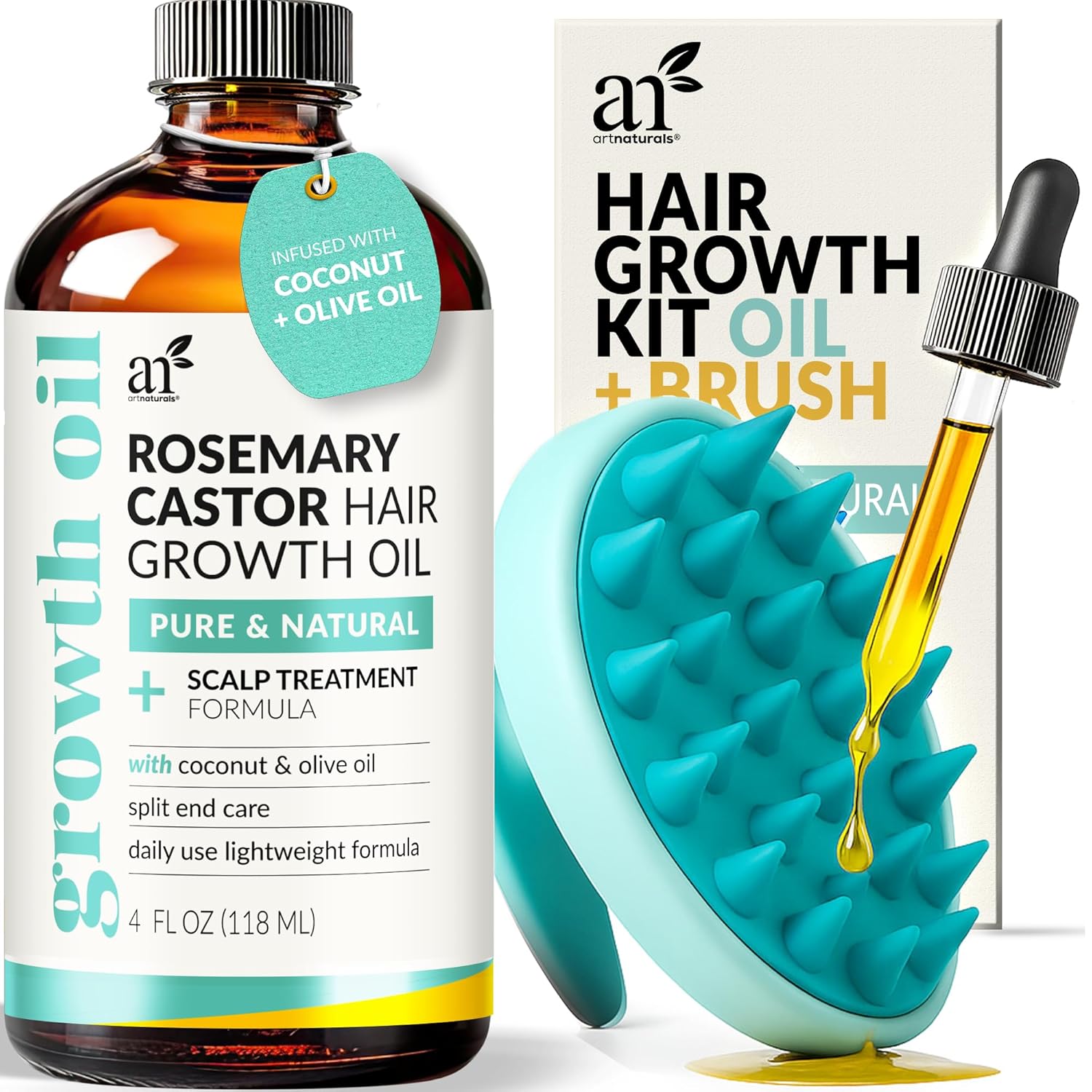
| Hair oil | Dry ends | Adds shine and softness |
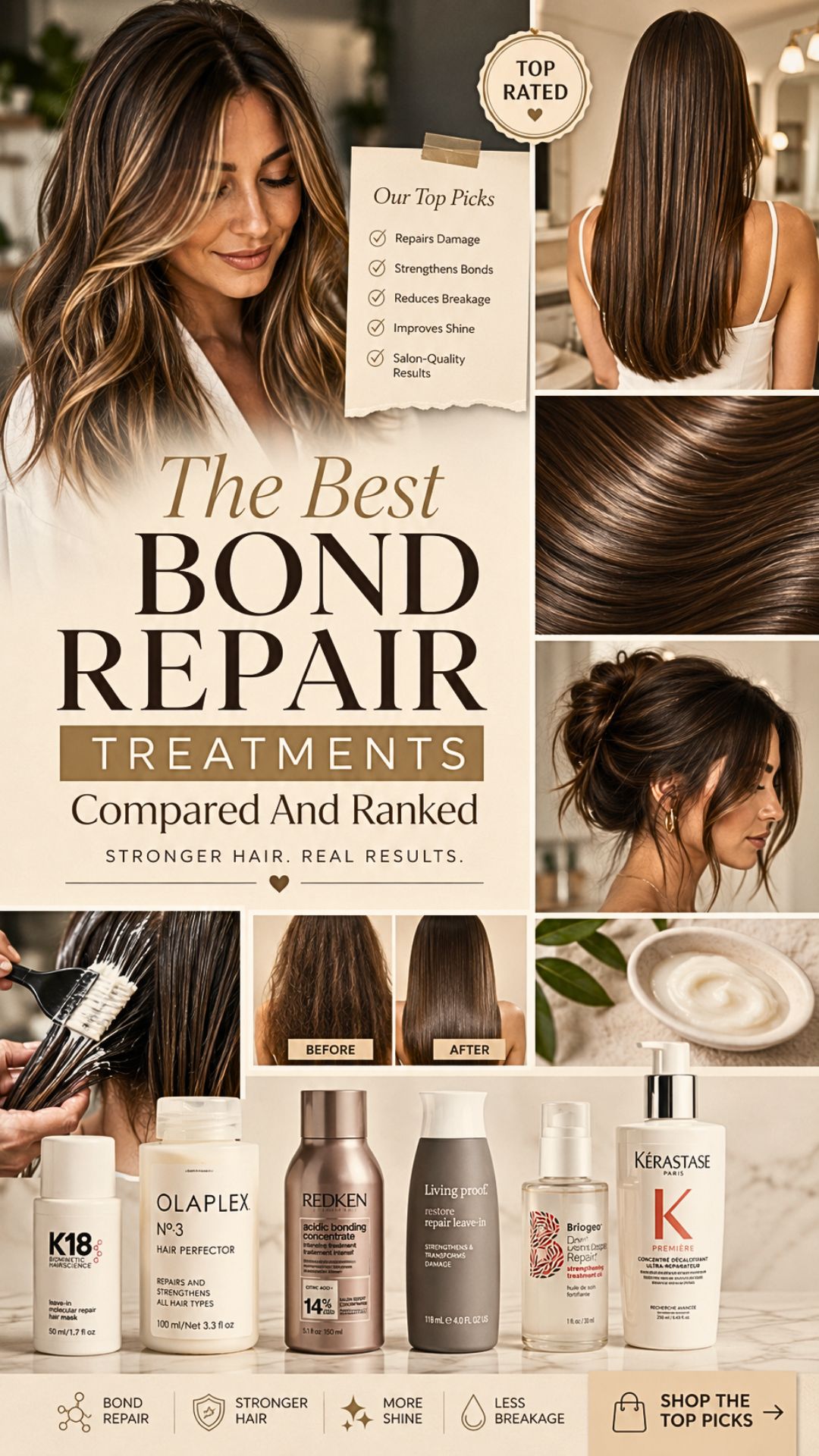
| Bond-building treatment | Bleached hair | Helps strengthen weakened strands |
If you regularly bleach or color your hair, a bond-building treatment can be one of the most noticeable upgrades to your routine.
Hair Oils That Make Hair Look Healthier
Hair oils cannot repair split ends permanently, but they can improve how damaged hair looks and feels.
Popular choices include:
- Argan oil
- Jojoba oil
- Coconut oil
- Marula oil
- Avocado oil
Apply only a few drops to damp or dry ends.
Too much oil can make fine hair look greasy.
A Simple Weekly Hair Repair Routine
Consistency matters more than using dozens of products.
Here’s an easy routine to follow.
Wash Day
- Use moisturizing shampoo.
- Apply nourishing conditioner.
- Finish with leave-in conditioner.
- Let hair air dry when possible.
Once Per Week
- Apply a deep conditioning mask.
- Massage gently through the ends.
- Leave on for the recommended time.
- Rinse thoroughly.
Before Heat Styling
- Apply heat protectant.
- Use the lowest temperature that works.
- Avoid passing the flat iron over the same section repeatedly.
Daily
- Brush gently.
- Use hair oil on dry ends.
- Avoid tight hairstyles.
- Protect hair while sleeping.
Styling Tips That Hide Damage
While you’re improving your hair, certain hairstyles can help damaged strands look smoother.
Try:
- Loose waves
- Soft blowouts
- Low ponytails
- Braided styles
- Claw clip updos
- Loose buns
Avoid sleek styles that highlight split ends and flyaways.
Common Hair Repair Mistakes
Many people accidentally make damaged hair worse without realizing it.
Avoid these mistakes:
- Washing hair every day
- Using very hot water
- Skipping conditioner
- Using high heat daily
- Brushing aggressively
- Sleeping with wet hair
- Ignoring heat protectant
- Overusing protein treatments
- Coloring hair too often
- Pulling hair into tight ponytails
Even one or two changes can noticeably reduce breakage over time.
Helpful Hair Care Tools Worth Considering
The right tools can make your routine easier while reducing unnecessary stress on your hair.
Some helpful options include:
- Wide-tooth comb
- Microfiber hair towel
- Silk pillowcase
- Satin scrunchies
- Ionic hair dryer
- Ceramic flat iron with adjustable heat
- Heat protectant spray
- Bond-repair treatment
- Deep conditioning cap
These tools are designed to minimize friction, reduce breakage, and help maintain moisture.
If you’re upgrading your routine, check the recommended styling tools that match your hair type instead of buying everything at once. A few quality essentials often work better than a cabinet full of products.
Comparing Healthy Hair Habits vs. Damaging Habits
| Healthy Habit | Damaging Habit |
|---|---|
| Air drying when possible | Daily high-heat styling |
| Using heat protectant | Styling without protection |
| Weekly hair masks | Skipping deep conditioning |
| Gentle brushing | Pulling through tangles |
| Silk pillowcase | Cotton pillowcase with friction |
| Moisturizing shampoo | Harsh clarifying shampoo every wash |
| Loose hairstyles | Tight ponytails every day |
| Regular conditioning | Washing without conditioner |
Be Patient With the Process
Hair repair takes time.
Most people notice softer hair within a few weeks, but stronger, healthier-looking hair often requires several months of consistent care.
Think of each wash day as another step toward healthier strands rather than expecting overnight results.
The key is consistency.
Final Thoughts
Repairing Damaged Hair Without Cutting It Off is possible when you focus on hydration, protection, and gentle daily habits. While no product can permanently fix every split end, a well-planned routine can dramatically improve softness, shine, and manageability while reducing future breakage.
Start with a moisturizing shampoo, a nourishing conditioner, a weekly hair mask, and a reliable heat protectant. Add a leave-in conditioner and a lightweight hair oil if your ends still feel dry. These simple changes often deliver better results than constantly switching products.
If you’re ready to refresh your routine, shop the look with quality hair care essentials that suit your hair type, check the recommended styling tools for gentler heat styling, or try this product for easier styling if you’re dealing with frizz and dryness. With patience and the right routine, you can enjoy healthier-looking hair while keeping the length you’ve worked so hard to grow.