Before And After A Complete Hair Care Routine Upgrade: Simple Changes That Make a Real Difference
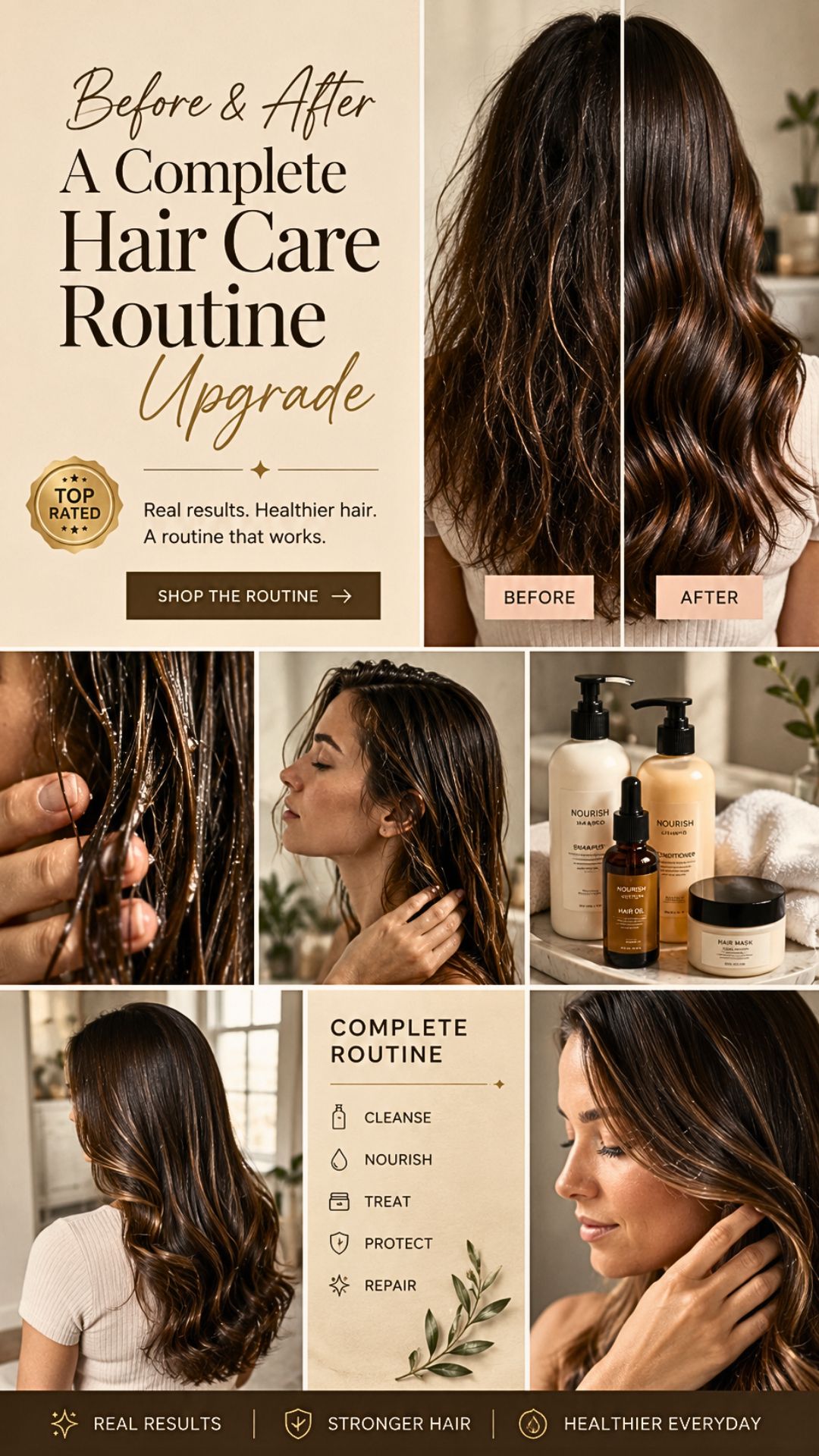
Have you ever looked at old photos and wondered why your hair seemed dull, dry, or hard to manage? The truth is that healthy hair rarely comes from one miracle product. It usually comes from building a Complete Hair Care Routine that fits your hair type and lifestyle.
A few small changes can make a noticeable difference over time. Choosing the right shampoo, using conditioner correctly, protecting your hair from heat, and treating your scalp with care all work together. In this guide, you’ll learn what a complete routine looks like, what mistakes to avoid, and which tools can help you recreate healthier, shinier hair at home.
Before the Upgrade: Common Hair Problems
Many people start with a routine that seems normal but quietly damages their hair over time.
Before upgrading your routine, your hair may experience:
- Dry ends that break easily
- Oily roots but dry lengths
- Frizzy hair after washing
- Lack of shine
- Split ends
- Tangles that are difficult to brush
- Flat or lifeless hair
- Scalp irritation or buildup
These problems often happen because the routine is incomplete rather than because the hair is permanently damaged.
After the Upgrade: What Changes Can You Expect?
A well-planned Complete Hair Care Routine doesn’t transform your hair overnight. Instead, it helps your hair become healthier week after week.
Many people notice improvements such as:
- Softer texture
- Better moisture balance
- Less breakage
- Improved shine
- Easier styling
- Reduced frizz
- Stronger hair over time
- Healthier-looking scalp
Consistency matters much more than buying expensive products.
Why a Complete Hair Care Routine Works
Hair needs more than shampoo.
Think of your routine like caring for your skin. You wouldn’t wash your face with soap alone and expect perfect skin. Hair is similar. Every step supports another.
A balanced routine usually includes:
- Cleansing
- Conditioning
- Moisturizing
- Protecting
- Repairing
- Gentle styling
- Regular trimming
Skipping one step can make the others less effective.
Step 1: Start with the Right Shampoo
The first step of every routine is cleansing.
Choose a shampoo based on your scalp rather than your hair ends.
Dry scalp
Look for:
- Hydrating ingredients
- Aloe vera
- Glycerin
- Oat extract
Oily scalp
Choose shampoos that gently remove excess oil without stripping moisture.
Color-treated hair
Use sulfate-free formulas designed to help preserve color.
Curly hair
Choose moisturizing cleansers that clean without removing natural oils.
Avoid washing with very hot water because it can dry both your scalp and hair.
Step 2: Never Skip Conditioner
Conditioner smooths the hair cuticle after shampooing.
Many people apply conditioner incorrectly. Instead of placing it on the scalp, focus on the middle and ends of your hair.
Benefits include:
- Less frizz
- Better shine
- Easier detangling
- Reduced breakage
- Softer texture
Leave conditioner on for two to five minutes before rinsing.
Step 3: Add a Weekly Hair Mask
A hair mask gives deeper moisture than regular conditioner.
If your hair feels rough after coloring, bleaching, or heat styling, adding one treatment each week can help improve softness.
Look for ingredients like:
- Argan oil
- Shea butter
- Coconut oil
- Keratin proteins
- Ceramides
Use a mask once each week instead of your regular conditioner.
Step 4: Don’t Forget Leave-In Products
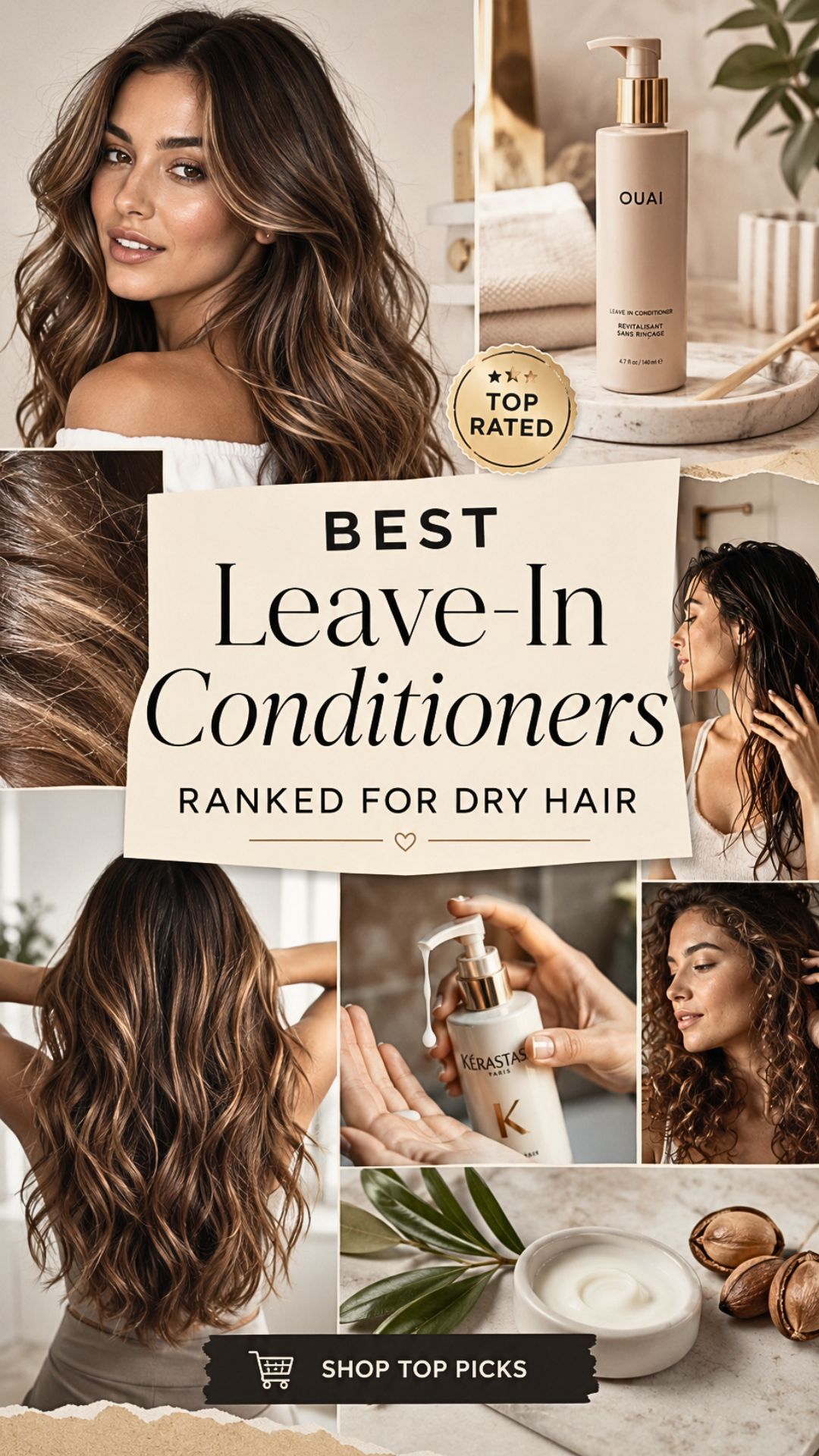
Leave-in conditioners continue protecting your hair after washing.
They help reduce:
- Tangles
- Dryness
- Heat damage
- Frizz
If your hair is fine, choose lightweight sprays.
For thick or curly hair, richer creams often work better.
This simple step makes daily styling much easier.
Step 5: Always Use Heat Protection
Heat styling without protection is one of the fastest ways to damage healthy hair.
Whether you use:
- Blow dryers
- Curling irons
- Flat irons
- Hot brushes
Apply a heat protectant before styling.
It creates a protective layer that helps reduce moisture loss during heat exposure.
Step 6: Choose Better Styling Tools
The tools you use matter just as much as the products.
Replacing old styling tools can reduce unnecessary damage.
Helpful upgrades include:
- Ceramic flat irons
- Ionic hair dryers
- Wide-tooth combs
- Microfiber towels
- Silk pillowcases
- Soft detangling brushes
These tools are gentle on the hair and help minimize breakage.
If you’re shopping for new styling products, check the recommended styling tools that match your hair type rather than buying every trending item.
Step 7: Protect Hair While Sleeping
Nighttime care is often forgotten.
Cotton pillowcases create friction while you sleep.
Switching to silk or satin can help:
- Reduce tangles
- Limit frizz
- Minimize breakage
- Keep hairstyles looking fresh longer
Loose braids also help protect longer hair overnight.
Step 8: Take Care of Your Scalp
Healthy hair starts with a healthy scalp.
A neglected scalp may lead to:
- Product buildup
- Itching
- Oil imbalance
- Flakes
Try adding a gentle scalp massage while shampooing.
Once every few weeks, use a mild scalp exfoliating treatment if you notice buildup.
Healthy roots support healthier hair growth.
Before and After Routine Comparison
| Before | After |
|---|---|
| Random shampoo choice | Shampoo matched to scalp type |
| Conditioner skipped | Conditioner used every wash |
| No hair mask | Weekly deep conditioning |
| Heat styling without protection | Heat protectant before styling |
| Rough towel drying | Microfiber towel drying |
| Cotton pillowcase | Silk or satin pillowcase |
| Frequent brushing while wet | Gentle detangling with wide-tooth comb |
| No scalp care | Regular scalp cleansing and massage |
Daily Hair Care Routine
A simple routine works better than a complicated one.
Morning
- Brush gently
- Apply leave-in conditioner if needed
- Use heat protectant before styling
- Finish with a lightweight serum if hair feels dry
Evening
- Brush gently to remove tangles
- Tie long hair loosely
- Sleep on a silk pillowcase
Weekly Hair Care Routine
Your weekly schedule might look like this:
| Day | Routine |
|---|---|
| Monday | Shampoo and conditioner |
| Wednesday | Light wash if needed |
| Friday | Hair mask treatment |
| Sunday | Scalp massage and regular wash |
Adjust the schedule based on your scalp and activity level.
Products That Can Support Your Routine
You don’t need dozens of products.
A simple collection often works best.
Consider including:
- Gentle shampoo
- Nourishing conditioner
- Weekly hair mask
- Leave-in conditioner
- Heat protectant spray
- Hair oil for dry ends
- Scalp massager
- Wide-tooth comb
- Microfiber towel
Instead of buying everything at once, upgrade one product at a time.
If you’re building your collection, see the best tools for this look and choose products that solve your biggest hair concern first.
Simple Tips That Make a Big Difference
Small habits often have the greatest impact.
Helpful habits include:
- Wash with lukewarm water.
- Avoid overwashing.
- Trim split ends regularly.
- Eat a balanced diet rich in protein.
- Drink enough water.
- Avoid brushing aggressively.
- Protect hair from strong sunlight.
- Let hair air dry when possible.
- Clean brushes regularly.
- Replace old styling tools when they stop heating evenly.
These habits support healthier hair over time.
Common Mistakes That Slow Progress
Even good products cannot overcome poor habits.
Watch out for these common mistakes.
Using too much shampoo
More product doesn’t mean cleaner hair.
Applying conditioner to the scalp
Most conditioners belong on the middle lengths and ends.
Skipping heat protection
This is one of the biggest causes of unnecessary dryness and breakage.
Washing every day without need
Many hair types benefit from washing less frequently.
Ignoring the scalp
Healthy-looking hair begins with scalp health.
Chasing every trend
Not every popular product works for every hair type.
Focus on products that match your own needs instead.
How Long Does It Take to See Results?
Healthy hair grows slowly.
Many people notice softer hair after the first few washes.
More noticeable improvements like reduced breakage and better shine often appear within four to eight weeks of following a consistent routine.
Long-term improvements become easier to see after several months.
Patience and consistency matter more than constantly changing products.
How to Build Your Routine Based on Hair Type
Different hair types need different care.
Fine Hair
Choose lightweight products that won’t weigh hair down. Use conditioner sparingly and avoid heavy oils.
Thick Hair
Look for richer conditioners and moisturizing masks that help control dryness and frizz.
Curly Hair
Focus on hydration. Leave-in conditioners and curl creams can help define curls while reducing frizz.
Color-Treated Hair
Use color-safe shampoos, deep conditioning masks, and heat protection every time you style.
Dry or Damaged Hair
Prioritize moisture, reduce heat styling, and trim damaged ends regularly.
Is an Expensive Routine Necessary?
Not at all.
Healthy hair comes from choosing products that suit your hair type and using them consistently.
Many affordable shampoos, conditioners, and treatments perform very well when paired with good daily habits.
Investing in a quality hair dryer, microfiber towel, or heat protectant often provides more lasting value than buying several trendy products you rarely use.
Final Thoughts
Upgrading your Complete Hair Care Routine doesn’t require a shelf full of expensive products or complicated techniques. The biggest improvements usually come from consistent, thoughtful habits that protect your hair every day.
Start with a gentle shampoo, use conditioner regularly, add a weekly hair mask, protect your hair from heat, and treat your scalp with care. Over time, these simple steps can leave your hair feeling softer, stronger, and easier to manage.
If you’re ready to refresh your routine, shop the look by choosing products that match your hair type rather than following every trend. Check the recommended styling tools, try this product for easier styling, or recreate this hairstyle at home with gentle, hair-friendly tools that support healthy results. A few smart upgrades today can make caring for your hair simpler and more enjoyable for the long term.