The Ultimate Hair Growth Routine For Women Over 40
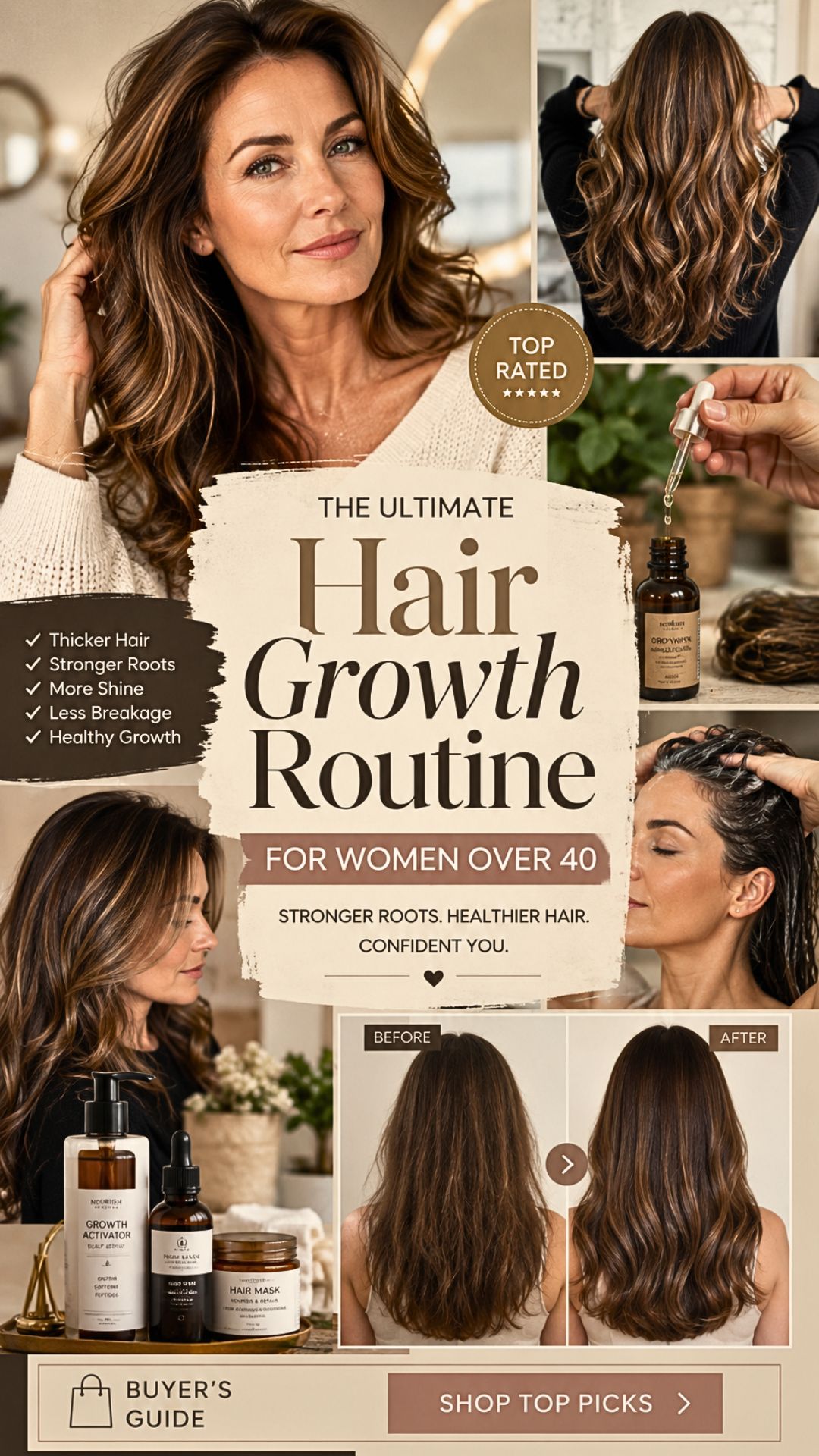
As we move into our 40s, our hair often starts to change. You may notice more shedding, slower growth, less volume, or strands that feel thinner than they used to. These changes are common, but they don’t mean healthy, fuller-looking hair is out of reach.
The good news is that a consistent Hair Growth Routine For Women Over 40 can make a real difference. While no routine can magically change your genetics, the right habits can help create a healthier scalp, reduce breakage, and support stronger, longer-looking hair over time.
This guide walks you through a simple daily and weekly routine, along with product suggestions, healthy habits, and common mistakes to avoid.
Why Hair Changes After 40
Hair naturally changes with age. Hormones, lifestyle, and everyday stress all play a part.
Some common reasons include:
- Lower estrogen levels during perimenopause and menopause
- Natural slowing of the hair growth cycle
- Years of heat styling and coloring
- Increased stress
- Poor scalp health
- Nutritional gaps
- Medical conditions or certain medications
Understanding the cause helps you build a routine that supports healthier hair instead of chasing quick fixes.
What Makes a Good Hair Growth Routine For Women Over 40
A healthy routine focuses on five important areas:
- Keeping the scalp clean and balanced
- Protecting hair from damage
- Feeding the body with proper nutrition
- Using proven hair care products
- Being patient and consistent
Hair grows slowly. Most people need several months of consistent care before seeing noticeable improvements.
Step 1: Start With a Healthy Scalp
Think of your scalp as the soil where your hair grows. Healthy roots need a healthy environment.
Wash your scalp often enough to remove oil, sweat, and product buildup without making it dry. For many women, two to four washes each week works well.
Look for shampoos that contain gentle cleansing ingredients and avoid harsh formulas that leave your scalp feeling tight.
If you struggle with flakes or itching, treat the scalp first. Healthy follicles grow better in a balanced environment.
Step 2: Massage Your Scalp Every Day
One of the easiest habits to add is a simple scalp massage.
Spend five minutes using your fingertips or a silicone scalp massage brush.
Benefits include:
- Encourages blood flow
- Helps spread natural oils
- Loosens buildup
- Feels relaxing after a long day
Use light pressure. The goal is to stimulate the scalp, not scratch it.
Step 3: Choose Hair Growth Products That Match Your Needs
Not every product works for everyone. Choose products based on your hair type and concerns.
For thinning hair
Look for lightweight volumizing shampoos and conditioners that won’t weigh strands down.
For dry hair
Choose moisturizing formulas with nourishing oils and proteins.
For weak hair
Look for strengthening ingredients like keratin peptides, amino acids, and biotin-infused formulas.
Some women also choose topical hair growth treatments recommended by their healthcare provider if hair thinning becomes more noticeable.
Product Recommendations Worth Considering
These products can support a healthy routine when used consistently.
| Product Type | How It Helps | Best For |
|---|---|---|
| Gentle sulfate-free shampoo | Cleans without stripping moisture | Dry or aging hair |
| Lightweight conditioner | Reduces breakage | Fine hair |
| Scalp serum | Helps maintain a healthy scalp environment | Thinning hair |
| Leave-in conditioner | Protects against daily damage | Dry ends |
| Heat protectant spray | Reduces styling damage | Heat styling |
| Silk pillowcase | Helps reduce friction overnight | All hair types |
| Wide-tooth comb | Prevents breakage on wet hair | Curly and fragile hair |
Soft affiliate tip:
Check the recommended styling tools before buying. Choosing quality tools often protects your hair better than replacing damaged hair later.
Step 4: Eat to Support Healthy Hair
Hair is made mostly of protein. Your body also needs vitamins and minerals to support healthy growth.
Focus on foods like:
- Eggs
- Salmon
- Greek yogurt
- Beans
- Nuts
- Seeds
- Spinach
- Sweet potatoes
- Berries
- Avocados
Drink enough water throughout the day as well. Dry hair often reflects overall hydration and nutrition.
If you think you have a vitamin deficiency, speak with a healthcare professional before starting supplements.
Step 5: Reduce Heat Damage
Daily heat styling is one of the biggest reasons hair becomes fragile.
Try to:
- Air dry when possible.
- Lower the temperature on styling tools.
- Always use a heat protectant.
- Limit flat ironing to special occasions.
- Give your hair heat-free days every week.
Small changes can reduce breakage while helping your hair look fuller.
Step 6: Trim Hair Regularly
Skipping trims does not make hair grow faster.
Instead, split ends travel upward and make hair look thinner.
Aim for a trim every 8 to 12 weeks to keep ends healthy.
Healthy ends create the appearance of thicker, longer hair.
Step 7: Sleep Smarter
Nighttime habits matter more than many people realize.
Simple changes include:
- Sleep on a silk or satin pillowcase.
- Tie long hair loosely.
- Avoid sleeping with wet hair.
- Keep your bedroom cool and comfortable.
These habits reduce friction and help prevent unnecessary breakage.
Weekly Hair Growth Routine
Instead of guessing what to do each day, follow a simple weekly schedule.
| Day | Routine |
|---|---|
| Monday | Shampoo, conditioner, scalp massage |
| Tuesday | Leave-in conditioner, gentle brushing |
| Wednesday | Scalp serum and massage |
| Thursday | Moisturizing wash, conditioner |
| Friday | Heat-free styling day |
| Saturday | Deep conditioning treatment |
| Sunday | Relax, massage scalp, prepare for the week |
Consistency matters more than perfection.
Simple Morning Routine
A quick morning routine can keep hair healthy without taking much time.
- Gently detangle your hair.
- Apply a lightweight leave-in product.
- Protect hair from heat if styling.
- Avoid tight hairstyles.
- Finish with a nourishing hair oil on the ends if needed.
Evening Routine for Stronger Hair
Evenings are perfect for repairing daily damage.
Try this routine:
- Brush gently from the ends upward.
- Massage your scalp for five minutes.
- Apply a scalp serum if desired.
- Braid long hair loosely.
- Sleep on a silk pillowcase.
These habits take less than ten minutes but support healthier hair over time.
Styling Tips That Help Hair Look Fuller
You don’t have to wait for new growth to enjoy fuller-looking hair.
Try styles that naturally create volume.
Good options include:
- Soft layered cuts
- Shoulder-length styles
- Curtain bangs
- Textured waves
- Blowouts with round brushes
- Root-lifting mousse
Avoid heavy styling creams that flatten fine hair.
Best Hair Care Habits for Women Over 40
Small habits often produce bigger results than expensive products.
Here are some of the most helpful changes:
- Wash your scalp instead of scrubbing the hair lengths.
- Condition mainly the mid-lengths and ends.
- Use microfiber towels instead of rough cotton towels.
- Detangle gently.
- Avoid tight ponytails every day.
- Protect hair from strong sun exposure.
- Stay consistent with your routine.
- Manage stress through exercise, walking, or meditation.
Common Hair Growth Mistakes to Avoid
Many women accidentally slow their progress by making a few common mistakes.
Washing too aggressively
Scrubbing hard can irritate the scalp.
Using too much heat
Frequent high temperatures weaken hair over time.
Trying every new product
Switching products every week makes it difficult to know what actually works.
Expecting overnight results
Hair grows slowly. Healthy routines need time.
Ignoring nutrition
Hair reflects your overall health.
Skipping scalp care
Healthy hair starts at the roots.
Comparing Popular Hair Growth Approaches
| Approach | Benefits | Things to Remember |
|---|---|---|
| Healthy diet | Supports growth from within | Results take time |
| Scalp massage | Easy and affordable | Needs consistency |
| Hair growth serum | Targets scalp care | Follow directions carefully |
| Gentle shampoo | Keeps scalp balanced | Choose formulas for your hair type |
| Deep conditioning | Reduces breakage | Use weekly |
| Heat protection | Prevents damage | Apply before every styling session |
When to Talk to a Professional
If you notice sudden hair loss, bald patches, or heavy shedding that continues for several months, it’s a good idea to speak with a dermatologist or healthcare provider.
Hair changes can sometimes be linked to hormone changes, thyroid conditions, iron deficiency, or other health concerns that deserve proper evaluation.
Getting the right diagnosis early often makes treatment easier.
Building a Routine You Can Stick With
The best routine is the one you will actually follow.
You do not need twenty products or a complicated schedule.
Instead, focus on a few healthy habits:
- Cleanse your scalp regularly.
- Moisturize your hair.
- Protect it from heat.
- Eat nourishing foods.
- Massage your scalp.
- Sleep on a silk pillowcase.
- Be patient.
Small improvements repeated every week often lead to healthier-looking hair over time.
Final Thoughts
Finding the right Hair Growth Routine For Women Over 40 doesn’t have to be overwhelming. Healthy hair is usually the result of consistent care, gentle styling, good nutrition, and realistic expectations rather than one miracle product.
Start with a simple routine, pay attention to what your hair responds to, and make gradual adjustments as needed. Over time, these small daily habits can help reduce breakage, improve shine, and create the appearance of fuller, healthier hair.
If you’re ready to upgrade your routine, shop the look with a gentle sulfate-free shampoo, a nourishing scalp serum, a quality heat protectant, and a silk pillowcase. You can also see the best tools for this look or try this product for easier styling to make caring for your hair simpler while supporting your long-term hair goals.