Best Hair Growth Oils That Deliver Real Results
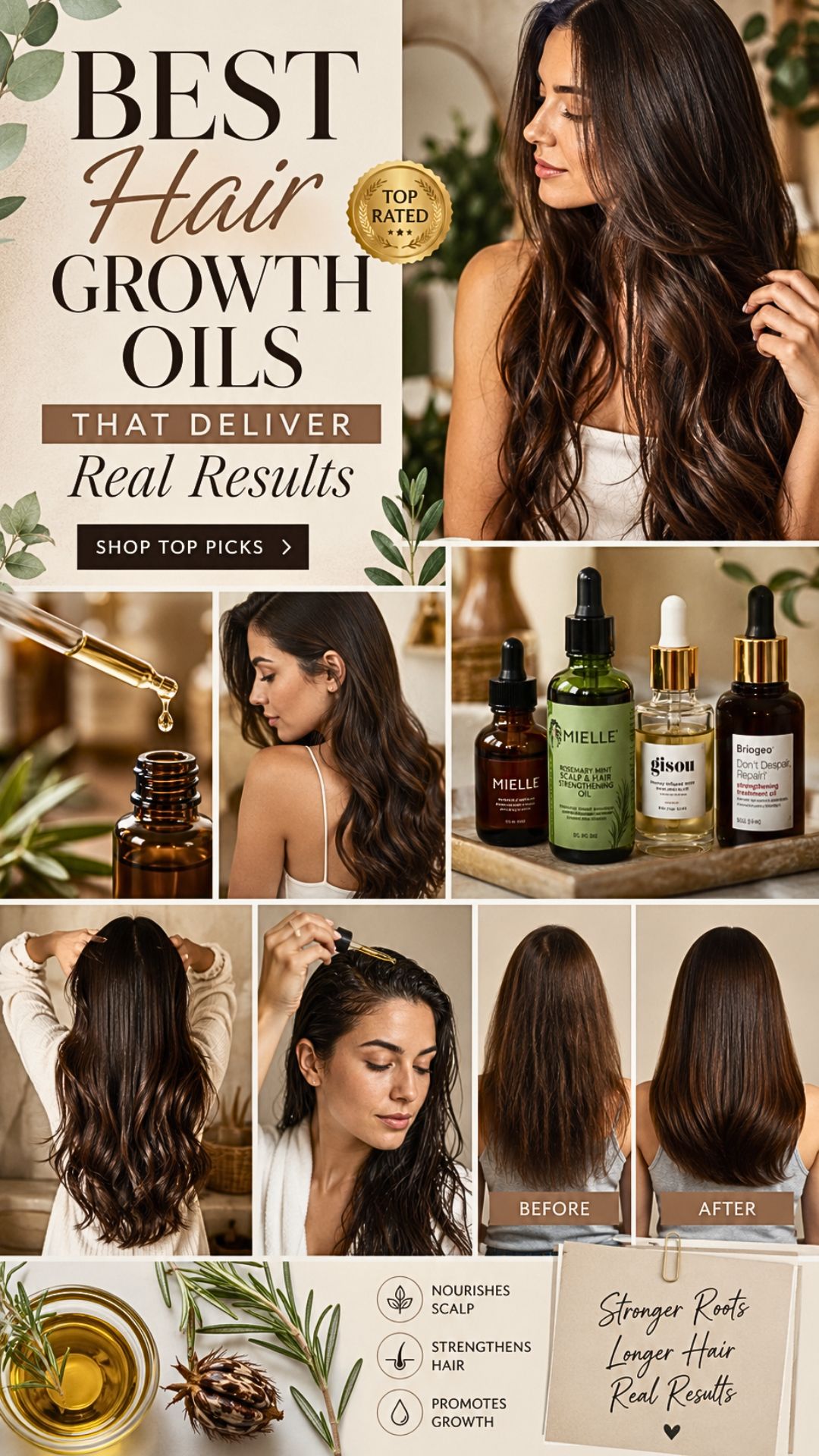
If you’ve ever looked in the mirror and wished your hair felt thicker, stronger, or healthier, you’re not alone. Many people struggle with slow hair growth, breakage, thinning, or dry ends. The good news is that the right Hair Growth Oils can become a valuable part of a healthy hair care routine when paired with good nutrition, gentle styling, and consistent care.
Not every oil works the same way. Some help moisturize the scalp, while others reduce breakage or improve the condition of your hair so it can grow longer over time. In this guide, you’ll learn which oils are worth trying, how to use them correctly, and which products deserve a place in your routine.
Why Hair Growth Oils Are Worth Trying
Hair grows from the scalp, but healthy strands depend on more than just the roots. Dryness, damage, tight hairstyles, and heat styling can all cause breakage, making it seem like your hair isn’t growing.
Quality hair oils can help by:
- Moisturizing the scalp
- Reducing dryness and itchiness
- Protecting hair from breakage
- Improving shine and softness
- Supporting a healthier environment for hair growth
While oils cannot magically create new hair follicles, they can help keep existing hair healthier and stronger, allowing it to reach its full length.
How to Choose the Best Hair Growth Oil
Before buying a product, think about your hair type and scalp condition.
Dry Hair
Choose rich oils like argan, coconut, avocado, or olive oil.
Fine Hair
Look for lightweight oils such as rosemary, jojoba, or grapeseed oil.
Oily Scalp
Avoid heavy products. Jojoba and rosemary blends usually work better.
Damaged Hair
Choose nourishing oils with vitamin E and natural plant extracts that help reduce breakage.
Best Hair Growth Oils That Deliver Real Results
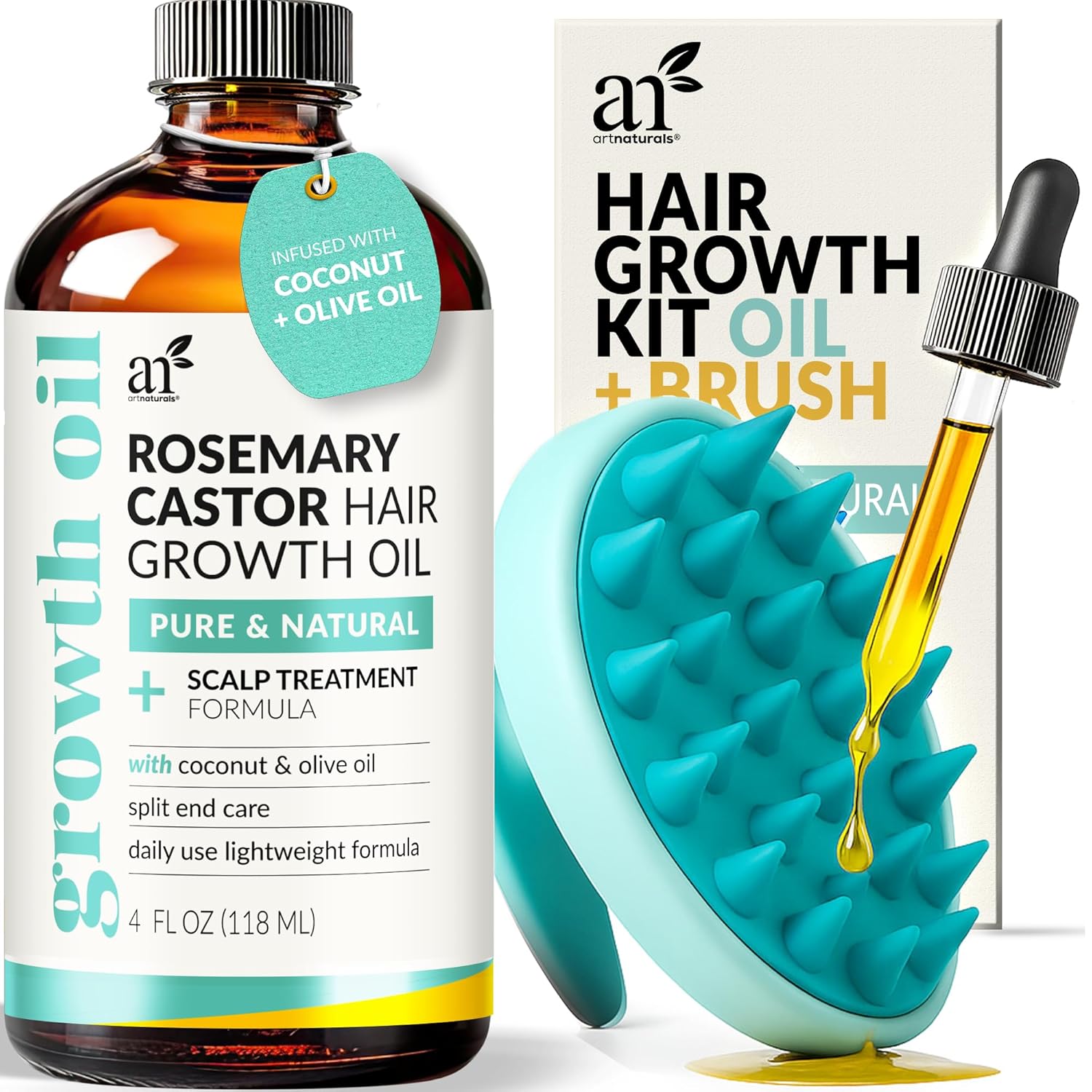
1. Rosemary Oil
Rosemary oil has become one of the most talked-about natural ingredients for healthier hair. Some research suggests it may support hair growth in certain people when used consistently over time.
Best for
- Thinning hair
- Weak roots
- Slow hair growth
Benefits
- Helps improve scalp circulation
- Supports healthier-looking hair
- Reduces scalp dryness
- Lightweight enough for many hair types
Tips
Always dilute pure rosemary essential oil with a carrier oil before applying it directly to your scalp.
2. Castor Oil
Castor oil has been a favorite beauty treatment for generations. While it doesn’t directly speed up hair growth, it coats the hair well and helps reduce breakage.
Best for
- Dry hair
- Brittle ends
- Protective hairstyles
Benefits
- Deeply moisturizing
- Makes hair feel thicker
- Helps reduce split ends
- Adds shine
Because castor oil is very thick, many people mix it with lighter oils.
3. Coconut Oil
Coconut oil remains one of the most trusted hair care ingredients. It penetrates the hair shaft better than many other oils, helping reduce protein loss.
Best for
- Dry hair
- Damaged strands
- Curly hair
Benefits
- Helps reduce breakage
- Softens rough hair
- Protects during washing
- Adds natural shine
Use it as a pre-shampoo treatment or overnight hair mask.
4. Argan Oil
Often called “liquid gold,” argan oil is packed with antioxidants and vitamin E.
Best for
- Frizzy hair
- Heat-damaged hair
- Daily styling
Benefits
- Smooths frizz
- Adds softness
- Improves shine
- Lightweight finish
This oil works especially well after blow drying or heat styling.
5. Jojoba Oil
Jojoba oil closely resembles the scalp’s natural oils, making it suitable for many hair types.
Best for
- Oily scalp
- Sensitive skin
- Fine hair
Benefits
- Moisturizes without feeling greasy
- Helps soothe dryness
- Leaves hair soft
- Lightweight texture
6. Pumpkin Seed Oil
Pumpkin seed oil has gained attention because of early research exploring its possible role in supporting hair density. More studies are still needed, but many people enjoy adding it to their routine.
Benefits
- Rich in fatty acids
- Nourishes the scalp
- Lightweight texture
- Easy to combine with other oils
7. Black Seed Oil
Black seed oil has been used in traditional beauty routines for centuries.
Best for
- Dry scalp
- Weak hair
- Dull hair
Benefits
- Helps condition the scalp
- Improves softness
- Reduces dryness
- Adds healthy shine
8. Avocado Oil
Avocado oil is rich in vitamins and nourishing fats.
Benefits
- Moisturizes dry strands
- Helps reduce breakage
- Smooths rough hair
- Works well in deep-conditioning treatments
Quick Comparison Table
| Hair Growth Oil | Best For | Texture | Main Benefit |
|---|---|---|---|
| Rosemary Oil | Thinning hair | Light | Supports healthier scalp |
| Castor Oil | Dry, brittle hair | Thick | Helps reduce breakage |
| Coconut Oil | Damaged hair | Medium | Protects hair from protein loss |
| Argan Oil | Frizz | Light | Smooths and adds shine |
| Jojoba Oil | Oily scalp | Very light | Balances moisture |
| Pumpkin Seed Oil | Overall scalp care | Medium | Nourishes scalp |
| Black Seed Oil | Dry scalp | Medium | Conditions hair |
| Avocado Oil | Very dry hair | Rich | Deep moisture |
What Makes a Hair Oil Actually Effective?
The best products usually contain more than one beneficial ingredient.
Look for formulas with:
- Rosemary oil
- Peppermint oil
- Argan oil
- Jojoba oil
- Vitamin E
- Coconut oil
- Natural botanical extracts
Avoid products filled mostly with mineral oil, artificial fragrance, or unnecessary fillers if you’re looking for a more nourishing treatment.
Recommended Hair Growth Oil Products
If you prefer ready-made blends instead of mixing oils yourself, these are popular options to consider.
Mielle Rosemary Mint Scalp & Hair Strengthening Oil
A lightweight blend with rosemary, peppermint, and nourishing oils. Many people enjoy using it for regular scalp massages.
Best for: Thin, damaged, and protective hairstyles.
OGX Renewing Argan Oil of Morocco
A lightweight daily oil that helps smooth frizz and improve softness without leaving heavy buildup.
Best for: Dry or color-treated hair.
SheaMoisture Jamaican Black Castor Oil Strengthen & Restore Oil
A rich formula designed for dry and damaged hair.
Best for: Curly, coily, and textured hair.
The Ordinary 100% Organic Cold-Pressed Moroccan Argan Oil
A simple single-ingredient oil suitable for hair, skin, and nails.
Best for: Anyone wanting a pure argan oil.
Handcraft Blends Organic Jojoba Oil
A versatile oil that works well as a carrier oil for essential oils like rosemary.
Best for: Sensitive scalps and DIY hair treatments.
How to Use Hair Growth Oils Correctly
Using too much oil won’t make hair grow faster. Consistency matters more than quantity.
Step 1: Start with a Clean Scalp
Hair oil works best when applied to a clean or lightly soiled scalp.
Step 2: Use a Small Amount
Apply a few drops directly to your fingertips or scalp.
Step 3: Massage Gently
Massage for about five minutes using circular motions.
Scalp massage may help improve circulation while also helping distribute the oil evenly.
Step 4: Leave It On
Depending on the product instructions, leave the oil on for 30 minutes, several hours, or overnight.
Step 5: Wash Thoroughly
Use a gentle shampoo to remove excess oil.
Repeat one to three times per week depending on your hair type.
Build a Hair Routine That Supports Growth
Hair oils work best as part of a complete routine.
A healthy routine includes:
- Washing with a gentle shampoo
- Using conditioner every wash
- Deep conditioning weekly
- Limiting heat styling
- Sleeping on a satin pillowcase
- Eating enough protein
- Staying hydrated
- Trimming split ends regularly
Healthy habits often make just as much difference as the products you use.
Common Mistakes to Avoid
Many people give up on hair oils because they expect instant results. Hair growth takes time.
Avoid these common mistakes:
- Using too much oil
- Applying essential oils without dilution
- Skipping regular shampooing
- Expecting overnight growth
- Changing products every week
- Ignoring scalp health
- Using excessive heat styling
- Pulling hair into tight hairstyles every day
Simple Weekly Hair Oil Routine
Here’s an easy beginner-friendly routine you can follow.
Monday
Massage rosemary oil into your scalp for five minutes.
Wednesday
Apply coconut oil to the mid-lengths and ends before shampooing.
Friday
Use a nourishing scalp oil blend overnight.
Sunday
Deep condition your hair and finish with a few drops of argan oil on the ends.
Keeping a simple routine makes it easier to stay consistent.
Signs Your Hair Routine Is Working
Hair grows slowly, so patience is important.
After several weeks or months, you may notice:
- Less hair breakage
- Softer strands
- Better shine
- Fewer split ends
- A healthier scalp
- Hair that feels fuller because it’s breaking less often
Take photos every month to track changes instead of relying on memory.
Extra Tips for Healthier Hair
Small changes can make a noticeable difference over time.
- Protect your hair from excessive sun exposure.
- Avoid brushing wet hair aggressively.
- Use a wide-tooth comb on damp hair.
- Wash your scalp regularly to prevent product buildup.
- Choose silk or satin hair ties instead of rubber bands.
- Eat a balanced diet rich in iron, zinc, protein, and healthy fats.
These habits support stronger, healthier-looking hair alongside your favorite hair oil.
Final Thoughts
Finding the right Hair Growth Oils isn’t about chasing miracle products. It’s about choosing nourishing ingredients that match your hair type and using them consistently. Oils like rosemary, coconut, argan, castor, and jojoba can help improve scalp health, reduce breakage, and leave your hair softer and stronger over time.
If you’re ready to upgrade your routine, start with one high-quality oil or a trusted blend rather than buying several products at once. Check the recommended styling tools, shop the look, or try one of the featured hair oils that fits your needs. With patience, gentle care, and the right products, you’ll be giving your hair the best chance to grow healthier, stronger, and more resilient.