Before And After Fixing Frizzy Hair With The Right Products: A Complete Guide to Smooth, Healthy Hair
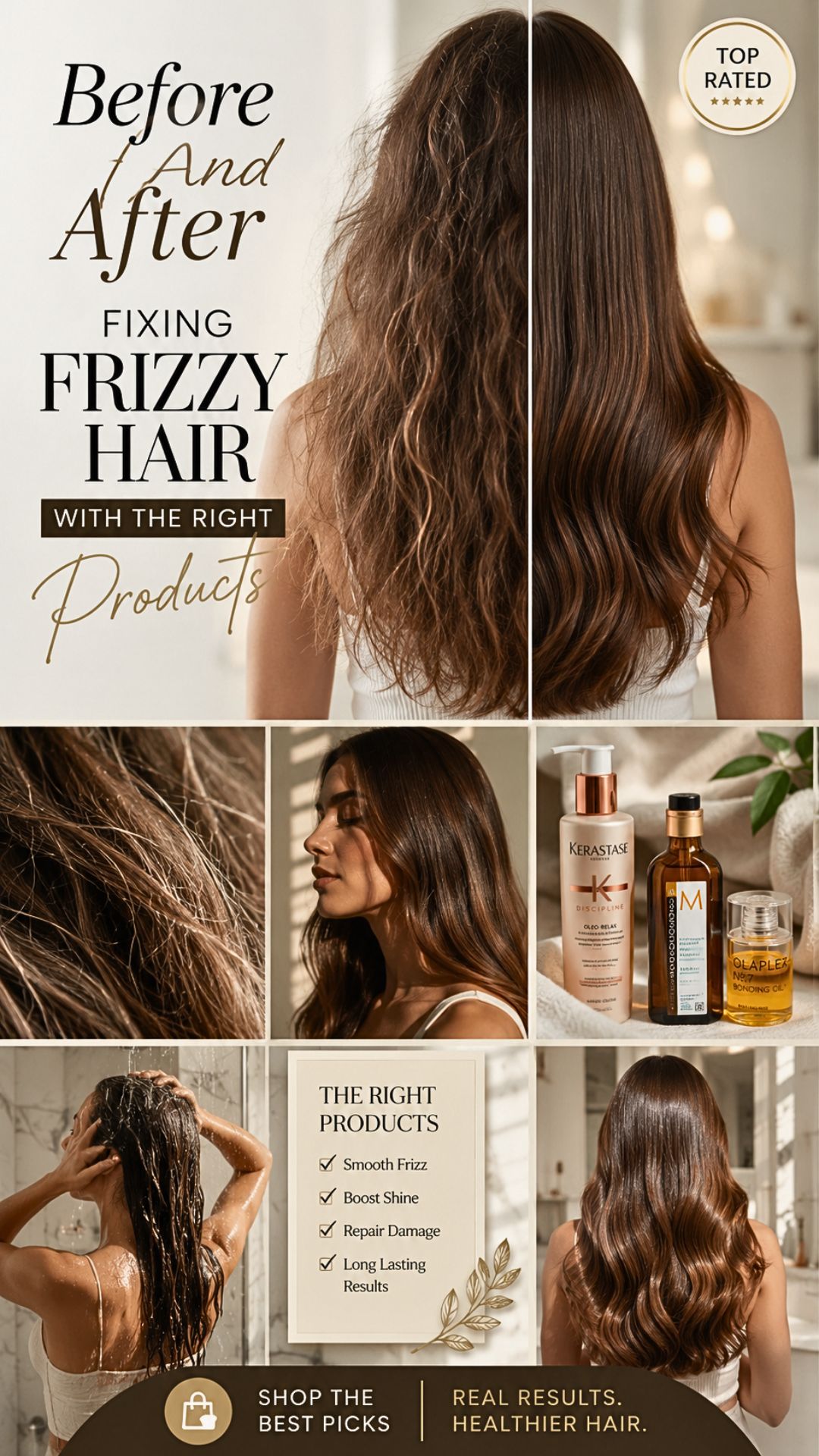
Frizzy hair can make even the best haircut feel difficult to manage. If you’ve ever wondered why your hair looks dry, puffy, or hard to style, you’re not alone. The good news is that the right hair care routine can make a noticeable difference over time.
In this guide, we’ll look at the real Before And After Fixing Frizzy Hair With The Right Products journey. You’ll learn why frizz happens, which products actually help, and how to build a simple routine that leaves your hair smoother, shinier, and easier to style. Whether your hair is straight, wavy, curly, or coily, these tips can help you achieve healthier-looking results without making your routine complicated.
What Causes Frizzy Hair?
Frizz happens when the outer layer of your hair, called the cuticle, lifts instead of lying flat. This allows moisture from the air to enter the hair shaft, making strands swell and become rough.
Several things can cause this, including:
- Dry or damaged hair
- Heat styling without protection
- Humid weather
- Frequent coloring or bleaching
- Washing with harsh shampoos
- Rough towel drying
- Lack of moisture in the hair
Understanding the cause helps you choose products that solve the problem instead of simply hiding it.
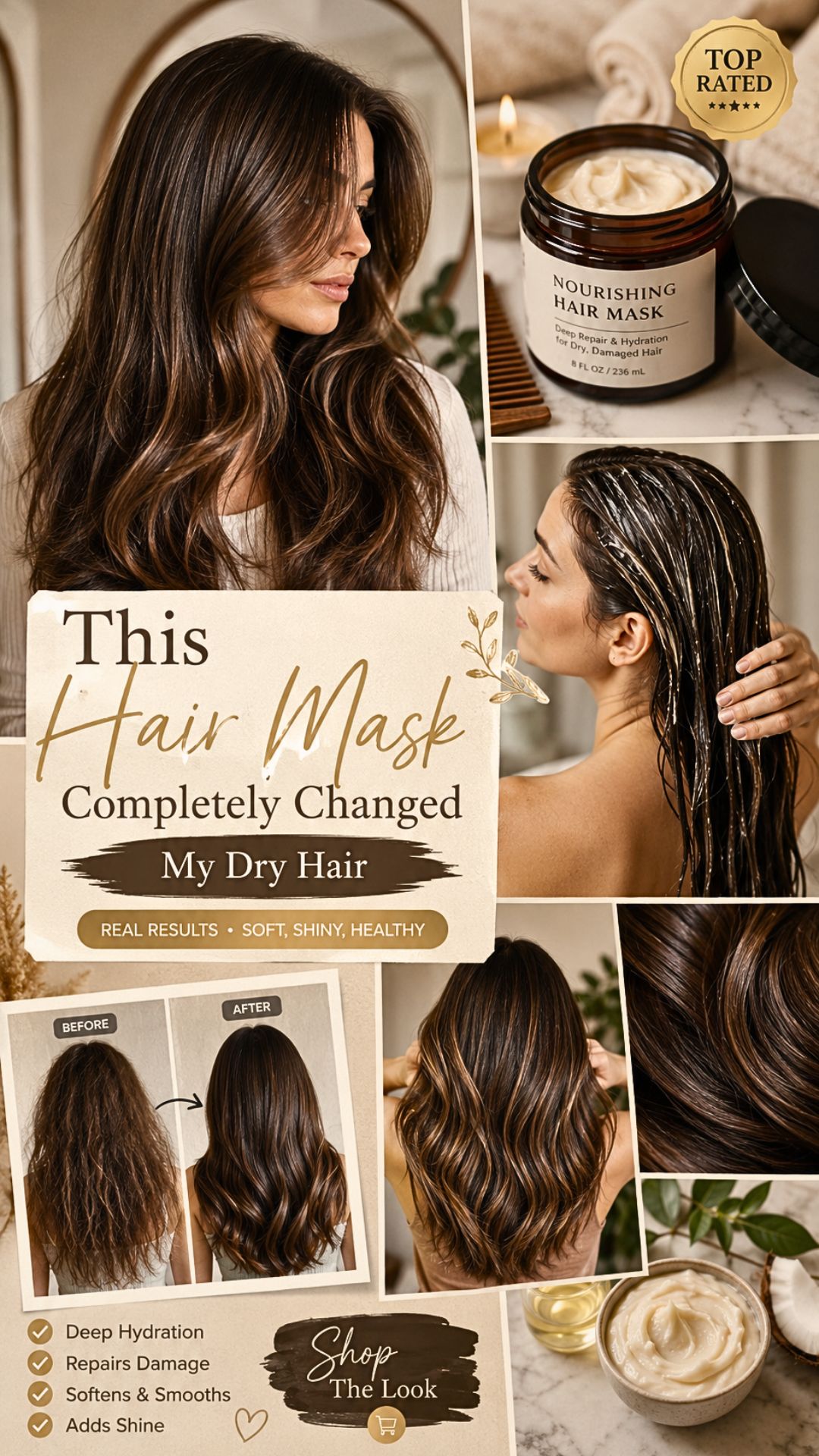
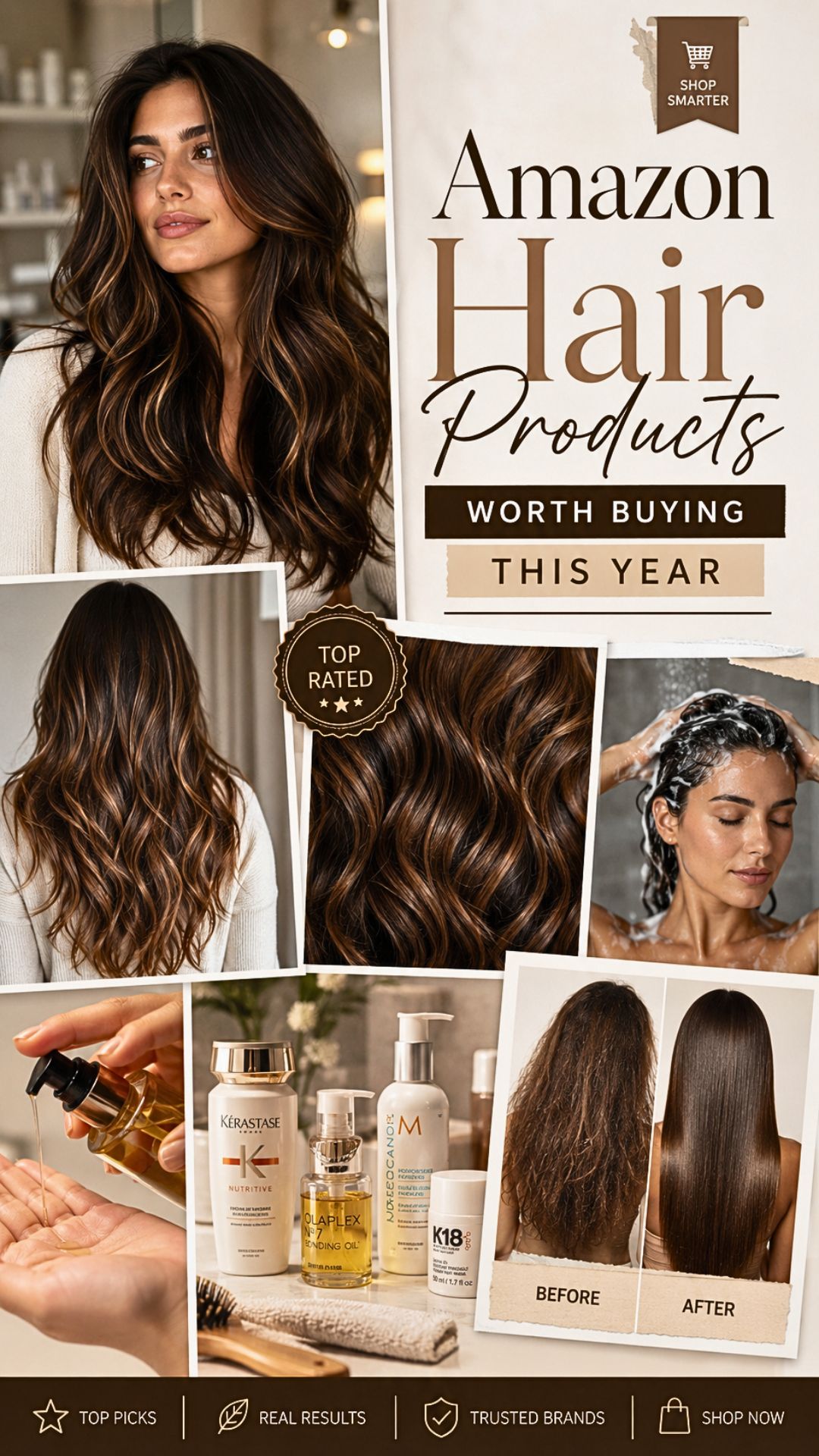
Before vs After: What Really Changes?
The biggest transformation doesn’t usually happen overnight. Most people notice improvements after using the right products consistently for several weeks.
| Before Fixing Frizzy Hair | After Using the Right Products |
|---|---|
| Dry, rough texture | Soft, smooth feel |
| Puffy appearance | Controlled volume |
| Hair tangles easily | Easier brushing |
| Dull finish | Healthy shine |
| Split ends look worse | Ends appear smoother |
| Difficult styling | Faster styling |
| Flyaways everywhere | Better definition |
| Hair loses shape quickly | Longer-lasting styles |
The goal isn’t perfectly flat hair. Healthy hair still has natural texture, but it looks smoother and feels more manageable.
Signs You’re Using the Wrong Hair Products
Many people accidentally make frizz worse by choosing products that strip away moisture.
Common warning signs include:
- Hair feels squeaky after washing.
- Ends feel rough.
- Hair becomes puffier after drying.
- You need lots of styling products every day.
- Hair breaks easily while brushing.
- Your curls lose definition.
- Hair looks dry only a day after washing.
If these sound familiar, it may be time to rethink your routine.
The Products That Make the Biggest Difference
Not every product is essential. A few well-chosen items often work better than a shelf full of bottles.
1. Moisturizing Shampoo
Start with a gentle shampoo that cleans without removing your hair’s natural oils.
Look for ingredients like:
- Glycerin
- Aloe vera
- Coconut oil
- Argan oil
- Shea butter
Avoid shampoos with strong detergents if your hair is already dry.
2. Hydrating Conditioner
Conditioner is one of the most important products for fighting frizz.
A quality conditioner helps:
- Smooth the hair cuticle
- Reduce tangles
- Add moisture
- Improve shine
- Make styling easier
Apply it mainly from the middle of your hair to the ends.
3. Leave-In Conditioner
A leave-in conditioner provides moisture throughout the day.
It works especially well for:
- Curly hair
- Thick hair
- Color-treated hair
- Dry ends
- High-porosity hair
Use a small amount to avoid weighing hair down.
4. Hair Serum
Hair serums coat the outside of the hair, helping lock in moisture while reducing flyaways.
They also:
- Add shine
- Protect against humidity
- Make hair feel silky
- Improve smoothness
Only a few drops are usually enough.
5. Hair Oil
Natural oils help seal moisture into the hair.
Popular choices include:
- Argan oil
- Jojoba oil
- Marula oil
- Coconut oil
- Avocado oil
Apply mainly to the ends where dryness is most noticeable.
6. Heat Protectant Spray
Heat tools are one of the biggest causes of frizz.
Before using a blow dryer, curling iron, or straightener, always apply a heat protectant.
This simple step helps reduce future damage and keeps hair looking healthier.
A Simple Routine That Shows Real Results
If you’re starting from scratch, keep things simple.
Step 1: Wash Gently
Use lukewarm water instead of hot water.
Hot water can dry out the hair and lift the cuticle.
Step 2: Condition Every Wash
Leave your conditioner on for at least three minutes before rinsing.
This allows moisturizing ingredients time to work.
Step 3: Pat Hair Dry
Skip rough towel rubbing.
Instead, gently squeeze excess water with:
- A microfiber towel
- A soft cotton T-shirt
This reduces friction and prevents unnecessary frizz.
Step 4: Apply Leave-In Conditioner
Work a small amount through damp hair.
Focus on the lengths and ends.
Step 5: Add Hair Serum
Use just enough to smooth flyaways.
Too much product can make hair feel greasy.
Step 6: Protect Before Heat Styling
Never skip heat protection.
Lower temperatures often style hair just as well while causing less damage.
Step 7: Finish With Hair Oil
Once your hair is dry, smooth a few drops over the ends for extra softness and shine.
Weekly Hair Treatments That Improve Frizz
Daily care matters, but weekly treatments can speed up improvement.
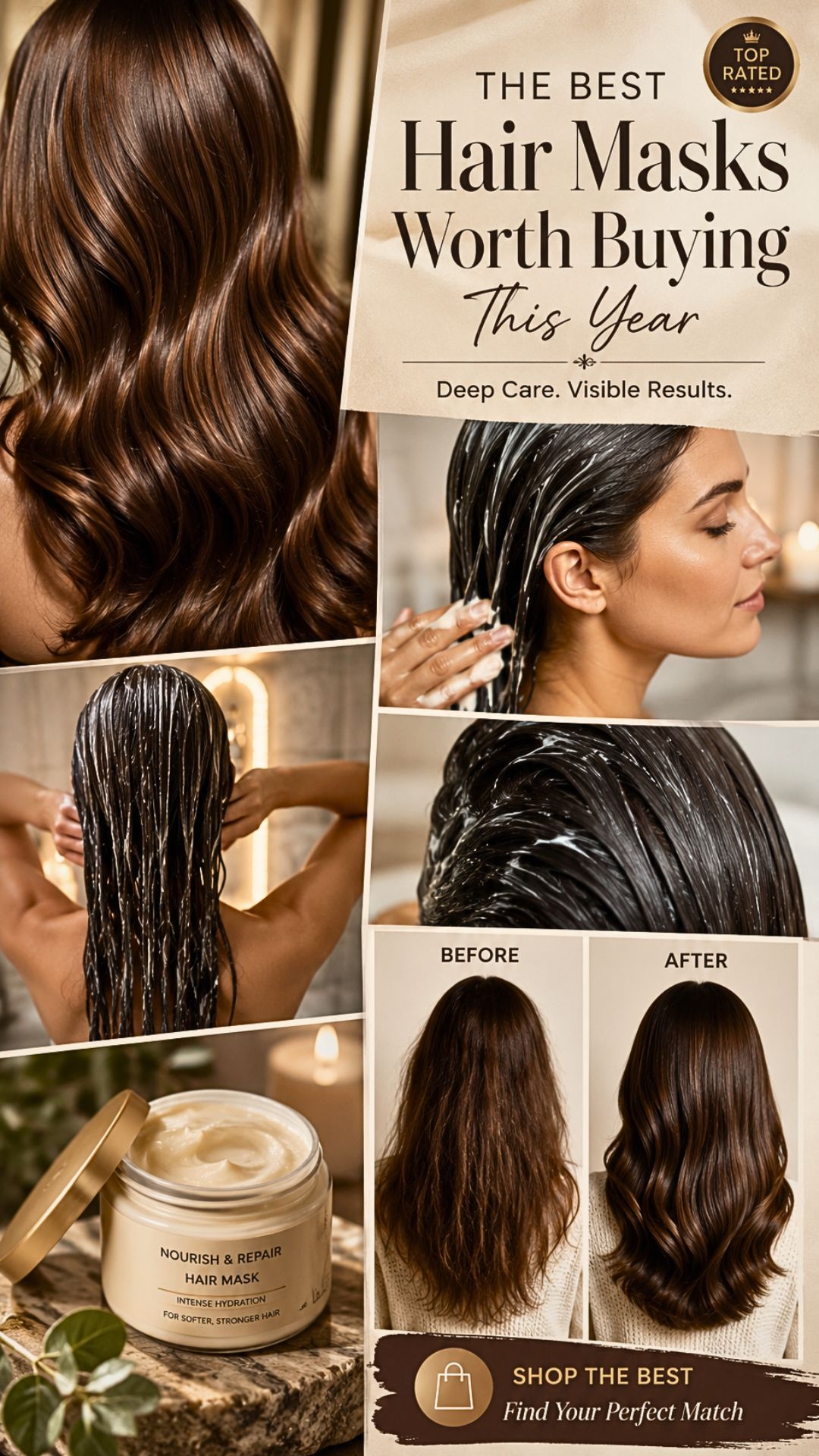
Deep Conditioning Mask
A nourishing hair mask helps restore moisture that everyday styling removes.
Use once every week.
Protein Treatment
Hair weakened by bleach or frequent coloring may benefit from occasional protein treatments.
Avoid overusing protein, as too much can make hair feel stiff.
Scalp Massage
A gentle scalp massage encourages healthy circulation while helping distribute natural oils.
Even five minutes once or twice a week can feel relaxing and beneficial.
The Best Styling Tools for Frizz Control
Good styling tools can be just as important as good products.
Consider using:
- Ceramic hair dryer
- Ionic blow dryer
- Wide-tooth comb
- Detangling brush
- Satin scrunchies
- Silk pillowcase
- Microfiber towel
Soft call to action:
Check the recommended styling tools if you’re replacing old equipment. Better tools often reduce heat damage and make styling easier.
Hair Ingredients Worth Looking For
Reading ingredient labels becomes much easier when you know what works.
Excellent Moisturizing Ingredients
- Hyaluronic acid
- Aloe vera
- Glycerin
- Shea butter
- Coconut oil
- Argan oil
- Panthenol
Smoothing Ingredients
- Dimethicone
- Amodimethicone
- Silk proteins
- Hydrolyzed keratin
Ingredients to Use Carefully
Some hair types become dry with frequent use of:
- Strong sulfates
- High amounts of drying alcohols
- Heavy waxes
- Excessive fragrance
Choose products based on your hair type rather than trends.
Common Mistakes That Keep Hair Frizzy
Many people unknowingly slow their progress by repeating the same habits.
Avoid these mistakes:
- Washing hair every day when it’s naturally dry
- Using very hot water
- Brushing curly hair when dry
- Skipping conditioner
- Overusing heat tools
- Applying too much product
- Ignoring regular trims
- Sleeping on rough cotton pillowcases
- Using high heat unnecessarily
- Forgetting heat protection
Small changes often produce bigger improvements than buying expensive products.
Hair Care Tips for Different Hair Types
Fine Hair
Choose lightweight moisturizing products.
Heavy creams may flatten your hair.
Use serum sparingly.
Thick Hair
Rich conditioners and nourishing oils often work well.
Section your hair while applying products so every strand gets enough moisture.
Wavy Hair
Light creams help define waves while controlling frizz.
Avoid brushing after your hair dries.
Curly Hair
Moisture is the foundation of healthy curls.
Layer products in this order:
- Leave-in conditioner
- Curl cream
- Hair gel
- Hair oil if needed
This helps curls stay defined longer.
Color-Treated Hair
Choose products labeled safe for color-treated hair.
Extra moisture helps reduce dryness after chemical processing.
Morning Refresh Routine for Frizzy Hair
You don’t always need to wash your hair to make it look fresh.
Try this quick routine:
- Mist hair lightly with water.
- Apply a small amount of leave-in conditioner.
- Smooth a few drops of serum over the surface.
- Gently reshape curls or waves.
- Finish with a tiny amount of hair oil on the ends.
The whole routine takes just a few minutes.
Nighttime Habits That Help Prevent Frizz
Healthy hair care continues while you sleep.
Helpful habits include:
- Sleep on a silk or satin pillowcase.
- Tie long hair loosely with a satin scrunchie.
- Avoid sleeping with wet hair.
- Apply a tiny amount of hair oil before bed if your ends feel dry.
- Braid long hair loosely overnight.
These simple habits reduce friction and help preserve your style.
When Will You See Results?
Everyone’s hair is different, but a realistic timeline often looks like this:
| Time | Expected Improvement |
|---|---|
| First wash | Hair feels softer |
| One week | Easier detangling |
| Two weeks | Less daily frizz |
| One month | Better shine and smoother texture |
| Two to three months | Healthier-looking hair with improved manageability |
Consistency matters more than using many products.
Building a Simple Frizz-Fighting Routine
If you’re overwhelmed by all the choices, start with just five essentials:
- Moisturizing shampoo
- Hydrating conditioner
- Leave-in conditioner
- Heat protectant
- Hair serum
You can always add treatments or oils later if your hair needs extra care.
Soft call to action:
If you’re ready to improve your routine, see the best tools for this look and try this product for easier styling based on your hair type rather than buying everything at once.
Final Thoughts
Seeing a real Before And After Fixing Frizzy Hair With The Right Products transformation is usually the result of consistent care rather than a single miracle product. Hair becomes smoother because it is better hydrated, protected from damage, and treated more gently every day.
Start with a simple routine, choose products that match your hair type, and give them time to work. Small changes like using a moisturizing conditioner, applying a heat protectant, switching to a microfiber towel, or finishing with a lightweight serum can add up to healthier-looking hair over the weeks ahead.
If you’re looking to upgrade your routine, shop the look, check the recommended styling tools, or recreate this hairstyle at home with products designed for your specific hair needs. Thoughtful product choices, paired with healthy habits, can make your hair easier to manage while helping it look naturally smooth, soft, and full of shine.