The Weekly Hair Care Routine For Strong Healthy Hair
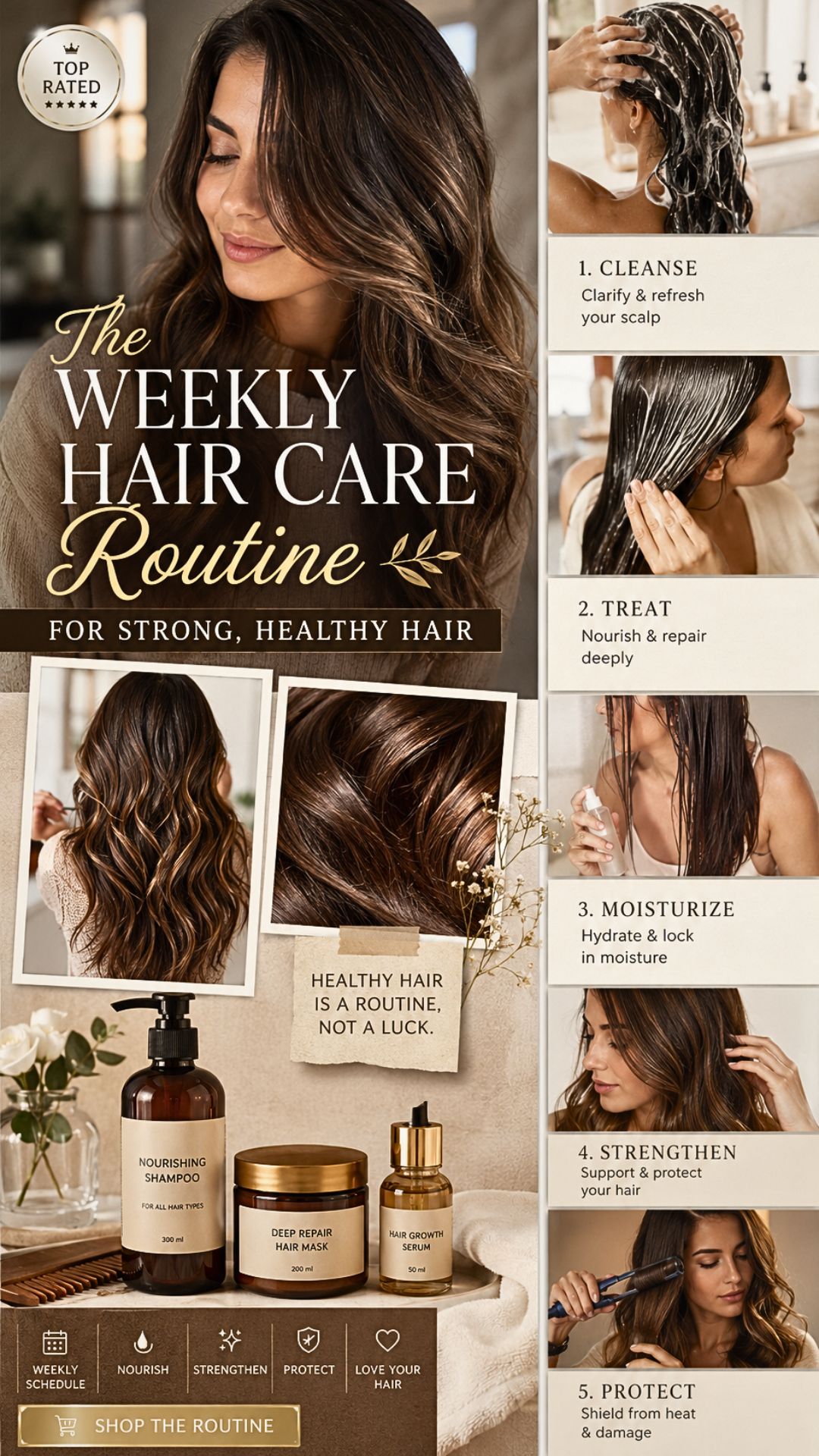
Build a Simple Hair Care Routine That Keeps Hair Strong, Soft, and Healthy
Healthy hair doesn’t happen overnight. It comes from small habits that you follow every week. A good Hair Care Routine helps reduce breakage, keeps your scalp balanced, and makes your hair easier to manage. Whether your hair is straight, curly, fine, thick, or color-treated, the right routine can make a big difference over time.
The good news is that you don’t need a shelf full of expensive products. A few quality essentials, used consistently, often work better than constantly trying new trends. In this guide, you’ll learn a simple weekly routine that anyone can follow, along with product recommendations, common mistakes to avoid, and helpful tips for stronger, healthier hair.
Why a Weekly Hair Care Routine Matters
Your hair faces daily stress from brushing, heat styling, pollution, UV rays, tight hairstyles, and even your pillowcase. These small things slowly damage the hair cuticle, causing dryness, split ends, and breakage.
A weekly routine gives your hair regular care before damage becomes serious. Instead of trying to fix unhealthy hair later, you help prevent problems from happening in the first place.
Benefits of following a weekly routine include:
- Stronger strands
- Less breakage
- Better moisture balance
- Improved shine
- Healthier scalp
- Easier styling
- Better hair growth environment
Remember that healthy hair starts with a healthy scalp. Taking care of both gives the best long-term results.
Know Your Hair Before You Start
Every hair type has different needs. Before choosing products, understand your hair.
Fine Hair
Fine hair usually becomes oily faster and benefits from lightweight products that add volume without weighing it down.
Thick Hair
Thick hair often needs more moisture and richer conditioners to stay soft and manageable.
Curly Hair
Curly hair naturally loses moisture faster. Deep conditioning and gentle styling help curls stay defined and healthy.
Color-Treated Hair
Dyed or bleached hair needs extra hydration and products that help protect color while reducing damage.
Oily Scalp
Focus on gentle cleansing and avoid applying heavy products directly to the scalp.
Dry Hair
Use nourishing shampoos, rich conditioners, and weekly masks to restore moisture.
Your Weekly Hair Care Routine Step by Step
Following a simple schedule helps build consistency. You can adjust the days based on your lifestyle.
Day 1: Wash Your Hair Properly
Shampoo removes oil, dirt, sweat, and product buildup.
Choose a shampoo made for your hair type rather than using the strongest cleansing formula available. Massage your scalp gently with your fingertips for about one minute. This removes buildup without irritating your skin.
Avoid piling your hair on top of your head while washing because this can increase tangles.
If you use many styling products during the week, consider using a clarifying shampoo once every two to four weeks.
Day 1: Condition Every Time You Shampoo
Conditioner restores moisture after cleansing.
Apply conditioner from the middle of your hair to the ends. Leave it on for two to five minutes before rinsing.
The ends of your hair are the oldest and usually the driest, so they need the most attention.
Avoid applying heavy conditioner directly to your scalp unless the product is designed for scalp care.
Day 2: Let Your Hair Rest
Give your hair a break from heat tools.
Instead of blow drying or straightening, try:
- Air drying
- Loose braids
- Soft ponytails
- Low buns
- Natural curls
Less heat means less damage over time.
Day 3: Add Moisture with a Hair Mask
A deep conditioning mask gives your hair extra nourishment.
Use a hair mask once every week if your hair feels dry or damaged. Leave it on according to the product instructions.
Look for ingredients such as:
- Argan oil
- Shea butter
- Coconut oil
- Keratin
- Avocado oil
- Hyaluronic acid
- Panthenol
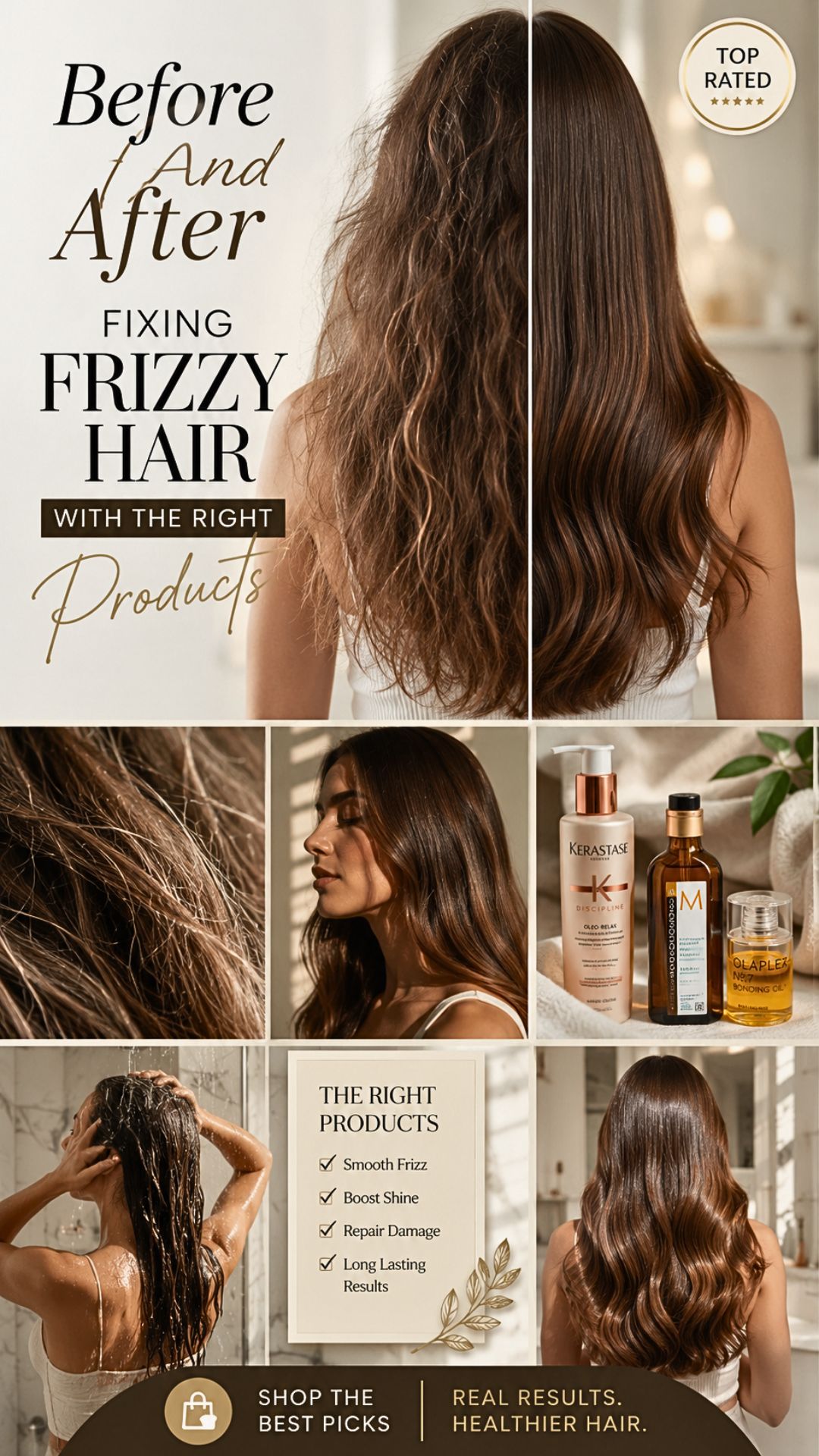
Hair masks help improve softness while reducing frizz and breakage.
Day 4: Massage Your Scalp
Healthy hair begins with healthy skin.
Spend five minutes gently massaging your scalp using your fingertips or a silicone scalp massager.
Benefits include:
- Better product distribution
- Removal of buildup
- Relaxation
- Improved circulation
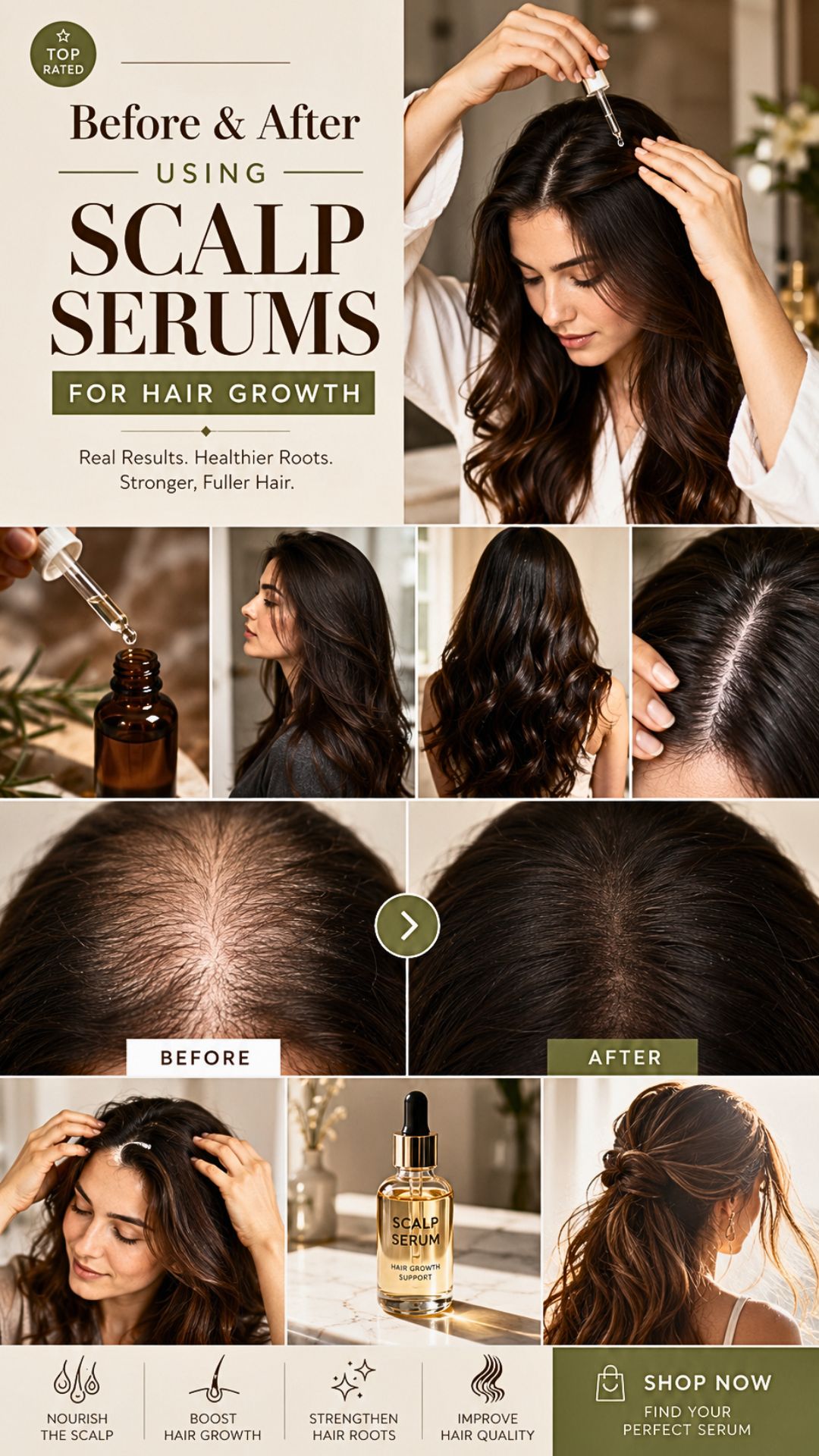
Many people also enjoy applying lightweight scalp serums during massage.
Day 5: Protect Your Hair While Styling
If you style your hair with heat, always use a heat protectant.
Heat protectants create a protective layer that helps reduce moisture loss during styling.
Keep styling temperatures as low as possible while still achieving your desired look.
Day 6: Refresh Without Washing
You don’t always need another shampoo.
Instead, refresh your hair by:
- Using dry shampoo on oily roots
- Brushing gently
- Applying a small amount of lightweight hair oil to dry ends
- Restyling with minimal heat
This helps extend your hairstyle while reducing overwashing.
Day 7: Overnight Hair Care
Nighttime habits can improve hair health more than many people realize.
Try sleeping on a satin or silk pillowcase. It creates less friction than cotton, helping reduce tangles and frizz.
You can also loosely braid long hair before bed to prevent knots.
Weekly Hair Care Checklist
A simple checklist keeps your routine easy to follow.
- Shampoo based on your hair type
- Condition after every wash
- Use a hair mask once weekly
- Massage your scalp
- Apply heat protectant before styling
- Minimize heat whenever possible
- Protect hair while sleeping
- Trim split ends every 8–12 weeks
- Stay hydrated
- Eat enough protein and healthy fats
Small habits repeated every week create noticeable improvements over time.
Products That Can Make Your Routine Easier
You don’t need dozens of products. Start with a few reliable essentials.
Gentle Shampoo
A sulfate-free shampoo works well for many hair types because it cleans without stripping natural oils.
Best for:
- Dry hair
- Color-treated hair
- Curly hair
- Everyday washing
Soft tip: Check the recommended styling tools and shampoos that match your hair type before buying.
Moisturizing Conditioner
Choose a conditioner that contains nourishing oils and proteins without feeling too heavy.
A quality conditioner improves softness, reduces tangles, and helps prevent breakage during brushing.
Deep Conditioning Mask
Weekly masks give tired hair an extra boost.
Look for masks made with:
- Keratin
- Argan oil
- Shea butter
- Ceramides
- Coconut oil
Try this product for easier styling if your hair often feels rough after washing.
Heat Protectant Spray
Anyone who blow dries, curls, or straightens their hair should own a heat protectant.
It helps reduce heat damage while making styling smoother.
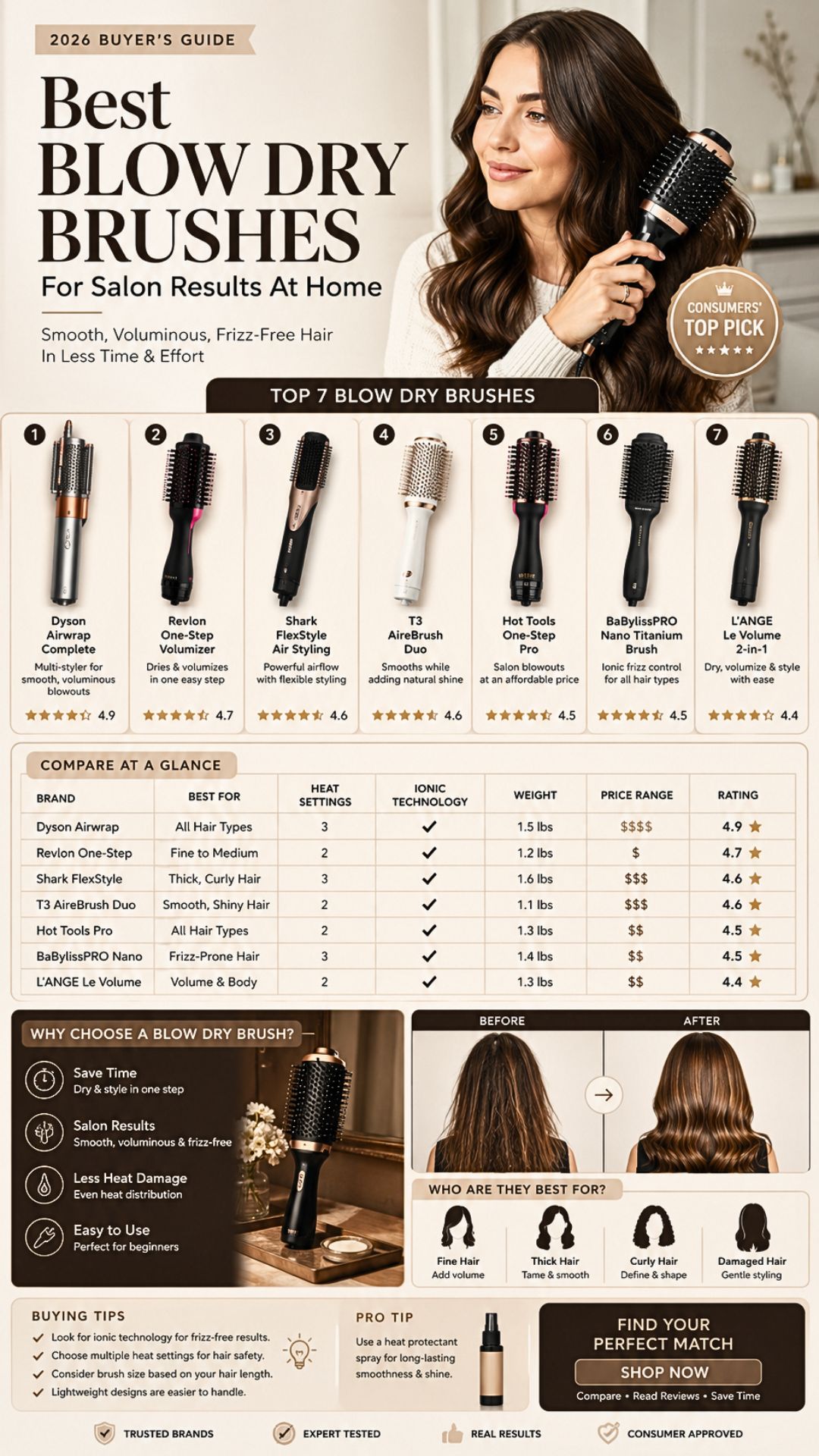
See the best tools for this look by pairing a quality protectant with ceramic styling tools.
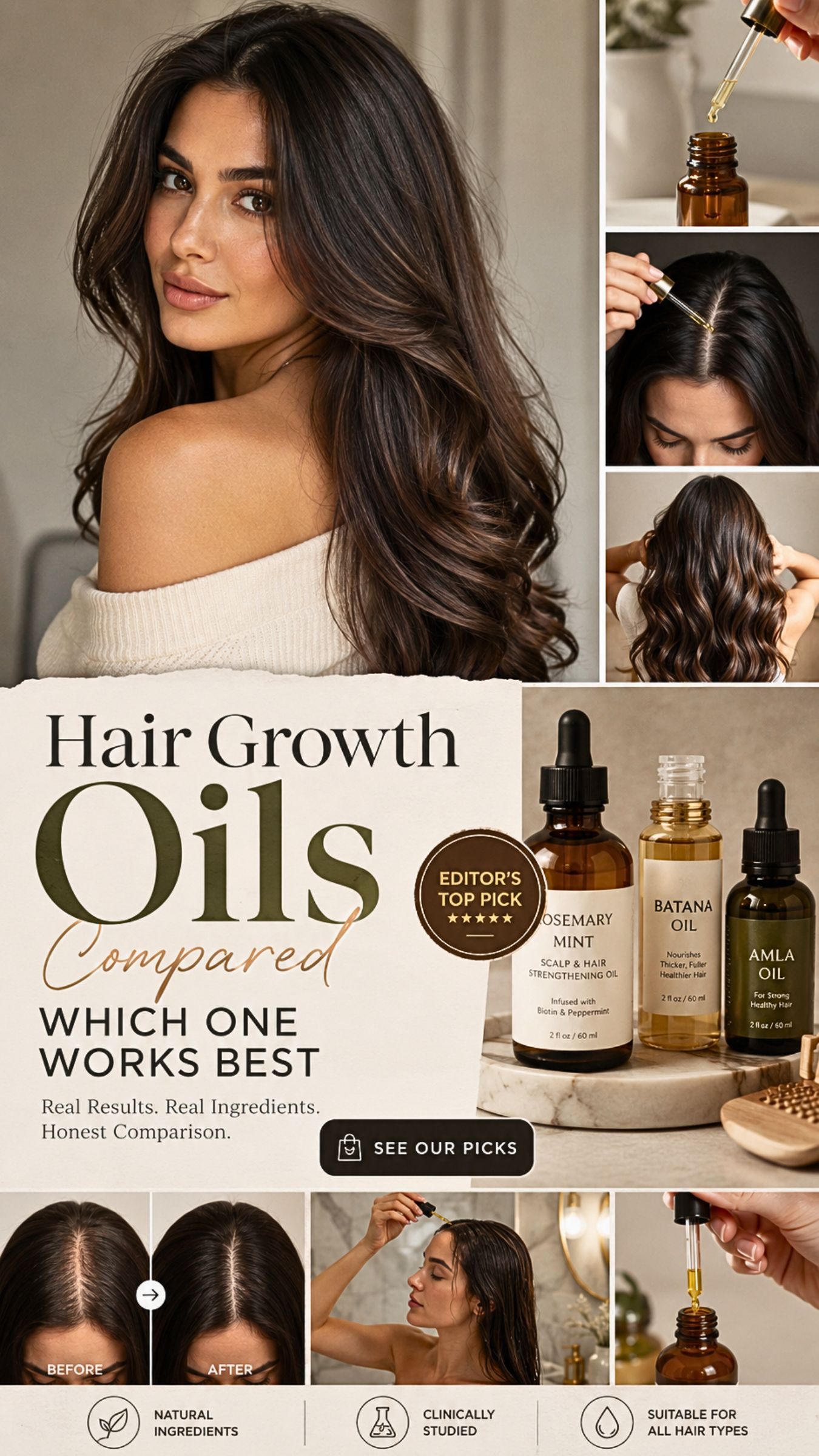
Hair Oil
Hair oils work best on the mid-lengths and ends.
A few drops can:
- Reduce frizz
- Add shine
- Smooth flyaways
- Improve softness
Avoid using too much, especially on fine hair.
Wide-Tooth Comb
Wet hair stretches easily.
A wide-tooth comb gently removes tangles with less pulling than many brushes.
This simple tool helps prevent unnecessary breakage.
Simple Hair Care Routine Table
| Day | Focus | Main Goal | Helpful Products |
|---|---|---|---|
| Monday | Shampoo and conditioner | Clean hair and scalp | Gentle shampoo, conditioner |
| Tuesday | Heat-free styling | Reduce damage | Leave-in conditioner |
| Wednesday | Deep conditioning | Restore moisture | Hair mask |
| Thursday | Scalp massage | Healthy scalp | Scalp serum, scalp massager |
| Friday | Styling protection | Prevent heat damage | Heat protectant spray |
| Saturday | Refresh hair | Extend wash days | Dry shampoo, lightweight hair oil |
| Sunday | Overnight care | Reduce friction | Satin pillowcase, silk scrunchie |
Healthy Hair Habits That Make a Big Difference
Sometimes the smallest habits have the biggest impact.
Brush Gently
Start at the ends and slowly work upward.
This reduces pulling and helps prevent breakage.
Avoid Tight Hairstyles
Very tight ponytails and buns create constant tension on the hair roots.
Choose softer hairstyles whenever possible.
Trim Regularly
Hair doesn’t need monthly trims, but removing split ends every few months helps keep hair looking healthier.
Eat a Balanced Diet
Hair needs nutrients just like the rest of your body.
Protein, iron, zinc, healthy fats, vitamin D, and biotin all support healthy hair growth.
Drink Enough Water
Hydration supports your scalp and overall hair health.
Dry, brittle hair may sometimes improve when your body is properly hydrated.
Common Hair Care Mistakes to Avoid
Even good products cannot fully help if your habits damage your hair.
Avoid these common mistakes:
- Washing hair with very hot water
- Using too much shampoo
- Skipping conditioner
- Brushing soaking wet hair roughly
- Using heat tools every day
- Forgetting heat protectant
- Sleeping with wet hair regularly
- Using heavy oils on fine hair
- Ignoring scalp health
- Waiting too long before trimming split ends
Changing just one or two of these habits can noticeably improve your hair over several weeks.
How Long Before You See Results?
Hair care requires patience.
Many people notice softer hair after just one or two weeks of following a consistent routine.
Reduced breakage often becomes noticeable within a month or two.
Long-term improvements in overall hair strength and appearance usually develop over several months of consistent care.
The goal isn’t instant perfection. It’s healthier hair that continues improving week after week.
Easy Tips for Busy Weeks
Life gets busy, but you can still take care of your hair.
Keep these shortcuts in mind:
- Use dry shampoo between washes.
- Sleep on a satin pillowcase.
- Apply leave-in conditioner after every wash.
- Air dry whenever possible.
- Carry a wide-tooth comb in your bag.
- Use a silk scrunchie instead of tight elastic bands.
- Deep condition while relaxing at home once a week.
These simple habits take only a few minutes but help protect your hair every day.
Choosing Products Without Wasting Money
Buying expensive products doesn’t always mean better results.
Instead, focus on products that fit your hair type and concerns.
If your hair is dry, invest in a rich conditioner and a nourishing mask. If you use heat often, make a quality heat protectant your priority. For oily hair, choose a lightweight shampoo that cleans without making your scalp feel stripped.
Reading ingredient lists can also help. Look for moisturizing ingredients, strengthening proteins, and formulas made for your specific hair needs rather than chasing every new trend.
If you’re ready to upgrade your routine, shop the look by choosing a few trusted essentials instead of filling your bathroom with products you may never use.
Final Thoughts
Healthy hair isn’t created by one miracle product. It’s built through consistent care, gentle habits, and products that suit your hair type. A simple weekly Hair Care Routine can help reduce breakage, improve shine, support a healthy scalp, and make styling much easier over time.
Start with the basics: cleanse gently, condition every wash, use a weekly hair mask, protect your hair from heat, and give it time to recover between styling sessions. Small changes often lead to the biggest improvements.
If you’re looking to make your routine even easier, check the recommended styling tools, try a nourishing hair mask, or invest in a quality heat protectant. The right products won’t do all the work for you, but they can help you recreate healthy, beautiful hair at home with less effort and more confidence.