Before And After Using Hair Oils On Dry Damaged Hair

Dry, damaged hair can feel rough, dull, and hard to manage. Heat styling, coloring, sun exposure, and even harsh shampoos can slowly strip away moisture. That is where Hair Oils can make a real difference. When used the right way, they help lock in hydration, reduce frizz, add shine, and protect fragile strands from further damage.
If you have ever wondered whether hair oil is worth adding to your routine, this guide walks you through the real before-and-after experience. You’ll also learn how to choose the right oil, apply it correctly, avoid common mistakes, and find products that fit your hair type without wasting money.
What Happens to Dry Damaged Hair?
Before you can fix dry hair, it helps to understand why it happens.
Healthy hair has a protective outer layer called the cuticle. When this layer becomes damaged, moisture escapes more easily. As a result, hair starts to feel rough, brittle, and tangled.
Common causes include:
- Frequent heat styling
- Hair bleaching or coloring
- Sun exposure
- Chlorine and salt water
- Washing too often
- Using harsh shampoos
- Lack of deep conditioning
Hair oils cannot permanently repair damaged hair because hair is no longer living tissue. However, they can improve the look and feel of your hair while helping prevent additional damage.
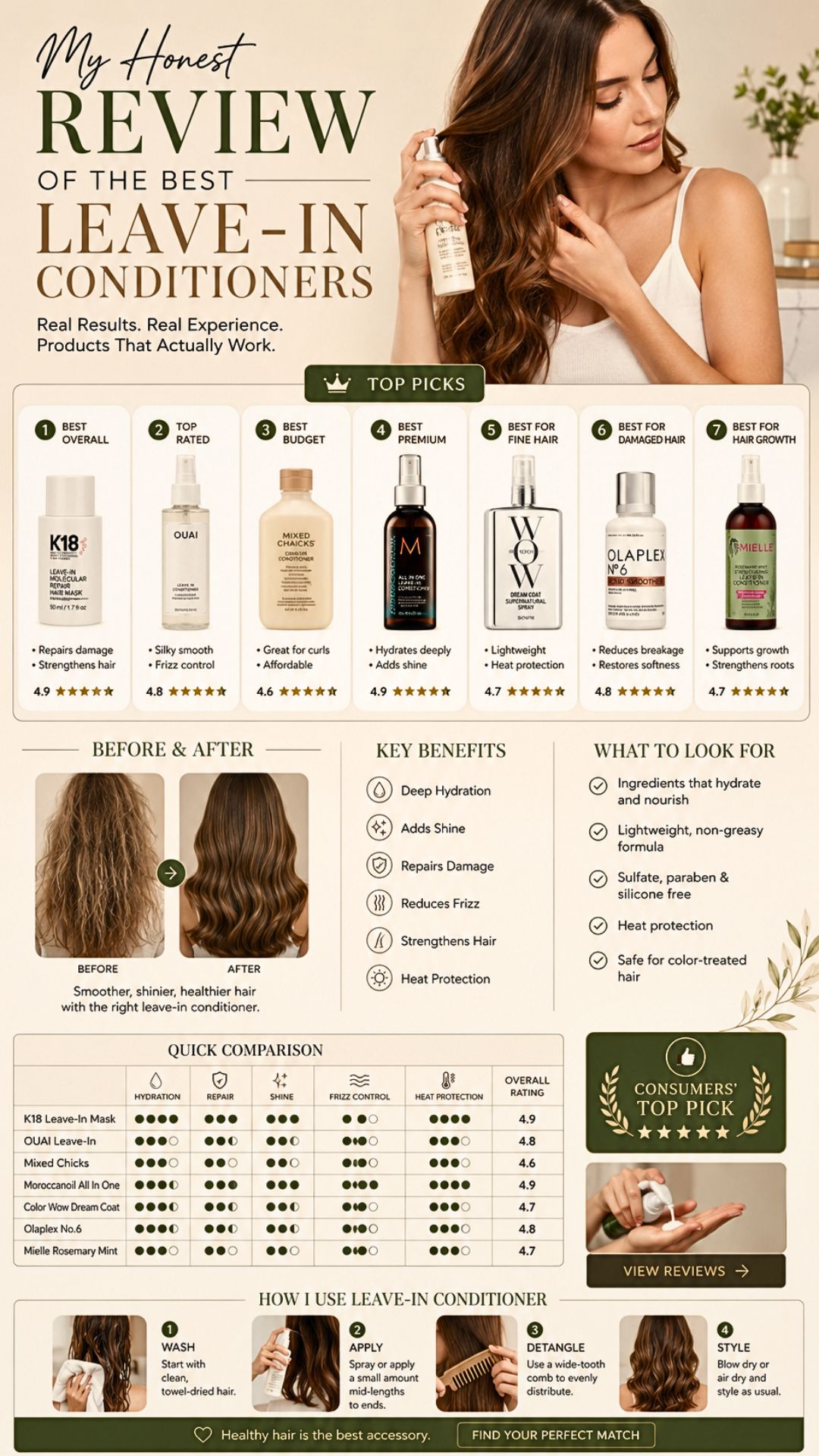
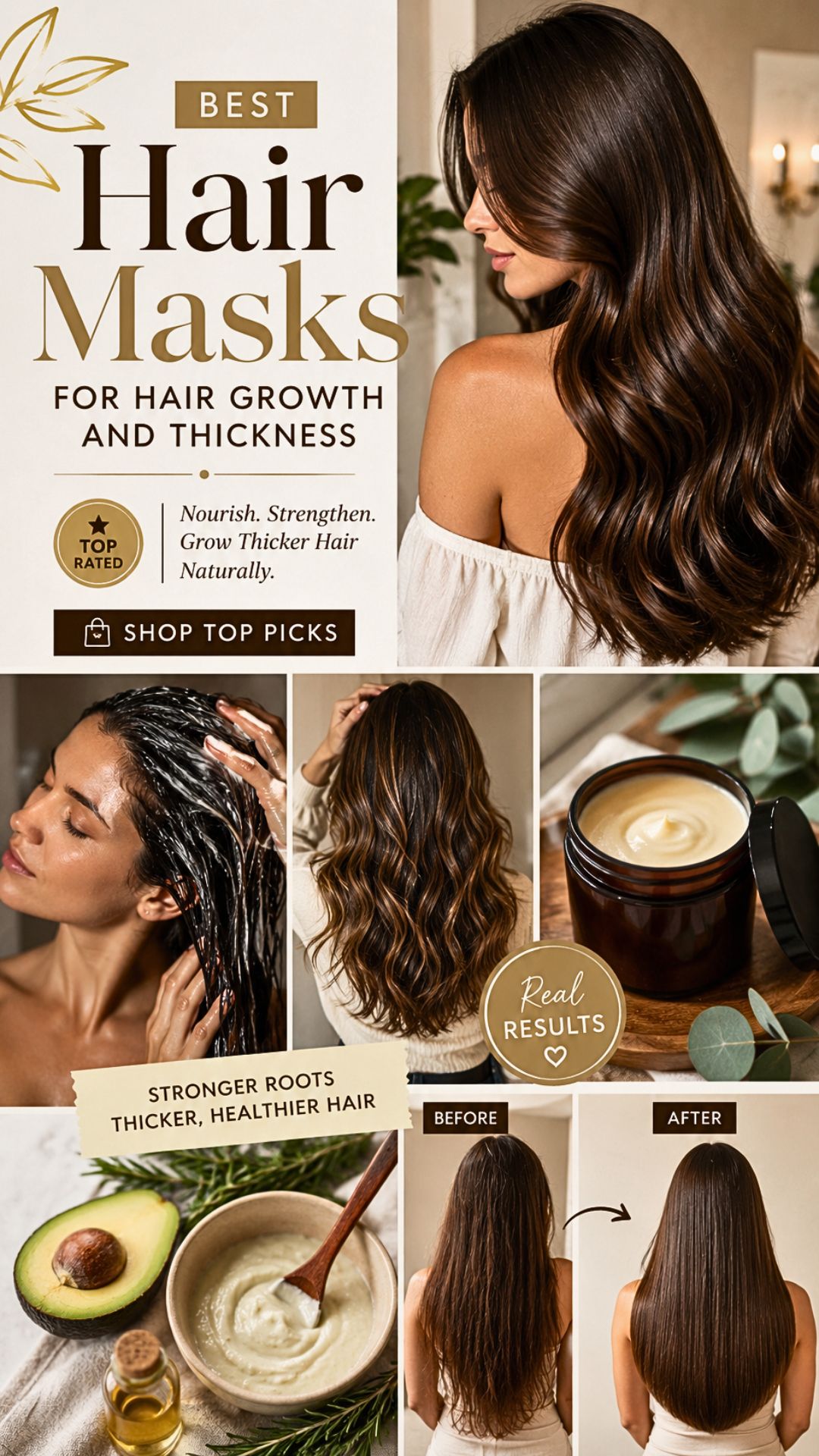
Before Using Hair Oils
Many people notice similar problems before starting a regular hair oil routine.
Hair Feels Rough
Instead of feeling soft, the ends may feel dry and scratchy. Running your fingers through your hair can be difficult because strands catch on each other.
Constant Frizz
Dry hair struggles to stay smooth. Even after styling, frizz often appears within a few hours.
Split Ends
Weak hair ends split more easily. Although oil cannot seal split ends permanently, it can reduce their appearance until your next trim.
Dull Appearance
Healthy hair reflects light. Dry hair scatters light, making it look lifeless and faded.
More Breakage
Without enough moisture, strands become less flexible. Hair may snap while brushing or styling.
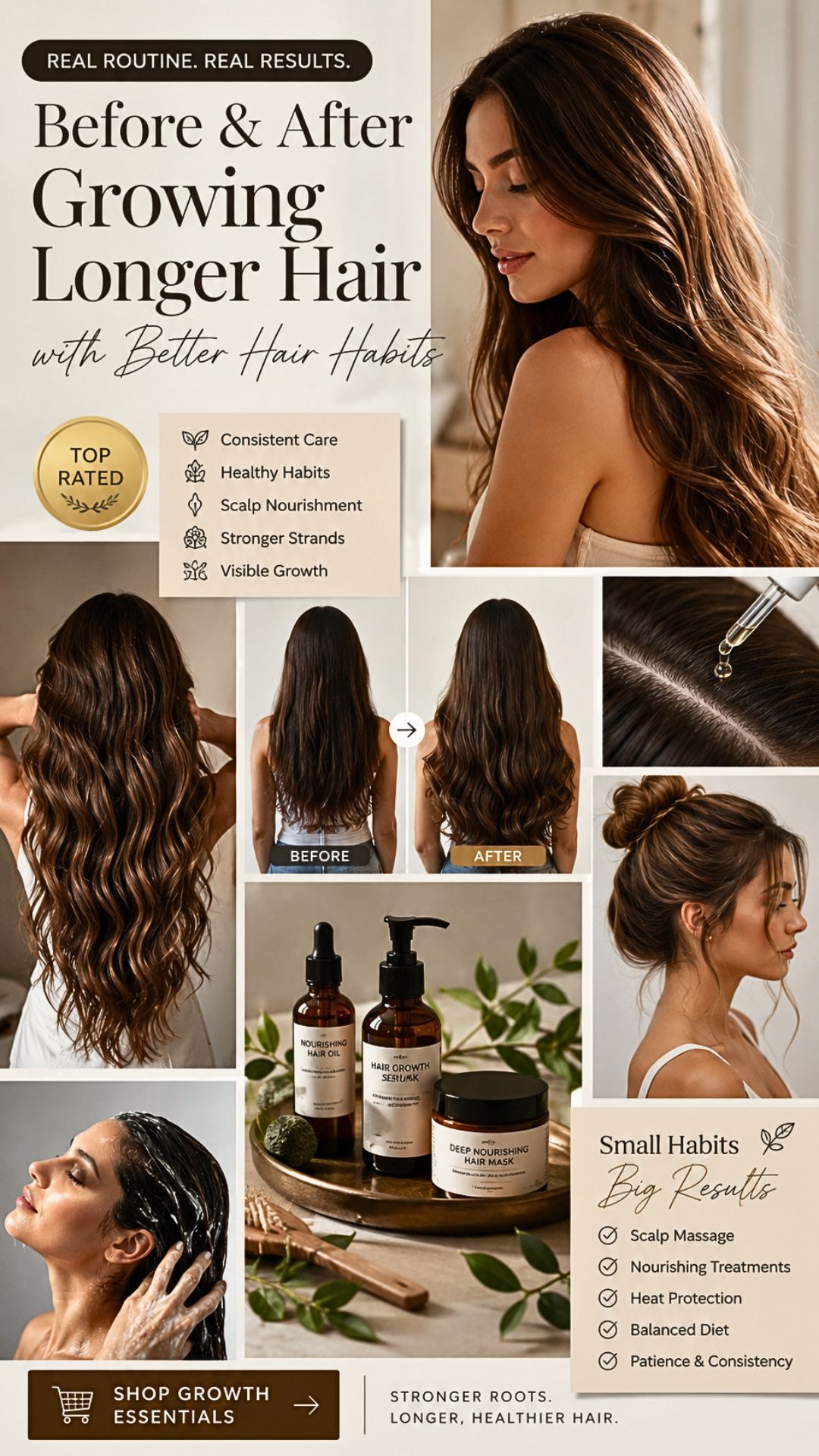
After Using Hair Oils Consistently
Many people begin noticing changes after several weeks of consistent use. The results depend on the oil you choose, your hair type, and how damaged your hair is.
Softer Hair
One of the first improvements is softness. Oils coat the hair shaft, helping it feel smoother throughout the day.
Better Shine
Natural oils create a smoother surface that reflects light better. Hair often appears healthier without looking greasy when the correct amount is used.
Less Frizz
Hair oils help trap moisture inside the hair, making strands less likely to puff up in humid weather.
Easier Detangling
Smooth strands slide past one another more easily. This reduces tugging during brushing and lowers the risk of breakage.
Healthier Looking Ends
Although split ends still need trimming, oils help the ends look smoother between salon visits.
Better Heat Protection
Some oils can provide a light protective layer before blow drying or styling when used with a dedicated heat protectant.
Realistic Before And After Timeline
| Time | What You May Notice |
|---|---|
| First Use | Softer texture and added shine |
| One Week | Less frizz and easier brushing |
| Two to Four Weeks | Hair feels more hydrated and manageable |
| One to Two Months | Less breakage, smoother ends, healthier overall appearance |
| Long Term | Hair becomes easier to style with consistent care |
Remember that consistency matters more than using large amounts of product.
Choosing the Right Hair Oil for Your Hair Type
Not every oil works the same way. Picking one that matches your hair type often leads to better results.
Argan Oil
Argan oil is lightweight and rich in vitamin E.
Best for:
- Dry hair
- Frizzy hair
- Color-treated hair
- Fine to medium hair
It adds shine without making hair feel overly heavy.
Coconut Oil
Coconut oil penetrates the hair better than many other oils, making it popular for deep treatments.
Best for:
- Thick hair
- Coarse hair
- Very dry hair
People with fine hair may find it too heavy for daily use.
Jojoba Oil
Jojoba oil closely resembles the scalp’s natural oil.
Best for:
- Oily scalp
- Sensitive scalp
- Fine hair
It provides moisture without leaving a thick coating.
Avocado Oil
Rich in fatty acids and vitamins, avocado oil is excellent for very dry strands.
Best for:
- Thick hair
- Curly hair
- Damaged hair
Rosemary Oil
Rosemary essential oil is often used after being diluted with a carrier oil.
Best for:
- Scalp care
- Supporting a healthy hair care routine
Always dilute essential oils before applying them to the scalp.
How to Apply Hair Oil the Right Way
Using hair oil correctly makes a big difference.
Step 1: Start With a Small Amount
Most people need only a few drops.
Fine hair:
2–3 drops
Medium hair:
3–5 drops
Thick hair:
5–8 drops
You can always add more if needed.
Step 2: Warm the Oil
Rub the oil between your palms.
This spreads it more evenly through your hair.
Step 3: Focus on the Mid-Lengths and Ends
The driest part of your hair is usually the ends.
Apply most of the oil there first.
Step 4: Avoid the Roots Unless Needed
If your scalp is already oily, keep oil away from the roots.
For scalp treatments, massage gently using a small amount.
Step 5: Style as Usual
Hair should feel smooth, not greasy.
If your hair looks oily, you probably used too much.
Weekly Hair Oil Routine for Dry Hair
Following a simple routine helps you stay consistent.
Once a Week
Apply a nourishing oil treatment before washing.
Leave it on for 30 minutes or overnight if your hair tolerates it well.
Wash Gently
Use a moisturizing shampoo followed by a rich conditioner.
Midweek
Apply a few drops of lightweight oil to dry ends.
Daily
Use only a tiny amount if your hair becomes frizzy throughout the day.
Small amounts work better than heavy applications.
Products That Pair Well With Hair Oils
Hair oil works best as part of a complete routine.
Consider combining it with:
- Sulfate-free shampoo
- Hydrating conditioner
- Weekly hair mask
- Leave-in conditioner
- Heat protectant spray
- Wide-tooth comb
- Silk pillowcase
- Microfiber towel
Together, these products help reduce moisture loss and minimize damage.
Recommended Hair Oils Worth Trying
Many quality products work well for different hair needs.
| Product Type | Best For | Main Benefit |
|---|---|---|
| Argan Oil Serum | Fine and frizzy hair | Lightweight shine |
| Coconut Hair Oil | Thick dry hair | Deep nourishment |
| Jojoba Oil Blend | Oily scalp | Balanced moisture |
| Avocado Oil Treatment | Curly hair | Softness and hydration |
| Multi-Oil Repair Serum | Damaged ends | Everyday smoothing |
When shopping, look for products with simple ingredient lists and fewer unnecessary fillers.
Soft affiliate tip: If you’re building a new routine, check the recommended styling tools and nourishing oils together. A quality brush, microfiber towel, and a lightweight oil often make styling easier while helping reduce breakage over time.
Common Mistakes That Reduce Results
Even the best oil cannot work well if it is used incorrectly.
Using Too Much
More oil does not mean better results.
Heavy applications can leave hair greasy and difficult to wash.
Applying Only Before Special Events
Hair care works best through regular habits.
Using oil once every few months will not deliver noticeable long-term improvements.
Skipping Conditioner
Hair oil locks in moisture.
Conditioner helps add moisture after shampooing.
Both products serve different purposes.
Ignoring Heat Damage
Hair oil alone cannot protect against very high styling temperatures.
Always use a dedicated heat protectant before curling or straightening your hair.
Never Trimming Split Ends
Split ends continue traveling upward.
Regular trims help your hair look healthier while preventing further splitting.
Signs Your Hair Oil Is Working
Instead of expecting overnight changes, look for these small improvements.
- Hair feels softer after washing.
- Brushing becomes easier.
- Frizz appears less often.
- Hair looks shinier in natural light.
- Ends feel smoother.
- Styling takes less time.
- Hair breaks less during brushing.
- Curls look more defined.
- Hair stays manageable longer.
These gradual improvements usually add up over several weeks.
Extra Tips for Healthier Hair
Hair oils are helpful, but they work even better when combined with healthy habits.
Try these simple changes:
- Wash hair with lukewarm instead of hot water.
- Limit heat styling during the week.
- Sleep on a silk or satin pillowcase.
- Trim damaged ends every few months.
- Use a wide-tooth comb on wet hair.
- Deep condition weekly.
- Protect hair from strong sunlight.
- Drink enough water and eat a balanced diet rich in protein and healthy fats.
Small changes often make a bigger difference than buying multiple expensive products.
Hair Oil Routine for Different Hair Types
| Hair Type | Best Oil | How Often |
|---|---|---|
| Fine Hair | Argan or jojoba | 2–3 times per week |
| Thick Hair | Coconut or avocado | 3–4 times per week |
| Curly Hair | Avocado or argan | Every wash day plus as needed |
| Color-Treated Hair | Argan | After every wash |
| Frizzy Hair | Lightweight serum blend | Daily on the ends if needed |
Is Hair Oil Enough to Repair Damage?
Hair oil is an excellent support product, but it is not a complete solution.
Think of it as part of a healthy hair care routine rather than a miracle fix. Combining oil with gentle cleansing, conditioning, regular trims, and heat protection gives you the best chance of seeing healthier-looking hair over time.
If your hair has severe chemical damage, patience is important. Healthy new growth combined with good daily care will gradually replace the damaged sections.
Final Thoughts
The before-and-after difference of using Hair Oils on dry, damaged hair is often less about dramatic overnight change and more about steady improvement. With consistent use, many people notice softer texture, smoother ends, reduced frizz, and a healthier shine. While oils cannot permanently repair split ends or reverse severe damage, they can make hair easier to manage and help protect it from future stress.
The key is choosing the right oil for your hair type, using only a small amount, and making it part of a balanced routine. Pair your favorite oil with a gentle shampoo, a hydrating conditioner, and a quality heat protectant for the best results.
If you’re ready to upgrade your hair care routine, shop the look by exploring lightweight hair oils, nourishing treatments, and styling tools that match your hair type. A few well-chosen products can make everyday styling easier and help your hair look healthier with every wash.