This Hair Mask Completely Changed My Dry Hair
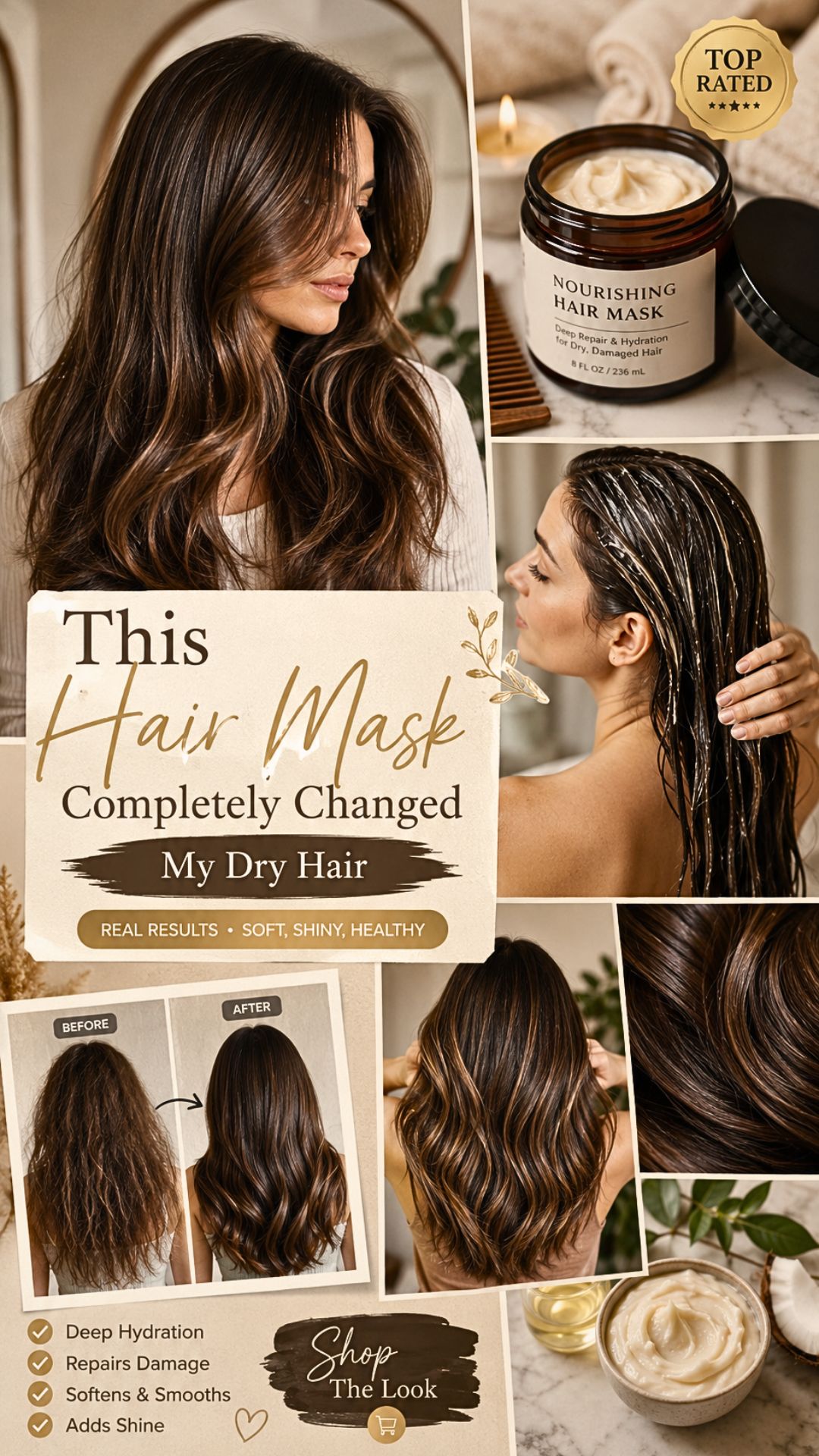
Dry hair used to be my biggest hair struggle. No matter how much conditioner I used, my ends still felt rough, my hair looked dull, and styling became harder every week. Heat tools, weather changes, and frequent washing slowly took away the softness I wanted.
Everything changed when I started using a Hair Mask as part of my weekly routine. I didn’t see magic overnight, but after a few weeks, my hair felt smoother, looked shinier, and became much easier to manage. If your hair also feels dry, brittle, or lifeless, adding the right hair mask could become one of the best changes you make to your routine.
In this guide, I’ll share what worked for me, how to use a hair mask properly, what ingredients to look for, and how to choose the best products without wasting money.
Why Dry Hair Needs More Than Conditioner
Many people think conditioner is enough. While conditioner helps smooth the outside of the hair after every wash, it doesn’t always provide the deeper moisture that dry hair needs.
A good Hair Mask is designed to stay on the hair longer. This gives nourishing ingredients more time to soften rough strands and improve overall hair health.
Dry hair often happens because of:
- Frequent heat styling
- Hair coloring or bleaching
- Sun exposure
- Hard water
- Cold or dry weather
- Overwashing
- Using harsh shampoos
When moisture keeps leaving the hair, it starts looking rough and frizzy. That’s where a weekly deep treatment makes a noticeable difference.
My Hair Before Using a Hair Mask
Before adding a weekly mask, my hair had several problems at the same time.
It felt dry from the middle to the ends. Brushing caused more breakage than I liked. Even after styling, the shine disappeared within hours.
Some days it looked healthy indoors, but outside it became frizzy almost immediately. My ponytail felt thin because broken hairs kept snapping off.
I realized I wasn’t giving my hair enough moisture between washes.
What Changed After a Few Weeks
I kept my expectations realistic. Hair products usually need consistency.
After about three weeks of using a nourishing hair mask once each week, I noticed several improvements.
- Hair felt softer after drying.
- Frizz became easier to control.
- Ends looked smoother.
- Hair brushed more easily.
- Styling lasted longer.
- Hair looked healthier in natural light.
The biggest surprise was how much easier it became to style my hair every morning.
What Makes a Good Hair Mask?
Not every product works the same way.
The best hair masks usually contain ingredients that help restore moisture while protecting damaged strands.
Look for ingredients like:
- Shea butter
- Argan oil
- Coconut oil
- Avocado oil
- Glycerin
- Aloe vera
- Jojoba oil
- Panthenol
- Ceramides
- Hydrolyzed proteins
If your hair is extremely dry, richer ingredients often work better than lightweight formulas.
If your hair is fine, choose a lightweight moisturizing mask that won’t weigh your hair down.
Different Hair Types Need Different Hair Masks
Choosing the right product matters just as much as using one regularly.
| Hair Type | Best Hair Mask Type | Benefits |
|---|---|---|
| Dry Hair | Deep moisturizing mask | Restores softness |
| Curly Hair | Rich hydrating mask | Defines curls and reduces frizz |
| Color-Treated Hair | Color-safe repairing mask | Protects color while adding moisture |
| Fine Hair | Lightweight moisture mask | Hydrates without flattening hair |
| Thick Hair | Intensive repair mask | Softens heavy strands |
| Damaged Hair | Protein and moisture balance | Helps reduce breakage |
How I Use My Hair Mask Every Week
Using a mask correctly made a bigger difference than simply buying one.
Here’s the routine I now follow.
Step 1: Wash First
I shampoo my hair to remove oil and product buildup.
Clean hair absorbs nourishing ingredients much better.
Step 2: Remove Extra Water
I gently squeeze out excess water with a towel.
Hair should be damp, not dripping wet.
Step 3: Apply the Hair Mask
I focus mainly on the middle lengths and ends.
These areas usually need the most moisture.
Unless the instructions say otherwise, I avoid putting thick masks directly on my scalp.
Step 4: Leave It On
I let the mask sit for around 10 to 20 minutes.
Sometimes I wrap my hair in a warm towel to help the treatment feel even more nourishing.
Step 5: Rinse Well
I rinse thoroughly with cool or lukewarm water.
After drying, my hair feels much smoother.
My Favorite Habits That Made the Biggest Difference
The mask helped, but other small habits supported healthier hair too.
These changes worked together.
- Reduced heat styling.
- Used heat protectant before blow drying.
- Trimmed split ends regularly.
- Switched to a microfiber towel.
- Slept on a satin pillowcase.
- Avoided very hot water.
- Brushed gently from the ends upward.
- Used a leave-in conditioner on dry days.
None of these habits felt difficult, but together they improved my results.
Ingredients I Now Avoid
Some products made my hair feel soft at first but dry later.
Now I try to avoid formulas that contain large amounts of:
- Drying alcohols
- Excess fragrance if my scalp feels sensitive
- Heavy waxes that create buildup
- Ingredients that don’t match my hair type
Simple, nourishing formulas often perform better over time.
Common Mistakes That Can Keep Hair Dry
Many people use a hair mask but still don’t see much improvement.
Here are some common reasons.
Using Too Much Product
More product doesn’t always mean better results.
Hair only absorbs so much moisture.
Skipping Regular Use
One treatment every few months won’t change much.
Weekly consistency matters more than occasional use.
Applying Only to the Surface
Work the product through all the dry sections instead of coating just the outer layer.
Washing It Out Too Quickly
Most masks need time to work.
Always follow the directions on the label.
Using Too Much Heat
Even the best deep conditioner can’t fully protect hair from constant high temperatures.
Reducing heat helps maintain results.
My Favorite Types of Hair Masks
Different situations call for different products.
Hydrating Masks
Perfect for dry, dull hair that needs extra moisture.
Repair Masks
Great for chemically treated or heat-damaged hair.
Protein Masks
Useful when hair feels weak and stretches too much before breaking.
Overnight Masks
Ideal for very dry hair that needs longer treatment.
Lightweight Moisture Masks
Excellent for fine hair that becomes flat easily.
Hair Mask vs Conditioner
Many people wonder if both products are necessary.
| Conditioner | Hair Mask |
|---|---|
| Used after every wash | Usually used once a week |
| Quick treatment | Deep treatment |
| Smooths hair | Deeply moisturizes hair |
| Short contact time | Longer contact time |
| Everyday care | Intensive care |
I still use conditioner every wash, but the weekly mask gives my hair the extra moisture it needs.
Product Recommendations Worth Looking At
Finding the right product depends on your hair type, but a few categories consistently perform well.
If your hair feels rough and dry, look for deeply hydrating masks with natural oils and butters.
If your hair has been colored or bleached, choose repairing formulas that balance moisture with strengthening ingredients.
If your hair is fine, lightweight masks can provide hydration without making it greasy.
When shopping, read ingredient lists instead of focusing only on marketing claims.
If you’re ready to upgrade your routine, check the recommended styling tools and moisturizing treatments that match your hair type. Choosing products designed for your specific needs often leads to better long-term results than buying the most popular option.
Small Lifestyle Changes That Help Hair Stay Soft
The best products work even better when paired with healthy habits.
Try these simple tips:
- Drink enough water throughout the day.
- Eat foods rich in healthy fats.
- Protect hair from direct sunlight.
- Wear a swim cap in chlorinated pools.
- Avoid brushing soaking wet hair roughly.
- Use gentle hair ties.
- Wash hair only as often as needed.
- Deep condition consistently.
Healthy hair usually comes from small habits repeated over time.
Signs Your Hair Mask Is Working
Results usually appear gradually.
You may notice:
- Less frizz
- More shine
- Softer texture
- Easier brushing
- Better curl definition
- Fewer split ends
- Less breakage
- Hair feels smoother between washes
Progress doesn’t happen overnight, but steady care often brings lasting improvements.
Is an Expensive Hair Mask Always Better?
Not necessarily.
Some affordable products perform just as well as luxury treatments because they contain many of the same moisturizing ingredients.
Instead of focusing only on price, consider:
- Your hair type
- Ingredient quality
- Product texture
- How often you’ll use it
- Whether it solves your specific problem
Consistency often matters more than buying the most expensive option.
My Weekly Hair Care Routine
This simple routine helped me maintain healthier-looking hair.
| Day | Routine |
|---|---|
| Wash Day | Shampoo, conditioner |
| Once Weekly | Deep moisturizing hair mask |
| Styling Days | Heat protectant before styling |
| Daily | Hair oil or leave-in conditioner on dry ends if needed |
| Every 8–10 Weeks | Trim split ends |
Keeping the routine simple made it easier to stay consistent.
Final Thoughts
Dry hair rarely changes after just one wash, but consistent care can make a noticeable difference over time. For me, adding a Hair Mask once a week helped restore softness, reduce frizz, and make daily styling much easier.
The biggest lesson I learned is that healthy hair isn’t about using dozens of products. It’s about choosing the right ones and using them regularly. A nourishing mask, gentle hair habits, and a little patience can go a long way.
If you’re building a better hair care routine, consider trying a quality hair mask that suits your hair type. You can also shop the look by pairing it with a gentle shampoo, a lightweight leave-in conditioner, and heat-protecting styling tools. Small improvements in your routine today can help your hair feel softer, healthier, and easier to manage in the weeks ahead.