Best Hair Growth Oils Backed By Real Results
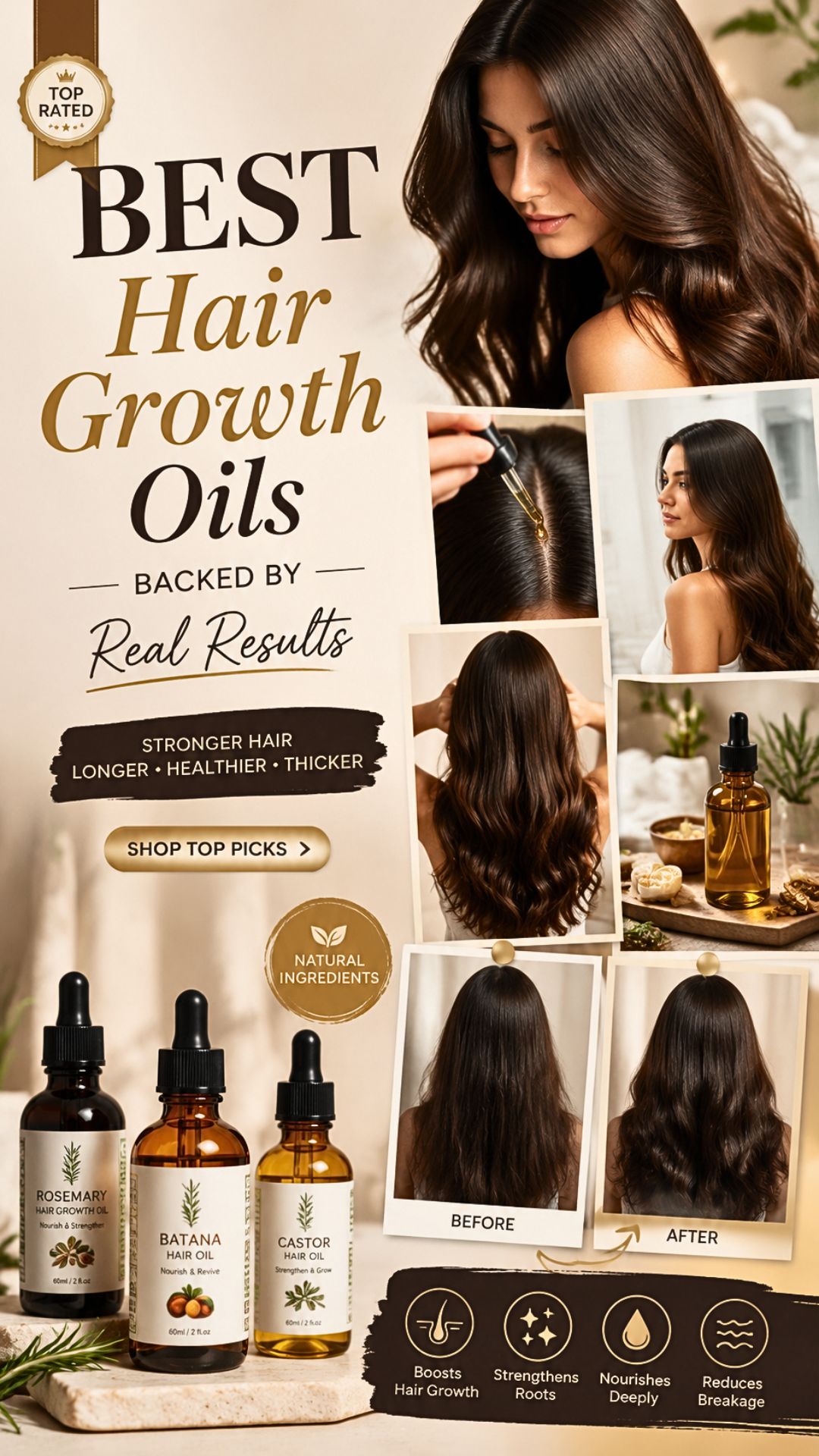
If you have been looking for a simple way to support healthier, fuller-looking hair, you have probably heard about Hair Growth Oils. These oils have become a popular part of many hair care routines because they help nourish the scalp, reduce dryness, and improve the overall condition of the hair.
The truth is that no oil can magically make hair grow overnight. Hair growth depends on many things, including genetics, health, nutrition, and scalp care. However, the right hair oil can create a healthier environment for your scalp, reduce breakage, lock in moisture, and help your hair reach its full growth potential. This guide covers the best oils backed by research, real user experiences, and years of beauty industry use.
Why Hair Oils Matter for Healthy Hair Growth
Healthy hair starts with a healthy scalp. Think of your scalp as the soil in a garden. If the soil is dry, irritated, or clogged, it becomes harder for healthy plants to grow. The same idea applies to your hair.
Hair oils can help by:
- Moisturizing a dry scalp
- Reducing hair breakage
- Adding shine
- Protecting hair from damage
- Calming scalp irritation
- Supporting stronger hair strands
While oils do not change your genetics, they can help you keep more of the hair you naturally grow by preventing unnecessary damage.
What Makes a Good Hair Growth Oil?
Not every oil works the same way. Some are lightweight and absorb quickly, while others are thicker and work better as overnight treatments.
A quality hair growth oil should have:
- Natural nourishing ingredients
- Vitamins and antioxidants
- Lightweight or balanced texture
- No heavy mineral oil fillers
- Good reviews from real users
- Suitable ingredients for your hair type
Some products also include herbal extracts and essential oils that may support scalp health.
Best Hair Growth Oils Worth Trying
1. Rosemary Oil
Rosemary oil has become one of the most talked-about natural oils for hair care. Several studies have suggested it may support healthy hair growth when used consistently.
Many people like rosemary oil because it:
- Encourages scalp circulation
- Helps reduce scalp dryness
- Supports thicker-looking hair over time
- Works well with carrier oils
Mix a few drops with jojoba or coconut oil before applying it to your scalp.
Best for:
- Fine hair
- Early thinning
- Normal scalp
2. Castor Oil
Castor oil has been a beauty favorite for generations. Although there is limited scientific proof that it directly speeds up hair growth, many users notice less breakage and healthier-looking hair.
Benefits include:
- Deep moisture
- Thick protective coating
- Softer hair
- Reduced split ends
Because castor oil is very thick, mixing it with a lighter oil makes it easier to apply.
Best for:
- Dry hair
- Damaged ends
- Protective hairstyles
3. Coconut Oil
Coconut oil is one of the most researched oils for protecting hair. It helps reduce protein loss before and after washing, making hair stronger over time.
Why people love it:
- Reduces breakage
- Adds softness
- Helps prevent dryness
- Works well as a pre-shampoo treatment
If your hair feels rough after washing, coconut oil may become your favorite weekly treatment.
Best for:
- Thick hair
- Curly hair
- Damaged hair
4. Argan Oil
Known as “liquid gold,” argan oil is packed with vitamin E and healthy fatty acids.
Its biggest strengths include:
- Lightweight hydration
- Smoother hair
- Better shine
- Less frizz
Argan oil works especially well for people who want healthy hair without a greasy feeling.
Best for:
- Fine hair
- Color-treated hair
- Daily styling
5. Jojoba Oil
Jojoba oil closely resembles the natural oil your scalp produces. Because of this, it absorbs easily without leaving heavy buildup.
Benefits include:
- Balances oily scalps
- Moisturizes dry skin
- Softens hair
- Supports healthy scalp care
Many people use jojoba oil as the base for homemade hair oil blends.
Best for:
- Sensitive scalp
- Oily hair
- Everyday use
6. Pumpkin Seed Oil
Pumpkin seed oil has gained attention because of research exploring its potential role in supporting hair thickness.
People choose it because it:
- Contains plant sterols
- Provides antioxidants
- Nourishes the scalp
- Supports healthy hair maintenance
It can be used as a scalp treatment or found in ready-made hair serums.
Best for:
- Thinning hair
- Mature hair
- Weekly treatments
7. Black Seed Oil
Black seed oil has been used in traditional beauty routines for centuries.
It may help by:
- Soothing irritated scalps
- Adding moisture
- Supporting stronger strands
- Improving overall scalp condition
Many commercial hair oils combine black seed oil with rosemary and peppermint.
Best for:
- Dry scalp
- Curly hair
- Protective styles
8. Peppermint Oil
Peppermint oil creates a refreshing cooling feeling on the scalp. Some early research suggests it may help support healthy hair follicles.
Always dilute peppermint oil before use.
Best for:
- Oily scalp
- Weekly scalp massage
- Combination hair
Comparing Popular Hair Growth Oils
| Hair Oil | Best For | Texture | Main Benefit |
|---|---|---|---|
| Rosemary Oil | Thinning hair | Light | Supports healthy scalp |
| Castor Oil | Dry hair | Thick | Reduces breakage |
| Coconut Oil | Damaged hair | Medium | Prevents protein loss |
| Argan Oil | Frizzy hair | Light | Adds shine |
| Jojoba Oil | Sensitive scalp | Very light | Balances scalp oils |
| Pumpkin Seed Oil | Mature hair | Medium | Nourishes follicles |
| Black Seed Oil | Dry scalp | Medium | Moisturizes scalp |
| Peppermint Oil | Oily scalp | Light | Refreshes scalp |
How to Use Hair Growth Oils Correctly
Using oil the right way matters just as much as choosing the right one.
Step 1: Start with a Clean Scalp
Apply oil to a scalp that is free from heavy product buildup. This helps the ingredients reach your skin more easily.
Step 2: Use Only a Small Amount
A little goes a long way. Too much oil can leave your scalp greasy and may require extra shampooing.
Step 3: Massage Gently
Use your fingertips to massage the oil into your scalp for five to ten minutes.
Scalp massage may also help improve circulation and create a relaxing self-care routine.
Step 4: Leave It On
Depending on the product, leave it on for:
- 30 minutes before washing
- Overnight treatment
- A few hours before shampooing
Always follow the directions if using a commercial product.
Step 5: Wash Thoroughly
Use a gentle shampoo to remove excess oil without stripping away moisture.
Build a Weekly Hair Growth Routine
Instead of relying only on one product, build a routine that supports healthy hair.
A simple weekly routine might look like this:
Monday
Light scalp massage with rosemary oil.
Wednesday
Use a moisturizing conditioner and avoid excessive heat styling.
Friday
Apply coconut oil before washing your hair.
Sunday
Deep treatment with castor oil mixed with jojoba oil.
Consistency usually matters more than using large amounts of oil.
Styling Habits That Help Hair Grow Longer
Healthy habits can protect the hair you already have.
Try these tips:
- Sleep on a satin pillowcase.
- Avoid very tight ponytails.
- Trim split ends regularly.
- Limit heat styling.
- Use a wide-tooth comb on wet hair.
- Protect hair from excessive sun exposure.
- Eat enough protein and healthy fats.
- Stay hydrated.
Small habits often make a bigger difference than expensive treatments.
Recommended Hair Care Tools
Pairing your hair oil with the right tools can improve your routine.
Some helpful options include:
- Silicone scalp massager
- Wide-tooth detangling comb
- Microfiber hair towel
- Satin bonnet
- Satin pillowcase
- Heat protectant spray
- Gentle sulfate-free shampoo
- Deep conditioning hair mask
These products help reduce breakage while making your hair care routine easier.
If you’re shopping for new beauty products, check the recommended styling tools that match your hair type. A few well-chosen accessories can help you recreate healthier hair at home without making your routine complicated.
Common Mistakes to Avoid
Even the best oil cannot help if it’s used incorrectly.
Here are some common mistakes:
- Applying too much oil
- Using essential oils without dilution
- Expecting overnight results
- Skipping scalp cleansing
- Washing too aggressively afterward
- Using oils on an irritated or infected scalp without professional advice
- Switching products every week before giving them enough time
Hair care usually rewards patience. Most routines need several weeks before noticeable improvements appear.
Choosing the Right Oil for Your Hair Type
Fine Hair
Choose lightweight oils like argan or jojoba. Heavy oils may weigh your hair down.
Thick Hair
Coconut and castor oils provide deep moisture and help reduce dryness.
Curly Hair
Look for nourishing oils that seal in moisture and help reduce frizz, such as black seed or coconut oil.
Color-Treated Hair
Argan oil works well because it adds shine without leaving heavy residue.
Dry Scalp
Rosemary mixed with jojoba oil offers hydration while supporting overall scalp health.
What Real Results Usually Look Like
Many people expect dramatic changes after a few applications, but healthy hair care is usually gradual.
With regular use, many users report:
- Softer hair after the first few uses
- Less frizz within a few weeks
- Reduced breakage over time
- Healthier-looking ends
- A more comfortable, moisturized scalp
- Fuller-looking hair as breakage decreases
The biggest improvement often comes from protecting existing hair rather than making it grow faster.
Is One Hair Oil Enough?
You do not necessarily need multiple oils. Many people get great results from one quality product used consistently.
Others enjoy creating blends, such as:
- Rosemary + jojoba
- Coconut + castor
- Argan + pumpkin seed
- Black seed + rosemary
The best combination depends on your hair type, scalp condition, and styling routine.
Final Thoughts
Finding the right Hair Growth Oils is less about chasing miracle products and more about building healthy habits that support stronger, longer-looking hair over time. Oils like rosemary, coconut, argan, jojoba, castor, pumpkin seed, black seed, and peppermint each offer different benefits, so the best choice depends on your hair type and goals.
Start with one oil that fits your needs, use it consistently, and pair it with gentle hair care practices. Protect your hair from unnecessary damage, nourish your scalp, and give your routine time to work. If you’re ready to upgrade your routine, shop the look with a quality hair oil, check the recommended styling tools, or try a scalp massager for easier application. Small, consistent steps often lead to the healthiest results and hair that looks stronger, shinier, and easier to manage over time.