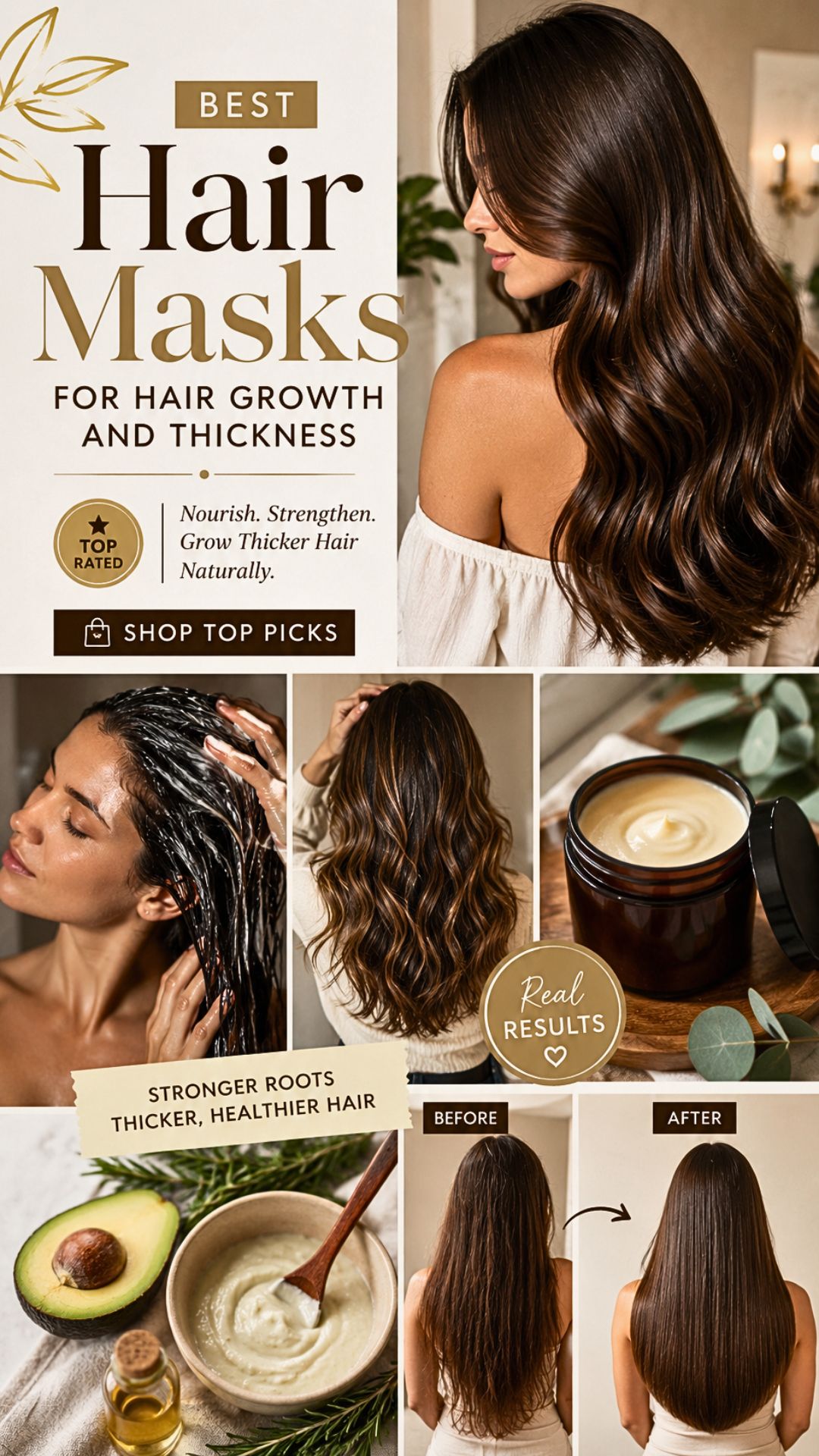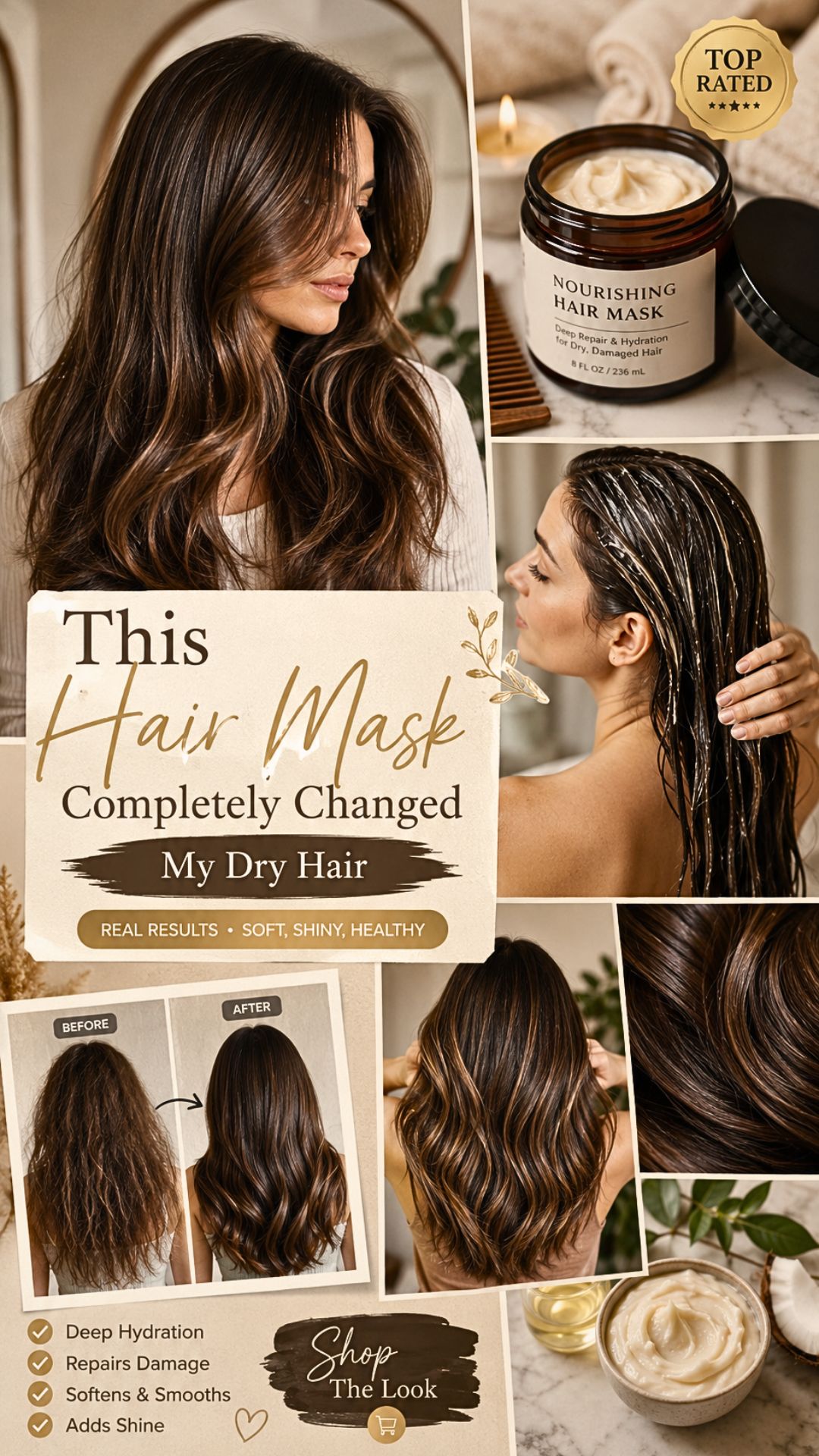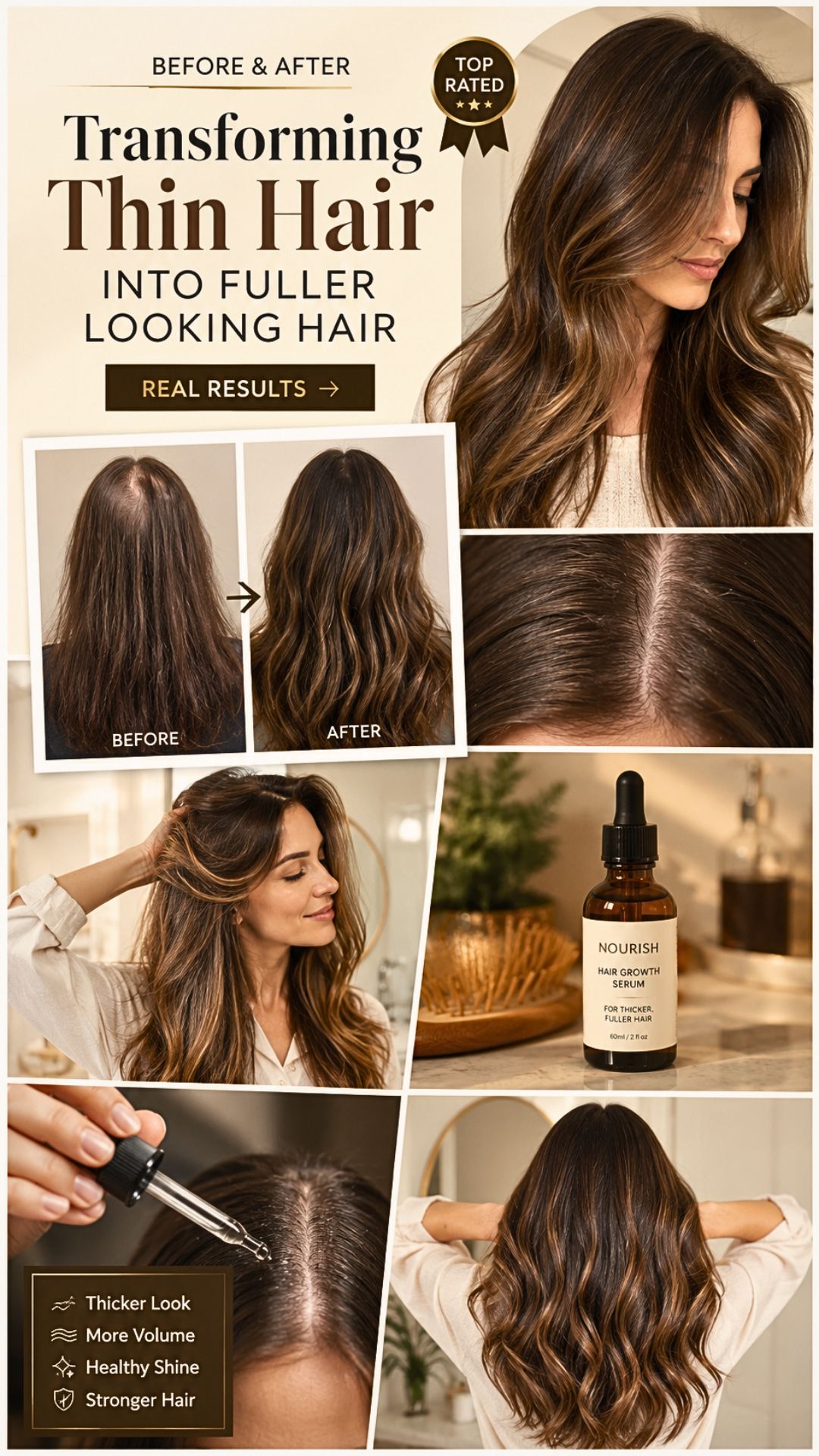
Best Hair Masks For Hair Growth And Repair
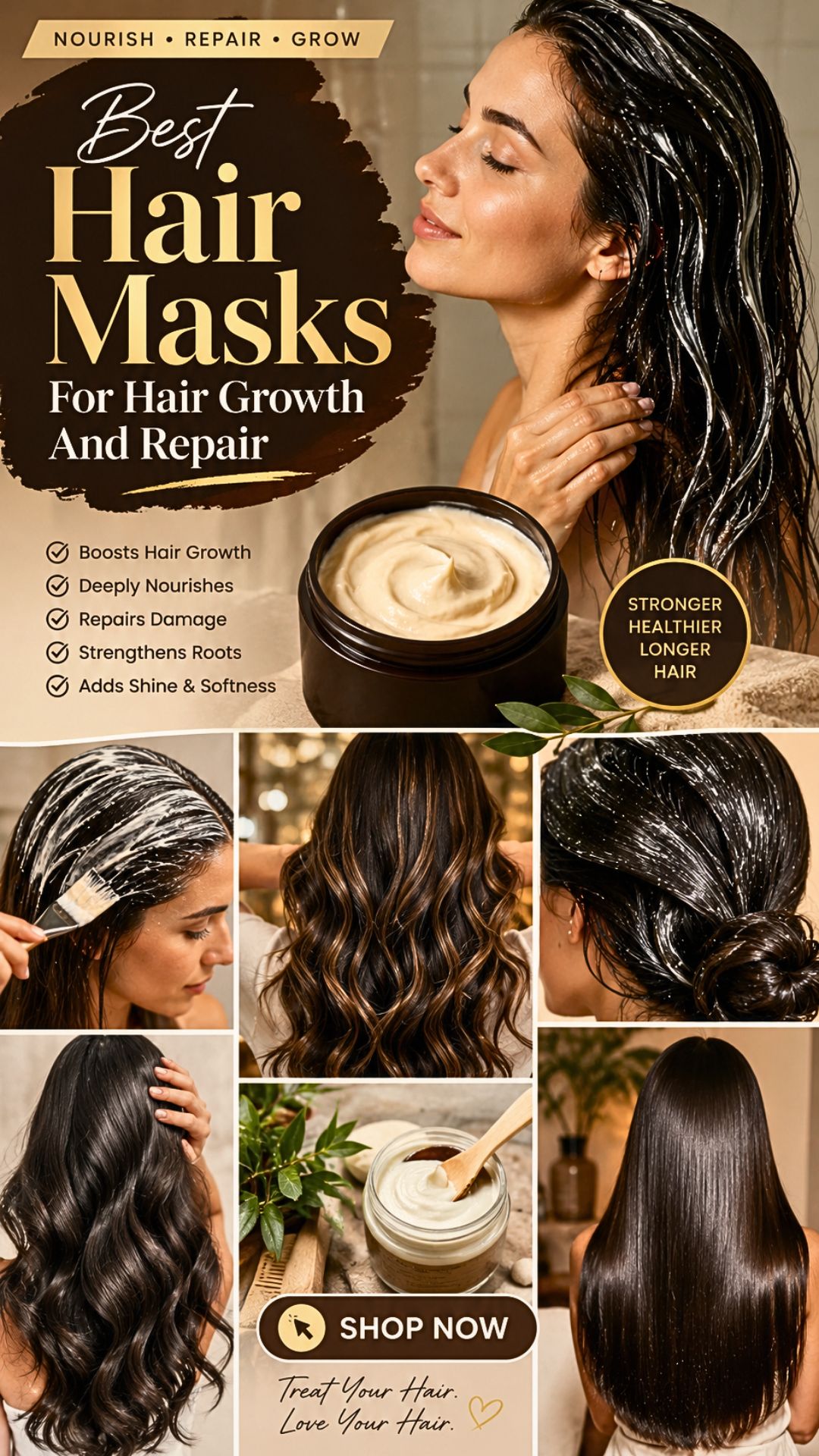
If your hair feels dry, frizzy, or just plain tired, you’re not alone. So many of us deal with damage from heat tools, color treatments, or just everyday weather. The good news? Hair masks can make a real difference when you use the right one consistently.
Think of a hair mask as a deep conditioner’s stronger, more dedicated cousin. It sits on your hair longer, sinks in deeper, and tackles problems your regular conditioner just can’t fix. In this guide, we’ll walk through everything you need to know to pick the best one for your hair.
What Exactly Does a Hair Mask Do?
A hair mask is a thick, concentrated treatment packed with ingredients like oils, proteins, and vitamins. Unlike regular conditioner, it’s meant to stay on for 10 to 30 minutes so it can really work its way into your strands. This extra time lets it repair damage, lock in moisture, and strengthen hair from the inside out.
Regular conditioner coats the surface of your hair. A mask goes further, often penetrating the hair shaft to fix damage where it actually starts. That’s why people with dry, brittle, or color-treated hair often notice a bigger difference after switching to weekly masking.
Signs You Actually Need a Hair Mask
Not sure if your hair routine is missing this step? Here are some common signs your hair is asking for help:
- Your ends feel rough or look frizzy no matter what you do
- Hair snaps or breaks easily when you brush it
- It feels dry within hours of washing
- Color-treated hair looks dull or faded fast
- You use heat tools several times a week
- Your scalp feels tight, flaky, or itchy
If even two or three of these sound familiar, your hair is probably craving more moisture and repair than your current routine offers.
How Hair Masks Support Hair Growth
Hair masks don’t make hair grow faster overnight, but they create the right environment for healthy growth. When hair is weak and breaking, it never gets the chance to grow long. A good mask reduces breakage, which means your hair holds onto length instead of snapping off.
Many masks also include ingredients like biotin, castor oil, or keratin. These support stronger strands and a healthier scalp, which is the actual foundation good hair grows from. So while no product replaces a balanced diet or good scalp care, the right mask removes obstacles standing in your hair’s way.
What to Look for in a Good Hair Mask
Choosing a mask isn’t about picking the prettiest packaging. It’s about matching ingredients to what your hair actually needs. Here’s a simple breakdown:
| Hair Concern | Look For These Ingredients | What It Helps With |
|---|---|---|
| Dryness | Shea butter, argan oil, glycerin | Locks in moisture |
| Breakage | Keratin, protein, biotin | Strengthens strands |
| Frizz | Coconut oil, silicone-free oils | Smooths the hair cuticle |
| Color damage | Avocado oil, antioxidants | Protects and revives color |
| Slow growth | Castor oil, peppermint, rosemary | Supports scalp health |
| Fine hair | Lightweight formulas, rice protein | Adds strength without weight |
This table makes it easier to scan labels next time you’re shopping, instead of guessing based on the front of the bottle.
Best Types of Hair Masks to Try
Different hair types respond better to different formulas. Here’s a quick rundown so you can match your hair to the right kind.
Protein masks work best if your hair feels weak, stretchy, or breaks easily. They rebuild the internal structure of each strand. Just don’t overdo it, since too much protein can actually make hair feel stiff.
Moisture masks are perfect for dry, frizzy, or curly hair. These usually contain oils and butters that soften strands and reduce frizz almost instantly. If your hair feels like straw, this is where to start.
Scalp-focused masks target the roots instead of just the strands. These often include stimulating ingredients like rosemary or peppermint, which support a healthier environment for growth.
If you’re shopping for your first mask, this is a great moment to check the recommended styling tools and treatments that pair well with whichever formula fits your hair type.
Step-By-Step: How to Use a Hair Mask the Right Way
Using a mask the wrong way can mean you’re not getting the full benefit. Follow these simple steps for the best results.
- Start with clean, damp hair. Wash with shampoo first so the mask can absorb properly.
- Apply mid-length to ends. This is usually where damage is worst, so focus your product here.
- Use a wide-tooth comb. This helps distribute the mask evenly through every strand.
- Leave it on for the recommended time. Most masks work best between 10–20 minutes.
- Add heat if you can. A warm towel or shower cap helps the mask absorb deeper.
- Rinse with cool water. This helps seal the hair cuticle and lock in shine.
- Repeat once or twice a week. Consistency matters more than overusing it daily.
This simple routine, done consistently, is often the missing piece between okay hair and genuinely healthy hair.
Helpful Tips for Better Results
A few small adjustments can make a big difference in how well your mask performs:
- Apply mask to damp, not soaking wet, hair for better absorption
- Avoid the scalp if your mask is heavy or oil-based
- Use a shower cap to trap heat and boost effectiveness
- Don’t skip rinsing thoroughly, since leftover product can weigh hair down
- Pair masking with a gentle, sulfate-free shampoo for the best combo
- Be patient. Real results from consistent masking usually show in 3–4 weeks
If you want to recreate a smooth, salon-fresh look at home, this kind of consistent care makes styling so much easier afterward.
Common Mistakes to Avoid
Even with the right product, a few small habits can hold back your results.
One common mistake is using a protein mask too often. This can leave hair feeling hard or brittle instead of soft. If your hair feels stiff after a mask, switch to a moisture-based formula for a week or two.
Another mistake is applying mask directly onto an oily scalp. This can clog pores and leave roots looking greasy. Stick to mid-shaft and ends unless the mask is specifically made for scalp treatment.
Lastly, many people skip the heat step. Heat genuinely helps masks absorb deeper, so a warm towel or steamy shower can boost results significantly. Skipping it means you might not be getting the full benefit of your product.
How Often Should You Use a Hair Mask?
This depends on your hair type and how damaged it is. As a general guide:
- Very dry or damaged hair: twice a week
- Normal hair: once a week
- Fine or oily hair: once every 10–14 days
Adjust based on how your hair feels. If it starts feeling weighed down, reduce frequency. If it still feels dry after masking, you may need a richer formula or more frequent use.
Final Thoughts
Healthy hair doesn’t happen overnight, but small, consistent habits add up fast. Adding a good mask to your weekly routine is one of the easiest ways to repair damage, support growth, and bring softness back to tired strands. The key is choosing a formula that actually matches what your hair needs, not just what’s trending.
If you’re ready to upgrade your hair care routine, this is a great time to shop the look and try a hair mask suited to your hair type. Your hair has been through a lot, so give it the care it deserves, one mask at a time.