Hair Care Habits That Help Hair Grow Faster

Growing long, healthy hair takes patience, but the right daily routine can make a big difference. While no product can magically make your hair grow overnight, certain habits can help create the best conditions for stronger, healthier, and faster-growing hair.
If you’ve been searching for effective Hair Care Habits That Help Hair Grow Faster, you’re in the right place. Small changes in how you wash, style, protect, and nourish your hair can reduce breakage, improve scalp health, and help you keep more of the length you grow.
Let’s explore the habits that truly matter and how you can build a hair care routine that supports healthy hair growth.
Why Healthy Hair Growth Starts With Good Habits
Hair grows from the roots, but what happens along the hair shaft matters just as much. Many people think their hair is not growing when the real problem is breakage. Hair may be growing at a normal rate, but damaged ends break off before noticeable length appears.
The goal is simple:
- Support a healthy scalp
- Reduce breakage
- Protect existing length
- Nourish hair from the inside out
When these factors work together, your hair has the best chance to grow longer and stronger.
Keep Your Scalp Clean and Healthy
Think of your scalp as the soil where your hair grows. Healthy hair starts with a healthy foundation.
Dirt, oil, product buildup, and dead skin cells can accumulate over time. When the scalp is clean, hair follicles can function more efficiently.
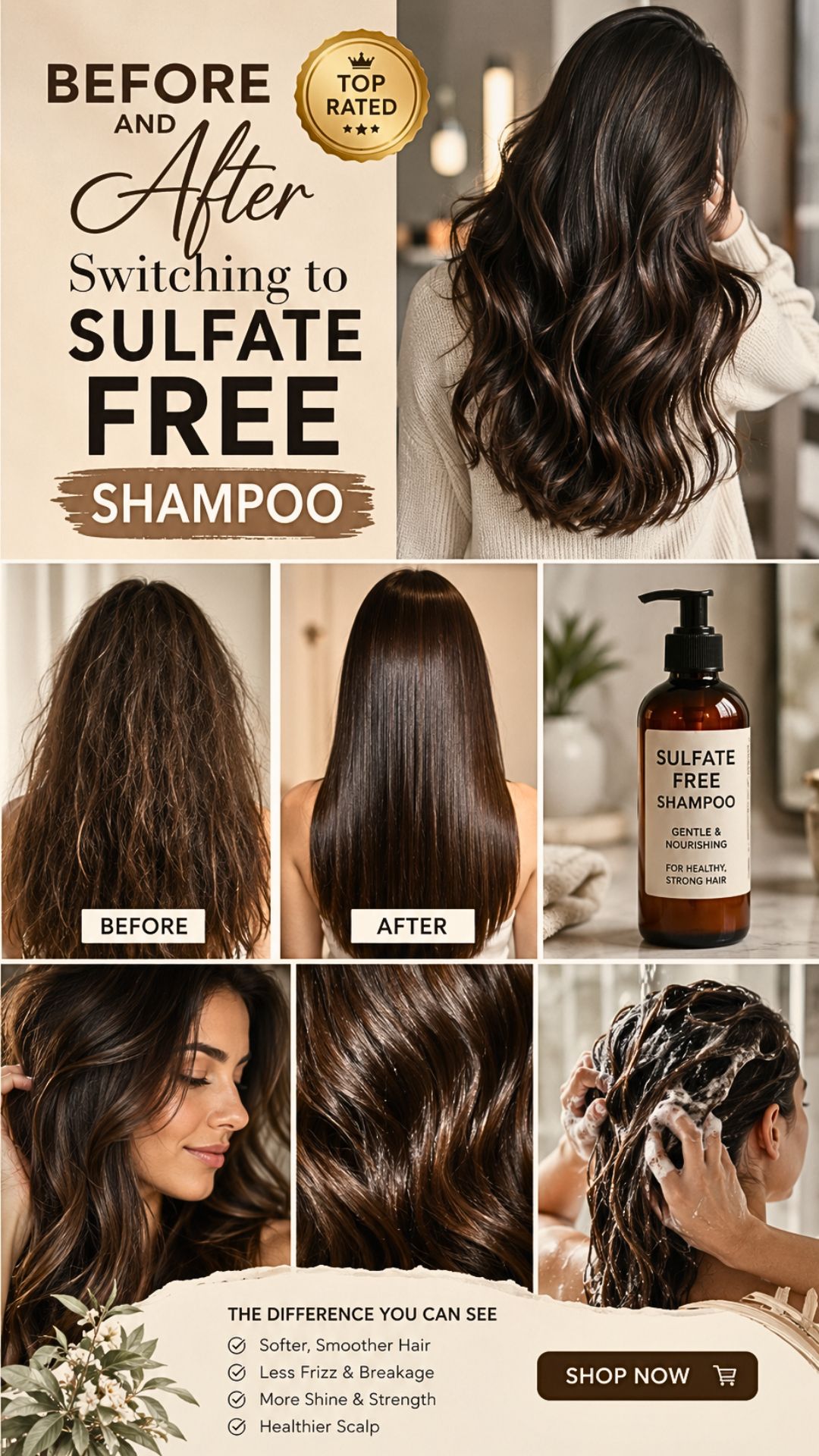
Choose a shampoo that matches your hair type and wash regularly. Oily scalps may need more frequent cleansing, while dry or curly hair often benefits from less frequent washing.
A clean scalp can also help reduce irritation, itchiness, and flakes that may interfere with healthy hair growth.
Helpful Tip
Use lukewarm water instead of very hot water. Hot water can dry out both your scalp and hair strands.
Massage Your Scalp Regularly
One of the simplest habits for healthier hair growth is scalp massage.
Massaging the scalp may help improve blood circulation around hair follicles. It also feels relaxing and can become a calming part of your self-care routine.
Try using your fingertips to gently massage your scalp for 3 to 5 minutes daily.
You can perform a massage:
- Before washing
- While shampooing
- Before bedtime
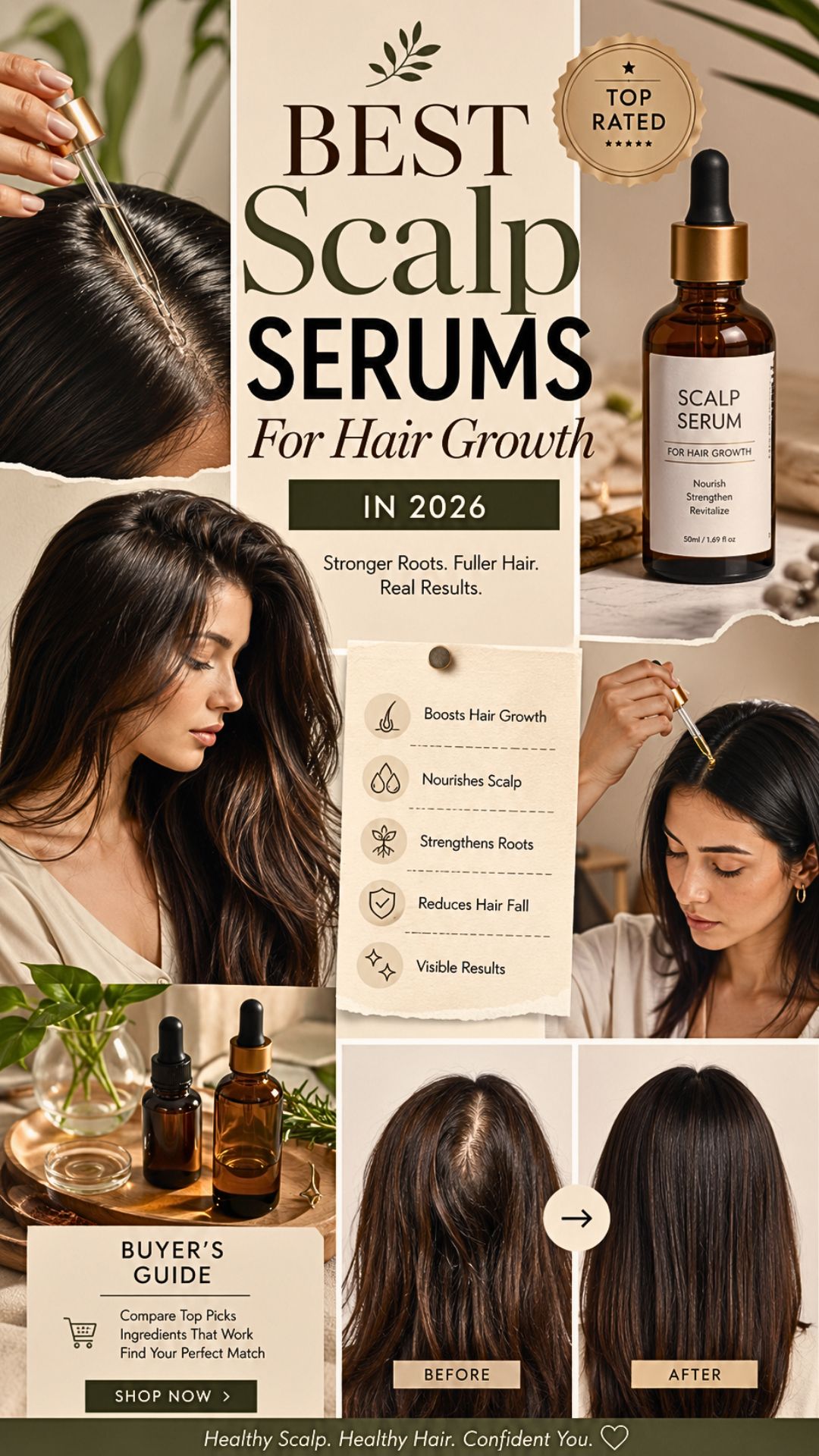
Some people like using lightweight scalp oils during massages for added hydration.
Eat More Hair-Friendly Foods
Hair growth is influenced by nutrition. Your body needs nutrients to build strong hair strands.
Focus on foods rich in:
| Nutrient | Why It Matters | Food Sources |
|---|---|---|
| Protein | Hair is made of protein | Eggs, fish, chicken, beans |
| Iron | Supports healthy hair growth | Spinach, lentils, red meat |
| Zinc | Helps maintain healthy follicles | Nuts, seeds, seafood |
| Vitamin D | Supports hair health | Fatty fish, fortified foods |
| Omega-3s | Helps nourish the scalp | Salmon, walnuts, flaxseeds |
| Biotin | Supports hair structure | Eggs, almonds, sweet potatoes |
A balanced diet supports overall hair health far better than relying on supplements alone.
Avoid Overwashing Your Hair
Washing your hair too often can strip away natural oils that keep strands soft and protected.
If your hair feels dry, brittle, or rough, consider reducing how often you shampoo.
Many people find success with:
- Fine hair: Every 1–2 days
- Medium hair: Every 2–3 days
- Curly or coily hair: Every 4–7 days
Pay attention to how your hair responds rather than following a strict schedule.
Use Conditioner Every Time You Wash
Conditioner is not optional if your goal is longer hair.
Conditioners help:
- Reduce tangles
- Improve softness
- Minimize breakage
- Protect hair from daily wear
Hair that breaks less has a better chance of retaining length.
Apply conditioner mainly to the mid-lengths and ends rather than directly on the scalp.
Reduce Heat Styling Whenever Possible
Frequent heat styling can weaken the hair shaft over time.
Tools like:
- Flat irons
- Curling irons
- Blow dryers
can contribute to dryness and split ends when used excessively.
You don’t have to give them up completely. Instead:
- Lower the temperature setting
- Use a heat protectant
- Air dry when possible
- Limit heat styling to special occasions
These small adjustments can make a noticeable difference.
Be Gentle With Wet Hair
Wet hair is more fragile than dry hair.
Many people unknowingly damage their hair right after washing by brushing aggressively or rubbing it with a rough towel.
Instead:
- Use a microfiber towel
- Gently squeeze out water
- Detangle carefully
- Start from the ends and work upward
This habit helps reduce unnecessary breakage.
Trim Split Ends When Needed
Many people avoid trims because they fear losing length.
The truth is that damaged ends often split further up the hair shaft. Regular maintenance trims can help keep hair looking healthier and fuller.
You do not necessarily need dramatic cuts. Small trims every few months can help manage split ends while preserving length.
Sleep on a Silk or Satin Pillowcase
Cotton pillowcases can create friction while you sleep.
That friction may lead to:
- Tangles
- Frizz
- Breakage
Silk and satin pillowcases allow hair to glide more smoothly across the surface.
Many people notice their hair feels softer and less tangled in the morning after making this switch.
Protect Hair From Tight Hairstyles
Constant tension can put stress on hair follicles.
Styles that are repeatedly worn too tightly may contribute to hair damage and thinning around the hairline.
Try alternating hairstyles and choosing looser options when possible.
Good protective styles include:
- Loose braids
- Low buns
- Soft ponytails
- Claw clip styles
Comfort should always come first.
Stay Consistent With Deep Conditioning
Deep conditioning treatments can help replenish moisture and improve hair softness.
This habit is especially helpful for:
- Dry hair
- Color-treated hair
- Curly hair
- Heat-damaged hair
A weekly deep conditioning session can strengthen hair and make it more manageable.
Think of it as a weekly reset button for your hair.
Protect Hair From Environmental Damage
Your hair faces stress from:
- Sun exposure
- Wind
- Pollution
- Chlorine
- Salt water
Over time, these factors can affect hair quality.
Helpful protective habits include:
- Wearing hats outdoors
- Using UV-protective hair products
- Rinsing hair after swimming
- Covering hair in harsh weather
Small preventive measures often save you from bigger problems later.
Best Daily Hair Care Habits for Faster Hair Growth
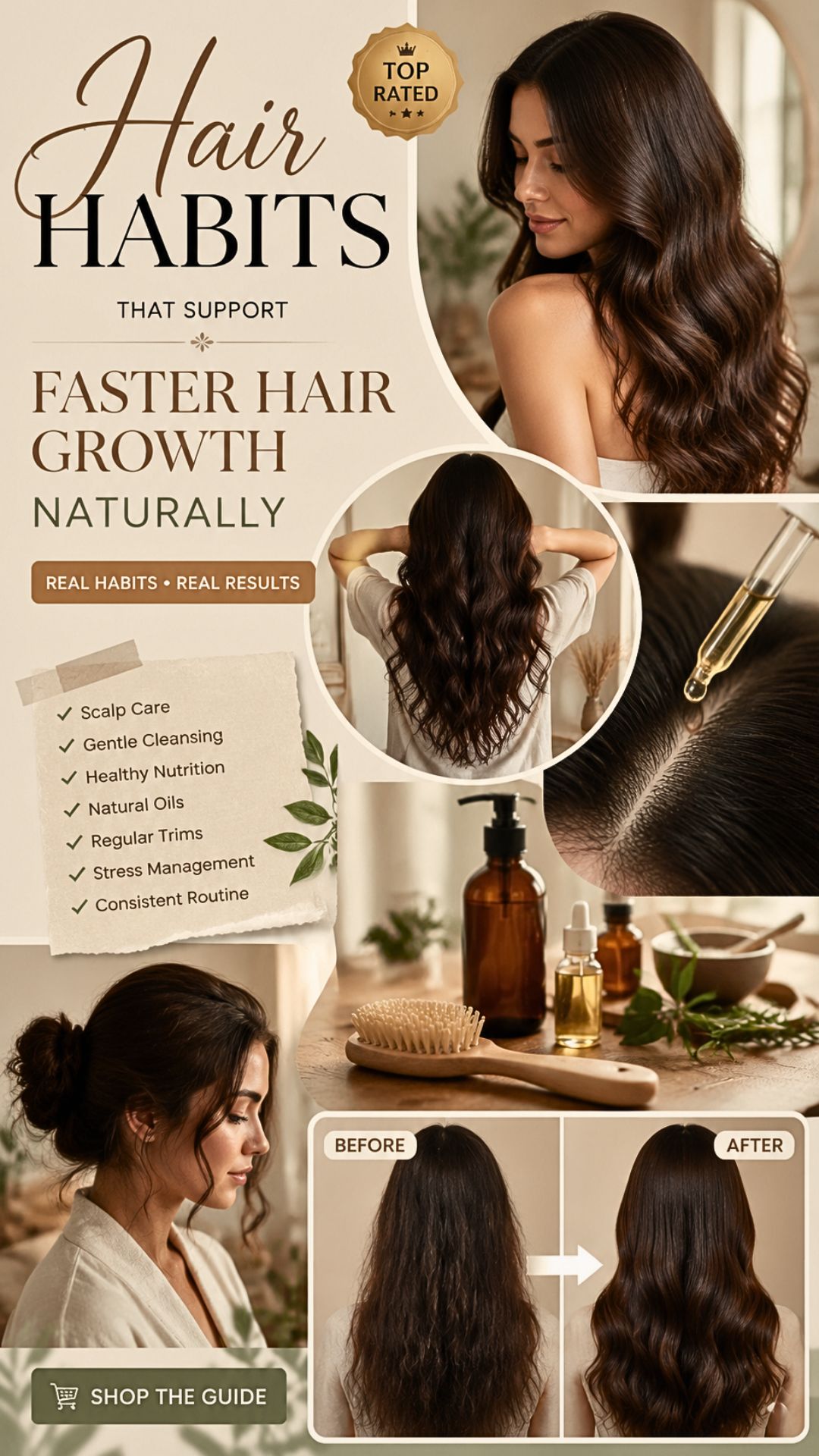
Here is a quick summary of the most effective habits:
Daily Habits
- Eat enough protein
- Drink water regularly
- Massage your scalp
- Avoid tight hairstyles
- Handle hair gently
Weekly Habits
- Deep condition your hair
- Clarify the scalp if needed
- Check for split ends
- Limit heat styling
Long-Term Habits
- Stay consistent
- Maintain a balanced diet
- Protect hair from damage
- Focus on scalp health
Consistency is often more important than expensive products.
Recommended Hair Growth Tools and Products
While habits matter most, the right tools can support your routine.
Scalp Massager
A scalp massager can help distribute shampoo evenly and make scalp massages easier.
Benefits include:
- Gentle exfoliation
- Improved circulation
- Better product distribution
Try this product for easier styling and scalp care if you struggle with buildup.
Microfiber Hair Towel
Traditional bath towels can create friction.
A microfiber towel helps:
- Reduce breakage
- Minimize frizz
- Speed up drying time
It’s one of the simplest upgrades you can make.
Heat Protectant Spray
If you use styling tools regularly, a heat protectant is essential.
Look for products that:
- Reduce heat damage
- Add shine
- Improve smoothness
Check the recommended styling tools and protective products that suit your hair type.
Deep Conditioning Mask
A quality hair mask can restore moisture and improve softness.
This is especially useful for color-treated or heat-damaged hair.
See the best tools for this look and routine if your goal is stronger, healthier hair.
Common Mistakes That Slow Hair Growth Progress
Many people accidentally work against their hair goals.
Avoid these common mistakes:
| Mistake | Why It’s a Problem | Better Alternative |
|---|---|---|
| Excessive heat styling | Causes breakage | Limit heat use |
| Tight hairstyles | Creates tension | Choose loose styles |
| Skipping conditioner | Leads to dryness | Condition every wash |
| Rough towel drying | Increases damage | Use microfiber towels |
| Poor nutrition | Weakens hair | Eat balanced meals |
| Overbrushing | Can cause breakage | Brush gently when needed |
| Ignoring scalp health | Affects growth environment | Maintain scalp care |
Small corrections often produce better results than constantly buying new products.
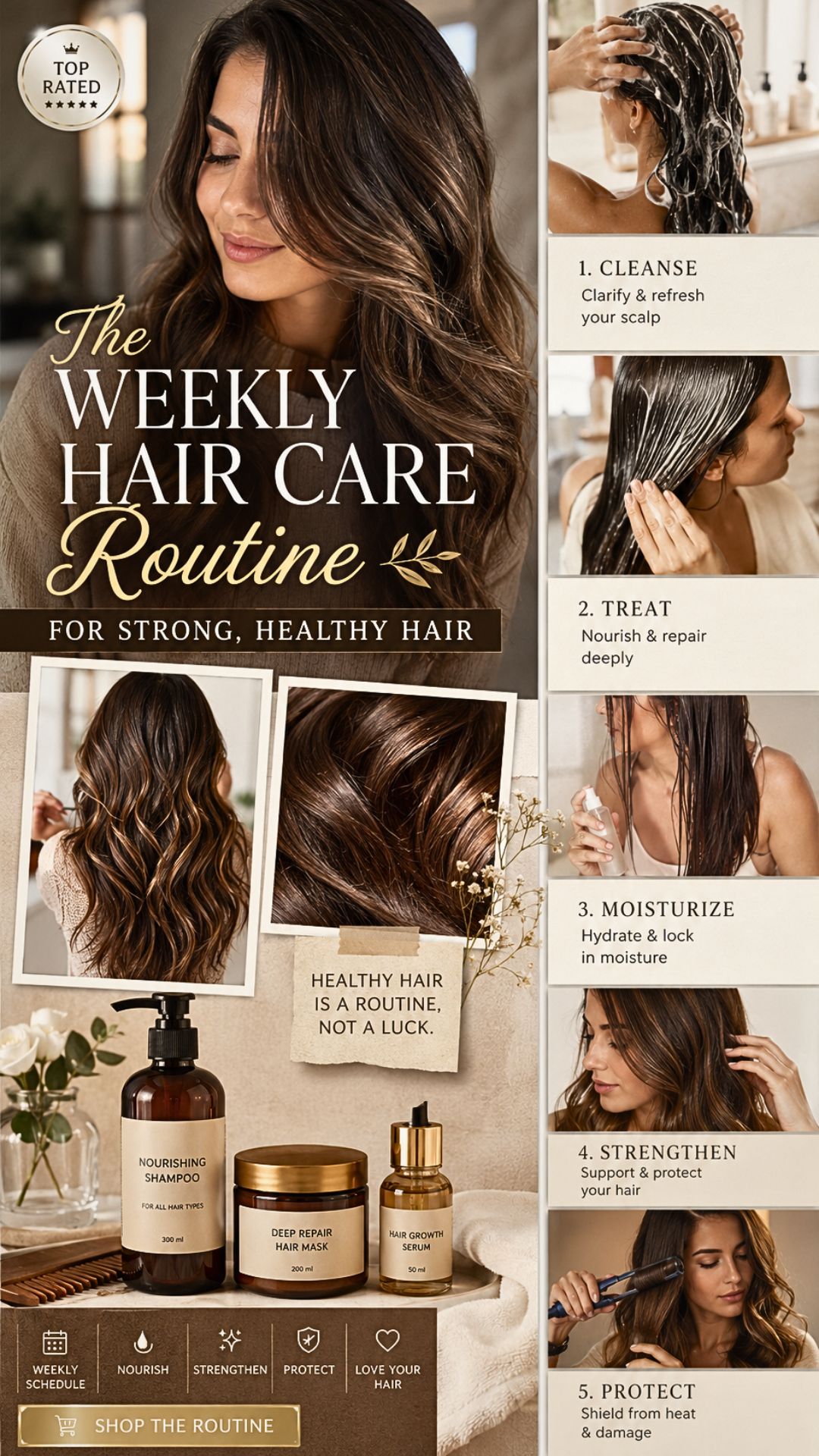
Creating a Simple Hair Growth Routine
If you’re feeling overwhelmed, keep it simple.
Morning
- Brush gently
- Apply lightweight leave-in conditioner if needed
- Wear a protective hairstyle
Wash Day
- Cleanse the scalp
- Condition thoroughly
- Detangle gently
- Air dry when possible
Evening
- Massage the scalp
- Use a silk or satin pillowcase
- Protect hair before sleeping
This routine is easy to follow and works for most hair types.
The Truth About Hair Growth Expectations
Healthy hair growth takes time.
Most people grow about half an inch of hair per month, though growth rates vary from person to person.
The biggest improvements often come from reducing damage rather than trying to force faster growth.
When breakage decreases, hair appears longer because you retain more of the length you naturally grow.
Patience, consistency, and healthy habits usually produce the best results.
Conclusion
Building better Hair Care Habits That Help Hair Grow Faster doesn’t require a complicated routine. A healthy scalp, gentle handling, balanced nutrition, and consistent care can go a long way toward supporting stronger, longer hair.
Focus on habits that reduce breakage and protect the hair you already have. Small changes—like switching to a microfiber towel, using a scalp massager, deep conditioning weekly, or sleeping on a satin pillowcase—can add up over time.
If you’re ready to upgrade your routine, check the recommended styling tools and hair care products that match your hair type. The right tools won’t replace healthy habits, but they can make it easier to care for your hair and maintain the length you work hard to grow.