Hair Growth Secrets Dermatologists Recommend

Healthy, longer hair does not happen overnight. Many people try expensive treatments or social media trends, only to feel disappointed when nothing changes. The truth is that real hair growth starts with healthy habits, proper scalp care, and patience.
In this guide, you’ll discover the Hair Growth Secrets dermatologists often recommend for healthier, stronger hair. You’ll also learn which products can support your routine, what habits to avoid, and simple steps you can start today. Whether your hair feels thin, dry, or slow to grow, these practical tips can help you build a routine that works.
Why Hair Growth Takes Time
Hair grows in cycles. On average, healthy hair grows about half an inch each month. Some people grow hair faster because of genetics, while others may notice slower growth due to stress, poor nutrition, hormonal changes, or damage from heat and chemicals.
Many people think their hair has “stopped growing.” In reality, it often breaks at the ends as quickly as new hair grows from the scalp. That is why preventing breakage is just as important as encouraging new growth.
Hair Growth Secrets That Dermatologists Recommend
Dermatologists agree that healthy hair starts with a healthy scalp. While no product can magically double your hair growth overnight, several science-backed habits can help create the best environment for stronger hair.
Focus on Scalp Health First
Your scalp is like the soil in a garden. Healthy roots need a clean, balanced environment.
Wash your scalp regularly using a gentle shampoo that removes oil, dirt, and product buildup without stripping natural moisture. A clean scalp allows hair follicles to function more effectively.
If you struggle with dandruff, itching, or excessive oil, treating these issues early may improve overall hair health.
Eat Enough Protein Every Day
Hair is mostly made from a protein called keratin.
If your diet lacks enough protein, your body may slow hair production because it prioritizes essential organs first.
Good protein sources include:
- Eggs
- Chicken
- Fish
- Greek yogurt
- Lentils
- Beans
- Tofu
- Cottage cheese
Adding protein to every meal can support healthier hair over time.
Don’t Ignore Iron and Essential Nutrients
Low iron is one of the most common reasons for increased hair shedding, especially in women.
Other nutrients that support healthy hair include:
- Vitamin D
- Zinc
- Biotin (only if deficient)
- Vitamin B12
- Omega-3 fatty acids
- Selenium
Instead of taking random supplements, talk with a healthcare professional if you suspect a deficiency.
Massage Your Scalp Regularly
A gentle scalp massage may improve blood circulation and help you relax.
Spend five minutes each day using your fingertips or a silicone scalp massager.
Benefits include:
- Better circulation
- Less scalp tension
- Easier distribution of natural oils
- A relaxing self-care routine
Consistency matters more than pressure.
Protect Hair While Sleeping
Your nighttime routine can affect hair health more than you realize.
Simple changes include:
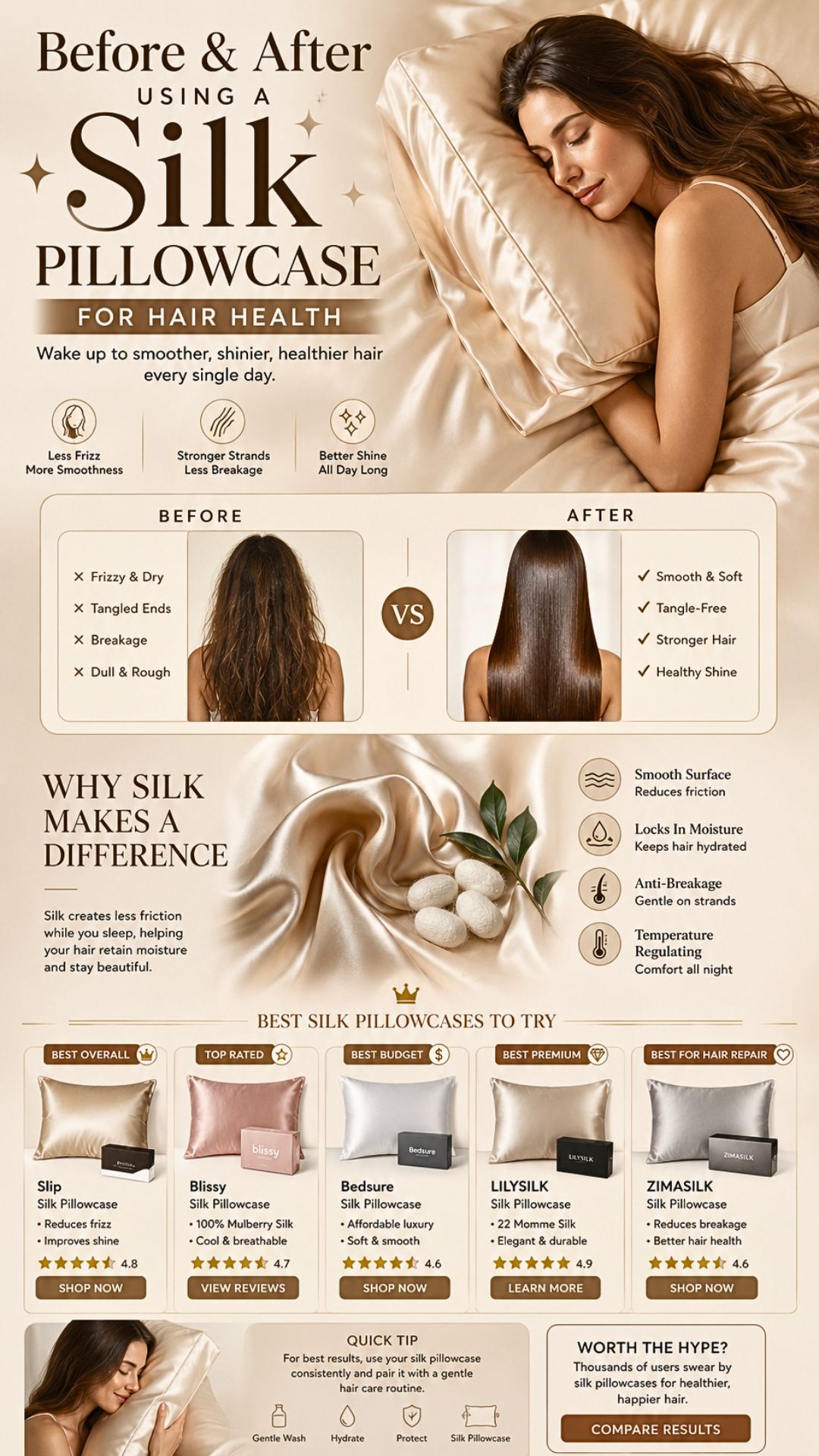
- Sleep on a silk or satin pillowcase.
- Use a loose braid before bed.
- Avoid sleeping with wet hair.
- Never use tight elastic bands overnight.
These habits reduce friction and minimize breakage.
Avoid Excessive Heat Styling
Flat irons, curling irons, and high-temperature blow dryers weaken the hair shaft over time.
Whenever possible:
- Use a heat protectant.
- Choose lower heat settings.
- Air dry part of the time.
- Limit heat styling to special occasions.
Healthy ends help your hair appear longer because less breakage occurs.
Daily Habits That Support Hair Growth
Small habits often make the biggest difference.
Stay Hydrated
Water supports your body’s natural processes, including healthy skin and scalp.
Reduce Stress
Long-term stress can trigger increased shedding.
Try:
- Walking
- Meditation
- Yoga
- Better sleep
- Journaling
Exercise Regularly
Physical activity improves circulation and supports overall health, including scalp health.
Best Hair Care Routine for Longer, Healthier Hair
Following a simple routine is often more effective than constantly switching products.
Morning
- Brush gently using a wide-tooth comb.
- Apply a lightweight leave-in conditioner if needed.
- Protect hair from heat before styling.
Wash Day
- Shampoo the scalp.
- Massage gently for one to two minutes.
- Use conditioner mainly on the mid-lengths and ends.
- Rinse thoroughly.
Weekly
- Apply a nourishing hair mask.
- Use a clarifying shampoo if you use many styling products.
- Trim only damaged ends when needed.
Ingredients Dermatologists Often Recommend
When shopping for hair products, look for formulas that contain ingredients supported by research.
| Ingredient | How It Helps | Best For |
|---|---|---|
| Minoxidil | Supports hair regrowth in certain types of hair loss | Thinning hair |
| Caffeine | May help stimulate hair follicles | Fine hair |
| Niacinamide | Supports scalp barrier | Sensitive scalp |
| Peptides | Helps strengthen hair | Weak hair |
| Rosemary Oil | May support scalp health when diluted properly | General hair care |
| Keratin | Reduces breakage | Damaged hair |
| Hyaluronic Acid | Adds moisture | Dry hair |
Hair Products Worth Considering
While products cannot replace healthy habits, they can make your routine easier.
Gentle Sulfate-Free Shampoo
A gentle shampoo cleans the scalp without excessive dryness. This works well for people who wash their hair several times each week.
Soft tip: Check the recommended cleansing shampoos if your scalp feels oily between washes.
Nourishing Conditioner
Conditioner reduces friction between hair strands and helps prevent breakage.
Look for ingredients like:
- Shea butter
- Argan oil
- Ceramides
- Coconut oil
- Panthenol
Healthy ends mean you keep more of the hair you grow.
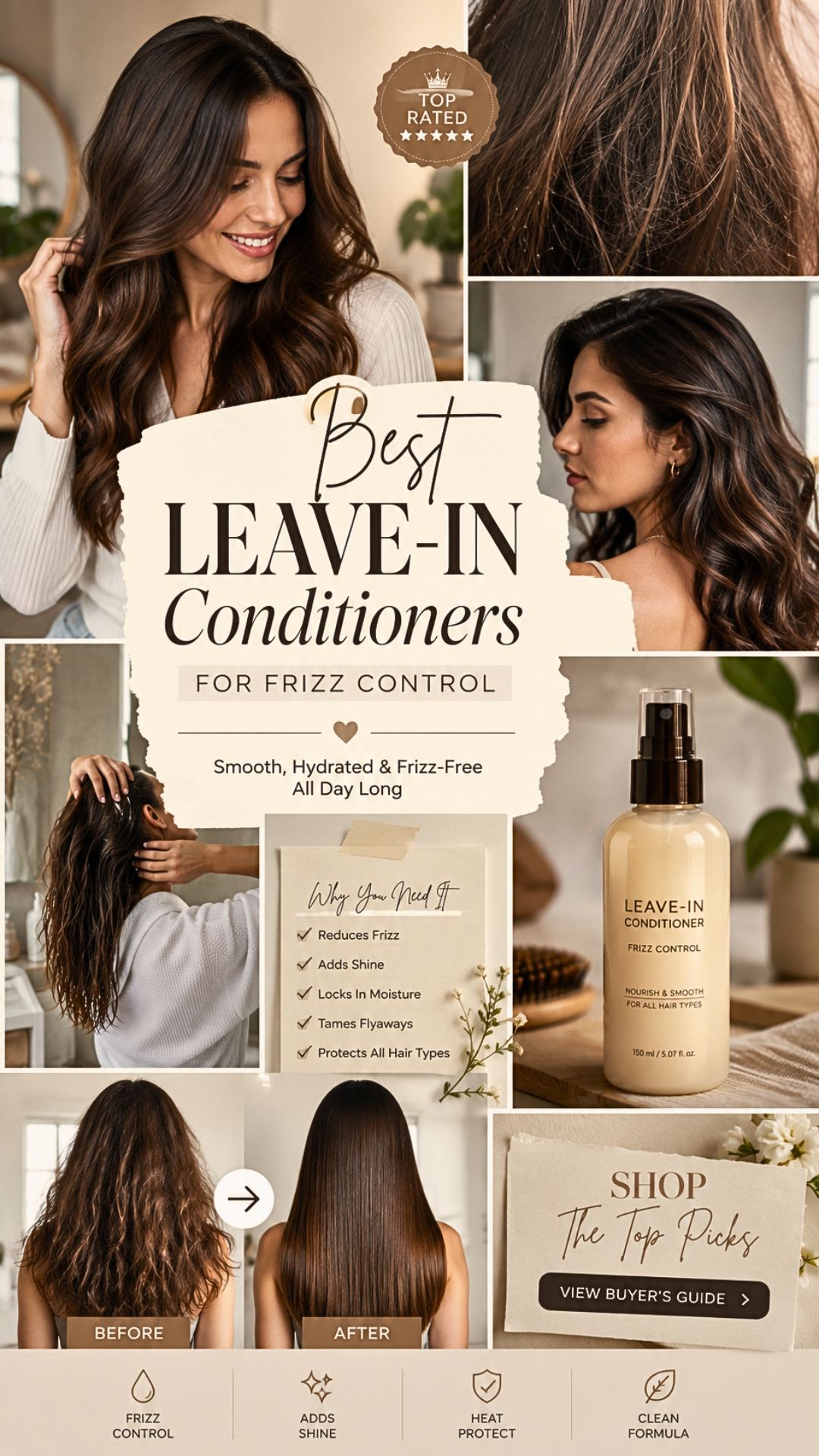
Leave-In Conditioner
Leave-in conditioners provide extra moisture throughout the day.
They are especially helpful for:
- Curly hair
- Dry hair
- Color-treated hair
- Thick hair
Try this product for easier styling if your hair tangles easily after washing.
Heat Protectant Spray
Heat protectants create a protective layer before blow drying or using hot tools.
Using one consistently may reduce future damage.
See the best tools for this look when choosing a quality hair dryer with adjustable heat settings.
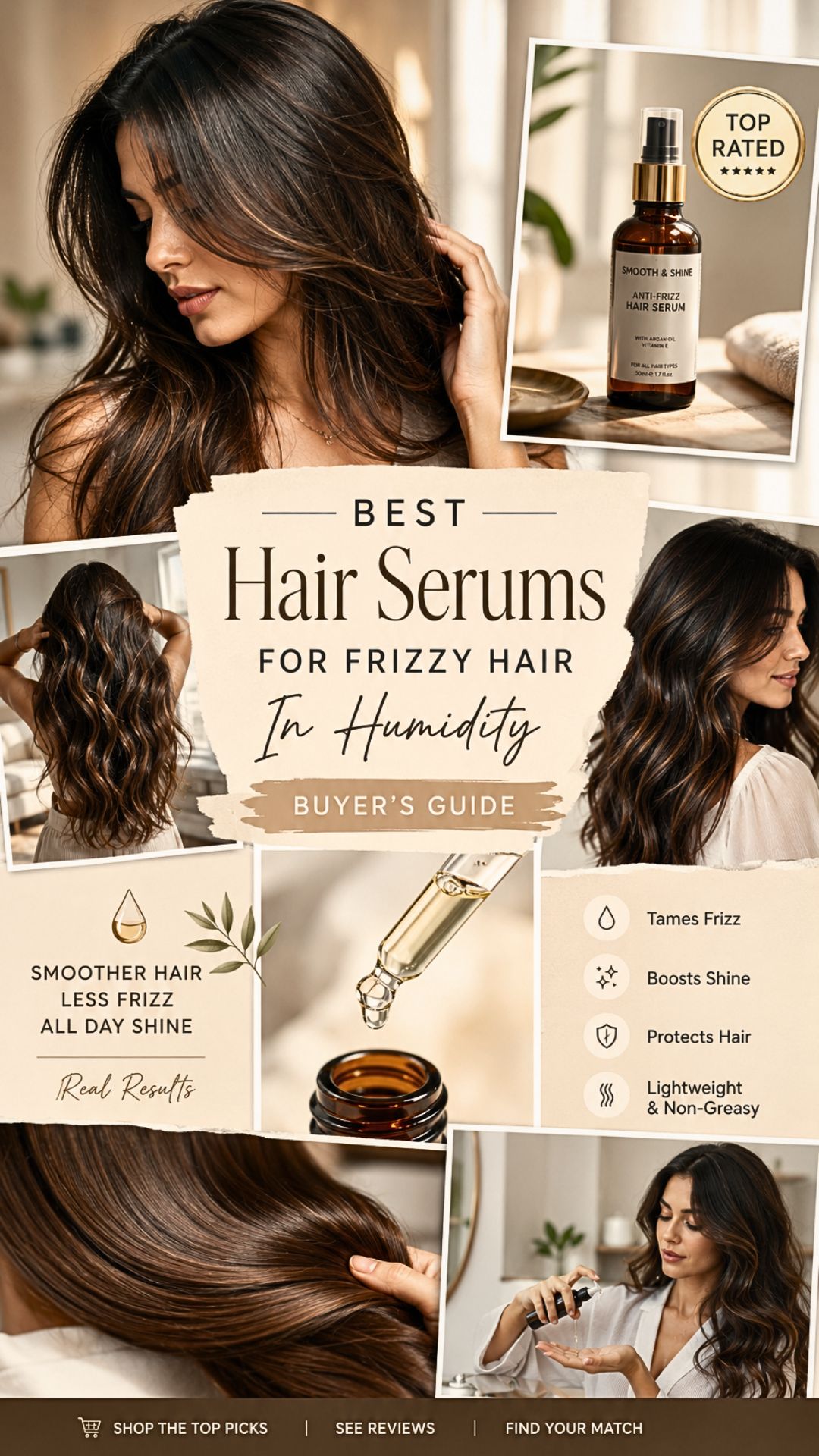
Scalp Serum
Modern scalp serums often include peptides, caffeine, niacinamide, or botanical extracts.
These lightweight products fit easily into a nighttime routine without making hair greasy.
Step-by-Step Hair Growth Routine
If you’re unsure where to begin, keep things simple.
Step 1
Wash your scalp two to three times each week using a gentle shampoo.
Step 2
Condition only the middle and ends of your hair.
Step 3
Massage your scalp for five minutes daily.
Step 4
Eat enough protein and include fruits and vegetables every day.
Step 5
Limit heat styling whenever possible.
Step 6
Apply leave-in conditioner before brushing.
Step 7
Sleep on a silk pillowcase to reduce friction.
Step 8
Stay consistent for several months before judging results.
Healthy hair requires patience.
Signs Your Hair Routine Is Working
Many people expect instant growth, but positive changes often appear gradually.
Look for:
- Less hair breakage
- Fewer split ends
- Softer texture
- Better shine
- Healthier scalp
- Stronger strands
- Fuller appearance over time
These improvements often come before noticeable length.
Common Hair Growth Myths
Many popular tips online sound convincing but lack strong evidence.
Myth: Cutting Hair Makes It Grow Faster
Hair grows from the scalp, not the ends.
Regular trims simply remove split ends, helping hair look healthier.
Myth: Brushing 100 Times a Day Helps
Too much brushing can actually increase breakage.
Brush gently only when needed.
Myth: More Shampoo Causes Hair Loss
Washing removes loose hairs that were already ready to shed.
A clean scalp supports healthy follicles.
Myth: Every Supplement Works for Everyone
Supplements only help if your body actually needs those nutrients.
Taking unnecessary supplements is unlikely to improve hair growth.
Common Mistakes That Slow Hair Growth
Avoid these habits if you want healthier, stronger hair.
- Using very hot styling tools every day
- Skipping conditioner
- Wearing tight hairstyles constantly
- Brushing wet hair aggressively
- Ignoring scalp irritation
- Frequently bleaching damaged hair
- Switching products every week
- Expecting overnight results
- Washing with extremely hot water
- Using harsh shampoos too often
Healthy Habits Compared
| Good Habit | Habit to Avoid |
|---|---|
| Gentle scalp massage | Scratching the scalp |
| Wide-tooth comb | Pulling knots with force |
| Heat protectant | High heat without protection |
| Balanced meals | Restrictive dieting |
| Satin pillowcase | Rough cotton pillowcases |
| Regular conditioning | Skipping moisture |
| Patience | Constant product hopping |
Creating a Hair Routine You Can Stick With
The best routine is one you can follow consistently.
Instead of buying every trending product, choose a few reliable essentials and use them regularly. A gentle shampoo, nourishing conditioner, leave-in treatment, and heat protectant are enough for many people.
As your hair becomes healthier, you can slowly add extras like scalp serums or weekly masks if needed.
Final Thoughts
Growing healthier hair is rarely about finding one miracle product. It usually comes from combining good nutrition, gentle hair care, scalp health, and consistent habits over time.
The Hair Growth Secrets dermatologists recommend are simple but effective. Focus on reducing breakage, caring for your scalp, eating a balanced diet, and protecting your hair from unnecessary damage. These small daily choices often make the biggest difference.
If you’re ready to upgrade your routine, check the recommended styling tools, shop the look, or try this product for easier styling with a gentle shampoo, nourishing conditioner, or quality heat protectant. Choosing products that match your hair type can help support the healthy, strong hair you’re working toward without making your routine complicated.