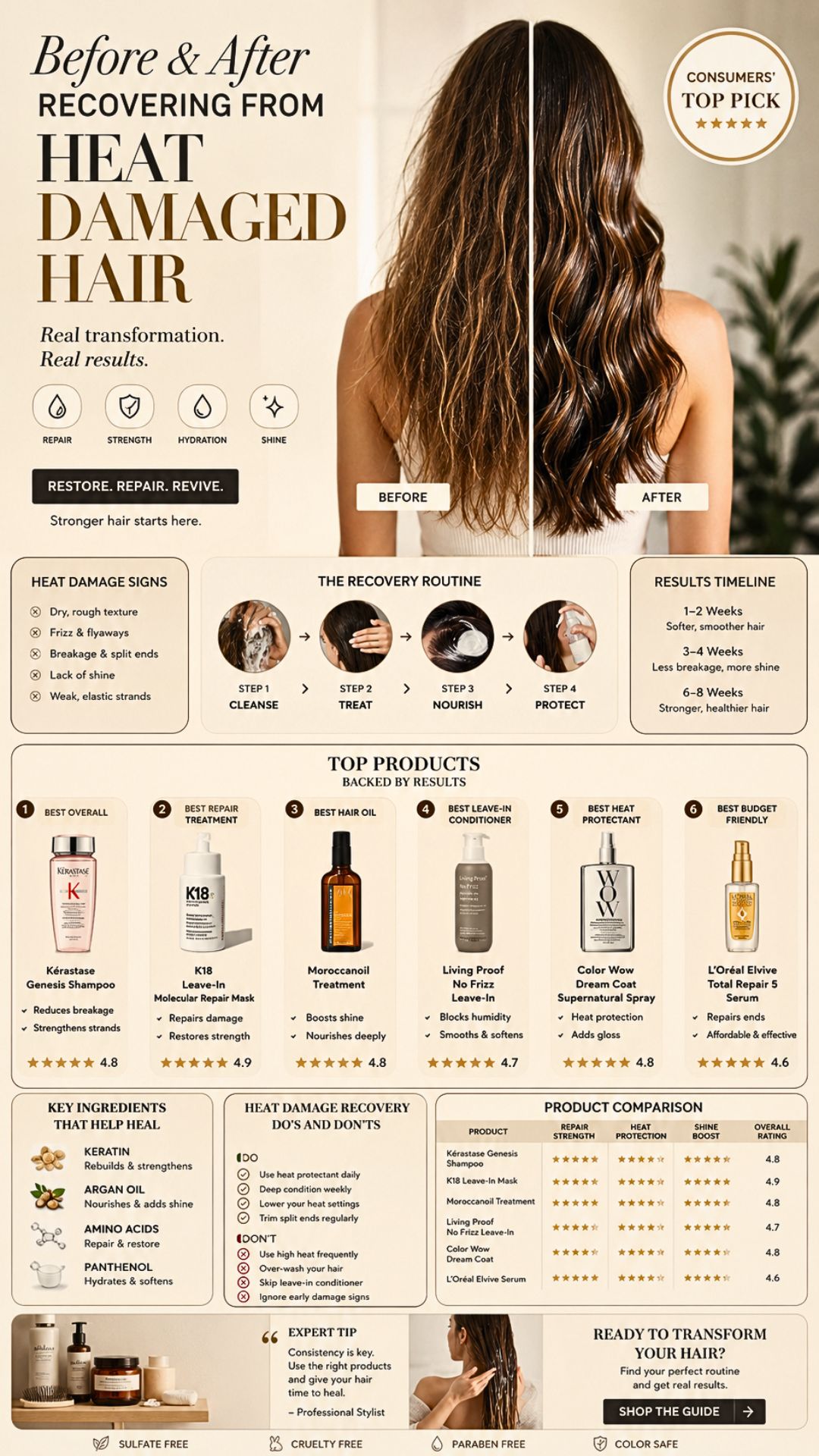
Hair Masks Vs Deep Conditioners: Which One Does Your Hair Need?

Healthy hair starts with the right care routine, but many people struggle to choose between a hair mask and a deep conditioner. They often look similar on store shelves, yet they work in different ways.
If you’ve ever wondered about Hair Masks Vs Deep Conditioners, you’re not alone. Understanding the difference can help you spend your money wisely and give your hair exactly what it needs. Whether your hair is dry, color-treated, curly, damaged, or simply lacking shine, choosing the right treatment can make a noticeable difference.
In this guide, we’ll break everything down in simple terms. You’ll learn what each product does, when to use it, how to choose the best one for your hair type, and which tools and products can help you get salon-worthy results at home.
Understanding Hair Masks and Deep Conditioners
At first glance, hair masks and deep conditioners seem almost identical. Both are designed to nourish hair beyond what a regular conditioner can do. However, they serve slightly different purposes.
A deep conditioner mainly focuses on restoring moisture and improving softness. It works well for hair that feels dry after washing or styling.
A hair mask is usually more concentrated. It often contains richer ingredients like proteins, plant oils, amino acids, ceramides, or butters that target specific problems such as damage, breakage, or color fading.
Think of it this way:
- A deep conditioner is like giving your hair a long drink of water.
- A hair mask is like giving your hair a complete spa treatment.
Hair Masks Vs Deep Conditioners: What’s the Real Difference?
The easiest way to understand the difference is by comparing their main features.
| Feature | Hair Mask | Deep Conditioner |
|---|---|---|
| Main purpose | Repair and intensive treatment | Deep hydration and softness |
| Texture | Thick and rich | Creamy and lighter |
| Best for | Damaged, brittle, over-processed hair | Dry, frizzy, thirsty hair |
| Frequency | Once a week or as needed | One to three times per week |
| Ingredients | Proteins, oils, butters, ceramides | Humectants, moisturizers, nourishing oils |
| Processing time | 10–30 minutes | 5–20 minutes |
Both products are excellent. The best choice depends on your hair’s current condition rather than which one is more expensive.
What Is a Hair Mask?
A hair mask is an intensive treatment designed to repair, strengthen, and deeply nourish hair.
Unlike regular conditioners, hair masks stay on your hair longer, allowing active ingredients to penetrate the hair shaft.
Many hair masks contain ingredients such as:
- Argan oil
- Coconut oil
- Shea butter
- Keratin
- Hydrolyzed proteins
- Ceramides
- Avocado oil
These ingredients help reduce dryness, smooth rough cuticles, and improve the appearance of damaged strands.
Hair masks are especially helpful after:
- Bleaching
- Coloring
- Heat styling
- Swimming in chlorine
- Excessive sun exposure
What Is a Deep Conditioner?
A deep conditioner focuses on restoring moisture while improving softness and manageability.
It works better than a regular conditioner because it remains on the hair for several extra minutes.
Deep conditioners usually contain:
- Glycerin
- Aloe vera
- Panthenol
- Fatty alcohols
- Jojoba oil
- Sunflower oil
These ingredients attract and lock in moisture without making the hair feel heavy.
People with naturally dry, curly, or textured hair often benefit from using deep conditioners regularly.
When Should You Use a Hair Mask?
Hair masks work best when your hair needs extra care beyond daily conditioning.
Consider using a hair mask if your hair feels:
- Dry and rough
- Brittle
- Weak
- Over-bleached
- Heat damaged
- Chemically treated
- Split or frizzy
Weekly treatments can gradually improve hair’s appearance, making it smoother and easier to style.
When Is a Deep Conditioner the Better Choice?
A deep conditioner is ideal if your hair is healthy but needs extra moisture.
Use one when:
- Hair feels slightly dry
- Weather causes frizz
- Curls need hydration
- Hair tangles easily
- Ends feel rough
- Hair loses shine
Many people replace their regular conditioner with a deep conditioner once or twice each week.
How to Choose Based on Your Hair Type
Different hair types have different needs.
Fine Hair
Choose lightweight deep conditioners that hydrate without flattening the hair.
Avoid overly heavy masks unless your hair is seriously damaged.
Thick Hair
Rich hair masks often work beautifully on thick hair because they provide lasting moisture and softness.
Curly Hair
Curly hair naturally loses moisture faster.
Alternate between deep conditioning and moisturizing hair masks to maintain healthy curls.
Color-Treated Hair
Hair color can weaken the hair cuticle.
Protein-rich masks help strengthen damaged strands while color-safe deep conditioners maintain softness.
Bleached Hair
Bleached hair usually needs both.
Rotate between:
- Protein mask one week
- Moisturizing deep conditioner the next
This helps balance strength and hydration.
Oily Hair
Even oily scalps can have dry ends.
Apply masks and deep conditioners only from the mid-lengths to the ends rather than directly on the scalp.
Signs Your Hair Needs More Moisture
Sometimes your hair isn’t damaged—it is simply dehydrated.
Look for signs like:
- Frizz
- Dull appearance
- Tangles
- Lack of shine
- Rough texture
- Static
- Dry ends
A deep conditioner is often the easiest solution.
Signs Your Hair Needs Repair
Hair damage usually requires stronger treatment.
Common signs include:
- Breakage
- Split ends
- Elastic strands when wet
- Bleach damage
- Heat damage
- Weak curls
- Hair snapping while brushing
A repairing hair mask is usually the better choice.
Best Ingredients to Look For
Reading ingredient labels can help you choose better products.
For Moisture
Look for:
- Aloe vera
- Glycerin
- Coconut oil
- Jojoba oil
- Panthenol
- Honey
For Repair
Look for:
- Keratin
- Hydrolyzed wheat protein
- Rice protein
- Ceramides
- Amino acids
- Bond-building ingredients
For Smoothness
Helpful ingredients include:
- Argan oil
- Shea butter
- Avocado oil
- Macadamia oil
How to Apply a Hair Mask Correctly
Following the right steps helps you get the best results.
Step 1
Wash your hair with shampoo.
Step 2
Gently squeeze out excess water.
Hair should be damp, not dripping wet.
Step 3
Apply the mask from mid-length to ends.
Avoid the scalp unless the product specifically recommends it.
Step 4
Comb through with a wide-tooth comb.
This distributes the product evenly.
Step 5
Leave it on for 10 to 30 minutes.
Follow the directions on the label.
Step 6
Rinse thoroughly with cool or lukewarm water.
Style as usual.
How to Use a Deep Conditioner
Deep conditioners follow a similar process but often require less time.
- Shampoo your hair.
- Remove excess water.
- Apply generously.
- Focus on dry areas.
- Leave on for 5–20 minutes.
- Rinse completely.
For extra hydration, cover your hair with a shower cap while waiting.
Hair Care Routine Ideas
Here are a few simple routines based on different hair needs.
Dry Hair
- Gentle shampoo
- Deep conditioner twice weekly
- Leave-in conditioner
- Hair oil on ends
Damaged Hair
- Sulfate-free shampoo
- Repair hair mask once weekly
- Bond-building treatment
- Heat protectant before styling
Curly Hair
- Moisturizing shampoo
- Deep conditioner
- Curl cream
- Lightweight hair oil
Recommended Products Worth Considering
There are many quality products available today. Look for formulas that match your hair goals rather than simply buying the most expensive option.
Popular choices often include:
- Moisturizing deep conditioners for dry or curly hair
- Protein-rich hair masks for damaged hair
- Bond-repair treatments for chemically processed hair
- Leave-in conditioners for daily moisture
- Heat protectant sprays before using hot tools
When shopping, check reviews, ingredient lists, and your hair type instead of following trends alone.
If you’re building your routine, you can also check the recommended styling tools that reduce heat damage, such as ceramic hair dryers, ionic blow dryers, microfiber towels, and wide-tooth combs.
Helpful Hair Tools That Make Treatments Work Better
A few simple tools can improve your results.
- Microfiber towel for less friction
- Wide-tooth comb for even product distribution
- Shower cap to trap warmth
- Satin pillowcase to reduce overnight frizz
- Heat cap for deeper penetration during masking
If you enjoy at-home hair care, see the best tools for this look before your next wash day.
Common Mistakes to Avoid
Many people don’t see results because of simple mistakes.
Avoid these habits:
- Using a protein mask every wash
- Leaving products on far longer than instructed
- Applying heavy treatments to oily roots
- Skipping shampoo before treatment
- Using too much product
- Ignoring ingredient labels
- Heat styling immediately without protection
- Expecting one treatment to repair months of damage
Healthy hair improves gradually through consistent care.
Can You Use Both?
Absolutely.
Many hairstylists recommend alternating between the two.
For example:
Week One
Use a repairing hair mask.
Week Two
Use a moisturizing deep conditioner.
This approach gives hair both strength and hydration without overloading it with protein or heavy oils.
Listening to your hair is more important than following a strict schedule.
Which One Is Better?
There isn’t a single winner.
Choose a deep conditioner if your hair mostly needs hydration, softness, and easier detangling.
Choose a hair mask if your hair is damaged, weak, brittle, or recovering from chemical treatments.
Some people benefit from using both throughout the month.
Your hair’s condition can even change with the seasons. During winter, you may need more moisture. After summer vacations or frequent heat styling, repair treatments may become more important.
Final Thoughts
Choosing between Hair Masks Vs Deep Conditioners doesn’t have to be confusing. Both products play valuable roles in a healthy hair routine, but they solve different problems.
If your hair feels dry and thirsty, a deep conditioner can restore softness and make styling easier. If your strands are damaged from bleach, coloring, or frequent heat tools, a nourishing hair mask may provide the intensive care they need.
The best routine often includes both. Alternate treatments based on how your hair feels, pay attention to ingredients, and stay consistent with your routine rather than expecting overnight results.
When you’re ready to upgrade your hair care routine, shop the look by choosing products designed for your specific hair type. You can also try this product for easier styling alongside a quality heat protectant and gentle hair tools to help maintain healthy, shiny hair between treatments.