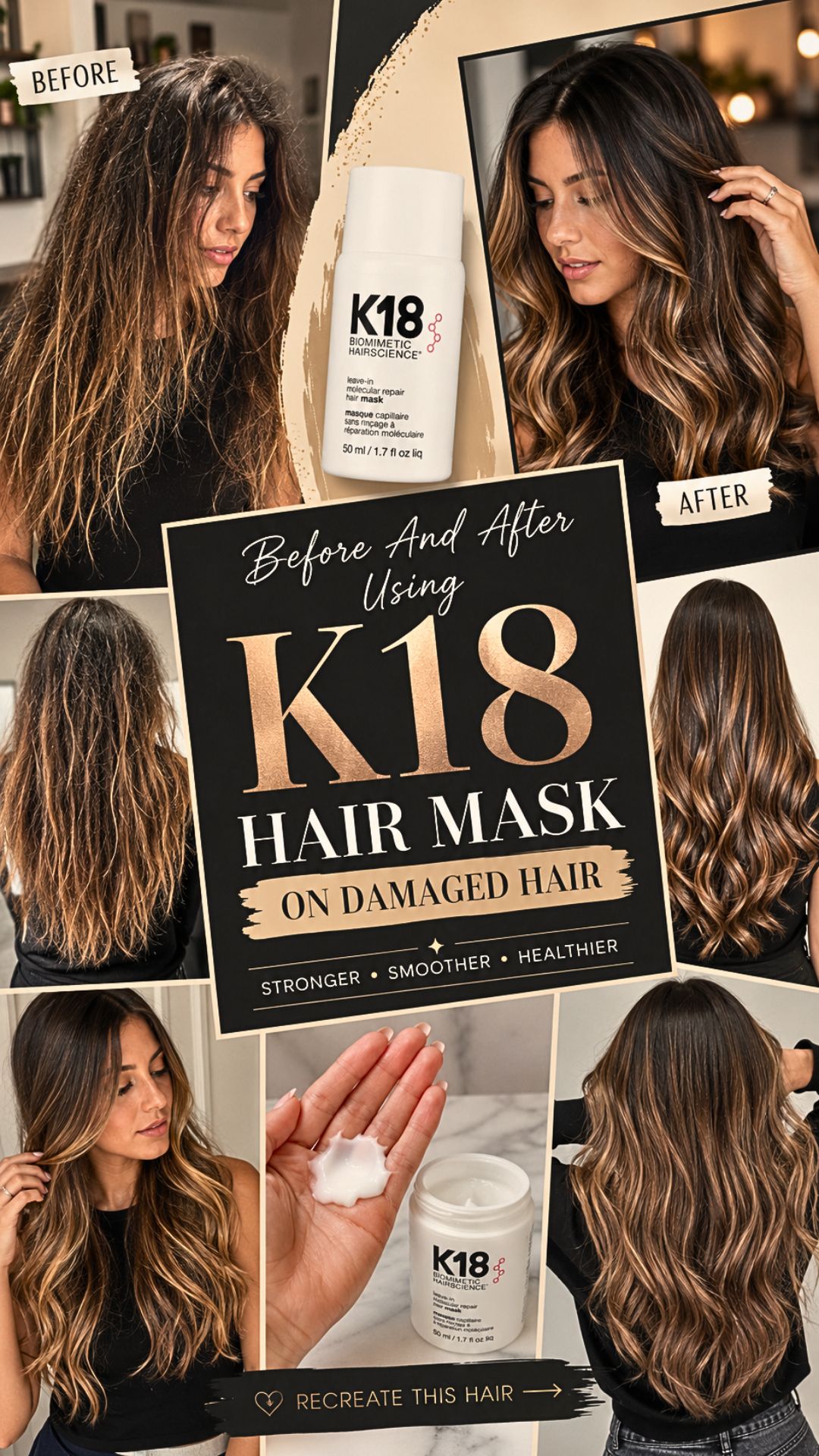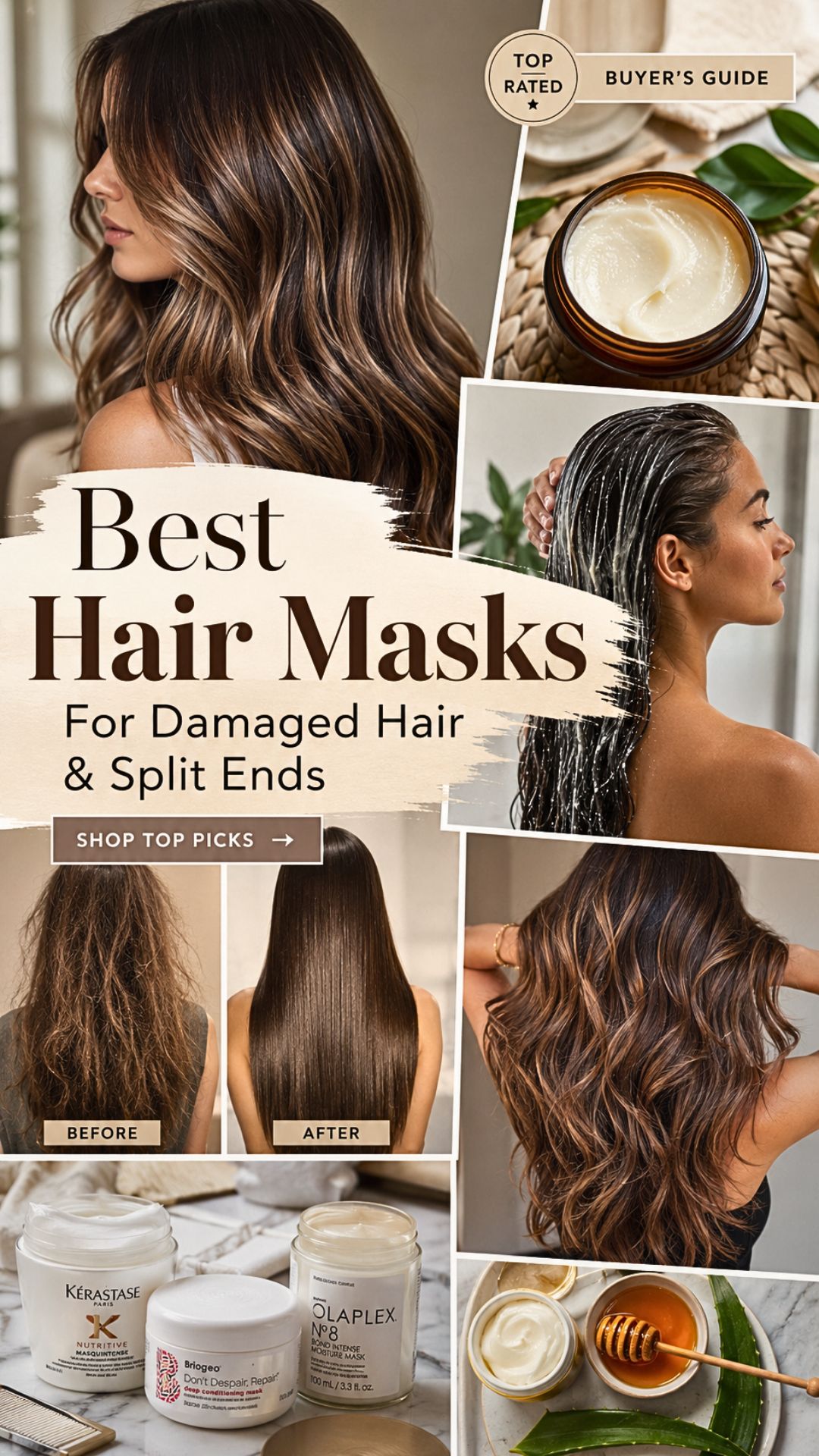
How To Repair Damaged Hair Without A Haircut

Healthy hair can make you feel more confident, but damage happens to almost everyone. Heat styling, coloring, bleaching, sun exposure, and even daily brushing can leave hair dry, rough, and prone to breakage. The good news is that you don’t always have to cut off your length to improve your hair. With the right routine and a little patience, you can Repair Damaged Hair and make it look healthier over time.
This guide explains what causes hair damage, how to improve your hair at home, and which products and tools can make your routine easier. Whether your hair feels dry, frizzy, or weak, these tips will help you care for it while keeping the length you love.
What Causes Hair Damage?
Before you can Repair Damaged Hair, it helps to understand what caused the problem. Hair damage usually builds up slowly instead of happening overnight.
Common causes include:
- Frequent use of flat irons, curling irons, and blow dryers
- Hair bleaching and permanent coloring
- Tight hairstyles that pull on the hair
- Washing too often with harsh shampoos
- Too much sun exposure
- Chlorine and salt water
- Rough towel drying
- Sleeping on cotton pillowcases that create friction
When the outer layer of your hair becomes damaged, moisture escapes more easily. This leaves hair feeling dry, looking dull, and breaking more often.
Can Damaged Hair Really Be Repaired?
Hair is made of protein, and once the hair strand is severely damaged, it cannot completely heal itself like skin does. However, you can improve its appearance, strengthen weak areas, reduce breakage, and prevent further damage.
Think of it like caring for a favorite sweater. You may not restore it to its original condition, but proper care helps it last much longer and look much better.
The goal is to protect healthy hair while making damaged sections smoother, softer, and easier to manage.
Signs Your Hair Needs Extra Care
Many people ignore early signs of damage until their hair becomes difficult to style.
Watch for these common symptoms:
- Split ends
- Hair that tangles easily
- Rough or straw-like texture
- Frizz that won’t stay smooth
- Dull appearance
- Hair that snaps while brushing
- Ends that feel thinner than the roots
- Loss of shine
The earlier you start caring for damaged hair, the better your results usually are.
Build a Gentle Hair Care Routine
A consistent routine makes a bigger difference than using expensive products once in a while.
Wash Less Often
Washing every day can remove natural oils that keep hair soft.
If possible:
- Wash two or three times each week.
- Use lukewarm water instead of hot water.
- Massage your scalp gently.
- Focus shampoo mainly on the scalp.
- Let the shampoo rinse through the ends instead of scrubbing them.
This simple change helps preserve moisture.
Always Use Conditioner
Conditioner replaces some of the moisture that shampoo removes.
Choose one made for:
- Dry hair
- Color-treated hair
- Damaged hair
- Chemically processed hair
Leave it on for several minutes before rinsing. Your ends usually need the most attention.
Add a Weekly Deep Conditioning Mask
A hair mask provides richer moisture than everyday conditioner.
Use one once or twice each week.
Look for ingredients such as:
- Shea butter
- Coconut oil
- Argan oil
- Avocado oil
- Keratin
- Hydrolyzed proteins
- Ceramides
- Glycerin
These ingredients help soften rough hair while improving manageability.
Use Protein and Moisture Together
One common mistake is using only protein treatments or only moisturizing products.
Healthy-looking hair needs balance.
Protein helps strengthen weak strands.
Moisture helps keep hair soft and flexible.
Too much protein may leave hair stiff.
Too much moisture may leave it limp and stretchy.
Alternating between moisturizing masks and occasional protein treatments often gives the best results.
Protect Hair From Heat Damage
Heat styling is one of the biggest reasons people struggle to Repair Damaged Hair.
You don’t have to stop styling completely, but you should reduce unnecessary heat.
Helpful tips include:
- Lower the temperature setting.
- Never use hot tools on wet hair.
- Let hair air dry when possible.
- Use a heat protectant every time.
- Limit heat styling to a few days each week.
Even small changes can reduce future damage.
Be Gentle When Brushing
Wet hair stretches more easily than dry hair.
Instead of pulling through knots:
- Use a wide-tooth comb.
- Start at the ends.
- Slowly work upward.
- Hold the section above the knot to reduce pulling.
- Never force stubborn tangles.
Gentle brushing prevents unnecessary breakage.
Choose Hair-Friendly Accessories
Small changes in your daily routine can protect your hair without much effort.
Consider switching to:
- Silk scrunchies
- Satin pillowcases
- Microfiber towels
- Wide-tooth combs
- Soft fabric hair ties
These reduce friction and help minimize split ends.
Feed Your Hair From the Inside
Healthy hair starts with good nutrition.
A balanced diet supports stronger hair growth over time.
Focus on foods rich in:
- Protein
- Iron
- Zinc
- Omega-3 fatty acids
- Vitamin D
- Vitamin C
- Biotin from whole foods
- Healthy fats
Drinking enough water also helps support overall scalp health.
Avoid Habits That Make Damage Worse
Sometimes improving your hair means stopping harmful habits.
Try to avoid:
- Sleeping with wet hair
- Tight ponytails every day
- Brushing aggressively
- Using very hot styling tools
- Skipping conditioner
- Overlapping bleach applications
- Washing with extremely hot water
- Constantly touching or twisting your hair
Removing these habits often makes a noticeable difference within a few weeks.
Product and Tool Recommendations for Healthier Hair
The right products cannot permanently fix damaged hair, but they can improve softness, reduce breakage, and make hair easier to manage. Choose products based on your hair’s needs instead of buying everything at once.
1. Sulfate-Free Shampoo
A gentle shampoo cleans your scalp without stripping away too much natural moisture.
Best for:
- Dry hair
- Color-treated hair
- Bleached hair
- Curly hair
A sulfate-free formula helps hair stay hydrated between washes.
Soft CTA: Try this product for easier styling and softer hair after every wash.
2. Deep Conditioning Hair Mask
A rich hair mask is one of the most helpful products for dry, damaged hair.
Use it once or twice each week after shampooing.
Look for ingredients like:
- Shea butter
- Argan oil
- Coconut oil
- Ceramides
- Keratin
- Amino acids
Consistent use helps hair feel smoother and look shinier.
3. Leave-In Conditioner
Leave-in conditioner adds an extra layer of moisture throughout the day.
Benefits include:
- Less frizz
- Easier detangling
- Better shine
- Reduced breakage
- Improved softness
Apply mainly to the mid-lengths and ends while your hair is damp.
4. Heat Protectant Spray
If you use a blow dryer, curling iron, or flat iron, a heat protectant is essential.
It creates a protective layer around each strand to reduce heat-related damage.
Remember that no product completely prevents damage, but using one is much better than styling without protection.
Soft CTA: See the best tools for this look by pairing your heat protectant with a quality hair dryer.
5. Hair Oil
Hair oils help smooth rough ends and reduce the appearance of frizz.
Popular options include:
- Argan oil
- Jojoba oil
- Coconut oil
- Marula oil
Use only a few drops to avoid weighing hair down.
Step-by-Step Routine to Repair Damaged Hair
You don’t need an expensive salon routine to improve your hair. Consistency matters more than the number of products you own.
Step 1: Wash Gently
Clean your scalp with a gentle shampoo two or three times each week.
Avoid piling your hair on top of your head while washing.
Step 2: Apply Conditioner
Work conditioner through the mid-lengths and ends.
Leave it on for several minutes before rinsing.
Step 3: Use a Hair Mask Weekly
Replace your regular conditioner with a deep conditioning mask once or twice each week.
Leave it on according to the instructions for the best results.
Step 4: Pat Hair Dry
Instead of rubbing your hair with a towel, gently squeeze out excess water using a microfiber towel or soft cotton T-shirt.
This reduces friction and helps prevent breakage.
Step 5: Apply Leave-In Products
Use:
- Leave-in conditioner
- Heat protectant
- Lightweight hair oil if needed
Focus on the ends where damage is usually most noticeable.
Step 6: Style Carefully
Use the lowest effective heat setting.
Whenever possible, let your hair air dry partially before using a blow dryer.
Step 7: Protect Your Hair Overnight
Sleep on a satin pillowcase or loosely braid your hair before bed.
These simple habits reduce friction while you sleep.
Daily Habits That Support Healthier Hair
Healthy hair improves through small, consistent habits.
Try to:
- Protect hair from direct sun.
- Wear a swim cap in chlorinated pools.
- Brush gently.
- Drink enough water.
- Eat enough protein.
- Avoid frequent chemical treatments.
- Trim split ends when necessary.
- Give your hair regular breaks from heat styling.
Small improvements add up over time.
Hair Care Routine Comparison
| Hair Concern | Best Solution | How Often |
|---|---|---|
| Dry hair | Deep conditioning mask | 1–2 times weekly |
| Heat damage | Heat protectant spray | Before every styling session |
| Frizzy hair | Leave-in conditioner and hair oil | After every wash |
| Weak hair | Protein treatment | Every 3–4 weeks, depending on your hair |
| Split ends | Gentle handling and occasional trims | Ongoing |
| Tangles | Wide-tooth comb and leave-in conditioner | Daily as needed |
| Dull hair | Moisturizing products and reduced heat styling | Weekly routine |
Common Mistakes That Slow Hair Recovery
Even good products cannot overcome habits that continually damage your hair.
Avoid these common mistakes:
- Using too much heat every day
- Skipping conditioner
- Applying protein treatments too often
- Brushing soaking wet hair roughly
- Washing with very hot water
- Using too many styling products at once
- Ignoring early signs of split ends
- Expecting overnight results
Healthy-looking hair usually improves gradually over several weeks or months with consistent care.
When a Haircut May Still Be the Best Option
While many forms of damage can be managed, severely split or broken ends cannot be permanently repaired.
If your ends continue splitting upward, a small trim may prevent more damage from spreading.
The good news is that you don’t always need a dramatic haircut. Even removing a small amount can help your hair look thicker and healthier while keeping most of your length.
Final Thoughts
Learning how to Repair Damaged Hair without a haircut takes patience, but it is possible to make a noticeable difference with the right routine. Gentle cleansing, regular conditioning, weekly hair masks, and careful styling all work together to improve softness, shine, and strength over time.
Focus on consistency rather than quick fixes. Healthy habits protect new growth while helping damaged hair look and feel its best. If you’re ready to upgrade your routine, check the recommended styling tools, shop the look, or try this product for easier styling to support healthier hair every day. With the right care, you can enjoy smoother, stronger, and more manageable hair while keeping the length you’ve worked so hard to grow.