Hair Repair Treatments Compared Side By Side: Which One Is Right for Your Hair?
Healthy hair does not happen by chance. Heat styling, coloring, sun exposure, and even daily brushing can leave hair dry, weak, and prone to breakage. If you’ve been searching for Hair Repair Treatments Compared Side By Side, you’re probably wondering which treatment is actually worth your time and money.
The good news is that not every damaged head of hair needs the same solution. Some treatments focus on rebuilding broken bonds, while others add moisture or strengthen the hair cuticle. In this guide, you’ll learn how the most popular hair repair treatments compare, who they work best for, and how to choose the right one for your hair type and concerns.
Why Hair Gets Damaged in the First Place
Before choosing a repair treatment, it helps to understand what causes damage.
Hair becomes weak when the protective outer layer, called the cuticle, is worn down. Once that happens, moisture escapes more easily, leaving strands rough, dull, and fragile.
Common causes include:
- Frequent bleaching or coloring
- Daily heat styling
- Tight hairstyles
- Chemical straightening or perms
- Sun exposure
- Hard water
- Overwashing
- Poor hair care habits
The more damage your hair has, the more important it becomes to match the treatment to your specific needs.
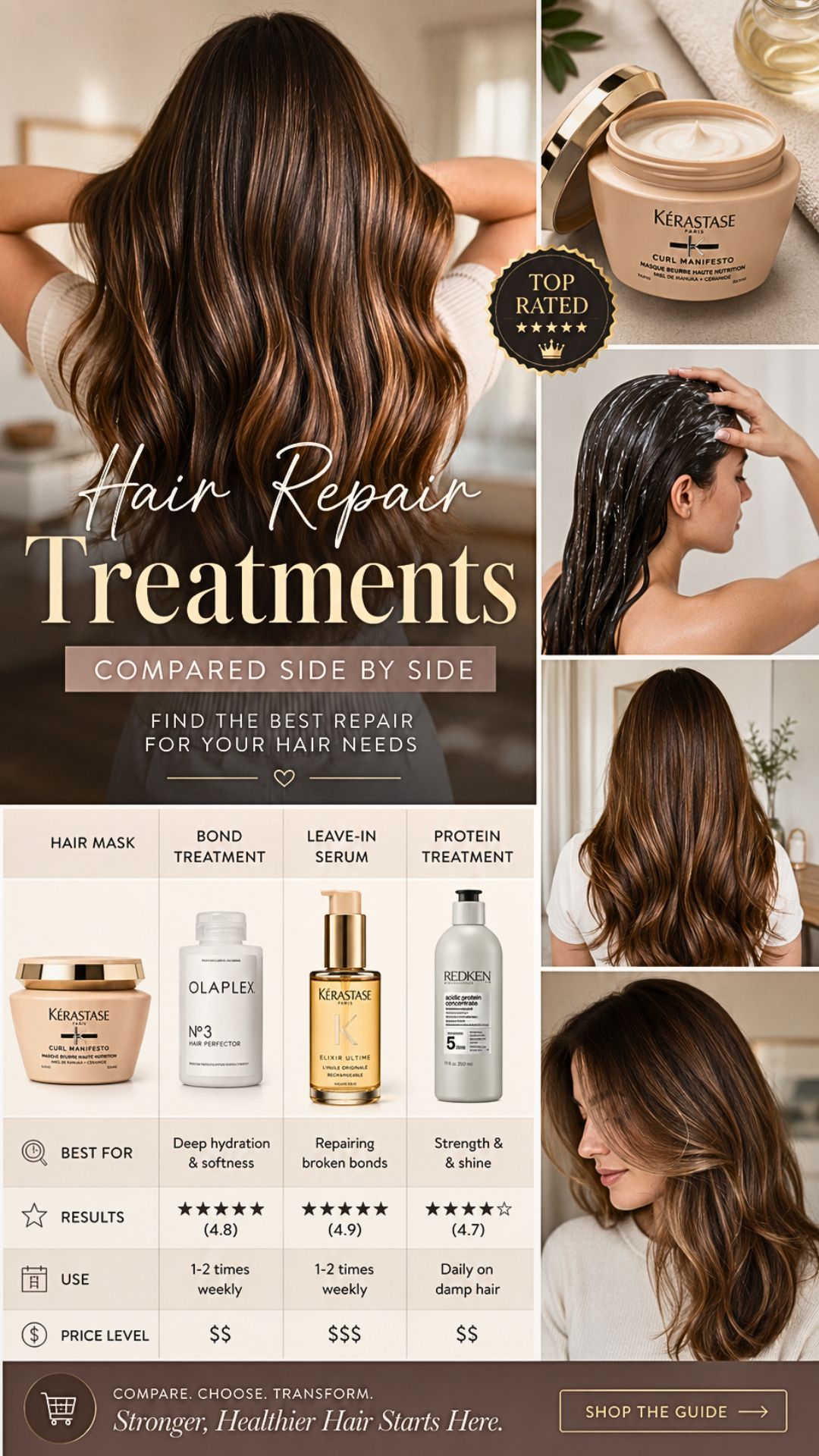
Hair Repair Treatments Compared Side By Side
There are several popular types of repair treatments available today. While they all aim to improve damaged hair, they work in different ways.
| Treatment Type | Best For | Main Benefit | How Often to Use |
|---|---|---|---|
| Bond Builders | Bleached, colored hair | Repairs broken bonds | Weekly or as directed |
| Deep Conditioning Masks | Dry, rough hair | Restores moisture | 1–2 times weekly |
| Protein Treatments | Weak, stretchy hair | Adds strength | Every 3–6 weeks |
| Leave-In Treatments | Everyday damage | Protects and smooths | After every wash |
| Hair Oils | Frizz and dryness | Seals moisture | Daily or as needed |
| Overnight Repair Serums | Severe dryness | Long-lasting hydration | 1–2 times weekly |
| Scalp Treatments | Poor hair health | Supports healthy growth | Weekly |
Each treatment serves a different purpose, so choosing the right one matters more than simply buying the most expensive product.
Bond Building Treatments
Bond builders have become one of the biggest innovations in hair care.
When hair is bleached or chemically processed, tiny bonds inside each strand break. Bond-building treatments help reconnect some of these damaged bonds, improving strength and reducing breakage.
Best for
- Bleached hair
- Highlighted hair
- Chemically treated hair
- Frequent heat styling
Pros
- Helps reduce breakage
- Improves hair strength
- Makes hair smoother
- Works well with color-treated hair
Cons
- Usually costs more
- Does not replace moisture
If your hair feels weak after bleaching, this is often the first treatment worth considering.
Deep Conditioning Hair Masks
Hair masks are designed to restore moisture instead of rebuilding internal structure.
They coat the hair with nourishing ingredients like shea butter, argan oil, avocado oil, glycerin, and plant proteins.
Best for
- Dry hair
- Frizzy hair
- Curly hair
- Coarse hair
Benefits
- Softer texture
- Better shine
- Less frizz
- Easier detangling
Many people notice a difference after just one use, especially if their hair is dehydrated.
Protein Treatments
Hair is mostly made from keratin protein.
When hair becomes overly processed, it can lose structural strength. Protein treatments temporarily fill weak spots, helping strands feel stronger.
Signs your hair may need protein
- Hair stretches too much
- Breaks easily
- Feels mushy when wet
- Lacks body
However, too much protein can make hair stiff.
Balance is important. Most people only need protein treatments every few weeks rather than every wash.
Leave-In Repair Treatments
Leave-in products continue working long after you leave the shower.
These lightweight creams, sprays, or serums protect hair from daily damage while improving softness.
Many formulas include:
- Heat protectants
- UV filters
- Lightweight oils
- Amino acids
- Silicones for smoothing
These products are excellent if you regularly use curling irons, straighteners, or blow dryers.
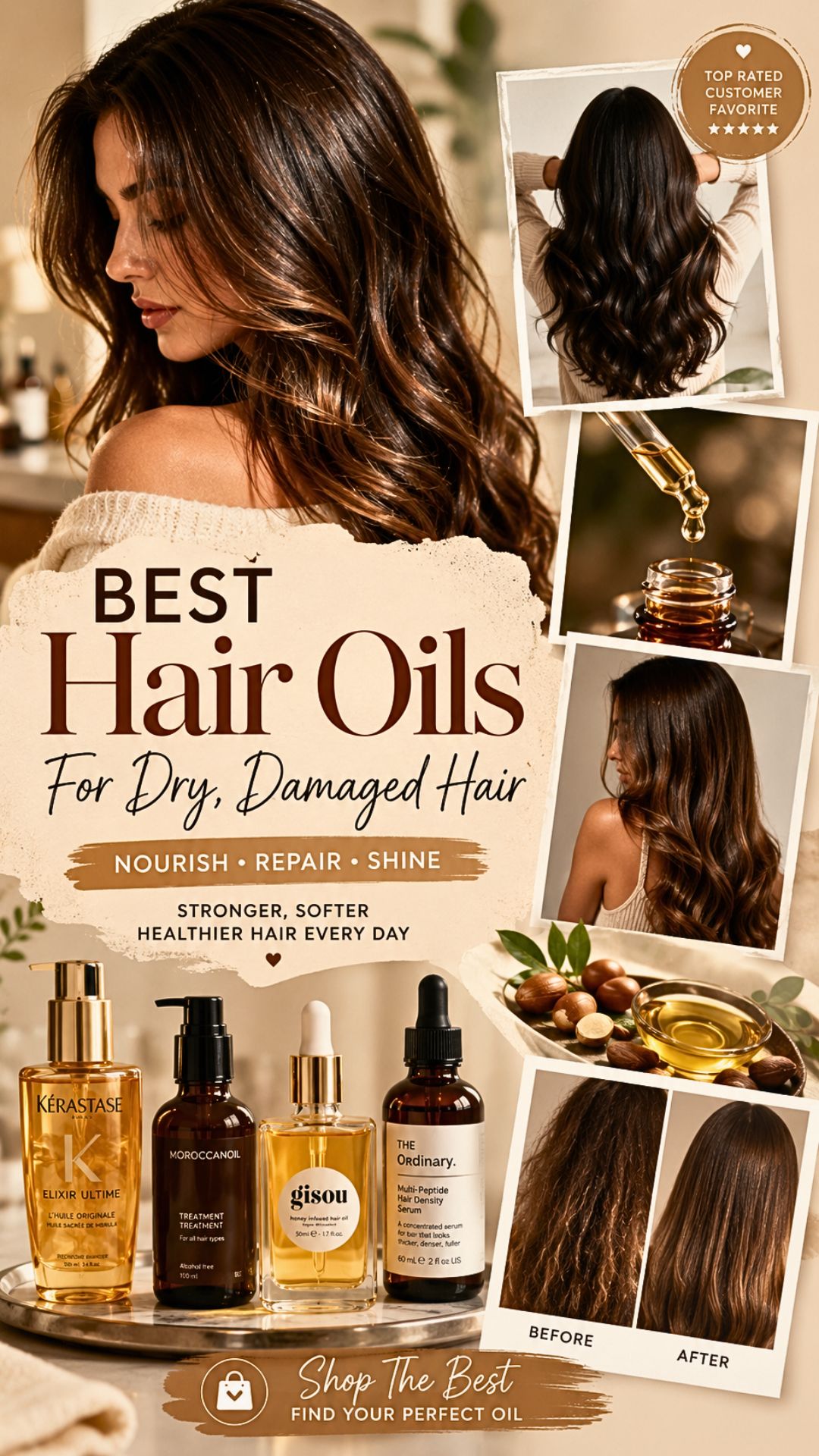
Hair Oils
Hair oils don’t repair internal damage, but they help protect existing hair.
Natural oils reduce moisture loss while making hair appear healthier.
Popular options include:
- Argan oil
- Coconut oil
- Jojoba oil
- Marula oil
- Camellia oil
Hair oils work especially well as the final step after styling.
Overnight Repair Treatments
Overnight treatments provide several hours for nourishing ingredients to absorb into the hair.
These products often contain:
- Ceramides
- Peptides
- Hyaluronic acid
- Plant oils
- Lightweight conditioners
They’re ideal for hair that feels extremely dry after coloring or frequent heat styling.
Simply apply before bed and rinse or style as directed the next morning.
Scalp Repair Treatments
Healthy hair starts with a healthy scalp.
If your scalp is dry, flaky, or irritated, your hair may also look dull over time.
Scalp treatments help by:
- Removing buildup
- Hydrating the skin
- Supporting healthier follicles
- Improving scalp comfort
Many include ingredients like niacinamide, salicylic acid, tea tree oil, or soothing botanical extracts.
How to Choose the Right Hair Repair Treatment
Not every product fits every hair type.
Here are some simple guidelines.
Choose bond builders if:
- Your hair has been bleached
- You color frequently
- Hair snaps easily
Choose deep conditioners if:
- Hair feels dry
- Hair looks dull
- You struggle with frizz
Choose protein treatments if:
- Hair stretches before breaking
- Hair feels weak
- Curls have lost their bounce
Choose leave-in treatments if:
- You heat style often
- Hair tangles easily
- You want daily protection
Choose hair oils if:
- Hair lacks shine
- Ends feel rough
- You need frizz control
Product Recommendations Worth Considering
While every hair type is different, these product categories are consistently popular because they target different concerns instead of trying to do everything at once.
Bond Builder
Ideal for heavily processed or bleached hair.
Soft CTA:
See the best tools for this look if your hair has been through multiple color sessions.
Deep Repair Hair Mask
Great for restoring moisture after weekly washing.
Soft CTA:
Try this product for easier styling if your hair feels rough after blow drying.
Leave-In Heat Protectant
Perfect for anyone using hot styling tools several times each week.
Soft CTA:
Check the recommended styling tools alongside a quality heat protectant to help reduce future damage.
Lightweight Hair Oil
Excellent for adding shine without making fine hair greasy.
Soft CTA:
Shop the look if you want smoother, healthier-looking ends every day.
A Simple Weekly Hair Repair Routine
You don’t need ten products for healthier hair.
Here’s a beginner-friendly routine.
Wash Day
Use a gentle shampoo followed by a moisturizing conditioner.
Once a Week
Apply a deep conditioning mask.
Leave it on according to the directions before rinsing thoroughly.
Every Two Weeks
If your hair is chemically treated, use a bond-building treatment instead of your regular mask.
After Every Wash
Apply a leave-in conditioner or heat protectant.
Focus on the mid-lengths and ends.
Daily
Use one or two drops of lightweight hair oil on dry ends if needed.
Signs Your Hair Repair Routine Is Working
Hair repair takes patience.
Instead of expecting overnight changes, watch for gradual improvements.
Positive signs include:
- Less breakage
- Easier brushing
- Softer texture
- More shine
- Reduced frizz
- Fewer split ends
- Better curl definition
- Hair feels stronger
These changes often appear after several weeks of consistent care.
Common Mistakes That Slow Hair Recovery
Many people accidentally make damage worse while trying to repair it.
Avoid these common habits.
- Using too much heat without protection
- Washing with very hot water
- Skipping conditioner
- Using protein treatments too often
- Brushing wet hair roughly
- Sleeping on rough cotton pillowcases
- Ignoring regular trims
- Switching products every week before giving them time to work
Consistency usually delivers better results than constantly chasing new products.
Extra Tips for Healthier Hair
Small daily habits make a big difference over time.
- Lower your heat tool temperature whenever possible.
- Detangle gently with a wide-tooth comb.
- Protect hair from direct sun during long outdoor activities.
- Avoid tight ponytails every day.
- Sleep with loose braids if your hair tangles easily.
- Drink enough water to support overall hair and scalp health.
- Eat a balanced diet with enough protein, healthy fats, vitamins, and minerals.
Healthy habits support healthy hair just as much as the products you use.
Which Hair Repair Treatment Gives the Best Results?
There isn’t one perfect treatment for everyone.
If your hair is bleached or chemically processed, bond builders often deliver the biggest improvement in strength. If dryness is your main concern, deep conditioning masks usually provide noticeable softness and shine. Weak, stretchy strands may benefit from occasional protein treatments, while leave-in products help prevent new damage every day.
Many people get the best results by combining treatments instead of relying on a single product. For example, pairing a weekly deep conditioning mask with a daily leave-in heat protectant creates both repair and ongoing protection.
Final Thoughts
Finding the right hair repair routine becomes much easier when you understand what your hair actually needs. Rather than buying every trending product, focus on treatments that match your specific concerns, whether that’s dryness, breakage, frizz, or chemical damage.
Start with one or two quality products and use them consistently for several weeks before judging the results. Small improvements add up over time, and healthy hair is built through steady care rather than quick fixes.
If you’re ready to upgrade your routine, check the recommended styling tools, see the best tools for this look, or try this product for easier styling to support healthier hair while reducing future damage. Choosing the right products today can make everyday styling easier and help your hair look smoother, stronger, and more vibrant over time.