Best Hair Repair Treatments For Damaged Hair

We’ve all been there. You run your fingers through your hair and instead of smooth, silky strands, you feel dryness, breakage, and that dreaded straw-like texture. Whether it’s from too much heat styling, chemical treatments, or just the daily wear and tear of life, damaged hair is incredibly common — and incredibly fixable.
The good news? The right hair repair treatments can genuinely turn things around. Not overnight, and not with magic, but with consistency and the right products, your hair can feel healthy and strong again. In this guide, we’re breaking down everything you need to know, from what causes damage in the first place to the best treatments available right now.
Why Your Hair Gets Damaged in the First Place
Before we talk solutions, it helps to understand the problem. Hair damage happens when the outer protective layer of your hair strand — called the cuticle — gets lifted, broken, or worn down. Once that outer layer is compromised, moisture escapes easily and your hair becomes prone to frizz, breakage, and split ends.
The most common culprits include heat styling tools like flat irons and blow dryers, chemical processes like bleaching, coloring, perming, and relaxing, environmental exposure to sun, wind, and hard water, rough towel drying and tight hairstyles, and over-washing or using harsh shampoos. The more of these factors you layer on top of each other, the worse the damage gets. The solution is finding targeted treatments that address the root cause and actively work to restore your hair’s structure.
How to Tell If Your Hair Is Damaged (And How Badly)
Not all damage looks the same. Mild damage might just mean your hair feels a little dry or dull. Moderate damage shows up as frizz, tangles, and visible split ends. Severe damage means breakage, extreme dryness, and hair that snaps when you stretch it gently.
A quick test: take a single strand of dry hair and gently stretch it. Healthy hair has some elasticity — it stretches a little and bounces back. Damaged hair will either snap immediately or stay stretched without returning to its original shape. This tells you how urgently your hair needs attention.
The Best Hair Repair Treatments Worth Trying
Here’s where things get exciting. The market is full of products, but not all of them are worth your money. These are the categories that genuinely make a difference.
1. Protein Treatments
Protein is the building block of hair. Your strands are made of keratin, a type of protein, and when that structure breaks down, hair becomes weak and brittle. Protein treatments work by temporarily filling in gaps in the hair cuticle, making hair feel stronger and smoother almost immediately.
Look for treatments with hydrolyzed keratin, wheat protein, or silk protein in the ingredients. Use them once or twice a month, depending on how damaged your hair is. Over-using protein can actually make hair feel stiff and brittle, so balance is key.
Great for: bleached or chemically treated hair, hair that snaps easily, limp or lifeless strands
2. Deep Conditioning Masks
A deep conditioner is not the same as your regular rinse-out conditioner. Deep masks are thicker, more concentrated, and designed to sit on the hair for 15–30 minutes so the ingredients can actually penetrate the strand.
Look for masks with ingredients like shea butter, argan oil, avocado oil, or hyaluronic acid. These work to restore moisture and smooth the cuticle from the outside in. Using a deep mask once a week can make a noticeable difference in texture and shine within just a few weeks.
Try this: Apply your mask to damp hair, cover with a shower cap, and add gentle heat using a warm towel or a hooded dryer. Heat helps the ingredients absorb more deeply.
3. Bond-Building Treatments
Bond builders are a newer category of hair repair treatments, and they work differently from protein or moisture-based products. They actually work to reconnect broken bonds inside the hair shaft at a chemical level.
Brands like Olaplex, K18, and Redken Acidic Bonding Concentrate have made bond-building mainstream. These are especially useful for hair that has been bleached multiple times or treated with strong chemicals. They’re not cheap, but they’re genuinely effective when used correctly.
Shop the look: If your hair feels completely fried from bleach or color, a bond-building system is one of the best investments you can make. Check the recommended bond-building treatments linked below.
4. Leave-In Conditioners and Hair Oils
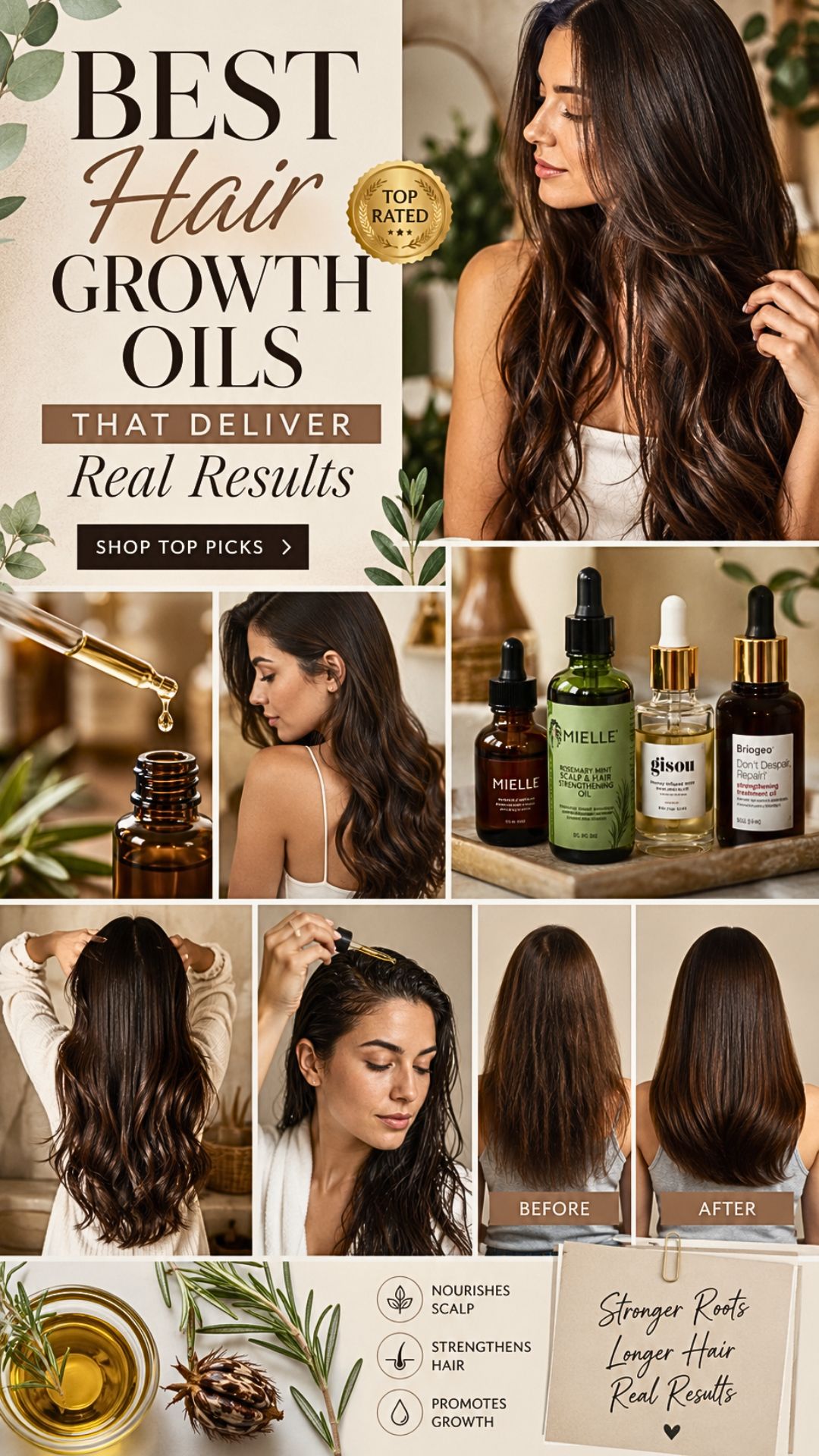
Leave-in conditioners are lightweight formulas you apply to damp hair and don’t rinse out. They provide an ongoing layer of moisture and protection throughout the day. Hair oils do something similar but also add shine and seal the cuticle.
Great options include argan oil, camellia oil, and rosehip oil. You only need a small amount — a dime-sized drop warmed between your palms, smoothed over the mid-lengths and ends of damp hair. These work best as maintenance tools between your bigger treatments.
5. Scalp Treatments
Healthy hair starts at the scalp, and this is a step most people skip. If your scalp is dry, flaky, or clogged with product buildup, it can interfere with healthy hair growth and make damage worse over time.
Look for scalp serums or oils with ingredients like peppermint, tea tree, niacinamide, or salicylic acid. Massaging your scalp for a few minutes before washing can also improve circulation and support stronger hair growth.
A Simple At-Home Hair Repair Routine That Works
You don’t need a shelf full of products. A focused, consistent routine will do far more than a random collection of treatments. Here’s a simple weekly structure:
Sunday (or your wash day):
- Use a gentle, sulfate-free shampoo
- Apply a bond-building or protein treatment if hair is very damaged
- Follow with a deep conditioning mask for 20–30 minutes
- Rinse with cool water to seal the cuticle
Mid-week:
- Co-wash or rinse with conditioner only
- Apply a lightweight leave-in conditioner
- Finish with a small amount of hair oil on the ends
Daily habits:
- Use a microfiber towel or an old cotton t-shirt to dry hair (no rough terrycloth)
- Sleep on a silk or satin pillowcase
- Keep heat styling to a minimum, and always use a heat protectant when you do
Ingredients to Look For (And Avoid)
Not sure what to look for on a label? Here’s a quick guide.
Ingredients that help damaged hair:
- Hydrolyzed keratin or silk protein
- Shea butter or cocoa butter
- Argan oil, avocado oil, or jojoba oil
- Hyaluronic acid
- Panthenol (Pro-Vitamin B5)
- Ceramides
Ingredients to avoid if your hair is already damaged:
- Sulfates (SLS/SLES) — too stripping for dry, damaged hair
- Alcohol (denatured or SD alcohol) — drying
- Silicones without regular clarifying — can build up over time and block moisture
Comparing the Top Hair Repair Treatment Types
– $
| Treatment Type | Best For | How Often | Price Range |
|---|---|---|---|
| Protein Treatment | Breakage, chemical damage | 1–2x per month | $ – $$ |
| Deep Conditioning Mask | Dryness, frizz | Weekly | $ |
| Bond Builder (e.g. Olaplex) | Bleach damage, extreme breakage | Every wash or weekly | |
| Leave-In Conditioner | Daily moisture, detangling | Every wash day | $ |
| Scalp Treatment | Poor growth, buildup, flakiness | Weekly or bi-weekly | $ – $$ |
| Hair Oil | Shine, sealing ends, frizz control | As needed | $ |
Common Mistakes People Make When Treating Damaged Hair
Even with the best products, certain habits can slow down your progress. Here are the mistakes most people make without realizing it.
Using too much protein too often. Protein is great, but overdoing it makes hair feel stiff and snappy. Alternate protein treatments with moisture-focused deep conditioners.
Skipping heat protectant. If you’re still using heat tools, this step is non-negotiable. No treatment can undo the damage from repeated heat exposure without protection.
Washing hair too frequently. Washing every day strips the natural oils that help protect and condition your hair. Try stretching washes to every 2–3 days, especially while repairing damage.
Expecting results in one wash. Hair repair takes time. Give yourself at least 4–6 weeks of consistent treatment before judging whether something is working.
Using hot water. Hot water opens the cuticle and strips moisture. Rinse your conditioner and treatments with cool or lukewarm water to help seal the cuticle and add shine.
Final Thoughts — Your Hair Can Come Back From This
Damaged hair can feel really discouraging, especially when it seems like no matter what you try, nothing sticks. But the truth is, most hair damage is manageable with the right approach. The key is being consistent, being gentle, and giving your hair time to recover.
Start with a good deep conditioning mask and a bond-building treatment if your damage is severe. Layer in a leave-in conditioner and a scalp routine. Be patient, be gentle, and keep heat styling to a minimum while your hair heals.
If you’re not sure where to start, hair repair treatments like bond builders and weekly deep masks are the two highest-impact additions you can make to your routine right now. They’re not fancy, they’re not complicated — they just work.
See the best tools and treatments for damaged hair by exploring the recommended products linked in this post. Your hair recovery journey starts with one good wash day. You’ve got this. 💛