Best Scalp Treatments For Thinning Hair: Healthy Roots for Fuller-Looking Hair

Thinning hair can feel frustrating, especially when your favorite hairstyle no longer looks as full as it once did. While no product can work magic overnight, taking care of your scalp is one of the smartest places to start. A healthy scalp creates a better environment for stronger, healthier-looking hair over time.
If you’ve been searching for the Best Scalp Treatments for thinning hair, you’re in the right place. This guide explains what scalp treatments do, how to choose the right one, and which ingredients and tools are worth adding to your routine. Whether you’re just noticing extra shedding or looking to improve your hair care routine, these tips can help you make informed choices.
Why Your Scalp Matters More Than You Think
Think of your scalp as the soil in a garden. Healthy soil helps plants grow better, while dry, irritated, or clogged soil makes growth more difficult. Your scalp works the same way.
When your scalp is clean, balanced, and well-moisturized, hair follicles can function more efficiently. That doesn’t mean every scalp treatment will reverse hair loss, but keeping your scalp healthy supports stronger, healthier-looking strands.
Common scalp concerns include:
- Dryness
- Oil buildup
- Product residue
- Flaking
- Itching
- Poor circulation
- Excess sebum around hair follicles
Addressing these issues may improve the overall condition of your hair and make it look thicker and healthier.
What Causes Thinning Hair?
Hair thinning can happen for many reasons. Understanding the cause helps you choose the right treatment.
Some common causes include:
- Genetics
- Hormonal changes
- Stress
- Poor nutrition
- Tight hairstyles
- Heat styling
- Aging
- Medical conditions
- Seasonal shedding
If your hair suddenly becomes much thinner or you notice bald patches, it’s a good idea to speak with a healthcare professional or dermatologist.
Signs Your Scalp Needs Extra Care
Sometimes your scalp tells you exactly what it needs.
Watch for signs like:
- Constant itching
- Dry flakes
- Oily roots within a day
- Redness
- Tenderness
- Product buildup
- Hair that feels limp despite washing
These symptoms may mean it’s time to improve your scalp care routine.
Best Scalp Treatments Ingredients to Look For
Not every scalp treatment works the same way. Instead of focusing only on brand names, pay attention to the ingredient list.
Rosemary Oil
Rosemary oil has become one of the most popular natural ingredients for scalp care.
Many people use diluted rosemary oil to massage the scalp because it may help support healthy-looking hair when used consistently as part of a routine.
It also smells fresh and blends well with carrier oils.
Peppermint Oil
Peppermint creates a cooling feeling that many people enjoy during scalp massages.
It may leave the scalp feeling refreshed and clean.
Always dilute essential oils before applying them directly to the scalp.
Niacinamide
Niacinamide helps support the scalp barrier.
A healthier scalp barrier can reduce dryness and improve overall scalp comfort.
Caffeine
Caffeine appears in many scalp serums designed for thinning hair.
It helps create lightweight formulas that don’t leave heavy residue on fine hair.
Salicylic Acid
If your scalp gets oily or develops buildup, salicylic acid gently removes excess oil and dead skin.
Clean follicles create a healthier scalp environment.
Tea Tree Oil
Tea tree oil is often used for oily or flaky scalps.
It provides a refreshing clean feeling and helps reduce excess oil when used correctly.
Hyaluronic Acid
Dry scalps also need hydration.
Hyaluronic acid attracts moisture without making hair greasy.
Peptides
Peptides are becoming increasingly common in modern scalp serums.
They help condition both the scalp and hair while supporting overall hair health.
Different Types of Scalp Treatments
Choosing the right product depends on your scalp’s needs.
| Treatment Type | Best For | Benefits |
|---|---|---|
| Scalp serum | Everyday use | Lightweight hydration and scalp care |
| Scalp oil | Dry scalp | Adds moisture and supports massage |
| Exfoliating scalp scrub | Product buildup | Removes dead skin and residue |
| Scalp tonic | Fine hair | Refreshes roots without heaviness |
| Leave-in treatment | Busy routines | Easy daily application |
| Overnight scalp treatment | Deep nourishment | Works while you sleep |
| Clarifying treatment | Oily scalp | Removes excess oil and buildup |
Product Recommendations Worth Considering
Rather than buying the most expensive option, look for products that match your scalp type.
Lightweight Daily Scalp Serum
Ideal for:
- Fine hair
- Mild thinning
- Daily maintenance
A lightweight serum absorbs quickly and won’t weigh hair down. Apply it after washing and gently massage it into your scalp.
Try this product for easier styling if your roots often feel flat after washing.
Nourishing Scalp Oil
Perfect for dry or tight-feeling scalps.
Massage a few drops into your scalp before shampooing.
Weekly oil treatments can leave your scalp feeling softer and more comfortable.
Gentle Scalp Scrub
If you use dry shampoo often, styling sprays, or heavy products, a scalp scrub can remove buildup that regular shampoo misses.
Use only once every week or two.
Silicone Scalp Massager
A simple scalp brush is one of the easiest tools to add to your routine.
Benefits include:
- Even shampoo distribution
- Gentle exfoliation
- Relaxing massage
- Improved cleansing
See the best tools for this look if you’re building a healthier hair care routine.
Clarifying Shampoo
A clarifying shampoo removes excess oils and styling product residue.
Use it occasionally rather than every wash to avoid drying out your scalp.
How to Build a Weekly Scalp Care Routine
You don’t need ten different products.
A simple routine often works best.
Day 1: Wash Day
Use a gentle shampoo.
Massage your scalp for two to three minutes instead of rushing through the wash.
Apply conditioner mainly to the mid-lengths and ends.
Day 2
Apply a lightweight scalp serum.
Avoid applying too much product.
Day 3
Massage your scalp for five minutes.
You can use clean fingertips or a silicone scalp brush.
Day 4
Leave your scalp alone.
Sometimes less is more.
Day 5
If needed, use a scalp oil before shampooing.
Leave it on for about twenty minutes before washing.
Weekend
If you notice buildup, use a gentle scalp scrub or clarifying shampoo.
Finish with your favorite scalp serum.
Step-by-Step: How to Apply a Scalp Treatment
Following the right method helps products work more effectively.
Step 1
Start with a clean scalp whenever possible.
Step 2
Part your hair into small sections.
This helps distribute the product evenly.
Step 3
Apply small amounts directly to the scalp.
Avoid pouring too much in one spot.
Step 4
Massage gently for three to five minutes.
Don’t scratch with your nails.
Use the pads of your fingers instead.
Step 5
Allow leave-in treatments to absorb fully.
Avoid washing immediately unless the instructions say otherwise.
Step 6
Stay consistent.
Healthy scalp care is about regular habits, not quick fixes.
Daily Habits That Support Healthier Hair
Scalp treatments work best when combined with healthy habits.
Helpful routines include:
- Eat enough protein
- Drink plenty of water
- Reduce excessive heat styling
- Wash your scalp regularly
- Avoid overly tight ponytails
- Protect hair from too much sun
- Sleep on a silk or satin pillowcase
- Manage stress where possible
- Trim damaged ends regularly
Small improvements can add up over time.
Mistakes That Can Slow Your Progress
Many people unknowingly make these common mistakes.
- Using too much product
- Switching treatments every week
- Skipping scalp massages
- Scratching the scalp
- Applying oils to dirty hair without washing afterward
- Using very hot water
- Ignoring product buildup
- Expecting overnight results
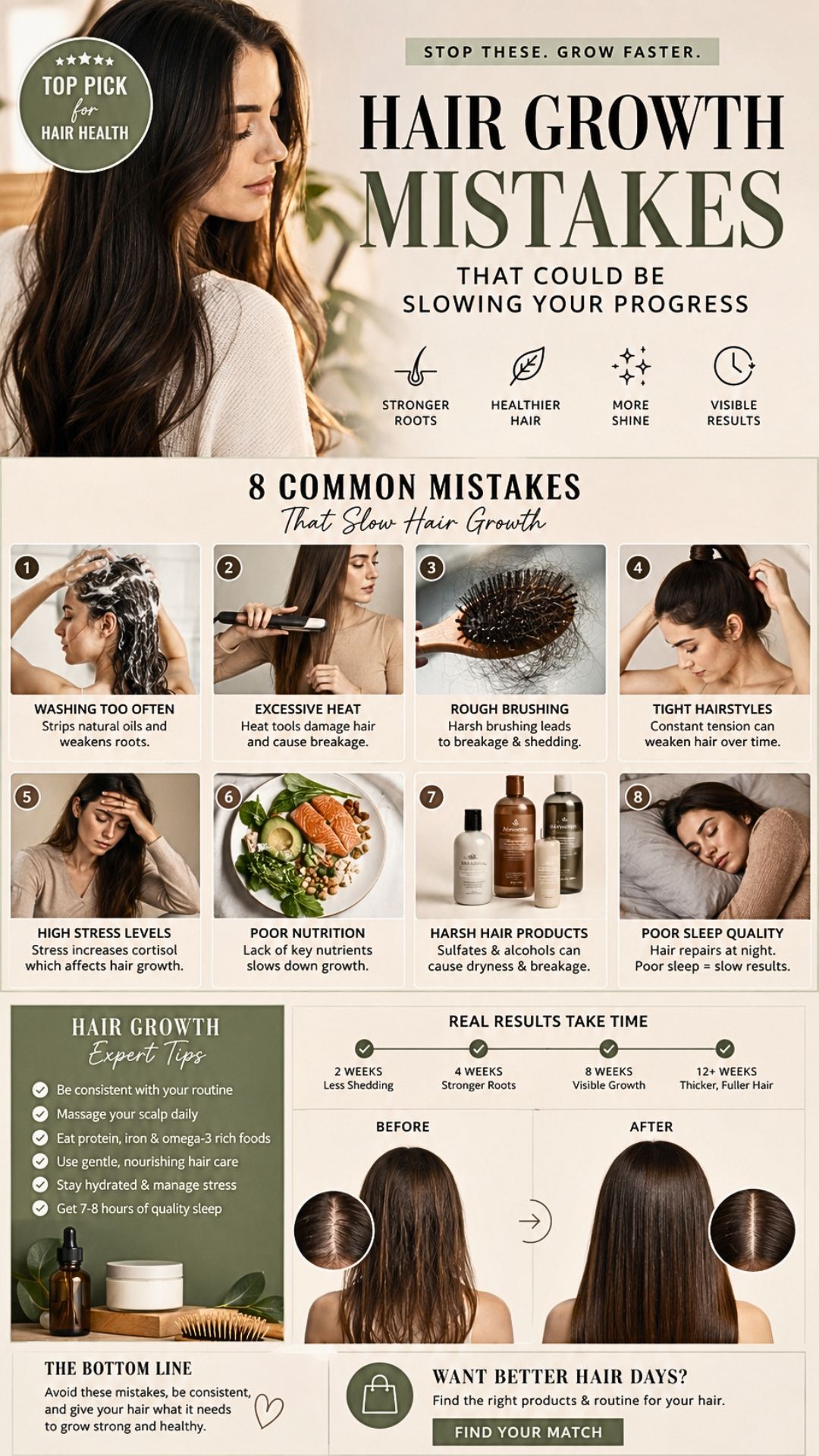
Patience is important. Most scalp care routines take several weeks of consistent use before noticeable improvements appear.
Natural Remedies You Can Try at Home
If you enjoy simple beauty routines, these ideas may complement your regular products.
Aloe Vera Gel
Aloe vera feels soothing on dry or irritated scalps.
Choose pure aloe without added alcohol.
Diluted Rosemary Oil Massage
Mix a few drops of rosemary essential oil with a carrier oil such as jojoba or sweet almond oil.
Massage gently before shampooing.
Gentle Warm Towel Treatment
Wrap a warm towel around your head after applying a nourishing scalp oil.
The warmth may help the treatment spread more evenly across the scalp.
Choosing the Right Treatment for Your Scalp Type
| Scalp Type | Recommended Treatment | Frequency |
|---|---|---|
| Dry | Hydrating scalp oil + serum | 2–3 times weekly |
| Oily | Clarifying shampoo + lightweight serum | Weekly clarification |
| Sensitive | Fragrance-free scalp serum | As directed |
| Flaky | Gentle exfoliating treatment | Every 1–2 weeks |
| Fine Hair | Lightweight leave-in serum | Daily or every other day |
| Product Buildup | Scalp scrub + clarifying shampoo | Weekly |
Styling Tips for Hair That Looks Fuller
While you’re improving your scalp health, these styling tricks can make thinning hair appear thicker.
- Blow dry upside down for extra lift.
- Use volumizing mousse at the roots.
- Choose layered haircuts.
- Avoid heavy styling creams.
- Change your part occasionally.
- Use lightweight texturizing sprays.
- Dry your roots completely before styling.
These techniques create the appearance of fuller hair without adding extra weight.
Hair Tools That Pair Well with Scalp Treatments
Adding a few simple tools can make your routine easier.
Consider:
- Silicone scalp massage brush
- Wide-tooth comb
- Microfiber hair towel
- Satin pillowcase
- Lightweight hair dryer with adjustable heat
- Sectioning clips for applying serums
These tools help protect your hair while making scalp care more effective.
Shop the look if you’re updating your hair care collection, and focus on quality tools you’ll use regularly instead of buying every trending product.
How Long Does It Take to See Results?
Consistency matters more than speed.
Most people notice changes in scalp comfort before they notice changes in how their hair looks. A cleaner, healthier scalp may feel less itchy, less oily, or more balanced within a few weeks.
Visible improvements in the appearance of hair often take longer because hair grows slowly. Following a steady routine and choosing products that fit your scalp type gives you the best chance of seeing gradual progress.
Final Thoughts
Finding the Best Scalp Treatments for thinning hair doesn’t mean chasing every new trend. The most effective routine is often the one you can follow consistently. Start with gentle cleansing, choose products with ingredients that suit your scalp, and give them time to work.
Healthy hair begins at the roots, and even small changes can make a noticeable difference in how your hair looks and feels. If you’re ready to upgrade your routine, check the recommended styling tools, see the best tools for this look, or try this product for easier styling based on your scalp’s needs. Thoughtful choices and consistent care can help you create a healthier foundation for fuller-looking, more confident hair.